REVIEW · WATERLOO BELGIUM
From Brussels : Napoleon’s Last Battle of Waterloo Tour
Book on GetYourGuide →Operated by Cognosimo Tours · Bookable on GetYourGuide
Waterloo hits harder with a guide in the field. I like the tight 4-hour route that links the key battle sites, and I love the small-group setup with private transport and drinks. One possible drawback: timing can be sensitive, especially if a specific site’s opening hours don’t match the day’s schedule.
This is the kind of tour that helps you connect names you’ve heard before to real ground you can see. You’ll get a guided walk at several places tied to Napoleon’s last campaign in Belgium, plus a short visit to the Napoleon’s headquarters site that rounds out the story. The tour runs in English or French, and it’s led by a live guide, with Jérémmie cited by one guest as friendly and a standout.
If you’re looking for a slow, all-day wander with lots of free time, this may feel a bit condensed. But if you want a guided hit of the Waterloo story without the stress of getting there and back, this is a solid option.
In This Review
- Key things to know before you go
- Price and value for a 4-hour Waterloo battlefield tour from Brussels
- Pickup in Brussels: how this stays low-stress
- Hougoumont Farm: where the story turns from strategy to grit
- The Lion’s Mound: understanding the view that changed how people talk about Waterloo
- Waterloo town stop: short orientation that prevents that trapped-in-a-field feeling
- Plancenoit: the final pressure point before Napoleon’s end
- Napoleon’s Last Headquarters: closing the loop in a short visit
- Small group (up to 7): why this format works for Waterloo
- Guides and communication: what to expect when it goes well
- Who should book this Waterloo tour (and who might want a different style)
- Should you book this Waterloo tour?
Key things to know before you go
- A short, structured loop links Hougoumont, the Lion’s Mound area, Waterloo town, Plancenoit, and Napoleon’s HQ in one morning/afternoon window
- Small-group size (up to 7) keeps the day feeling personal instead of chaotic
- Private transportation from Brussels removes the planning headache of buses and transfers
- Drinks are included, so you’re not hunting for snacks during quick stops
- Napoleon’s HQ entrance is covered, which saves time and adds closure to the campaign story
- Guide quality matters here, and at least one booking specifically called out Jérémmie’s delivery and local context
Price and value for a 4-hour Waterloo battlefield tour from Brussels
At $471 per person for a 4-hour experience, this isn’t a budget outing. The upside is what you’re paying for: private transportation, a live guide, drinks, and entrance to Napoleon’s HQ. When you price it that way, it starts to make more sense—especially because Waterloo is easiest when someone explains what you’re looking at while you’re actually standing there.
In other words, you’re not just touring points on a map. You’re paying for the shortcut from confusion to clarity. Waterloo can feel like a jumble of hills, farms, and roads if you show up without context. With a guide, those same features become decisions, pressure, and consequences—fast.
The main value question to ask yourself is simple: do you want a guided “greatest hits” of Waterloo, or do you want time to roam and read at your own pace? If you’re here to understand the battle quickly, this tour matches that goal. If you want hours of unhurried wandering, you may feel the time squeeze.
You can also read our reviews of more tours and experiences in Waterloo Belgium.

Pickup in Brussels: how this stays low-stress
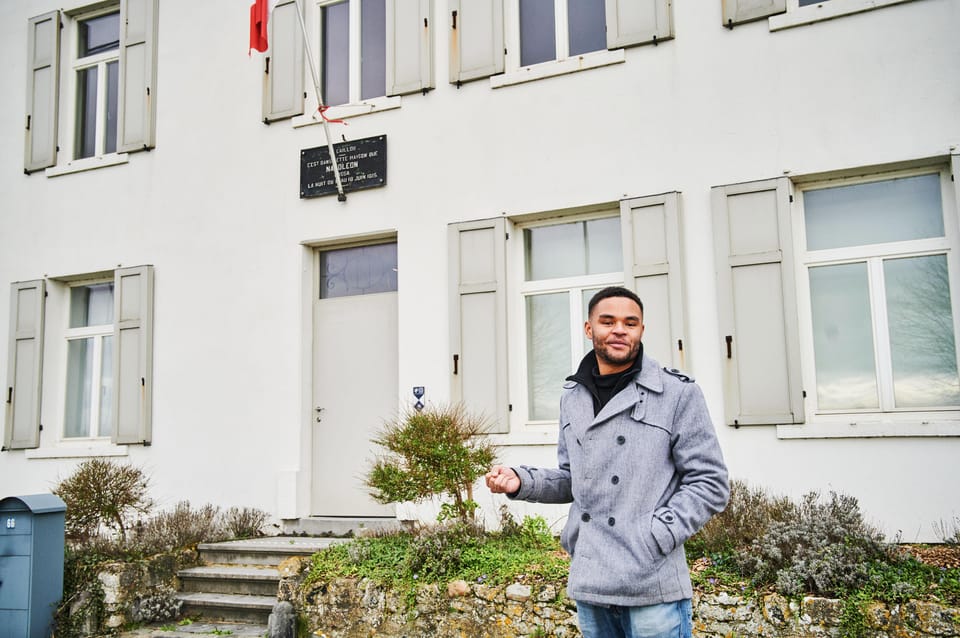
The tour is designed to start with you already settled. You’re picked up from your hotel in Brussels and surrounding areas, and you’re asked to be ready in the lobby about 10 minutes before pick-up.
This matters more than it sounds. Waterloo sites are not all next door to each other, and the roads around the battlefield can be a hassle if you’re doing it solo. Private transport also helps you keep the day moving so you still get guided time at each stop instead of spending your limited hours wrestling with directions.
For timing-fit, think of the 4-hour window as the big constraint. If you’re traveling during busy hours or you’re prone to lateness, you’ll want to build in extra cushion so you don’t start the tour rushed.
Hougoumont Farm: where the story turns from strategy to grit
Hougoumont Farm is the kind of place where the battle stops being abstract. You get a 30-minute guided tour there, and that timeframe is meant to do one job: orient you fast, then explain why this farm matters to what happened next.
Hougoumont is one of the famous positions associated with the British and French clashes, and the guide’s job is to help you picture how fighting around a farmstead isn’t just about buildings—it’s about movement, visibility, and control of the ground. Even if you’ve read about Waterloo, seeing a site like this with direction makes it easier to understand why armies would fight so fiercely for specific places.
One practical consideration: sites like this can be affected by opening hours and scheduling. A past booking reported that Hougoumont wasn’t open when the tour arrived early, shrinking what could be seen. I’d treat this as a reminder to ask yourself whether you’re the type of traveler who gets irritated by short timings. If yes, you may prefer a tour that’s longer or built around slower pacing.
The Lion’s Mound: understanding the view that changed how people talk about Waterloo
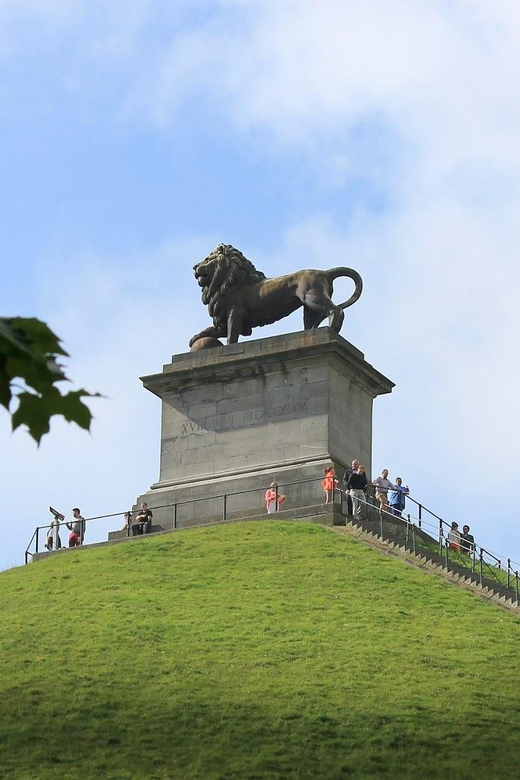
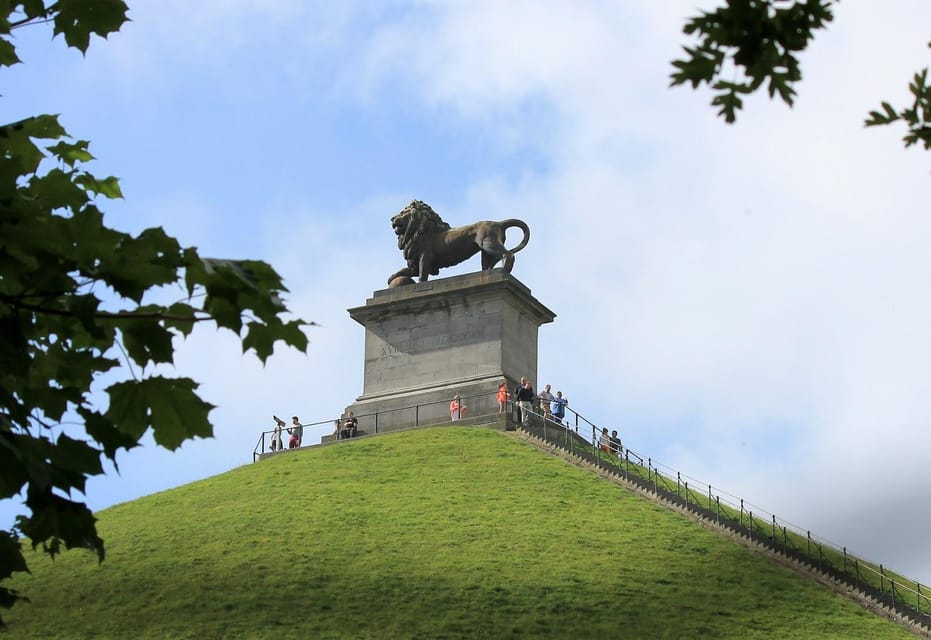
Next is the Lion’s Mound area, with about 1 hour of guided time. This is often the best spot to slow down—because it’s tied to how the battle is remembered and narrated.
The tour includes not just time at the mound, but context: you’ll learn more about the Dutch prince wounded there and why this spot has such symbolic weight. That detail isn’t random trivia. It helps you understand why monuments and viewpoints stick in people’s minds long after the fighting is over.
What I like about this stop is that it gives you a “bird’s-eye thinking” moment without requiring you to actually be a map nerd. Your guide turns the terrain into a timeline: where forces likely came from, how positions influenced each other, and why certain moves created pressure at specific moments.
If you’re someone who enjoys connecting stories to physical space, this is a highlight. If you prefer action details over memorial symbolism, ask your guide to focus more on what armies could see and do from this area.
Waterloo town stop: short orientation that prevents that trapped-in-a-field feeling
You also get a stop tied to Waterloo, Belgium, with about 30 minutes of guided time. This might look like a pause between battlefield points, but it serves a purpose.
First, it helps you reset your bearings. After farm and terrain stops, it’s easy to feel like you’re just hopping from one patch of ground to another. A town stop gives your brain a clean reference point. Second, it helps you place the battlefield in the real world—roads, distances, and how these sites exist as part of a lived-in area, not a museum set.
This is also where a good guide can make the day feel more human. Instead of only talking about formations and command decisions, you can connect the battle to the environment that surrounds it now.
Plancenoit: the final pressure point before Napoleon’s end
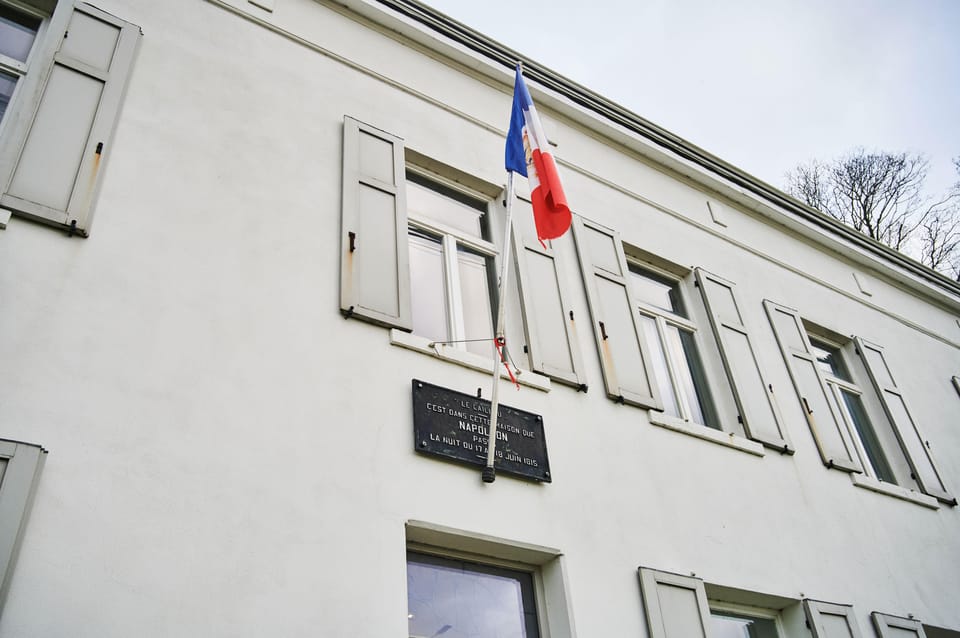
Plancenoit is another key stop, with about 45 minutes of guided time. It’s the kind of location where a guide’s explanation can make a huge difference, because the terrain and the farm area are tied to intense clashes late in the campaign.
Why this stop is so valuable is that it helps you feel the shift from earlier fighting to the endgame. A battlefield tour can sometimes feel like a history lecture with walking. Here, the tone is different: the guide is building toward how the end of the campaign unfolded through actions taken on real positions.
Plancenoit is also where you’re likely to start appreciating the battle as a sequence of local decisions that add up. You’ll see how one area’s fighting connects to another area’s response. Even in a short 4-hour format, this is the stop that often makes Waterloo click.
If you’re the type who loves battle maps, you’ll still enjoy this—just remember your best “map” is the guide pointing out what mattered where, and what that means for how you interpret the story.
Napoleon’s Last Headquarters: closing the loop in a short visit
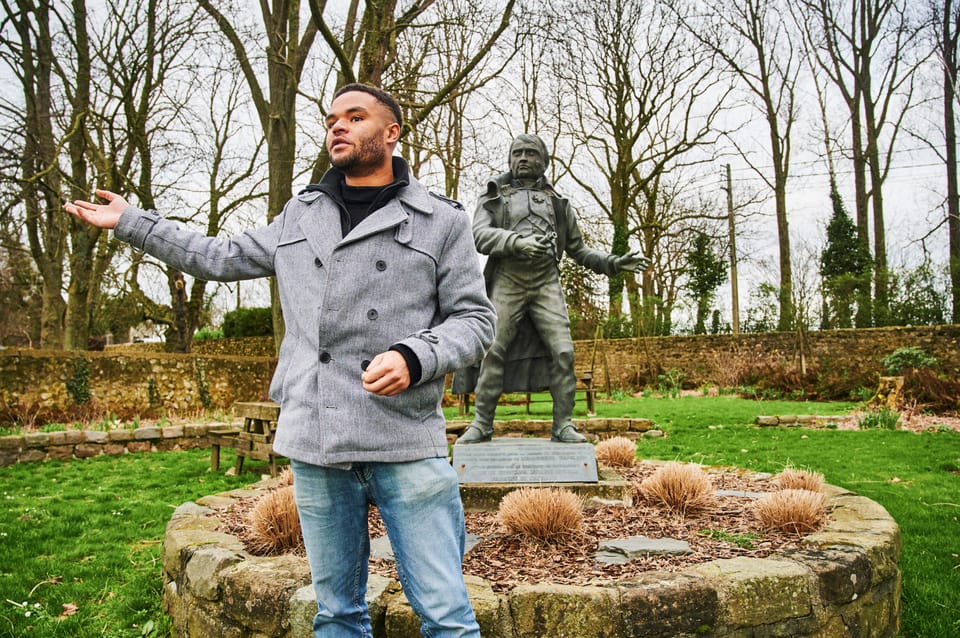
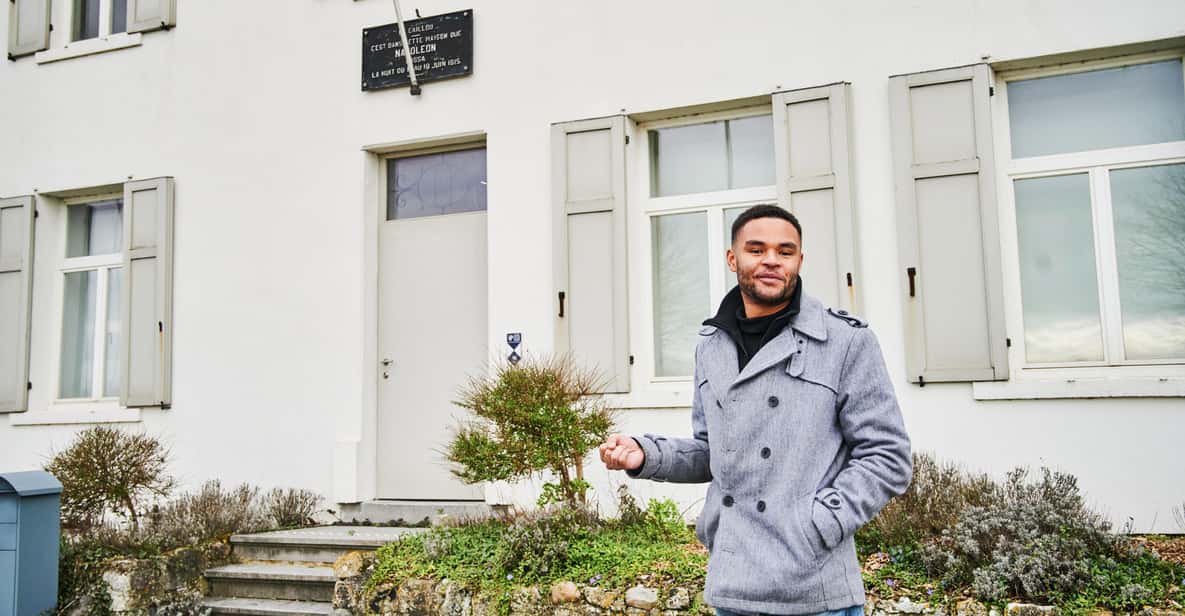
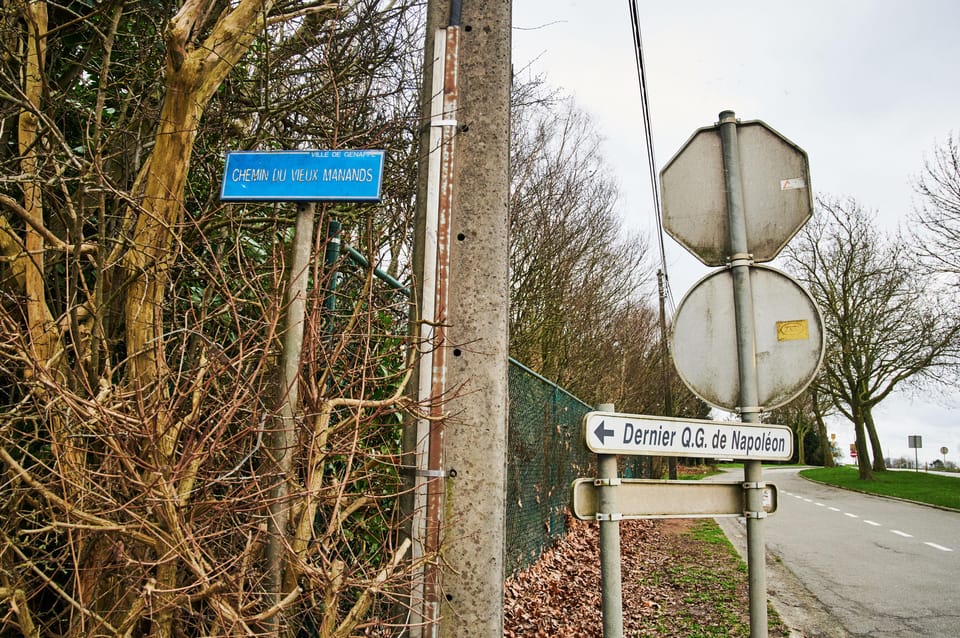
You finish with Napoleon’s Last Headquarters, with about 15 minutes of guided time. Entrance is included, and this stop is short on purpose. In a tight tour, the headquarters visit is less about roaming and more about tying together what you’ve learned at the field positions.
I like this approach because it gives closure. Earlier stops can feel scattered—Hougoumont, the Lion’s Mound area, the town, Plancenoit. The headquarters site then acts like a narrative anchor: the battle becomes not just “what happened out there,” but “what Napoleon faced as the outcome took shape.”
Fifteen minutes is brief, so make sure you’re mentally ready to listen closely. This is not the time to drift into reading mode if you want the visit to mean something. Ask your guide any question you’ve been holding onto from earlier stops, because this is where the pieces come together.
Also, while the entrance to this site is covered, other fees aren’t listed in the provided details. If you’re sensitive to surprise costs, it’s worth asking the provider what’s fully covered before you go.
Small group (up to 7): why this format works for Waterloo
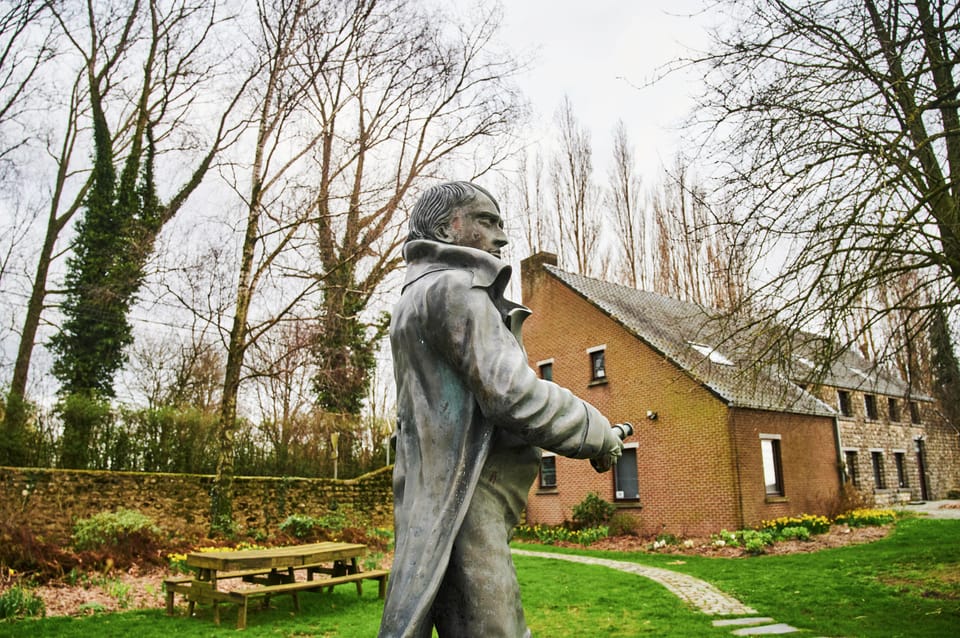
A big selling point here is the small group limit of 7 participants paired with a private guide and private transportation. That combination matters at Waterloo, because it’s not a place where you can easily do self-guided learning well in a few hours.
With a larger group, you’re often swept along with little time for questions. With this format, you’re more likely to get answers that match what you’re actually noticing on the ground—whether that’s terrain, monuments, or the logic behind why certain positions were fought over.
It also keeps the pace manageable. The tour has several short segments, and you don’t want the day to feel like a sprint with no breathing room. Small group sizes help the guide maintain a rhythm that still lets you absorb.
Guides and communication: what to expect when it goes well
One detail that came up strongly in a good booking: communication ahead of time and a guide who brought not only explanations, but local insight. Jérémmie was mentioned specifically for being friendly and doing a great job telling the day’s story.
You can’t control who your guide will be, but you can control your preparation. If you book, keep an eye out for any message the day before, and be ready to ask clarifying questions at the start. Waterloo gets easier when you know what your guide wants you to look for.
Also, since the tour runs in English or French, double-check that your language preference matches what’s being offered at your time slot. A battlefield tour is only as smooth as your ability to understand the narration without strain.
Who should book this Waterloo tour (and who might want a different style)
This tour is a great match if:
- you want a guided “greatest hits” route in about 4 hours
- you’d rather pay for context than spend time researching terrain on your own
- you value a small group and private transport from Brussels
- you like learning how specific sites connect to a bigger battle narrative
You might look elsewhere if:
- you want more free time at fewer locations
- you’re very sensitive to short visit windows and site opening-time issues
- you prefer a longer, slower pace with more on-site reading
Should you book this Waterloo tour?
I’d book it if you’re planning a Brussels trip and you want Waterloo to feel understandable fast. The price is high, but you’re buying structure: private transport, a live guide, drinks, and an efficient path through the most important stops, finishing with Napoleon’s HQ.
If you’re the type who hates compressed schedules, this might feel too tight. In that case, consider extending your time at the battlefield on your own or choosing a longer tour style. But for a short, guided Waterloo day that saves you logistics stress, this one has the right ingredients.