REVIEW · WATERLOO BELGIUM
From Brussels : Napoleon’s Last Campaign in Belgium Tour
Book on GetYourGuide →Operated by Cognosimo Tours · Bookable on GetYourGuide
Napoleon’s last campaign is one long story of movement, misread timing, and stubborn choices, all stitched together across three famous stops. This 6-hour private tour takes you from Brussels into Wallonia for a guided look at Ligny, Quatre-Bras, and Waterloo, finishing on Lion’s Hill and the Waterloo Memorial area.
What I like most is how the day is structured like a campaign, not a checklist. You get guided time at each place (45 minutes at Ligny, 30 minutes at Quatre-Bras, and a longer stop at Waterloo), plus private transport so you’re not wrestling schedules or transfers. The tour also includes drinks and a souvenir, which keeps the extras from piling up.
The one drawback to consider: a few people felt the pacing wasn’t as instructional as expected, and at least one lunch-related hiccup (the first restaurant being full) can eat into your free time. If you’re hoping for heavy-depth commentary at every single step, you’ll want to go in knowing you’re getting a guided overview, not a full-day reenactment seminar.
In This Review
- Key points you’ll feel on the ground
- From Brussels to Ligny: starting with Napoleon’s last win
- Quatre-Bras in 30 minutes: the clash that explains the next failure
- Waterloo: the longest stop, where the terrain does the talking
- Lion’s Hill and the Waterloo Memorial: reading the victory from the Dutch side
- The guide: where your experience can swing
- Timing and lunch: a 6-hour day with one human variable
- Private transportation and souvenirs: what’s included, and why it matters
- Price and value: $764 per person is high—here’s what you’re paying for
- Who this tour fits best (and who might want something else)
- Should you book Napoleon’s Last Campaign in Belgium?
- FAQ
- How long is the tour from Brussels?
- Where does the tour start and end?
- Which sites will we visit?
- How much guided time is there at each stop?
- Is lunch included in the price?
- What language is the live guide available in?
- Is this a private group tour?
- What’s included besides the guide?
- What should I bring?
- What’s the cancellation policy?
Key points you’ll feel on the ground
- Ligny, Quatre-Bras, Waterloo in one campaign thread so the story stays connected instead of jumping around
- Guided time at each site (shorter at Ligny and Quatre-Bras, longer at Waterloo) which is the right mix for a 6-hour day
- Lion’s Hill and the Waterloo Memorial area—including the Dutch-built viewpoint concept and the note about a wounded Dutch prince
- Private pickup from Brussels with transport handled, which matters because these battlefields aren’t right next to each other
- Lunch stop at a local restaurant with food not included, so you control what you spend (and should plan for possible waits)
- Guide impact is real: some departures shine with story and geography, while one experience felt too brief or superficial
From Brussels to Ligny: starting with Napoleon’s last win
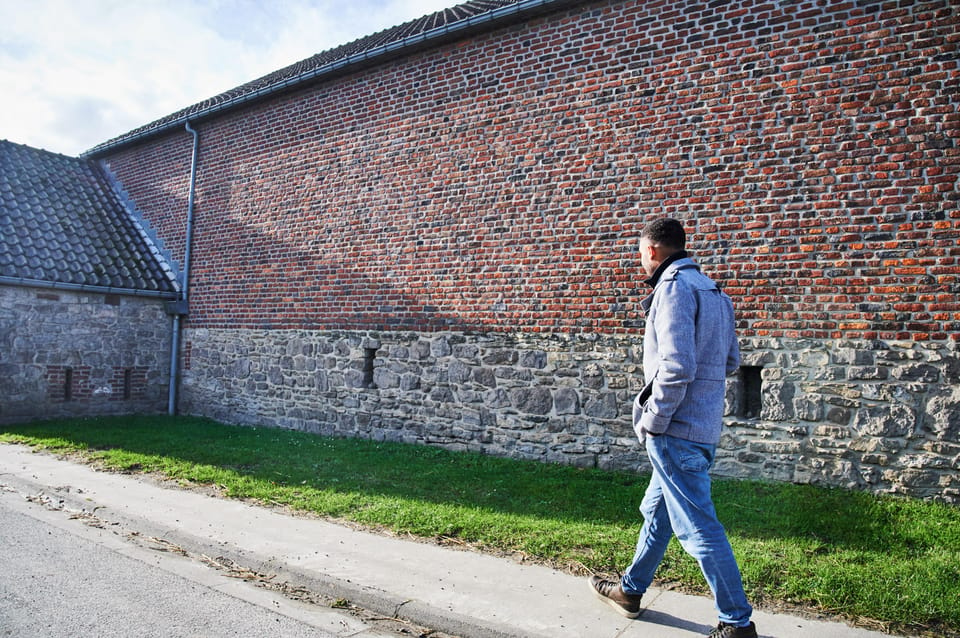
The day starts with pickup in Brussels (and nearby areas) and then heads straight to Ligny. You’ll get a guided session there for about 45 minutes, enough time to connect terrain to what happened rather than just admire plaques and cannons.
Ligny is especially important because it’s presented as Napoleon’s last victory against the Prussians. That framing changes how you read the ground. Instead of treating Ligny as a prelude to Waterloo, you get it as a decisive moment that still left Napoleon facing major risks ahead—useful context when you later see the coalition pressure build.
A practical note: because you’re starting the campaign in the car, you’ll want to be awake and ready when you arrive. Comfortable shoes matter here, since you’ll be walking and moving between viewpoints.
You can also read our reviews of more tours and experiences in Waterloo Belgium.
Quatre-Bras in 30 minutes: the clash that explains the next failure
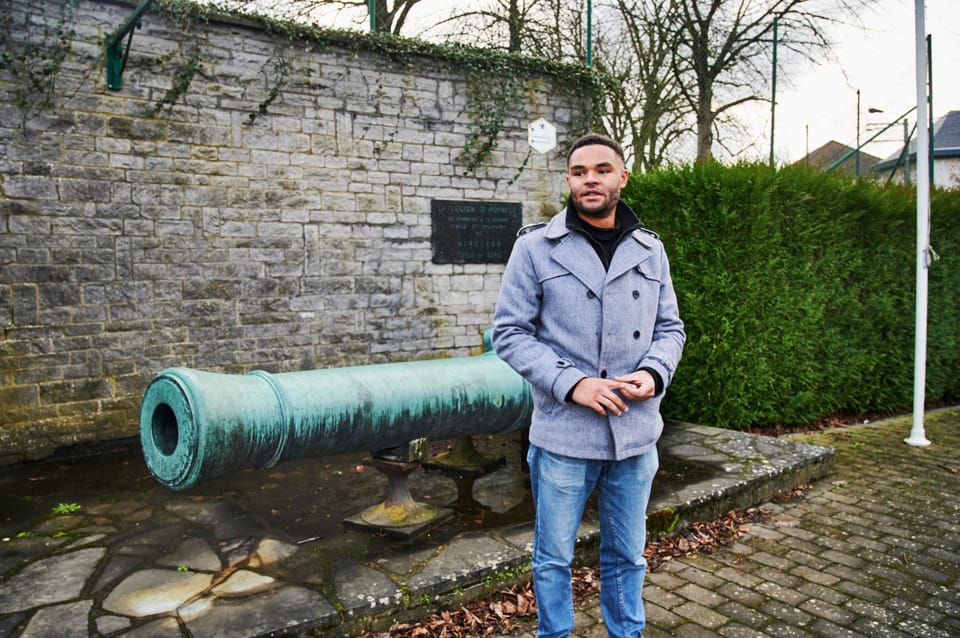
Next comes Quatre-Bras for around 30 minutes of guided time. This stop matters because it’s where French and British forces collided—an event that helps explain why the wider campaign didn’t simply unfold as planned after Ligny.
Thirty minutes can sound short, but for this kind of battlefield touring it’s often the sweet spot. You’re not trying to become a cartographer. You’re trying to understand where lines meet, why timing matters, and how a partial success can still create mess later.
If you’re the type who likes to ask questions—good. One guest described how their guide was strong at geography and chronology, and that’s the kind of payoff you’ll want in Quatre-Bras. If your guide is more light-touch, this is where the experience may feel like a quick pass rather than a deep explanation.
Waterloo: the longest stop, where the terrain does the talking
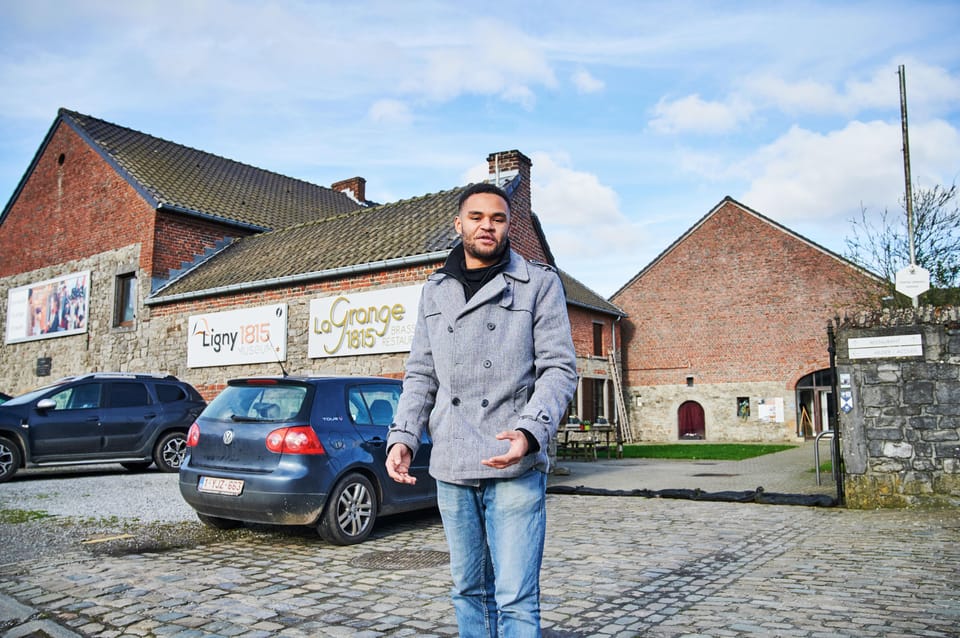
Then you hit Waterloo for about 2 hours and 8 minutes, which is your main event. This is where you’ll walk away with the strongest sense of how the battle unfolded across space, not just across dates.
Waterloo is also where people tend to notice how the guide uses the site. One highlight from feedback was how the guide helped connect topography with the chronology of 18 June 1815, including the fact that earlier weather was shaped by conditions from two months before (the volcano eruption that brought torrential rain). When a guide talks about how wet ground and visibility affect movement, the battlefield stops being a history lesson and becomes a realistic battlefield scenario.
You’ll also spend time around key points such as Hougoumont. One experience notes that the most informative moment was watching the free video at Hougoumont, which is a useful clue for you: if you want extra context, plan to take that in while you’re there instead of rushing past it.
And yes, the site has that famous storyline of why French forces kept pushing at Hougoumont. You may find yourself thinking about it long after you leave, because it’s one of those battlefield choices that feels emotionally obvious but strategically costly.
Lion’s Hill and the Waterloo Memorial: reading the victory from the Dutch side
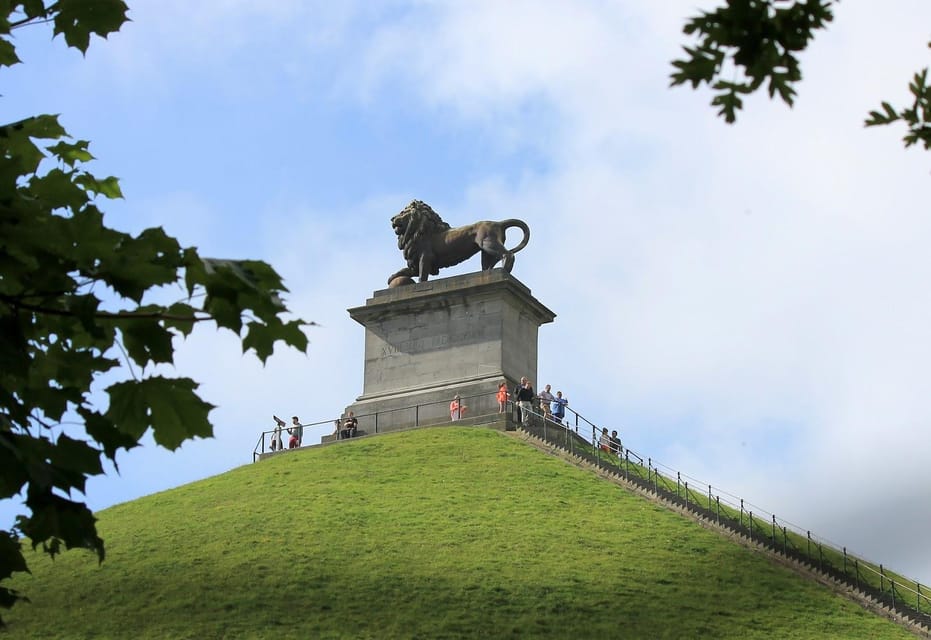
Your final stop is the Lion’s Hill and the Waterloo Memorial area. The tour description frames Lion’s Hill as a site built by the Dutch to celebrate victory, and it also mentions the Dutch prince who was wounded there.
This matters because most visitors arrive with a very Napoleon-centered viewpoint. The Lion’s Hill angle nudges you to look at how the aftermath was interpreted and commemorated. It’s a reminder that battles don’t end when the firing stops; they get shaped by who survived, who wrote the story, and who built the monuments.
In a practical sense, this is also a good closer. You’ve already walked the main battlefield. Now you’re stepping into a memorial landscape that helps you understand what people wanted future generations to remember.
The guide: where your experience can swing
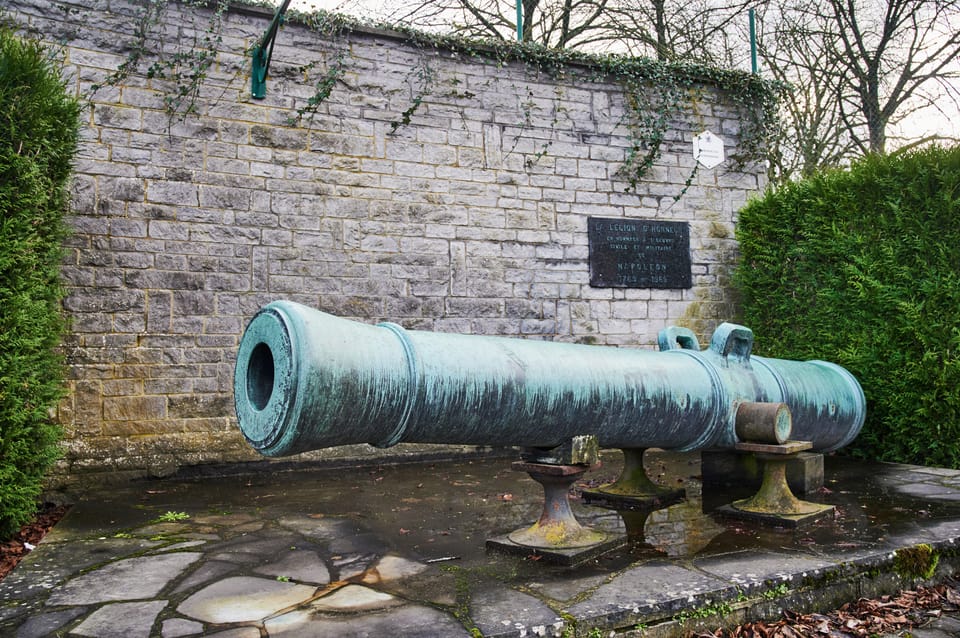
For me, the guide is the difference between Waterloo feeling like a strong lecture and Waterloo feeling like a fast walk with facts sprinkled in. This tour is built around a live guide in French or English, and feedback suggests the best tours are the ones where the guide keeps tying geography, timing, and choices together.
One tour had Jeremie as the guide and received strong praise for explaining the campaign clearly and for guiding guests to the right venues so they could understand the full sweep. Another guide mentioned by name was Eric, praised for making topography and chronology feel connected, not memorized.
At the same time, at least one person felt disappointed: brief stops at the listed places with little explanation, and a sense that the guide’s knowledge of Waterloo was too superficial for the price. That’s the risk you’re buying against—some departures will click hard, while others may feel too light.
If you care about depth, you can take control of your side of the equation. Bring a few questions about timing and decision points. Ask where the battle lines shifted and why. When the guide is strong, those questions get great answers.
Timing and lunch: a 6-hour day with one human variable
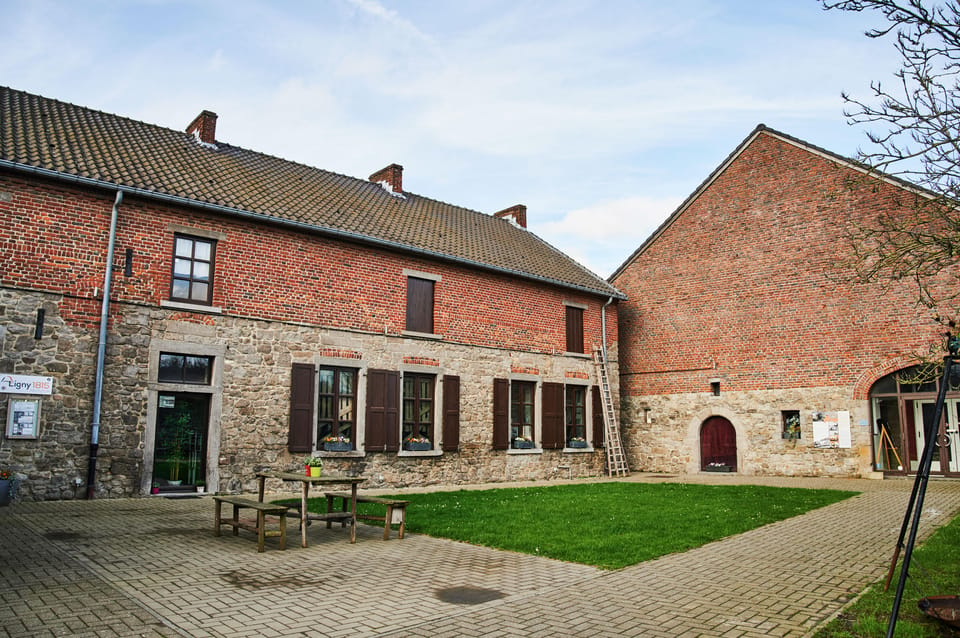
This is a 6-hour outing with pickup in Brussels and drop-off back at your accommodation area. The schedule is tight enough that you’ll likely follow the day’s rhythm without much slack, which is good if you like a guided structure.
Lunch is built in as a 1-hour stop at a local restaurant, and it’s explicitly not included in the price. That’s actually a plus for many people, because you can choose what to eat and how much you want to spend.
Still, one review pointed out a real-world downside: their first lunch option was full, and they had to find an alternative. That’s not the end of the world, but it’s exactly the kind of variable that can make a guided day feel shorter than it is. If you’re sensitive to timing, plan to eat a solid breakfast before pickup and keep water handy.
Also, if you need a restroom, don’t wait until you’re desperate. One person mentioned they had to request a break earlier than expected. You’ll enjoy the battle walking more if you handle these small needs early.
Private transportation and souvenirs: what’s included, and why it matters
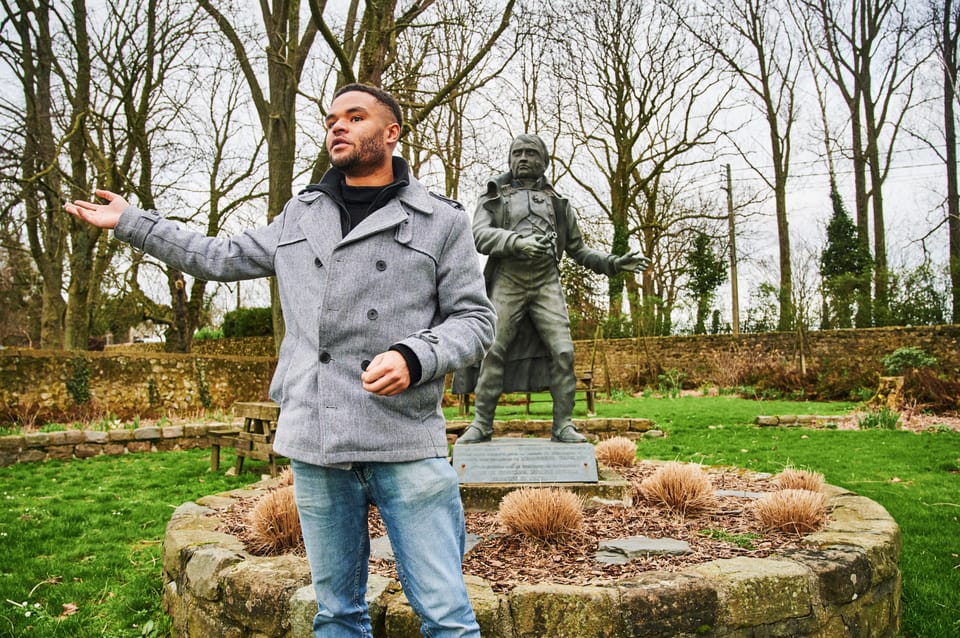
The price includes private transportation, a private guide, drinks, and a souvenir. You’re also getting that hotel pickup in Brussels (and nearby areas), which is a big deal for this region. Battlefield tours are scattered, and public transit isn’t designed for short guided stops.
In other words, you’re paying not just for narration, but for the logistics to make the whole day feasible. That’s why value here isn’t only about how many minutes you spend at each site. It’s about how much effort you save, and how smoothly the stops happen.
The souvenir inclusion is a small touch, but it’s one less decision later. The drinks inclusion is also practical, especially in summer when you can feel the heat during transfers and waiting.
Price and value: $764 per person is high—here’s what you’re paying for
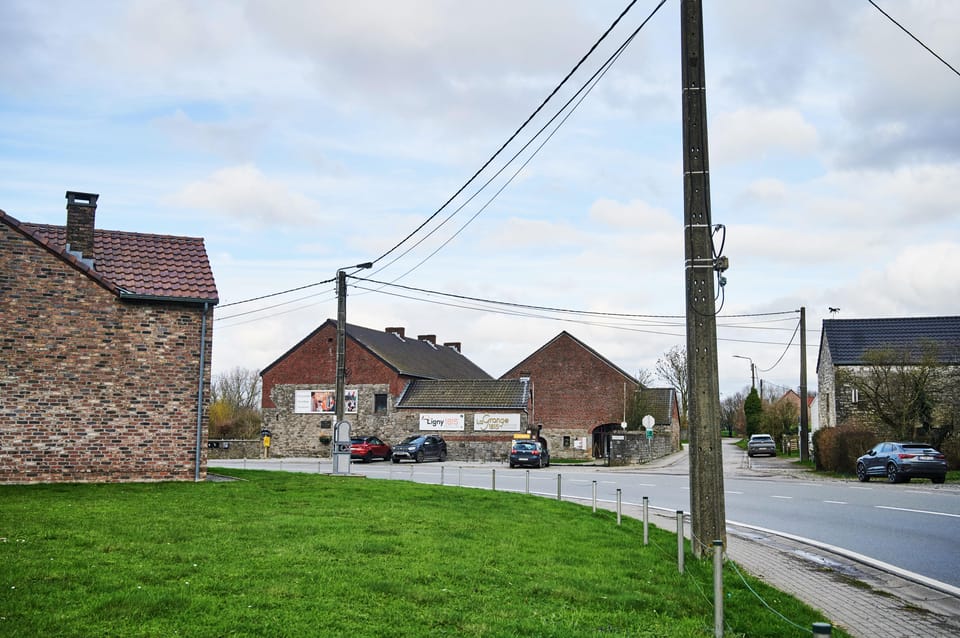
At $764 per person for a 6-hour private tour, this isn’t a budget day trip. The honest question is whether the experience justifies that cost.
Here’s what’s working in the tour’s favor:
- Private transport + pickup/drop-off from your Brussels lodging area
- Private guide time across three major battlefield zones plus the Waterloo memorial area
- Site-based guidance at Ligny, Quatre-Bras, and a longer Waterloo stop
- Drinks and a souvenir included, plus fees covered
And here’s the price risk:
- If the guidance feels too brief or the explanation doesn’t match your expectations, the value perception drops fast. Waterloo is famous enough that many visitors assume they’ll get more interpretation than a quick walk.
So my advice is simple: treat this as a premium “campaign overview with expert steering,” not as a guaranteed hour-by-hour lecture. If you want maximum detail, consider bringing a topic you want clarified—then you can get real value from the guide’s attention.
Who this tour fits best (and who might want something else)
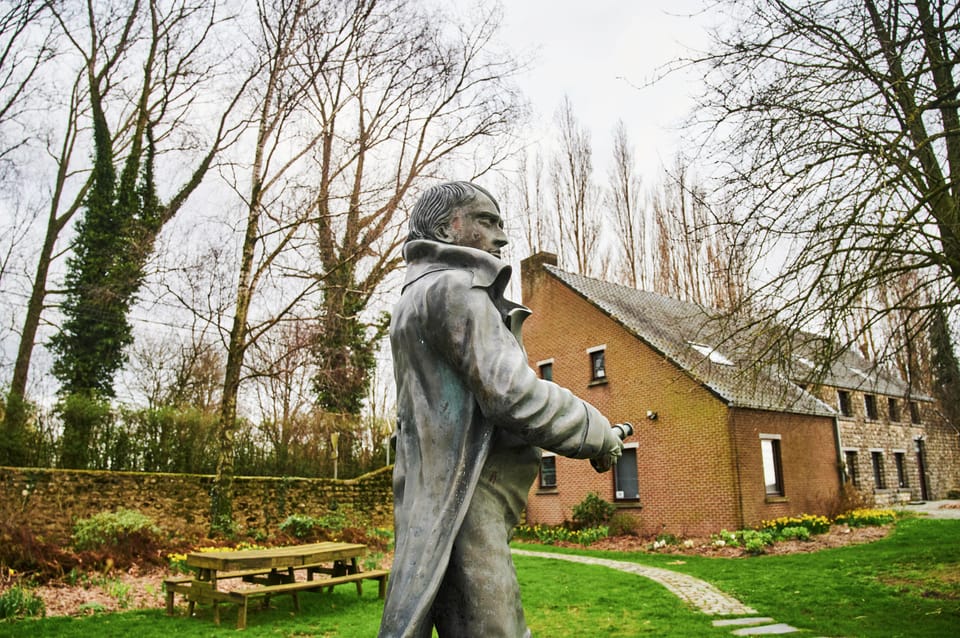
This is a great match if you:
- want one organized day connecting Ligny → Quatre-Bras → Waterloo into a campaign story
- prefer a private setup with pickup and drop-off handled
- like asking questions about how terrain and timing shape outcomes
It might feel less ideal if you:
- want a very deep, highly technical battlefield breakdown at every step
- need extra free time for meals or unscheduled pauses
- expect the guide to cover every nuance without any pacing limits
Given the mixed feedback, your best move is to go in clear about what you’re buying: a structured, guided overview with transportation convenience and a memorial finish.
Should you book Napoleon’s Last Campaign in Belgium?
If your priority is a smooth, private, campaign-style battlefield day that starts in Brussels and ends on Lion’s Hill, I think this tour is worth strong consideration. The combination of private guide + private transport + the three key sites is exactly how to get the storyline to make sense without wasting time planning.
I’d still recommend booking with eyes open. One experience felt rushed and light on explanation, so if you know you’re picky about interpretation, message with a question in advance about how the guide handles Waterloo’s key areas like Hougoumont and how they structure your guided commentary.
If the guide aspect lands for you, this is the kind of day you remember as more than famous names. You walk away with a campaign timeline that feels grounded in real ground.
FAQ
How long is the tour from Brussels?
The tour duration is 6 hours.
Where does the tour start and end?
It starts with pickup from Brussels (and surrounding areas) and ends with drop-off back at your hotel in Brussels or nearby.
Which sites will we visit?
You’ll visit Ligny, Quatre-Bras, Waterloo, and then finish at the Lion’s Hill and Waterloo Memorial area.
How much guided time is there at each stop?
Ligny includes about 45 minutes of guided time, Quatre-Bras about 30 minutes, and Waterloo about 2 hours and 8 minutes. There is also a 1-hour lunch stop.
Is lunch included in the price?
Lunch is not included. The tour includes a stop at a local restaurant, but food costs are on you.
What language is the live guide available in?
The live guide is available in French and English.
Is this a private group tour?
Yes, it’s listed as a private group.
What’s included besides the guide?
Included items are private transportation, tours of the battlefields, drinks, and a souvenir (and fees).
What should I bring?
Wear comfortable shoes and bring weather-appropriate clothing.
What’s the cancellation policy?
You can cancel up to 24 hours in advance for a full refund, and there’s also a reserve now & pay later option.