REVIEW · CHOCO STORY BRUSSELS
Brussels: 2.5-Hour Chocolate Museum Visit with Workshop
Book on GetYourGuide →Operated by Choco-Story Brussels · Bookable on GetYourGuide
Chocolate becomes hands-on at Choco-Story Brussels. In about 2.5 hours, you’ll craft personalized bars and lollies and then tour the museum with an audio guide, mixing hands-on fun with cocoa history. One heads-up: it’s not recommended for people with limited mobility, and the museum component is self-guided rather than a live guided tour.
I especially like that this is a small-group setup (limited to 10), so the chocolatier can actually help as you work. You also get multiple tastes plus a praline demonstration, which turns the experience from craft time into a real chocolate education.
For roughly $51 per person, it can feel like a splurge—until you notice what’s included: entrance, tastings, the workshop, and the audio guide. If you’re hoping for a slow, deeply explained sit-down class, this is more of an active, take-home style experience.
In This Review
- Quick hits before you go
- Choco-Story Brussels Workshop: where your chocolate gets personal
- Creating your own chocolate tablets, lollies, and designs
- Piping-bag technique and pro tips you can actually use
- Tastings and praline demo: turning craft time into real cocoa knowledge
- Choco-Story museum with an audio guide (5,000 years in bite-sized stops)
- What you take home (and why it changes the value)
- Group size, languages, and how long the day really takes
- Price and value: is $51 per person worth it?
- Who should book this chocolate workshop in Brussels
- Should you book this Choco-Story Brussels workshop?
- FAQ
- How long is the Choco-Story Brussels workshop and museum visit?
- Where does the activity start and end?
- What’s included in the price?
- What languages are available during the experience?
- Is there an optional VR add-on?
- Is this suitable for people with mobility impairments?
Quick hits before you go
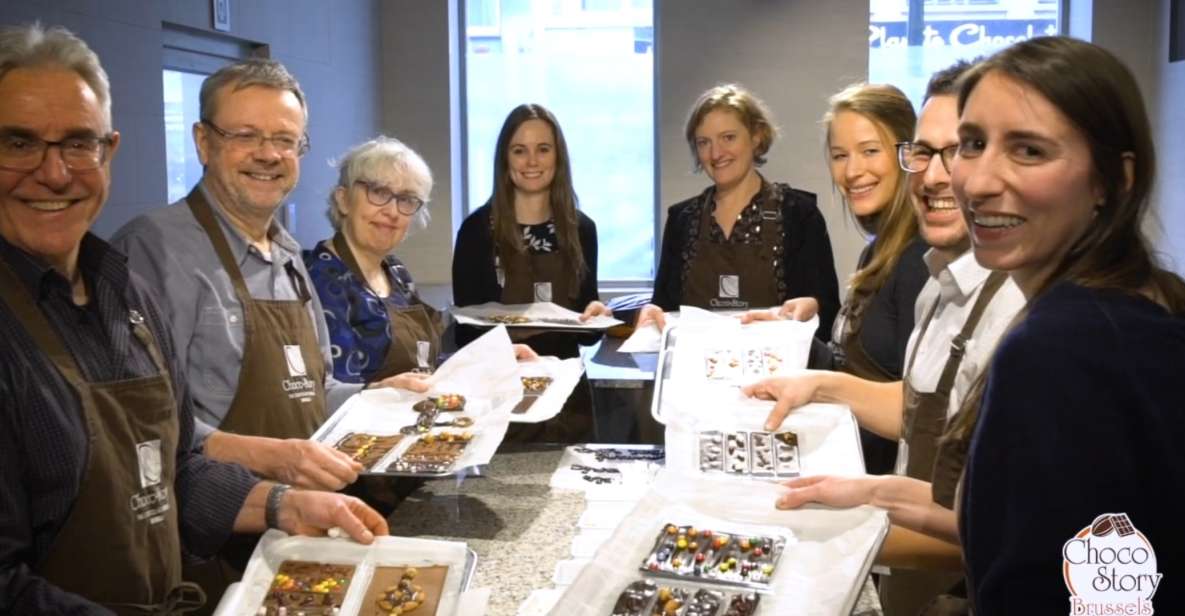
- Small group, up to 10 participants for more attention during the chocolate workshop
- Create chocolate tablets plus lollies and chocolate drawings with different toppings
- Praline demonstration and tastings that connect your creations to how pros do it
- Choco-Story museum with an audio guide across multiple languages
- Audio-guided museum stops, including interactive moments and a film option you can add for €5
Choco-Story Brussels Workshop: where your chocolate gets personal
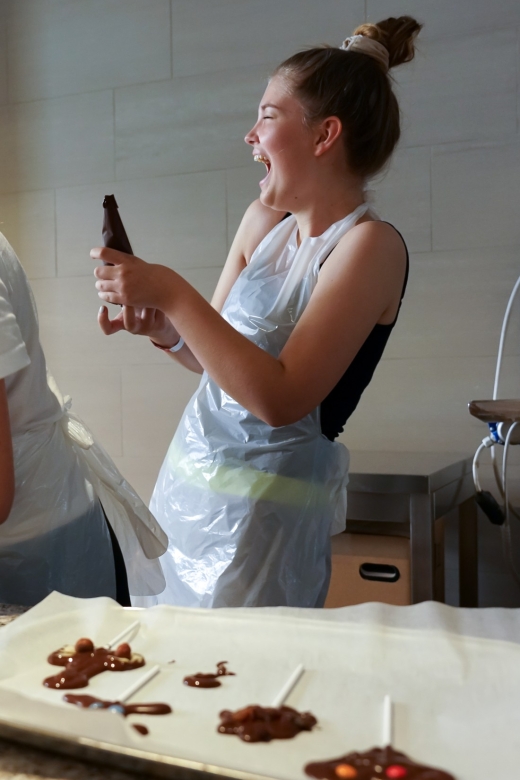
This is one of those Brussels activities that doesn’t just show you chocolate—it gets you making it. The experience starts at Choco-Story Brussels (Rue de l’Etuve 41), and it’s designed to fit into a normal day without turning into an all-day event.
The heart of it is a hands-on workshop led by a professional chocolatier. You’ll be creating your own chocolate tablets and other chocolate treats, using tools and techniques you don’t usually get to try on your own.
What makes the setting work is the structure: you get instruction, you get time to create, then you shift gears into the museum portion. It’s a smart flow because the history makes more sense once you’ve handled chocolate yourself.
Creating your own chocolate tablets, lollies, and designs
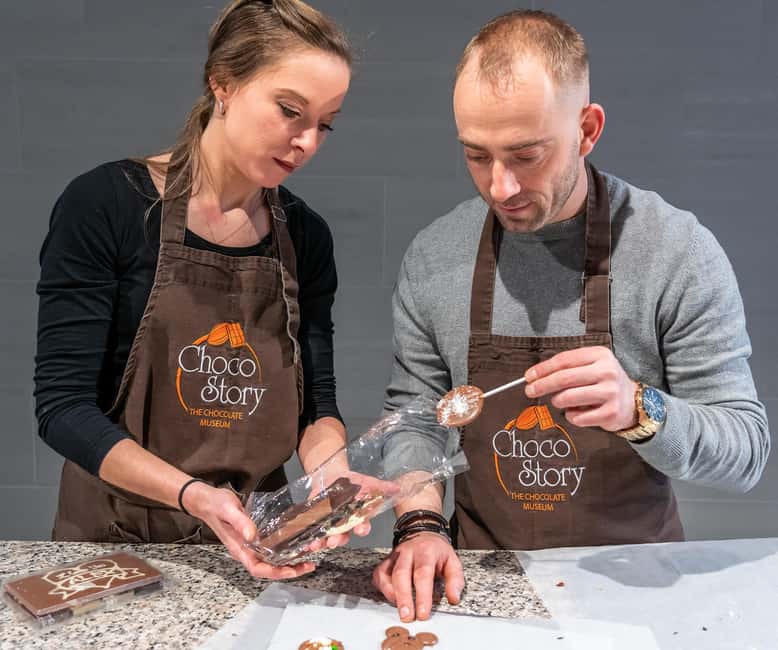
Expect the workshop to feel like a guided kitchen session rather than a demo followed by waiting. You’ll learn how to use a piping bag, and that skill matters because a lot of the creativity comes down to neat lines, topping placement, and controlled flow.
Depending on what the workshop has you doing that day, you can make chocolate tablets and also go beyond the basics with lollies and chocolate drawings. Several people also talk about customizing with different toppings—so you’re not just stamping out identical pieces.
A nice detail is how the workshop moves from structured bars to more freestyle creations. That means you get a foundation first, then you can experiment a bit with what you want to make. One person even mentioned learning how to write their name in chocolate, which is exactly the kind of small challenge that makes the session memorable.
One practical consideration: the workshop is active, so plan for it to be hands-on and a little hands-messy. Also, the time is finite—so if you have a long list of chocolate ideas, prioritize what you care about most for your take-home creations.
Piping-bag technique and pro tips you can actually use
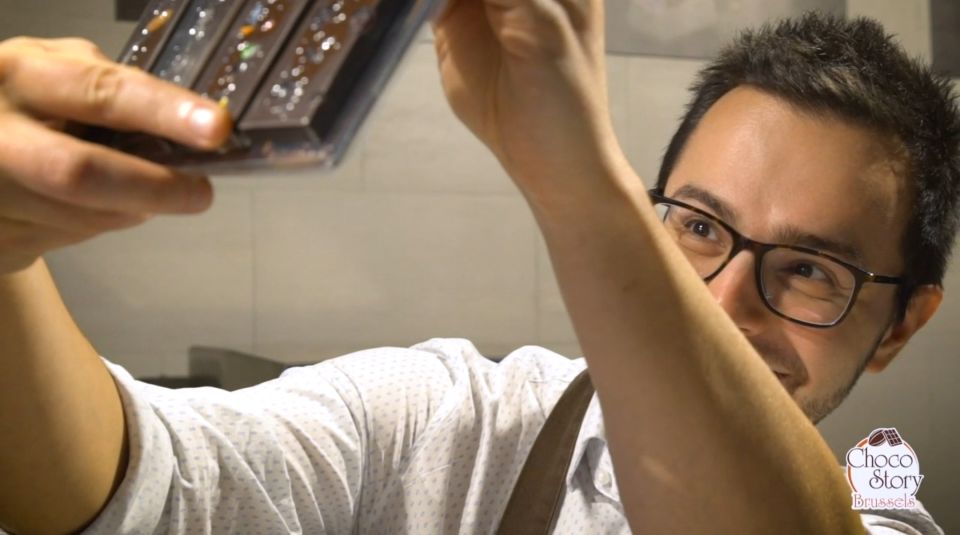
Even if you’ve never worked with chocolate before, the chocolatier’s job here is to get you from beginner to confident enough to make multiple items. The piping-bag guidance is central, because it’s what turns chocolate into something you can shape on purpose.
You’ll be shown how to handle the process step by step, with advice as you go. People describe clear instructions and being helped if they need it, including sessions run by instructors such as Mario or Louise (names you may see associated with the workshop leadership).
Why this matters for you: chocolate making sounds simple until you’re holding the piping bag. Having someone there to correct your technique means your chocolates look better and you spend less time frustrated and more time creating.
Tastings and praline demo: turning craft time into real cocoa knowledge
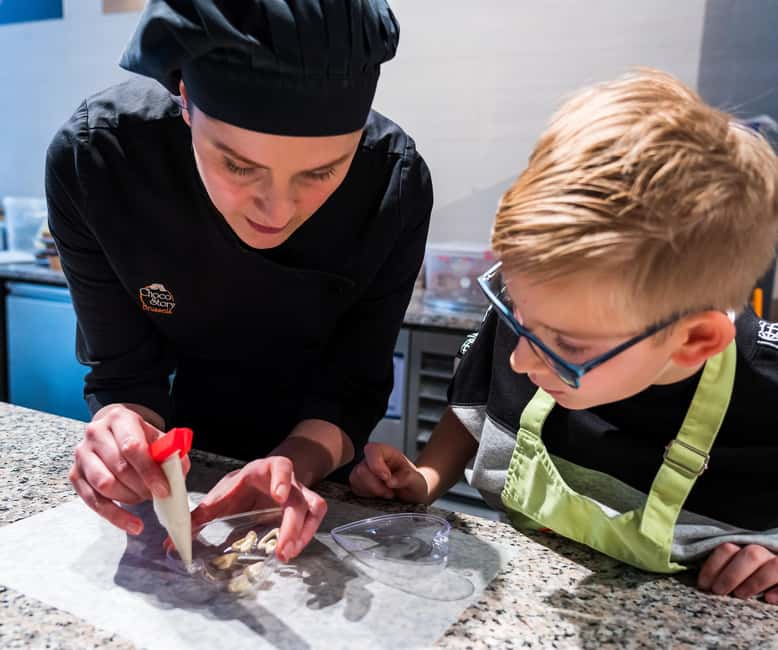
The workshop isn’t only about production. It also includes chocolate tastings and a praline demonstration, so you’re not leaving with only sugar—you’re leaving with context.
You’ll taste several types of chocolate, which is a great way to notice differences you might otherwise miss. It also helps when you’re eating Belgian chocolate later, because you’ll start thinking in terms of cocoa, texture, and flavor style instead of just sweetness.
Then there’s the praline demonstration, which connects to what the museum teaches afterward. This helps you see the bridge between modern chocolate making and the long journey of cocoa.
From a value standpoint, tastings and demonstrations are doing heavy lifting. They make the price feel more justified because you’re getting guided food experiences, not just a single craft activity.
Choco-Story museum with an audio guide (5,000 years in bite-sized stops)
After you finish the workshop, you head into the Choco-Story Brussels museum. This part is set up around an audio guide, so you’ll explore at your own pace using devices that explain what you’re looking at.
The museum focuses on cocoa and chocolate history, including over 5,000 years of the story of cocoa and chocolate. You’ll also learn about Brown Gold—the nickname used for cocoa—and you’ll see interactive elements along the way.
What I like about the audio-guide format is that it keeps the museum feeling active without needing everyone to move at the pace of a single guide. In practice, it also means you can pause, linger, and come back to a stop when you want more detail.
If you’re the type who likes to read little bits and then move on, this works well. If you need a live lecturer to keep you focused, you may find you want more speaking time than the audio provides.
There’s also an optional virtual reality film you can book for €5 at the cash register. If VR is your thing, it’s an easy add-on. If it’s not, you can skip it and still get plenty from the exhibits and audio sections.
What you take home (and why it changes the value)
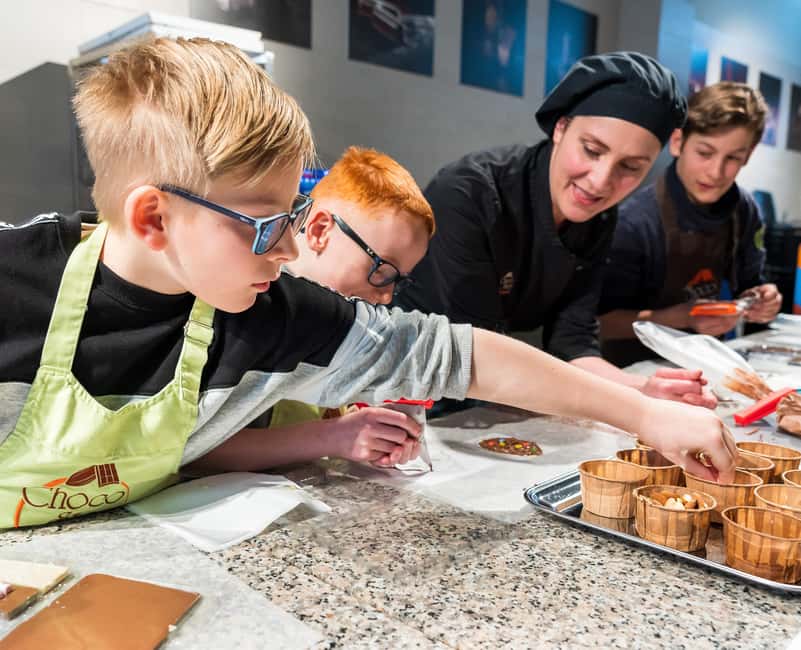
One of the most satisfying parts of this experience is that you’re not just learning—you’re making. Many people describe leaving with the chocolates they created, including bars and other pieces they personalized.
That take-home element is the difference between a typical museum ticket and an experience with longer value. You can enjoy your chocolates later, and you’ll remember the technique and the flavor comparisons from the tastings.
Just keep expectations practical: workshop time is limited, so you may not produce an enormous box of chocolate. Still, the goal is for you to create multiple items in a short session, and the workshop format is built around that.
If you’re traveling with kids, this is also a huge win because the experience feels like a souvenir that’s edible. And if you’re traveling as a couple or solo, it’s a fun, not-too-serious way to do something creative together.
Group size, languages, and how long the day really takes
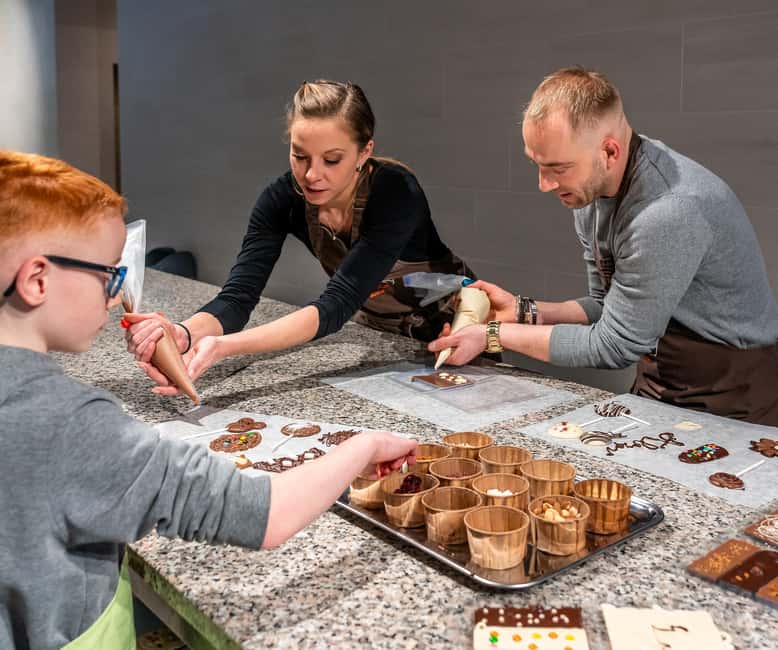
The experience runs for 2.5 hours total, and you’ll want to check availability for starting times. It’s also limited to 10 participants, which helps keep the workshop smooth and gives you a better chance to get help when your piping bag starts doing something unexpected.
Instruction languages are English, Dutch, and French, which is helpful if you’re in Brussels and want an easy communication path. The audio guide is available in French, English, Dutch, German, Italian, Spanish, Russian, and Chinese—so you should be covered even if your party includes different languages.
A common theme in the experience is that you’re not rushed through the making stage. People describe having enough time to create bars and then do freestyle pieces, which makes it feel worth it rather than checkbox-style.
One more timing note: the museum portion can feel quick if you’re juggling other plans. That’s not a problem if you like concise museum visits, but if you’re hoping for an extended, slow walk, plan extra time elsewhere in the museum or add another day in the building.
Price and value: is $51 per person worth it?
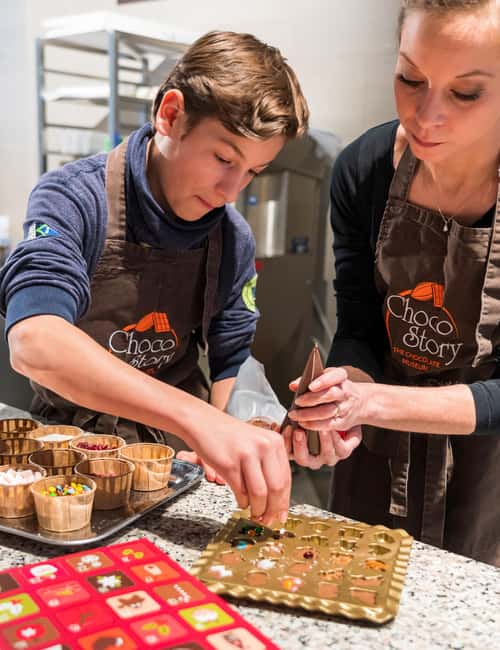
At $51 per person, this is a paid workshop plus museum entry, not a low-cost activity. So the real question is whether the included parts justify the price.
In your package you get:
- Chocolate making workshop
- Chocolate tastings
- Praline demonstration
- Choco-Story museum entrance
- Audio guide
That combo matters. You’re paying for an instructor-led craft experience (the part most people can’t replicate at home easily), plus multiple food moments, plus admission to a museum that explains cocoa and chocolate history over thousands of years.
If you’re someone who likes hands-on food activities, this tends to feel like good value because you’re getting a tangible outcome and guided learning. If you’re strictly a museum-only person, you might find the workshop component is the reason the price is higher.
Who should book this chocolate workshop in Brussels
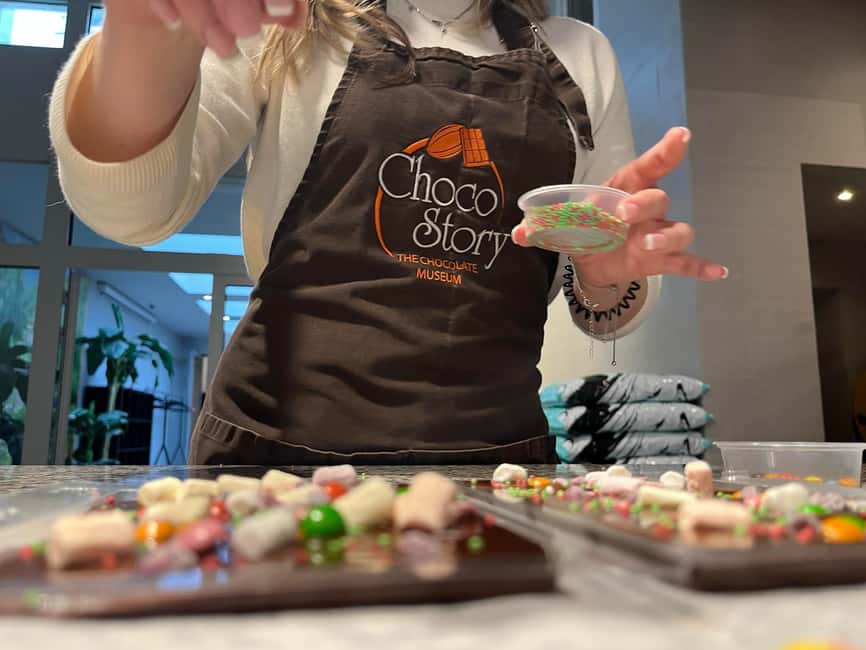
This is a strong fit if you want:
- A hands-on chocolate activity that results in personalized treats
- Clear instruction and creative freedom (especially with toppings and designs)
- A museum visit that explains cocoa history with minimal waiting
- A small-group experience where help is available
It’s also ideal for families with kids aged 7 and up, since the workshop runs for adults and children from that age. In practice, it’s friendly for mixed groups: adults get the technique and tastings, while kids get the fun of shaping and decorating.
I’d think twice if:
- You have limited mobility (it’s not recommended)
- You want a fully guided, live tour through the museum (the museum uses an audio guide)
- You dislike short, structured workshop sessions where you have to choose what to make
Should you book this Choco-Story Brussels workshop?
Yes, if you want a chocolate activity that’s more than watching. The sweet spot is when you’re excited to make your own personalized bars and lollies, then use the museum audio guide to connect what you made to the longer story of cocoa.
If you’re budget-sensitive, $51 might feel steep at first glance, but the included tastings, praline demonstration, and workshop time are what make it feel fair. The small-group limit also helps the workshop feel functional rather than chaotic.
If you’re booking for a family, it’s one of the easier “everyone wins” picks in Brussels: kids get creative and take treats home, and adults get both education and tasting.
FAQ
How long is the Choco-Story Brussels workshop and museum visit?
The total duration is 2.5 hours.
Where does the activity start and end?
The meeting point is Choco-Story Brussels, Rue de l’Etuve 41. The activity ends back at the same meeting point.
What’s included in the price?
The package includes the entrance fee, audio guide, chocolate tastings, a praline demonstration, and the chocolate making workshop.
What languages are available during the experience?
The instructor can work in English, Dutch, and French. The audio guide is available in French, English, Dutch, German, Italian, Spanish, Russian, and Chinese.
Is there an optional VR add-on?
Yes. A virtual reality film can be booked for €5 at the cash register.
Is this suitable for people with mobility impairments?
It is not recommended for people with limited mobility.