REVIEW · BRUSSELS
Brussels: 48 Museums, Atomium, and Discounts Card
Book on GetYourGuide →Operated by Brussels Museums · Bookable on GetYourGuide
Museum passes can be a headache.
This one turns Brussels into a choose-your-own route, with skip-the-line Atomium entry and access to 49 museums for 24, 48, or 72 hours once you start using it. I love the simple payoff: scan in once, and you’re set for the whole window. I also like that you get a full-color pocket guidebook (English, French, Dutch) plus a city and museum map so you’re not hunting around for basics. One drawback to consider: if you only plan a couple of museum stops, the savings may feel less worth it than if you’re doing a museum-heavy visit.
Here’s what makes it genuinely practical. Your Brussels Card is activated when you scan it for the first time in a museum or at the Atomium, and from that moment it runs for your selected duration. There’s no need to book in advance, which matters in a city where opening hours and special exhibitions can be unpredictable.
The card is also broad in what it covers, from major art stops like the Royal Museums of Fine Arts of Belgium and Magritte-focused collections to hands-on quirky options like Choco-Story and the Belgian Comic Strip Center. If you’re the type who likes structure but also wants flexibility—this is built for you. If you prefer one-or-two anchored sights and then wandering only, you might still enjoy it, but you’ll want to do the math against your own plans.
In This Review
- Key Things I’d Pay Attention To
- How the Brussels Card Works (and why start time is everything)
- Atomium: the big icon, plus skip-the-line value
- 49 Museums You Can Mix Like a Playlist
- Art and the big-name classics
- Comics, chocolate, and playful Brussels culture
- Science, nature, and the odd museums people love
- Instruments, military, design, and off-the-beaten-path topics
- Thematic art and contemporary spaces
- A Smart Way to Plan Your 1–3 Days Without Stress
- Option A: 1-day sprint (best for quick trips)
- Option B: 2-day balance (most common sweet spot)
- Option C: 3-day collector mode (best value if you love museums)
- Discounts Beyond Museums: where the card keeps paying
- Attractions you can add on
- Guided tours (if you want a human guide)
- Small transport perks
- Food and shopping discounts
- Price and Value: is $60 worth it for you?
- Getting Your Card and Starting It Right
- Who This Card Suits Best
- Should You Book This Brussels Museums and Atomium Card?
- FAQ
- How long is the Brussels Card valid?
- When does the card become active?
- Do I need to book museums or the Atomium in advance?
- Where do I exchange my voucher?
- Does the card include public transport?
- Is the Atomium included with a skip-the-line ticket?
- Are there any access rules for the Atomium?
Key Things I’d Pay Attention To
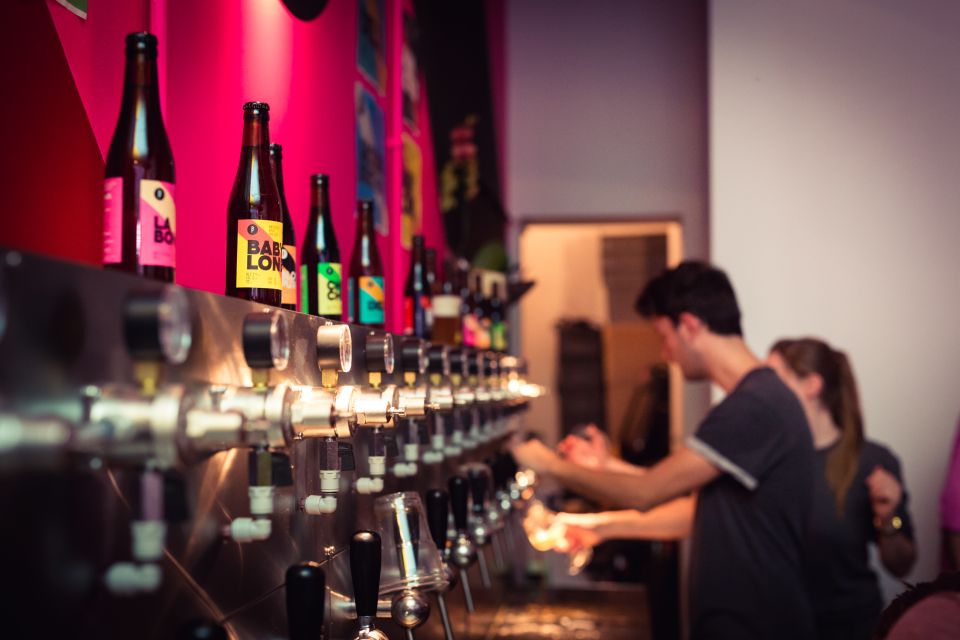
- Atomium skip-the-line counts as part of your first scan, so you control the start time.
- 49 museums lets you mix big-name institutions with smaller, themed spots without overplanning.
- A pocket guidebook + map helps you move fast, especially when museums cluster in different areas.
- No advance booking required for card access, so last-minute changes don’t derail your day.
- Extra discounts extend beyond museums into food, shopping, tours, and even a couple of electric micromobility perks.
- Monday closures can happen for museums other than the Atomium, so plan your light-days around that.
How the Brussels Card Works (and why start time is everything)
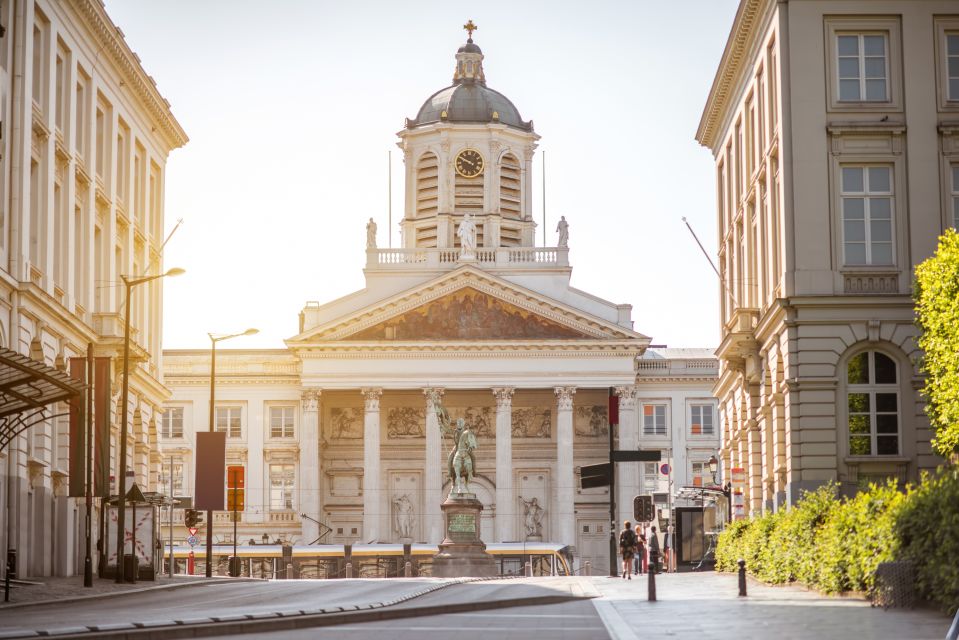
Think of the Brussels Card as a timer plus a pass. You pick a validity length—24, 48, or 72 hours—and your card begins the moment you scan it for the first time in a participating venue. That scan can happen at a museum, or at the Atomium.
This is a smart design because it protects your schedule. If your arrival day is mostly travel, you can hold off on scanning until you’re ready to commit to the museum pace. If you know you’ll hit the Atomium right away for the views, scanning there can be a clean way to lock in your “day one.”
Two practical tips:
- Decide what your first scan will be before you get busy. Museums move fast; you don’t want to burn your 24 hours by accident.
- Plan for a museum-day rhythm. Even with unlimited entry across venues, you’ll still want breaks for lunch, coffee, and the occasional stop that’s more snack than museum.
Also note what’s not included: public transport access is not part of the card. You’ll still use transit like normal (or walk), so build that into your day.
You can also read our reviews of more museum experiences in Brussels


Atomium: the big icon, plus skip-the-line value
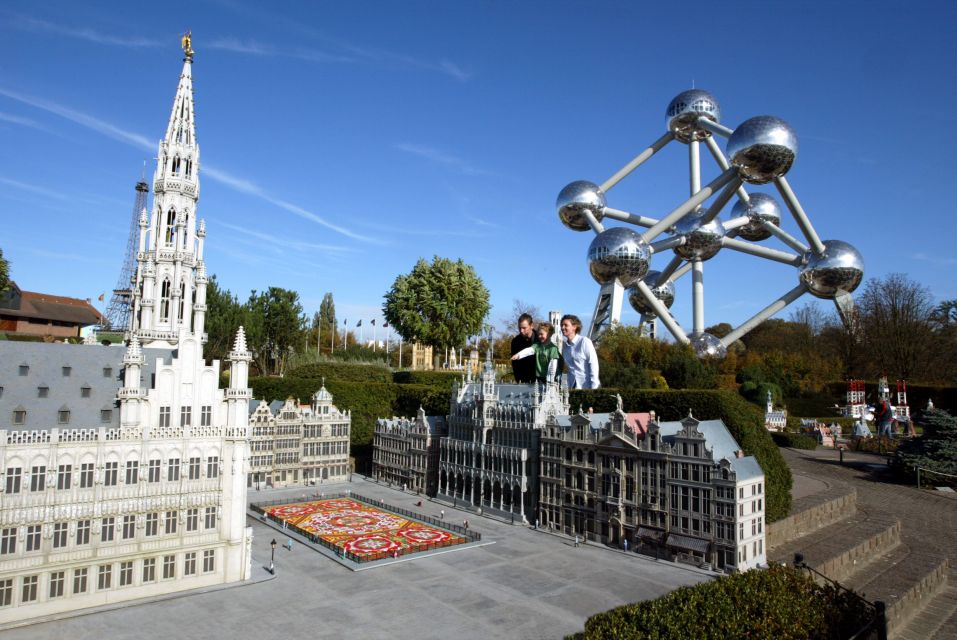
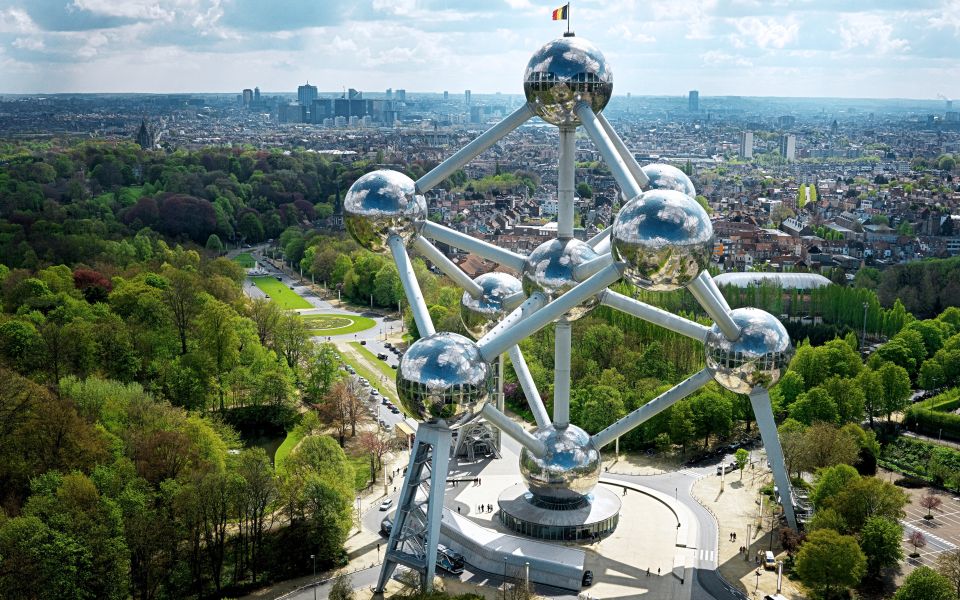
The Atomium is Brussels’ symbol, and the card includes a skip-the-line ticket. That’s a big deal here because it’s one of the sights people flock to early and often. The card’s design means you don’t have to spend your limited time waiting in a queue before going up for the panoramic views.
What you should expect:
- The Atomium is physically demanding compared to a flat museum floor plan. If you have mobility concerns, it’s worth planning your visit with care.
- It’s open every day. That matters for trip planning, especially if you hit Brussels across a Monday.
Ticketing rules matter if you’re traveling with kids or someone with reduced mobility. The Atomium notes:
- People with reduced physical mobility and/or under 115 cm can purchase an infant ticket (free of charge).
- Persons taller than 115 cm but younger than 17 buy a child ticket.
- People older than 64 can purchase a senior ticket.
If you’re trying to get value from this pass, the Atomium is usually the anchor. Even if you’re picky about museums, you’re likely to want at least one iconic viewpoint—and this makes that viewpoint easier to fit.
49 Museums You Can Mix Like a Playlist
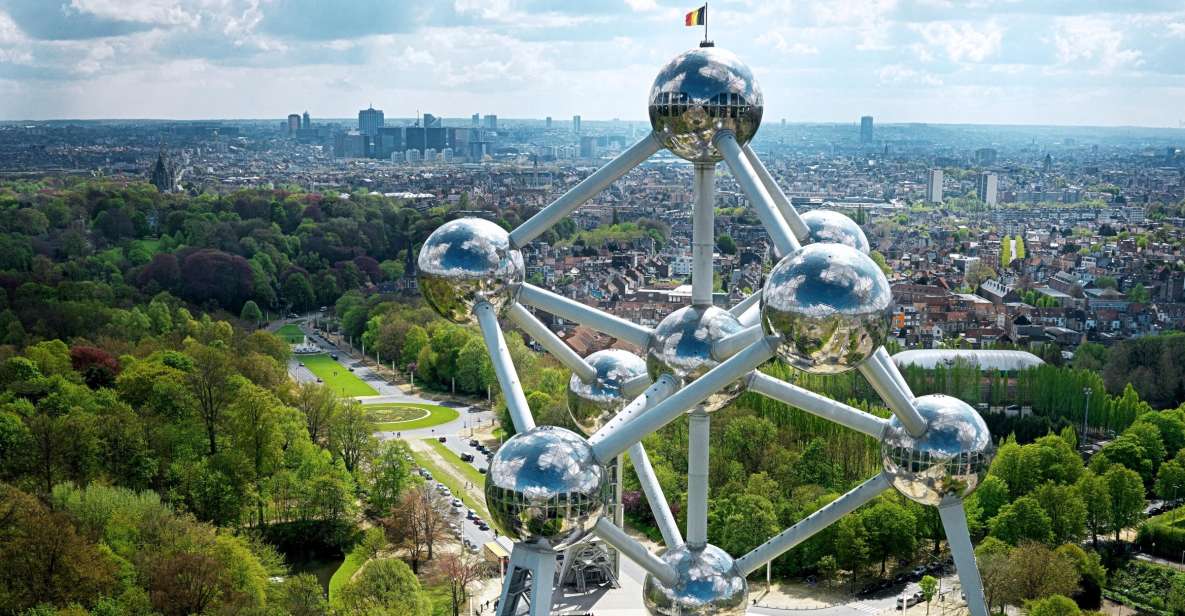
The card grants access to 49 museums, which is huge—but the real value is how flexible it makes your choices. You’re not forced into one route. You can build days around themes, locations, or your personal taste.
Here are some of the standout categories and what they tend to feel like.
Art and the big-name classics
If you like art that’s easy to understand in public spaces, start with the Royal Museums of Fine Arts of Belgium, including the Old Masters Museum and the Magritte Museum focus. This is the kind of stop that helps you get oriented in Brussels’ art story fast: you’ll see major works alongside the surreal, Belgian take on modern thinking.
Add BOZAR (Centre for Fine Arts) and you get another heavyweight venue for exhibitions. If you like walking into a building that feels like it matters, these will do the job.
Practical drawback: big art stops can be time-consuming. If you schedule too many, you’ll rush at the end. I’d aim for fewer, longer museum blocks rather than cramming five in one day.
Comics, chocolate, and playful Brussels culture
Brussels does “serious” and “fun.” The Belgian Comic Strip Center is where you’ll feel that second side: comics as design, storytelling, and culture—not just entertainment. Choco-Story Brussels is similarly themed around chocolate. If you want something lighter after a dense art session, these are great resets.
Then there’s the Belgian Chocolate Village and other food-ish stops listed in the card coverage. You’ll get more chances to treat yourself than with a typical city museum pass.
Small consideration: these themed museums can run shorter on average than major art museums, so you can accidentally end up with “too much time” between stops. That’s not bad—it’s just a planning signal to add a second nearby museum or take a longer lunch.




Science, nature, and the odd museums people love
For a break from paintings, Museum of Natural Sciences is included. If you like galleries where you can see and compare specimens, it’s a strong change of pace.
The card also includes hands-on and quirky options like the Sewer Museum and the Museum of Medicine. These are the kinds of places that tend to give you stories you’ll remember on the walk back to your hotel.
Practical note: these “odd” museums can be very popular, and they can also have lines outside the pass benefits. The card helps, but you’ll still want to build in time to absorb what you see.
Instruments, military, design, and off-the-beaten-path topics
There are also specialized museums for people who like collecting in a more literal way—musical instruments, design, industry and work, and more. Examples included:
- Musical Instruments Museum
- Museum of Medicine
- La Fonderie – Brussels Museum of Industry and Work
- Brussels Design Museum
- Autoworld Brussels
- Train World
If you’re traveling with someone who doesn’t want only art museums, this is where the card shines. You can split interests across days without changing the pass.
The only drawback is logistics. These museums may not all be clustered in one tiny pocket. You’ll be walking and choosing wisely, especially if you want to stay efficient rather than hop all over the city.
Thematic art and contemporary spaces
You’ll find contemporary art and related venues listed, like CENTRALE for contemporary art and WIELS. There’s also a range of museums that sit at the intersection of history, identity, and modern culture, like BELvue Museum and Migration Museum Migration.
If your goal is to understand Brussels as a living city (not just monuments), these picks can be more satisfying than another standard “museum day.”
A Smart Way to Plan Your 1–3 Days Without Stress
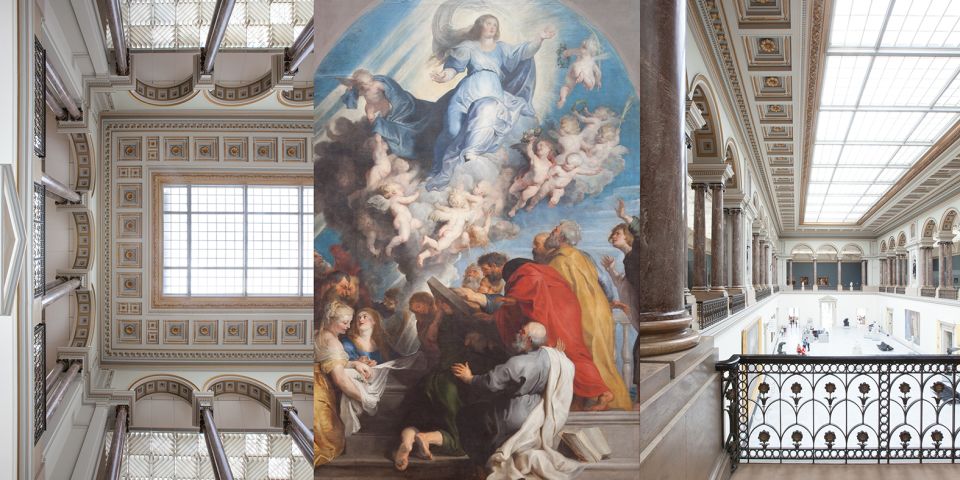
This pass works best when you think in blocks: morning museum, lunch reset, afternoon museum, plus one “outside-the-museum” moment (Atomium viewpoints count).
Here are three practical planning styles you can adapt:
Option A: 1-day sprint (best for quick trips)
In 24 hours, you’ll get your best payoff by choosing:
- Atomium for the views
- One art-heavy museum (Old Masters and Magritte-focused options)
- One smaller thematic museum (comics or chocolate works well)
This style gives you the big icons and a sense of Brussels character without burning out.
Option B: 2-day balance (most common sweet spot)
For 48 hours, you can do two art/science stops plus one culture stop:
- Day 1: major art + a secondary exhibition space (like BOZAR)
- Day 2: science or a specialized museum (Natural Sciences, Instruments, etc.) + comics/chocolate
This avoids rushing and lets you actually look, not just scan labels.
Option C: 3-day collector mode (best value if you love museums)
With 72 hours, you can spread into more niche areas like industry, medicine, migration-related spaces, or design. You can also afford to repeat a style if you find you like it—something a fixed tour itinerary usually won’t allow.
One caution: even though you have lots of museum access, don’t plan your days like a spreadsheet. Brussels is a walking city. Leave room for coffee, pastries, and the sort of wandering you didn’t schedule.
Discounts Beyond Museums: where the card keeps paying
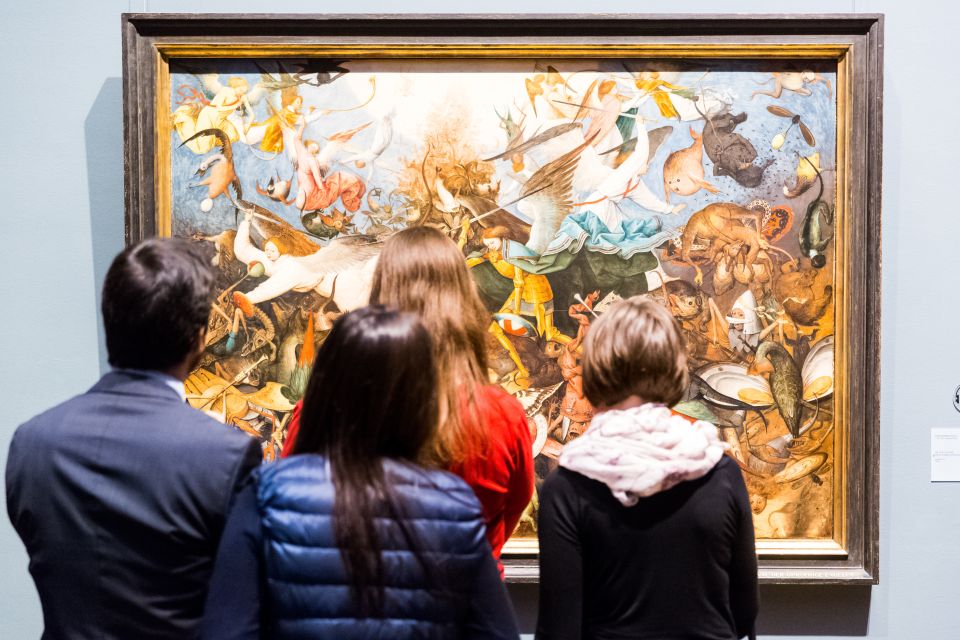
What makes this pass feel more like a “day in the city” than just museum tickets is the extra savings. You’ll find discounts for attractions, guided tours, alternative transport, and select shopping and dining.
Attractions you can add on
The included discount list features:
- Koekelberg Basilica panoramic view
- Mini-Europe, billed as the park that lets you travel across Europe in hours
Even if you don’t buy every add-on, these options are useful when you want an outdoor or viewpoint break between indoor museums.
Guided tours (if you want a human guide)
Discounts apply to a handful of tour styles, including:
- ARAU – Art Nouveau & Art Deco tours
- Hungy Mary’s Beer and Chocolate Tour
- Brussels by Water boat trip
- L-Tour historical LGBTQI+ tours
- City Runs (culture plus jogging)
- Pro Velo bike tours
This doesn’t mean you must join them. But if you decide you’d like context for a neighborhood or theme, having discounts reduces the “should I pay for a guide?” barrier.
Small transport perks
The card includes one ride each for the electric bike Dott and the electric scooter Dott. That’s a neat bonus if you want to connect two museum areas without turning your day into an endless walking test.
Food and shopping discounts
The card lists discounts in specific places, including:
- Brasserie Horta
- Chez Jalou
- Chez Léon
- Les Filles
- Brussels Beer Project
- De Biertempel (beer store)
- Elisabeth (chocolate store)
These are the kinds of discounts that can quietly add up. And because you’ll likely want snacks anyway, it’s easier to use the card’s extras than to chase a single big “shopping day.”
Price and Value: is $60 worth it for you?
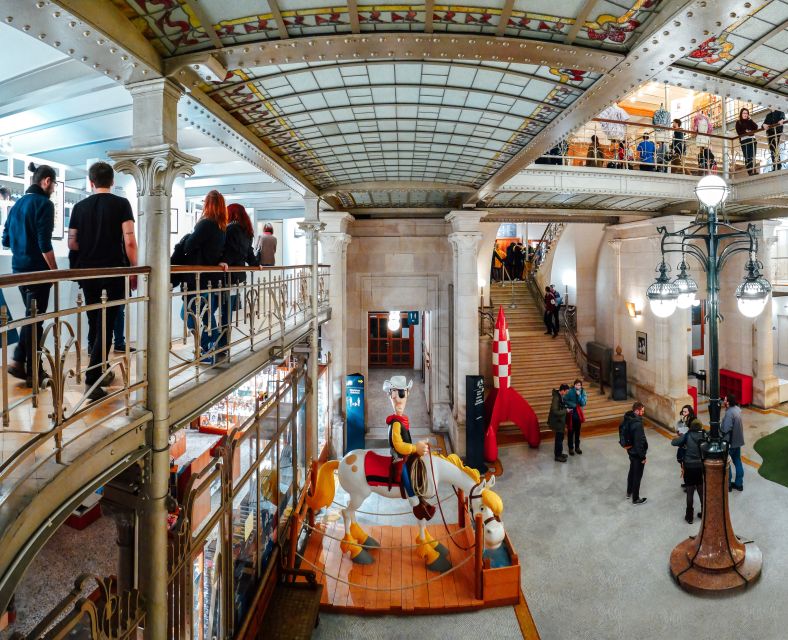
The price shown is $60 per person, and the card claims savings of up to 40% compared to regular admission across included museums.
Here’s how I’d judge value without pretending I know your exact museum pace:
- If you plan to visit several included museums (not just one), the math tends to work better fast because the card bundles many admissions.
- If you only care about Atomium plus one museum, you might find you could do it cheaper with individual tickets. In that case, the pass becomes more about convenience than raw savings.
- If you like mixing museum types—art, comics, science, and quirky museums—the card usually feels worth it because you’re not stuck paying full price for each specialty stop.
Also consider time. Skip-the-line at the Atomium and no-advance-booking entry reduce friction. For many people, “less waiting and less planning” is part of the value, even if the exact percentage savings varies.
Getting Your Card and Starting It Right
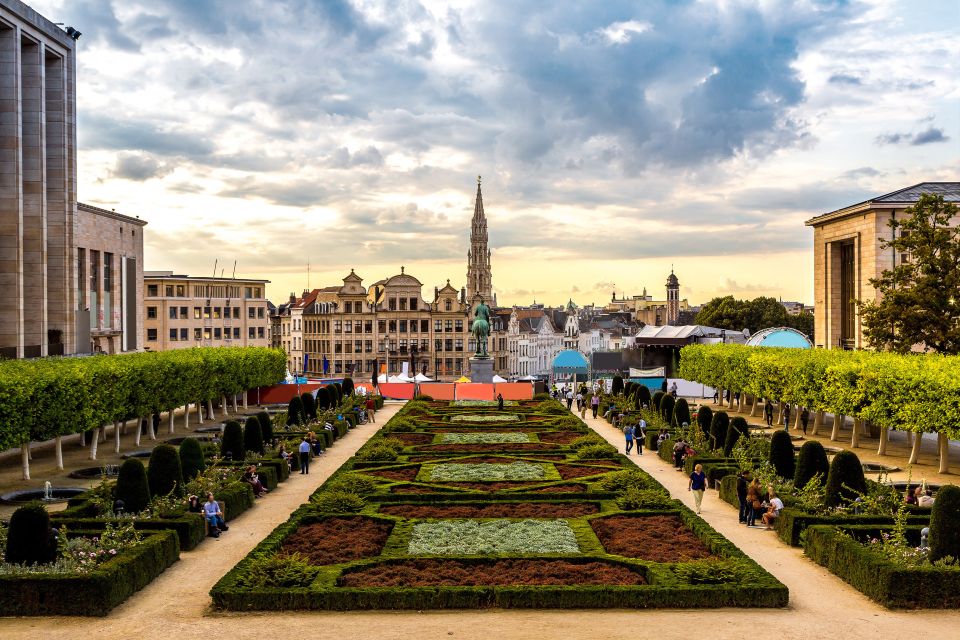
You exchange your voucher (printed or mobile) at a Visit.brussels office:
- Visit.brussels BIP, rue Royale 2
- Visit.brussels at the City Hall of Brussels, Grand Place
Opening hours vary by day and holiday, so check the current hours before you go. Once you have the card, your first scan decides when your validity countdown begins.
A small but important habit: when you’re about to scan, pause and confirm your card is ready at the entrance. Then decide whether Atomium or a museum should be your kickoff based on your plans for the day.
Who This Card Suits Best
This works best for you if:
- You want a flexible schedule where you can swap museums without losing money.
- You like variety: art one moment, quirky museums the next.
- You’re visiting for 2+ days and can realistically fit multiple admissions.
It may be less ideal if:
- You’re in Brussels for a short time and only want one signature sight.
- You hate museum time and would rather sightsee mainly outdoors.
Should You Book This Brussels Museums and Atomium Card?
I’d book it if your trip includes more than just a quick look at the Atomium. The pass shines when you use it the way it’s meant to be used: start your timer with intention, then chain together several museums across your 1–3 day window.
If you’re the type who can comfortably do two museum stops in a day, this card is an easy way to reduce costs and stress at the same time. If your plans are light, you can still use it, but do a quick sanity check: Atomium plus a single museum might not earn back the price.
In short: if Brussels museums are part of your travel identity, this card is built for your style. If not, consider buying individual tickets for the few sights you truly care about.
FAQ
How long is the Brussels Card valid?
The Brussels Card is valid for either 24, 48, or 72 hours. It starts running once you scan the card for the first time in a museum or at the Atomium.
When does the card become active?
Your card is activated when you scan it the first time in a museum or in the Atomium. From that moment, it is valid for the selected 24, 48, or 72-hour period.
Do I need to book museums or the Atomium in advance?
No. There is no need to book in advance for access included with the Brussels Card.
Where do I exchange my voucher?
You can exchange your voucher at Visit.brussels BIP on rue Royale 2, or at Visit.brussels at the City Hall of Brussels on the Grand Place. Both locations are provided with opening hours.
Does the card include public transport?
No. The card does not include access to public transport.
Is the Atomium included with a skip-the-line ticket?
Yes. The Brussels Card includes the Atomium skip-the-line ticket.
Are there any access rules for the Atomium?
The Atomium includes specific ticket guidance based on height and mobility needs: reduced mobility and/or under 115 cm can use a free infant ticket. Other rules are also listed for children and seniors, and the experience is wheelchair accessible.