REVIEW · BRUSSELS
Brussels: Belgian Chocolate Making Workshop with Tastings
Book on GetYourGuide →Operated by The Belgian Chocolate Makers · Bookable on GetYourGuide
Brussels, cocoa, and your hands on the process. This Belgian Chocolate Makers workshop is a hands-on bean-to-bar lesson inside a brand-new training centre, with tastings that go beyond the usual chocolate bar. I like the fact that you’re not just watching, and you also get a close-up with a real cacao pod and the people behind the craft, like chocolatier Patricia.
I love the tasting sequence: you sample premium origin cacaos, then try cacao liquor (dark, no alcohol) and even taste the plain cacao bean, which is seriously bitter. I also love that you leave with real results, making mendiants, truffles, and a personalized chocolate bar that gets boxed up for the walk back to your life.
The main drawback to plan for is logistics: you’ll need a hairnet, it’s in an air-conditioned room that can feel chilly, and the team runs on time—no late entry once the session starts.
In This Review
- Key highlights you’ll actually care about
- From ticket office to the training centre: where the class really starts
- The 90-minute flow: hairnet on, wristband checked, then chocolate in motion
- What you taste isn’t just chocolate: cacao beans, liquor, and pod mucilage
- Making mendiants, truffles, and your personalized bar (with a real take-home box)
- Haitian cacao in a Belgian workshop: why origin and traceability matter
- Value for $82: what’s included, what it buys you, and when it feels worth it
- Logistics that can trip you up: timing, cold rooms, and what you can bring
- Who should book this workshop (and who might prefer something else)
- My take: should you book The Belgian Chocolate Makers workshop in Brussels?
- FAQ
- What do I make in the workshop?
- What do you taste during the workshop?
- How long is the Brussels chocolate making workshop?
- What’s included with the price?
- Can I participate if I’m vegan or lactose intolerant?
- Is the workshop wheelchair accessible?
- Where is the meeting point?
Key highlights you’ll actually care about
- Touch a fresh cacao pod, then taste the mucilage (pod juice) with your own hands
- Tasting flight goes from bean to liquor plus multiple premium origin cacaos
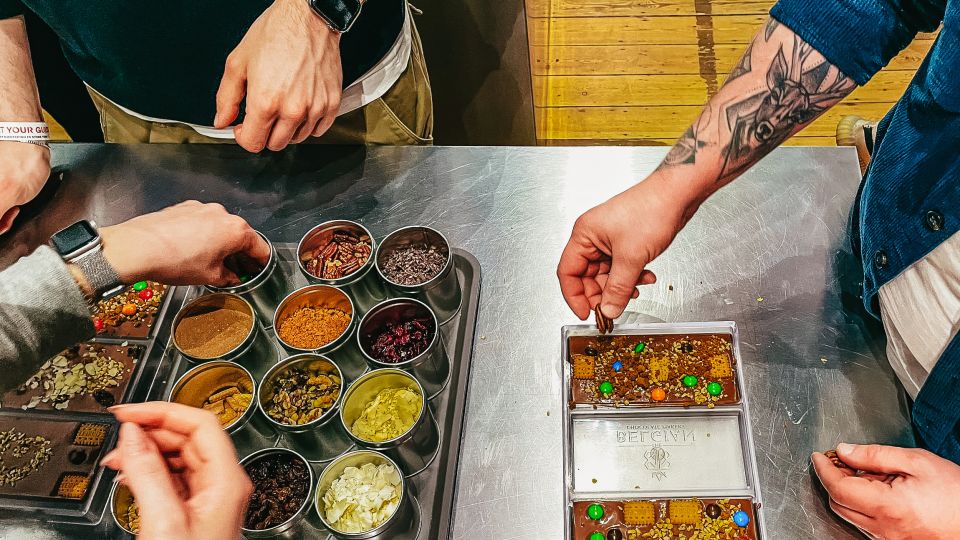
- Make three styles: mendiants, truffles, and your own decorated bar
- Take everything home in a box, plus you get 20% off their chocolate collection in-store
- Run by certified Belgian chocolate makers, with a traceable cacao supply chain
- Short, focused 90 minutes with a clear workflow and a stop for bean-to-bar machinery explanations
From ticket office to the training centre: where the class really starts
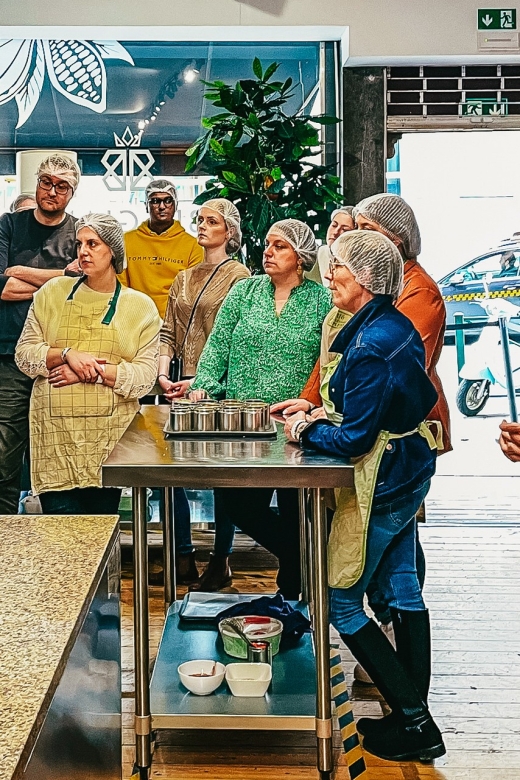
You begin at the Belgian Chocolate Makers ticket office, Place de la Justice 5, near Gare Centrale and Mont des Arts. Plan to arrive about 15 minutes early. After they check your ticket, staff walks you about 200 meters to the training centre—so it’s easy, but don’t assume you can stroll in at the last second.
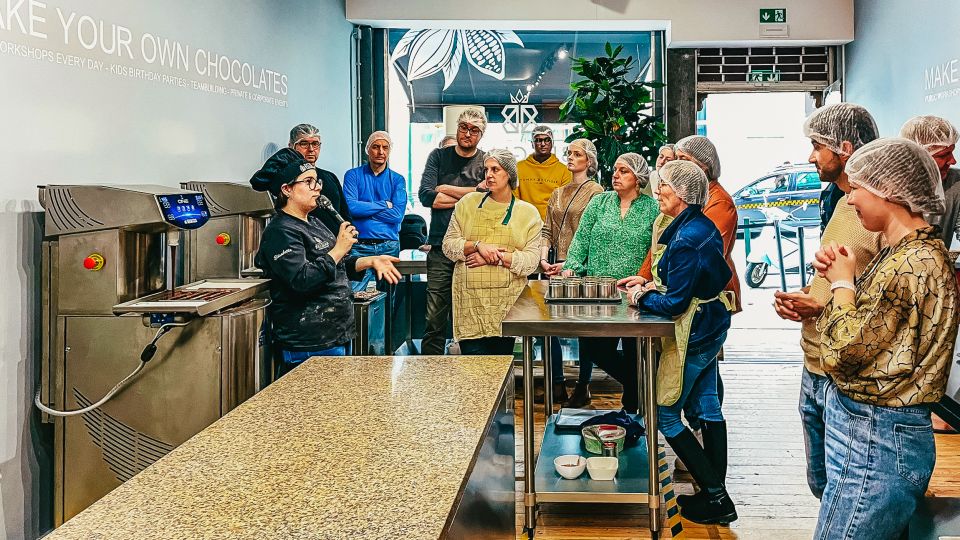
The training centre itself is a purpose-built space (150m2) with air-conditioning and room for up to 60 participants. That sounds big, but your hands-on station work feels more like a class than a crowded factory line. Either way, you’ll have the best experience if you dress in layers and treat it like a workshop where timing matters.
You can also read our reviews of more tours and experiences in Brussels


The 90-minute flow: hairnet on, wristband checked, then chocolate in motion
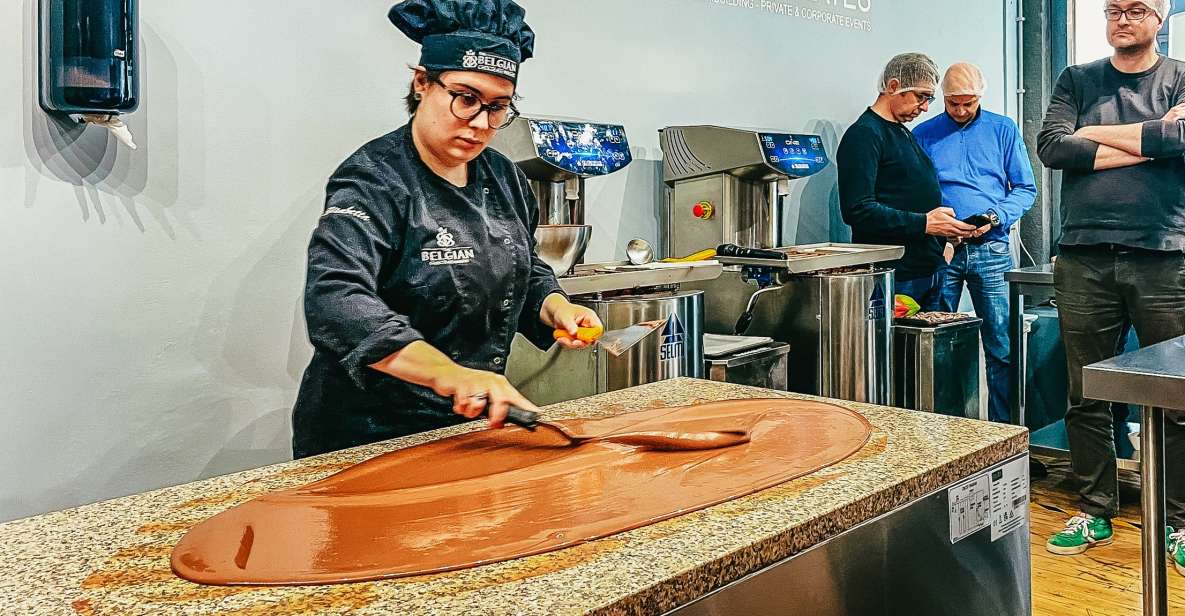
This is a 90-minute, instructor-led workshop, run in multiple daily sessions (11AM, 2PM, 5PM). English instruction is available, and you’ll get a hairnet and a wristband after the ticket check. If you have long hair, tie it back before you arrive—once you’re at the centre, you’ll be expected to put the hairnet on quickly.
Inside, the session is built around a clear rhythm:
- a short orientation and tasting segment
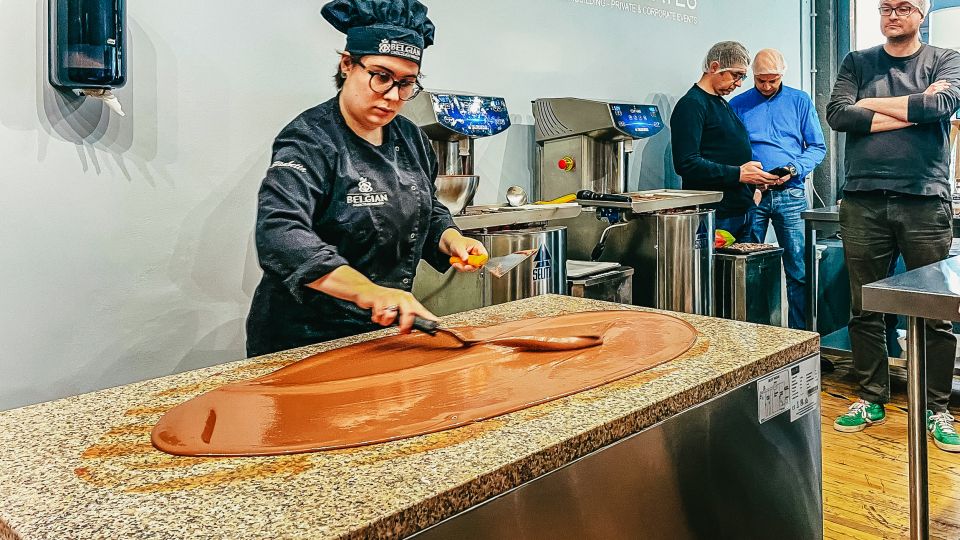
- guided instructions for tempering and assembly steps
- hands-on making (your bar plus the other chocolate pieces)
- a finish that includes tastings as you go, and time to bring everything together
You’ll also do a visit to bean-to-bar machinery after the workshop, so you get both the craft at the bench and the bigger production picture. If you choose a VIP upgrade, there are extras like champagne and an added laboratory visit, plus an embroidered apron.
One small practical note: the room is air-conditioned, and you might feel cold during the process. It’s manageable, but it’s worth wearing something warm enough to stay comfortable while you focus on fine work.
What you taste isn’t just chocolate: cacao beans, liquor, and pod mucilage
This is where the workshop feels more educational than a typical chocolate tasting. You don’t only sample finished bars. You go earlier in the chain—right toward the raw flavour.
You’ll try several premium origin cacaos from different countries. Then you move into three especially memorable tasting moments:
1) Fresh cacao beans
You get to taste a cacao bean itself. Expect bitterness. It’s not meant to taste sweet like dessert chocolate; it’s meant to show you what chocolate is built from.
2) Cacao liquor
You taste the cacao liquor, described as no-alcohol and essentially the cacao mass used for chocolate. This helps you understand why finished chocolate tastes different once cocoa solids, cocoa butter, and processing steps come into play.
3) Mucilage (pod juice)
You take a fresh cacao pod in your hands and taste the mucilage. It’s a wild-feeling contrast: one moment you’re holding something that looks like a fruit shell, and the next you’re tasting the juice layer that surrounds the beans.
Add to that their cacao tastings and you start catching patterns. You’ll notice how origin affects flavour, and you’ll also understand why Belgian chocolate makers care so much about bean quality and processing.
Making mendiants, truffles, and your personalized bar (with a real take-home box)
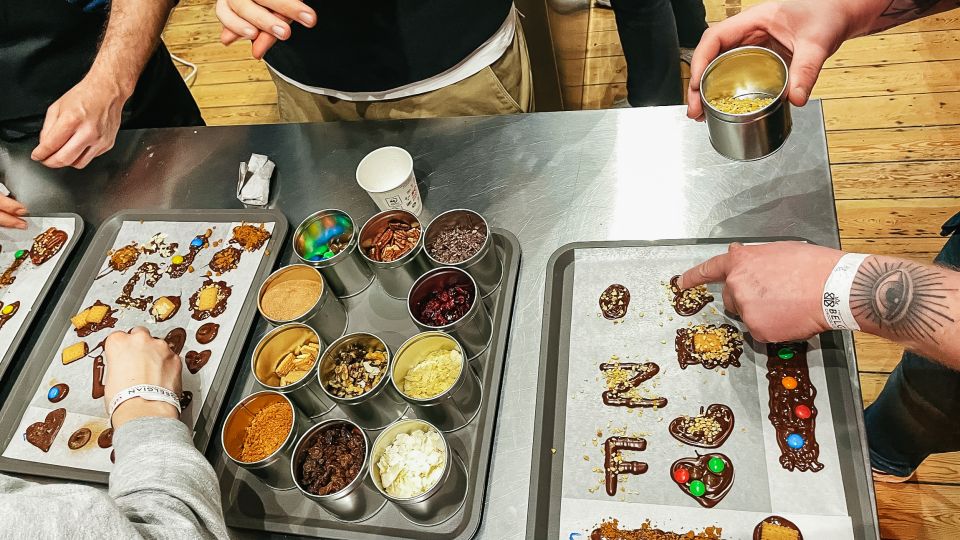
The hands-on portion is the heart of the experience. You’ll make:
- Mendiants
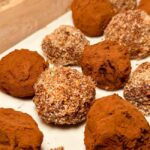
- Truffles
- a personalized chocolate bar you design with toppings
Your instructor guides you through steps that feel artisan, not industrial. Even if your first attempt is a little clumsy, the workshop is structured so you’ll still end up with pieces that look and taste right. You can expect to decorate and assemble, and you’ll learn what changes texture and flavour as the chocolate sets.
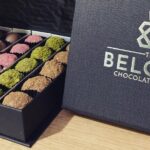
The personalized bar part is especially fun because you’re not stuck with a single option. You’ll work with chocolate (milk and dark options are part of the experience), then add toppings and your own style. Your creations all go home with you in a box, which turns the class into an actual souvenir instead of just a memory.
Food notes to keep in mind: toppings contain nuts, and their workshop is set up so people with food allergies aren’t included. If you’re vegan or lactose intolerant, you’ll only be able to work with dark chocolate.
Haitian cacao in a Belgian workshop: why origin and traceability matter
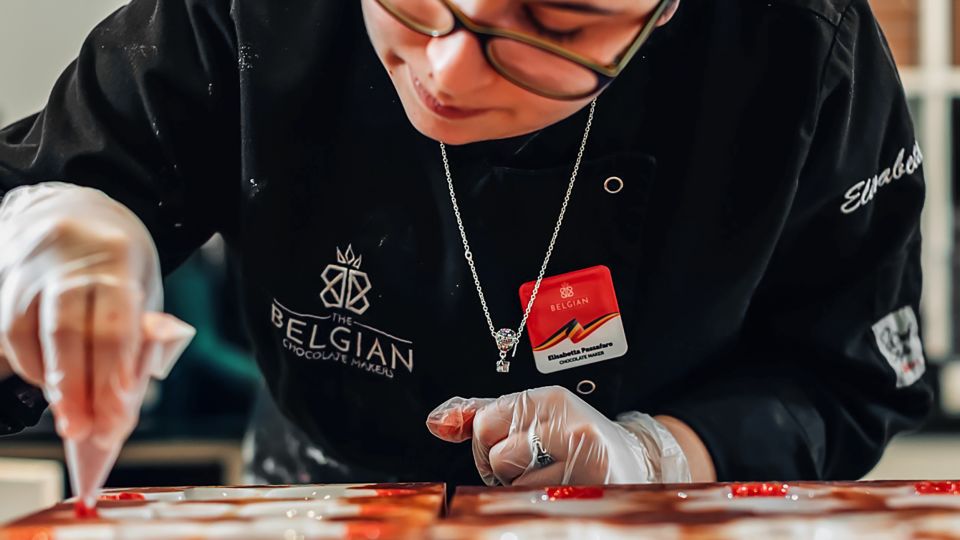
One detail I appreciate is the workshop’s focus on traceability and sourcing. They use organic cacao from small farmers and emphasise a 100% traceable supply chain. They also state their cacao doesn’t involve deforestation or child labor, and that it provides fair revenue to farmers.
In Brussels, that kind of sourcing talk can sometimes feel like marketing. Here, it connects directly to what you do and taste. The workshop’s cacao focus is Haitian—specifically premium quality chocolate produced from Haiti (Grand Anse). That means the flavours you taste and the chocolate you work with are tied to a real origin, not a vague “cocoa from somewhere.”
This matters because chocolate tasting becomes more meaningful when you know where the beans come from. You aren’t just guessing. You’re learning how origin shows up in bitterness, aroma, and overall character once the beans become chocolate.
You can also read our reviews of more tours and experiences in Brussels



Value for $82: what’s included, what it buys you, and when it feels worth it
At $82 per person for 90 minutes, the cost isn’t low. But it’s also not just a show. You get multiple tastings, hands-on making, and a take-home box of what you create. That shifts the value from entertainment to output: you’ll eat your way through the learning, and you’ll also bring chocolate home as a result.
Here’s what’s included as standard:
- organic cacao from small farmers, 100% traceable origin
- chocolate tastings, including cacao liquor
- making your own bar, mendiants, and truffles
- a hot drink depending on season (hot chocolate in winter or chocolate granita in summer)
- tastings that include cacao pod juice (mucilage) and fresh cacao beans
- visit of bean-to-bar machinery after the workshop
- 20% off on their chocolate collection in stores
VIP upgrades can add champagne, an embroidered apron, and a lab visit. Even without VIP, the built-in store discount matters if you’re planning to buy chocolate anyway. If you were already going to leave Brussels with a few boxes of Belgian-style sweets, that 20% can soften the cost.
One honest consideration: compared with some shorter tastings, you’re paying for making and traceable cacao storytelling, not just sampling. If you want a passive tasting only, you might find this more hands-on than you need.
Logistics that can trip you up: timing, cold rooms, and what you can bring
This is the part I’d plan carefully.
- Arrive early: ticket checking ends when the workshop starts, and late entry isn’t accepted. Queue about 15 minutes early.
- Wear appropriate clothing: the training room is air-conditioned and can be cold. Dress in layers.
- Hairnet is required: tie long hair back and expect it to feel a little snug.
- No food or drinks inside: even though hot chocolate or granita is included as part of the experience, you shouldn’t bring outside items.
- Pack light: luggage or large bags aren’t allowed, and pets aren’t allowed.
- Stairs may be a factor: the venue is described as wheelchair accessible, but one note from participants was that there are some stairs. If mobility is a concern, it’s worth asking ahead so you’re not surprised by steps on the route.
The good news: it’s well-run and organised. Once you’re in, it moves at the pace of a classroom, not a chaotic tour.
Who should book this workshop (and who might prefer something else)
This workshop is a great match if you:
- love chocolate and want to learn where it starts
- want a hands-on activity that ends with edible results
- are a couple or a small group who like structured instruction
- enjoy tasting bitterness and comparing origins, not just eating sweets
It’s also a strong winter activity in Brussels. The workshop is indoors and air-conditioned, so it’s a practical break from cold weather. English instruction helps too, and the sessions run several times a day, which gives you options.
Skip or reconsider if you fall into these categories from the workshop rules:
- children under 6
- people with food allergies
- people with gluten intolerance
- people with lactose intolerance
If you’re vegan, you can still participate, but you’ll be limited to dark chocolate work.
And if you need a very calm, slow experience with no time pressure, you might feel the “class starts on time” style more than you’d like. This is hands-on and scheduled.
My take: should you book The Belgian Chocolate Makers workshop in Brussels?
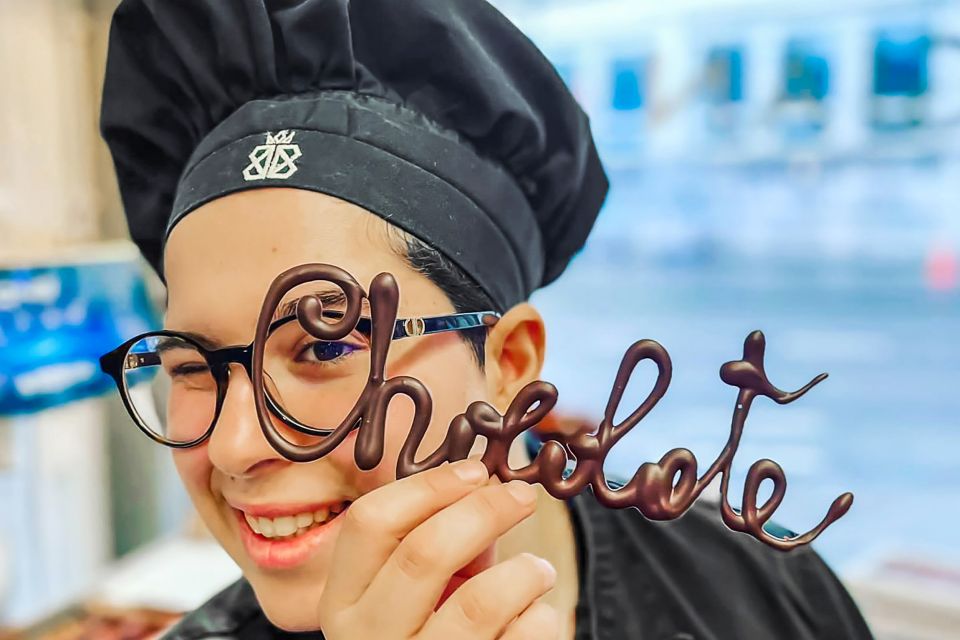
Yes, I’d book it if you want a chocolate experience that actually teaches you and hands you real output to take home. The combination of cacao pod mucilage tasting, bean-to-liquor tasting, and making mendiants, truffles, and your own bar makes it feel worth the money in a way pure tastings often don’t.
If you’re mainly chasing a relaxing chocolate stroll, though, this may feel a bit structured. But for most chocolate lovers, especially those who like learning with their hands, it’s a smart use of 90 minutes in Brussels.
FAQ
What do I make in the workshop?
You handcraft mendiants, truffles, and a personalized chocolate bar. Everything you make is yours to take home in a box.
What do you taste during the workshop?
You’ll taste several premium origin cacaos, cacao beans (notably very bitter), cacao liquor (no alcohol, cacao mass), and the mucilage from a fresh cacao pod.
How long is the Brussels chocolate making workshop?
The experience lasts about 90 minutes.
What’s included with the price?
Standard inclusions include hot chocolate (winter) or chocolate granita (summer), chocolate tastings (including cacao liquor), and the materials and instructions for making chocolates. You also get 20% off chocolates in their stores.
Can I participate if I’m vegan or lactose intolerant?
If you’re vegan or lactose intolerant, you can work only with dark chocolate.
Is the workshop wheelchair accessible?
The workshop is listed as wheelchair accessible. However, one participant noted there are some stairs, so it’s smart to ask if you have mobility concerns.
Where is the meeting point?
Start at The Belgian Chocolate Makers ticket office at Place de la Justice 5, near Gare Centrale and Mont des Arts. After ticket check, you walk about 200 meters to the training centre.