REVIEW · BRUSSELS
Choco-Story: The Chocolate Museum in Brussels
Book on Viator →Operated by Choco-Story Brussels · Bookable on Viator
Chocolate has a museum-ready backstory here. If you’re curious how cocoa becomes Belgian chocolate, I love the live praline demonstration right in front of you and the self-paced audio/translation tour through hands-on exhibits. You’ll also get chocolate tasting during your visit, so learning has a sweet finish.
One thing to keep in mind: the experience can feel a bit tight and busy in the exhibit rooms. On top of that, some interactive stations or audio/translation components may be hit or miss depending on your session time and crowd level.
In This Review
- Key things to know before you go
- Why Choco-Story Brussels Works as a Quick Win
- Ticket Price and Value: What About $19 Really Buys
- Getting Oriented: The 90-Minute Walk Through Chocolate’s Story
- The Live Praline-Making Demo: The Main Event You Should Time
- Chocolate Tasting Details: What You’ll Sample and How to Get More Out of It
- Audio/Translation Experience: Helpful When It Works, Simple When It Doesn’t
- Exhibit Rooms and Crowd Reality: How to Avoid the Cramped Feeling
- How the Museum’s Content Fits Belgian Chocolate Culture
- Location Advantage: Pair It With Central Brussels
- The Shop After the Samples: What to Buy (and What to Skip)
- Who Should Book Choco-Story Brussels (and Who Might Not)
- Should You Book Choco-Story Brussels?
- FAQ
- Is chocolate tasting included?
- How long does Choco-Story Brussels take?
- What language options are available?
- Is a guide included?
- Does the ticket guarantee entry?
- Is there a live chocolate demonstration?
- What time is the last entrance?
- Is there a limit on group size?
- Do children need to be accompanied?
- Is free cancellation available?
Key things to know before you go
- Live praline making, in view: watch a master chocolate-maker work while you stay in the same space.
- Included tastings: you’ll sample chocolate as part of the visit, not just at the end.
- Self-guided pacing: you can go at your own speed through the rooms.
- Good value for a short stop: it’s designed for about 1.5 hours, with multiple learning moments.
- Set demo times: demonstrations don’t run continuously, so arriving early helps.
- Small-group feel: the visit caps at 15 travelers, though rooms can still get crowded.
Why Choco-Story Brussels Works as a Quick Win
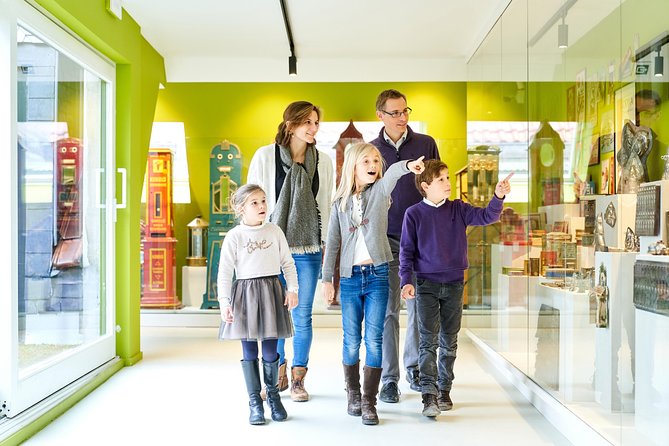
Choco-Story is a chocolate museum built for people who want more than a few plaques and photos. The format is compact and purposeful, with a clear arc: where cocoa comes from, how chocolate gets processed, and how it turns into finished sweets. It’s also built around an educational-gourmet style, which matters in Brussels where you can fill an entire day quickly without meaning to.
The biggest reason this works as a “short stop” is the flow. You’re not herded into a long sit-down tour. You move room to room, you get guided audio/translation support, and you still end up with a live demonstration plus chocolate tasting. In other words: you get variety without needing half a day.
If you like food museums—especially ones that blend history with real-world food making—you’ll probably enjoy this. It’s also a solid choice when the weather turns, since you’re mostly indoors.
You can also read our reviews of more museum experiences in Brussels


Ticket Price and Value: What About $19 Really Buys
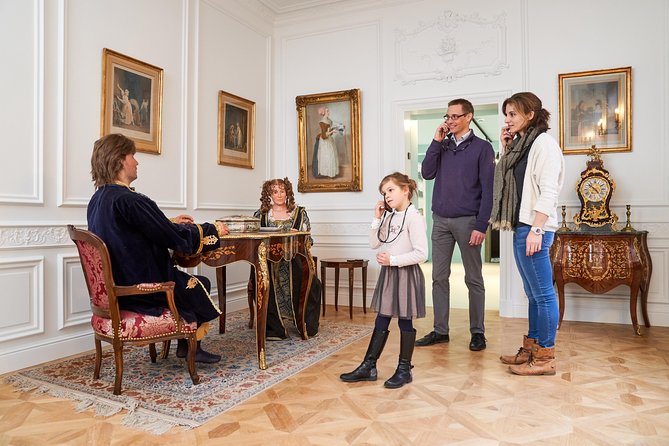
The admission ticket is about $19.17 per person, and that price includes chocolate tasting. Food and drinks are not included, so plan on buying water or a snack separately if you need it. Also, a guide is not included, so the main “guide” experience is the audio/translation support and the on-site demo.
Here’s the value angle that makes the price feel fair: you’re paying for a mix of things at once—education, a live show component, and multiple tasting opportunities. One visitor noted they received two chocolate tastings (dark or milk barrels) and that attending a chocolate demonstration added a third tasting. Even if your tasting mix differs slightly by time slot, the ticket is clearly meant to be more than an ordinary museum pass.
If you’re comparing options in Brussels, this is a good “bang for buck” way to spend around 90 minutes—especially if you’re already planning to be in the center area. For longer museum-style days, you might want something more spacious and slow. But for a focused chocolate lesson plus samples, this hits the sweet spot.
Getting Oriented: The 90-Minute Walk Through Chocolate’s Story
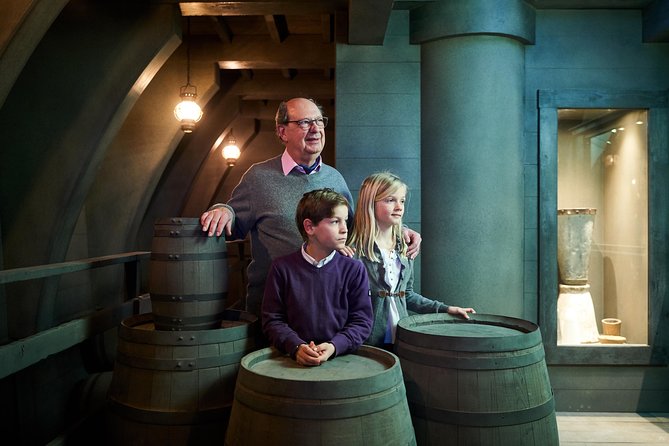
Your visit is designed for about 1 hour 30 minutes (approx.), with exhibits you can explore at your own pace. The museum’s concept is straightforward: you walk through themed rooms, learn how chocolate moved from origins to product, and stop for tasting and demonstrations along the way.
The exhibits aim to explain both the big picture and the practical steps. Expect content that covers:
- the origin story of cocoa and its transformation into chocolate
- how chocolate production works before it becomes sweets
- how Belgian chocolate developed into the product people recognize today
The pacing is part of the point. You’re not required to stick with one route at one speed. If you’re the kind of person who likes to read every label, you’ll find enough material to keep you busy. If you prefer to skim, you can still pick up the main narrative and save time for the demo and tastings.
Practical tip: if you’re short on time, don’t treat it like a library. Pick the rooms that match your curiosity—ingredients and processing if that’s your thing, or Belgian-focused development if you want the cultural side. The audio/translation device helps you choose without feeling lost.
The Live Praline-Making Demo: The Main Event You Should Time
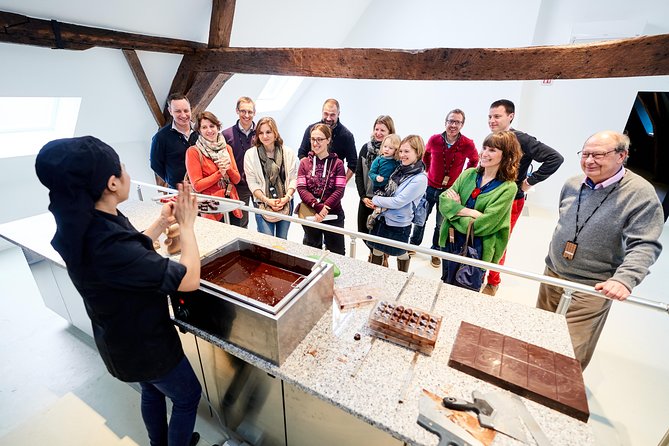
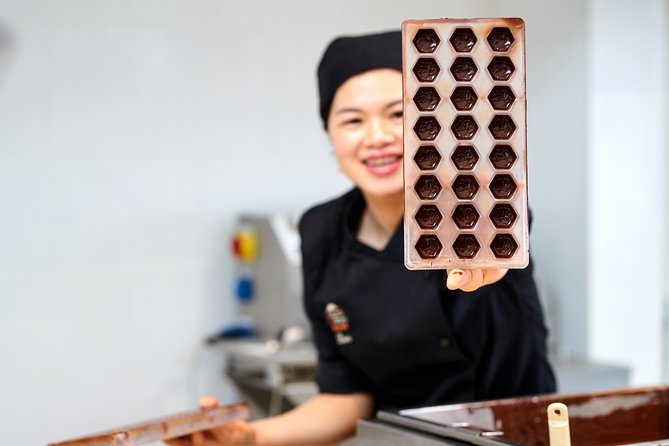
The highlight is a master chocolate-maker preparing pralines right in front of you. This is the moment that turns the museum from educational to memorable. You get to see chocolate work in a real setting, which is a big deal for a food lover—because you can learn the process and then immediately connect it to what you’re tasting.
Demo timing matters. Demonstrations run at set times rather than constantly. If you’re arriving for an early slot, give yourself extra breathing room so you don’t walk in right after the action starts. One visitor said the demonstration began at 11:00 during their session and they only caught the last few minutes.
Length also varies by what you catch, but the demo window is not long. Plan to watch attentively, then enjoy the tasting that follows. If you’re the type who wants to photograph everything, try to focus first on the process rather than the camera—when the flow is quick, you’ll want to remember what you saw, not only what you captured.
Chocolate Tasting Details: What You’ll Sample and How to Get More Out of It
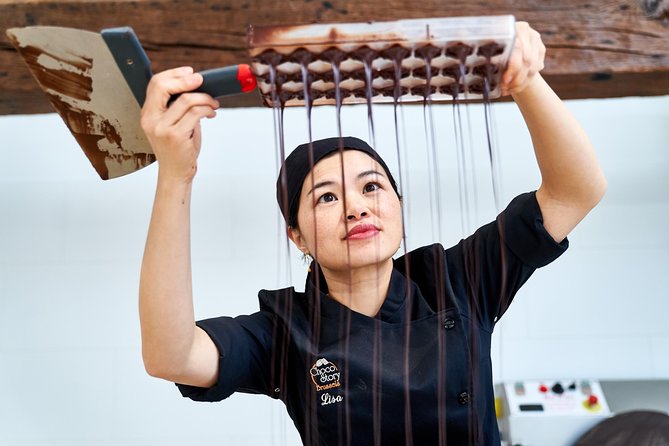
Chocolate tasting is included, and that alone makes this museum feel like a “real” experience instead of a slideshow. Many sessions include multiple tasting options. One review specifically mentioned two tastings (dark or milk chocolate barrels), with a third tasting if you attend the chocolate demonstration.
What to do with this: slow down during the tasting portion. Taste is part sensory and part learning. If you treat the samples like a quick bite, you’ll miss the chance to notice differences in texture, flavor intensity, and cocoa character. If you take 30 to 45 seconds per sample and actually compare, the museum’s lessons will stick much better.
Also, don’t assume you’ll taste everything the first time you see it. The structure is built around a few tasting touchpoints, so keep your expectations flexible and let the session guide you.
You can also read our reviews of more tours and experiences in Brussels




Audio/Translation Experience: Helpful When It Works, Simple When It Doesn’t
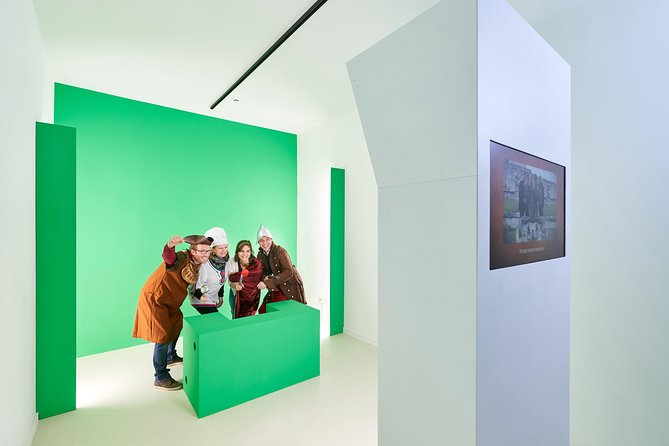
A common theme in feedback is that the audio/translation device helps you make sense of what you’re seeing. It’s especially useful if you want history without standing still to read every placard.
The best way to use it is practical:
- Start it when you enter so you know what each room is trying to teach
- Use it as your guide, not your boss
- If you notice long explanations, speed up mentally and return to the parts that match your interests
That said, there can be technical friction. Some visitors reported that their audio/translation worked only partially, with certain placards or interactive centers not functioning properly during their visit. Others noted games or scanning systems that didn’t work, which can interrupt the playful side of the museum.
If things glitch, don’t panic. The core experience still works because the museum has clear narration support and a live demo. You’ll still walk away with the narrative and at least the tastings.
Exhibit Rooms and Crowd Reality: How to Avoid the Cramped Feeling
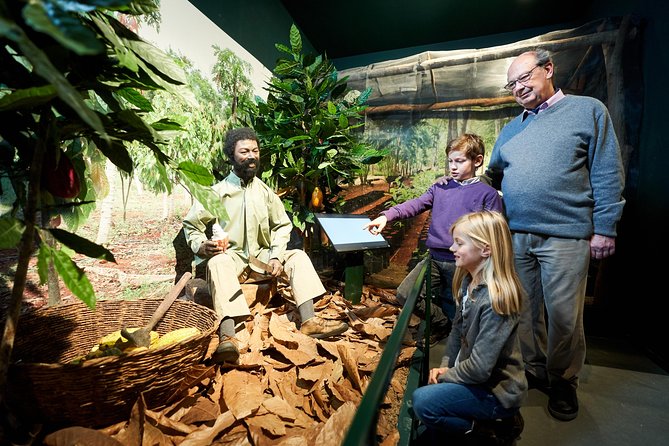
Choco-Story has a maximum group size of 15 travelers, and that usually helps keep things controlled. But the rooms themselves can still feel tight when traffic is high, especially around the demonstration and the tastings.
If you care about elbow room, choose your time wisely:
- A later slot can feel quieter
- Avoid arriving exactly when crowds crest
- Give the demo area extra patience, since people naturally gather there
Also, some interactive games and activity centers may be finicky. If your goal is hands-on fun, go with a flexible mindset. If your goal is learning plus tasting, those pieces are usually the backbone of the experience.
One more small note: the museum can be stroller-friendly. If you’re traveling with a stroller, plan for slower movement in tighter sections and use the audio/translation device to keep everyone oriented as you go.
How the Museum’s Content Fits Belgian Chocolate Culture
Choco-Story opened in May 2014 when two families—Van Belle and Van Lierde—joined efforts to promote quality Belgian chocolate. That family-driven mission is part of the charm. Even though you’re in a museum, the aim isn’t to freeze chocolate in time. The story connects origins, production, and the final product people seek when they come to Belgium.
The content also hits a social point: chocolate wasn’t always a casual treat. It often had a status and ritual surrounding it, and the museum frames that idea through how chocolate has been made and marketed over time. You end up understanding why Belgian chocolate is taken so seriously here—not just tasted, but discussed.
Location Advantage: Pair It With Central Brussels
This museum is near public transportation, and it’s close enough to fit into a walking day in central Brussels. One visitor specifically noted it’s located near Grand Place, which is useful because Grand Place is the kind of place you’ll pass anyway on a first visit.
Pair it like this:
- Start with a walk around the central sights
- Come in for a planned 90-minute chocolate break
- End with shop browsing or a nearby café afterward
Because the last entrance is at 5:00pm, you’ll want to plan around that if you’re traveling in the afternoon. If you show up late, you can lose the last chunk of the visit even if the museum is still technically open.
The Shop After the Samples: What to Buy (and What to Skip)
There’s a shop on-site, and it makes sense: you’ve just tasted chocolate, watched praline-making, and learned about cocoa-to-product transformation. Buying a few items afterward is the natural follow-through.
The practical move is to buy with intention:
- If you tasted dark and milk and liked one style, start there
- If you want souvenirs, pick a couple items you can pack easily
- If you feel overwhelmed, buy later—first, enjoy the demo and tastings without turning your visit into shopping
This is a small museum, so you won’t have unlimited time to compare everything. The shop is best as a final stop, not a distraction.
Who Should Book Choco-Story Brussels (and Who Might Not)
Book Choco-Story Brussels if:
- you want a short, structured indoor activity in central Brussels
- you care about chocolate origins and the steps from cocoa to finished sweets
- you want included tasting and a live demonstration in one visit
- you’re traveling with kids and want something that’s more than a quiet museum walk
You might reconsider if:
- you’re hoping for a huge, high-tech museum experience with lots of working interactive stations
- you’re extremely sensitive to crowding, because rooms can feel cramped during busy times
- you dislike audio tours and long explanations, since some people find the audio style a bit lengthy
It’s a smart choice for first-time Brussels visitors who want something memorable that still stays within a tight schedule.
Should You Book Choco-Story Brussels?
Yes, if you like chocolate and want a well-timed 90-minute experience with included tastings and a real demonstration. For about $19, you’re not just paying for exhibits—you’re buying the chance to watch pralines being made and taste what you’re learning about.
My advice: aim for a time slot where you can get to the demo without rushing, and don’t expect every interactive gadget to work perfectly. If you keep your expectations realistic and let the live demo plus tasting be your anchor, you’ll likely walk out smiling and slightly sticky.
FAQ
Is chocolate tasting included?
Yes. Chocolate tasting is included with your admission ticket.
How long does Choco-Story Brussels take?
Plan for about 1 hour 30 minutes (approx.).
What language options are available?
The experience is offered in English.
Is a guide included?
No. A guide is not included.
Does the ticket guarantee entry?
Yes. The admission ticket is designed to guarantee your visit.
Is there a live chocolate demonstration?
Yes. A master chocolate-maker prepares pralines in front of visitors during the visit.
What time is the last entrance?
The last entrance is at 5:00pm.
Is there a limit on group size?
Yes. There is a maximum of 15 travelers.
Do children need to be accompanied?
Yes. Children must be accompanied by an adult.
Is free cancellation available?
Yes. Free cancellation is available up to 24 hours in advance for a full refund.