REVIEW · BRUSSELS
Discover the secrets of Brussels while playing
Book on Viator →Operated by Coddy · Bookable on Viator
Brussels turns into a game board. Urban Escape Games in Brussels sends you out with a mobile app and a virtual character who fires off riddles as you walk. You’ll hunt clues in both classic sights and lesser-known street scenes, with historical anecdotes tied to the monuments and facades you pass.
What I like most is the way it feels like sightseeing, not a checklist. I also love the 2-hour length and the built-in mission pressure to keep everyone engaged. One consideration: you’ll want a charged smartphone with enough battery, because the smartphone itself isn’t included.
In This Review
- Key highlights before you go
- Brussels, but make it interactive: the core idea
- Grand Place meeting point: start strong and find your rhythm
- How the virtual character drives your route
- Missions in famous sights and unknown corners
- Walking time and pacing: you’ll stay in motion
- Scoring and your photo summary: the finish line
- What’s included (and what you’ll need to bring)
- Price and value: $17.45 per group up to 6
- Best times to play in Brussels
- Who this Brussels game fits best
- Small practical notes that matter on foot
- Should you book Urban Escape Games in Brussels?
- FAQ
- Where does the game start and end?
- How long does the experience take?
- How much does it cost?
- Is food or drink included?
- Do I need a smartphone?
- What’s included in the price?
- What’s the cancellation policy?
Key highlights before you go
- Virtual character guides your whole route with challenges and riddles from start to finish
- Tour + scavenger hunt mix: famous facades and quieter corners, all on foot
- Historical anecdotes as you move so facts land because you’re standing there
- Score the best game: completing missions matters, not just wandering
- Your results come back with a photo summary at the end
- Long-term value: your game remains valid for up to 3 years
Brussels, but make it interactive: the core idea
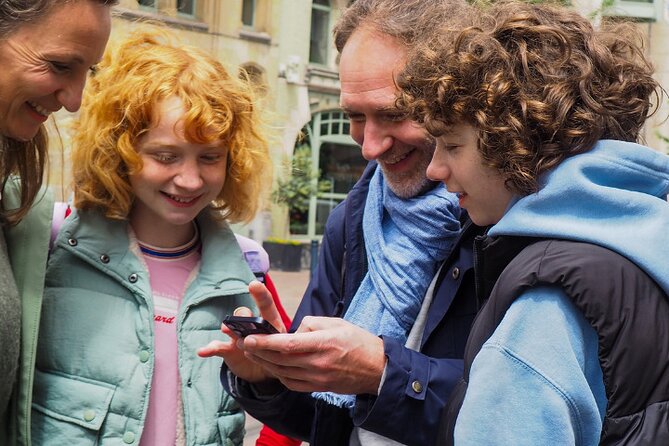
This is a city game built for exploring Brussels in a way that doesn’t rely on listening to a guide talk non-stop. You start at Grand Place / Grote Markt, and from there the app becomes your running instructions: you and your team walk, solve challenges, and respond to the character who pops up throughout the journey.
The magic here is that it turns attention into a tool. Instead of asking, What should we see? you’re answering, What does this clue mean? That naturally nudges you to look up at details—facades, monument shapes, doorways, and streetscapes you might otherwise speed past.
And because you’re playing with friends or family, the pace feels more flexible. You can keep moving when you’re confident, slow down when you’re debating clues, and regroup if someone needs a minute. It’s a very practical way to get out of “museum mode” and into “street mode.”
You can also read our reviews of more tours and experiences in Brussels.



Grand Place meeting point: start strong and find your rhythm
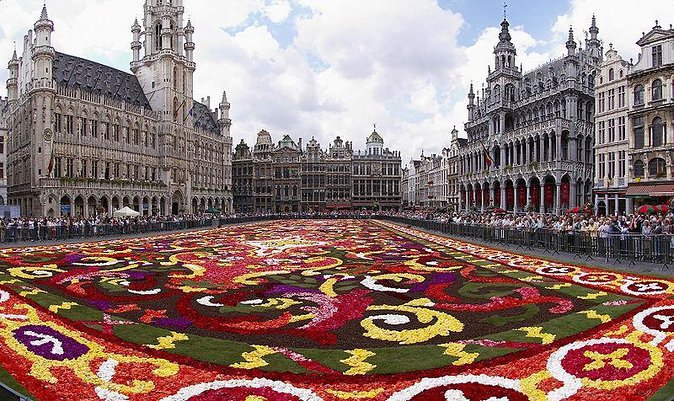
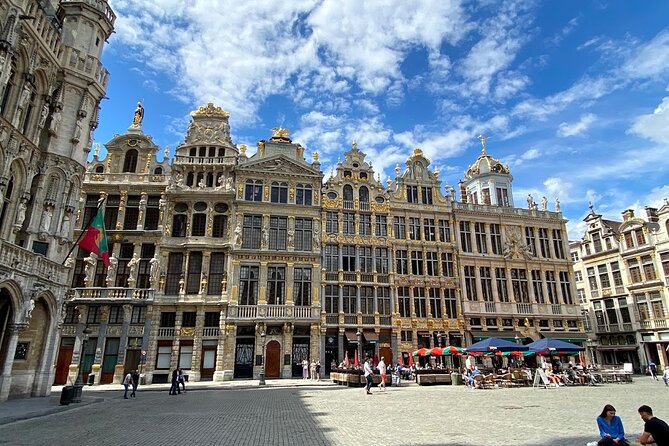
Your adventure begins back at Grand Place / Grote Markt (1000 Brussels). That’s a smart launch pad because it’s easy to anchor yourself in a central, recognizable spot. It also helps with pacing. Even if you don’t plan your day around Brussels’ busiest areas, this keeps your first moments simple: get oriented, start the app, and begin your first set of missions near the center.
The game is designed for teams, so early on you’ll likely split roles without calling it a “strategy meeting.” One person can handle app instructions, another can read clues out loud, and the rest can scan the surroundings. When you’re in the thick of the city, small teamwork like that reduces stress and keeps the game fun.
How the virtual character drives your route
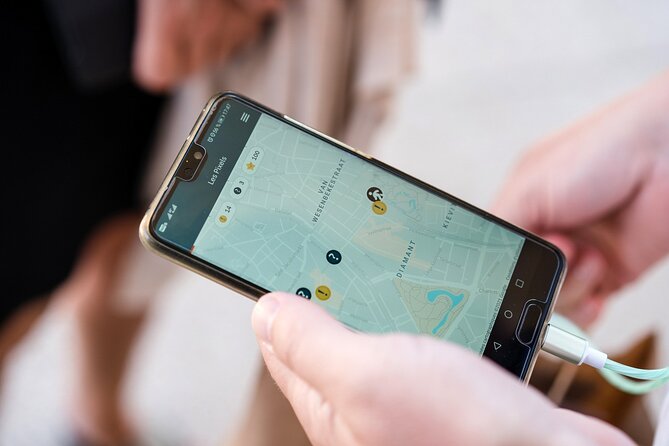
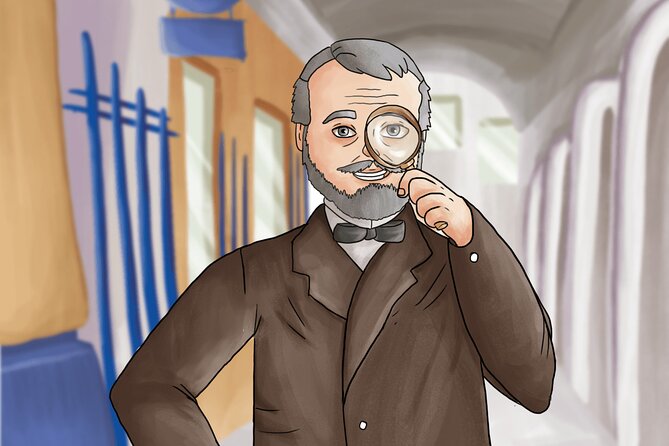
You’re not just walking with a timer. A curious (virtual) character follows your journey through the streets of Brussels and throws out riddles as you go. That character is the through-line connecting each part of the experience.
In practice, the character-based challenges do two things for you:
- They keep you from wandering aimlessly. The app asks you to investigate specific things at specific moments.
- They make looking around feel purposeful. You’re not just sight-seeing; you’re collecting evidence for answers.
The tour also works in both directions—familiar and unfamiliar. The challenges can send you toward tourist-style areas and toward places you may not have picked on your own. That’s where the game format shines: it guides you without feeling like a forced bus tour.
Missions in famous sights and unknown corners
One of the biggest promises here is discovery. The game pushes you to explore tourist corners and hidden or less-obvious places downtown. It also layers in historical anecdotes on monuments and facades as you move through the city.
Why that matters: Brussels can feel visually dense. Lots of buildings, lots of details, and lots of ways to get distracted. When you’re solving riddles tied to what you’re seeing, you end up learning facts in context. The story sticks because you saw the detail right then.
At the same time, you’ll want to keep expectations realistic. The app can’t replace deep scholarly interpretation of every building. What it gives is a compact set of story hooks tied to where you are in the moment—ideal for a fun afternoon, not for turning Brussels into a textbook.
Walking time and pacing: you’ll stay in motion
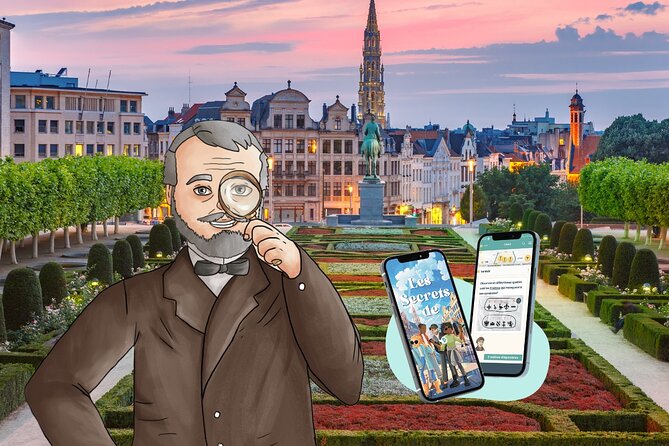
The game runs for about 2 hours. That length is a sweet spot. It’s long enough to feel like you covered real ground and had multiple mission beats, but short enough that you don’t lose everyone’s energy.
For planning, think of it like an active city stroll with brain work. You’ll be walking and scanning, then pausing to figure out the next step. If your team enjoys puzzles, the game will feel smooth. If your team hates thinking on the move, it may feel like you’re constantly stopping and starting.
A practical approach: treat it as a light workout. Wear comfortable shoes and build in a little buffer time around the experience so you’re not rushing at the start or trying to fit it between tight reservations.



Scoring and your photo summary: the finish line
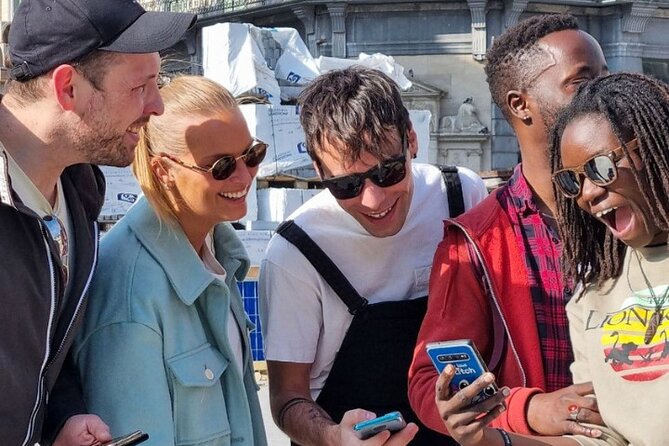
The goal isn’t just to complete the route—it’s to get the best score in town (in other words, earn points by solving missions as you go). That scoring element matters because it turns the game into a friendly competition, even among people who claim they are bad at puzzles.
At the end, you get a summary of your adventure with photos. That’s a nice detail because it gives your group a clean “wrap” to remember later. Instead of relying on blurry street photos, you end with an organized recap of the experience.
This format is especially good if you’re traveling with kids, older relatives, or mixed-skill groups. Everyone participates, but nobody needs to be the “best reader” or the “best historian.” The app keeps the flow moving.
What’s included (and what you’ll need to bring)
Included:
- 24/7 online support
- A fun city tour
- A summary of your adventure with photos at the end
- Validity of your game up to 3 years
Not included:
- No food or drink
- Smartphone and battery
That last point is the real make-or-break. Bring your own smartphone, make sure you have enough battery, and consider bringing a small power bank if your day includes lots of photos, maps, and messaging. The game depends on the device, so a low battery can turn a puzzle hunt into a frustration session.
Food-wise, plan to eat before or after. The experience is built for walking and solving, so you’ll thank yourself later for scheduling a meal around it rather than expecting refreshment inside the game.
Price and value: $17.45 per group up to 6
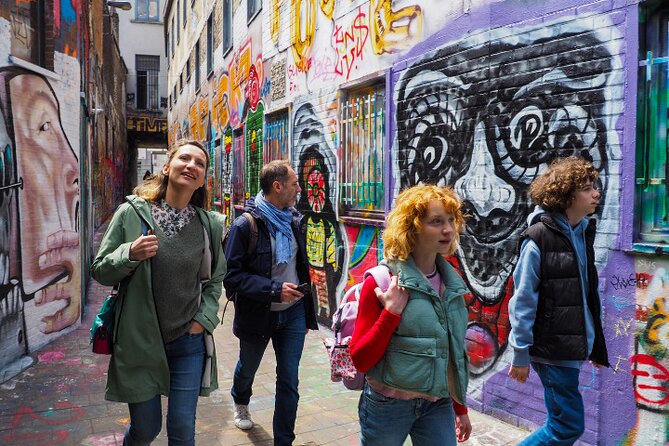
Cost is $17.45 per group for up to 6 people. The value depends on how you fill the group.
- If you split it with a full group of 6, that’s about $2.90 per person—excellent value for a guided-by-app city walk.
- If you’re only 2 people, the per-person price climbs to about $8.70 each, still reasonable for a 2-hour active activity with support and a photo recap.
What you’re really paying for is coordination-free exploration. You get structure (missions), motivation (score), and context (anecdotes). You’re not paying for a ticketed attraction—you’re paying for the way the city becomes interactive.
Also note the validity up to 3 years. That means you’re not burning the experience in one use only. If you’re the type who comes back to cities or revisits with different friends, it’s a small extra edge.
Best times to play in Brussels
You can start anytime within the listed daily hours: 12:00 AM to 11:30 PM. That wide window is practical because Brussels plans often change with weather and energy levels.
If you’re traveling in hotter months, late afternoon into evening can feel better for walking than midday. If it’s cold or rainy, an earlier start might help you keep control of your schedule. Either way, the app-driven nature means you’re not waiting in line or managing a fixed tour route with a strict departure slot.
Who this Brussels game fits best
This experience is private for your group, which is perfect when you want everyone to focus together instead of syncing up with strangers.
It’s a strong match for:
- Families who want city time that kids can actively do (and not just watch)
- Friend groups who enjoy friendly competition and problem-solving
- Couples who like wandering but want a reason to stop and look closely
One note from how it’s used with younger ages: the kids-focused version has been described as well prepared, with clear instructions and a duration that works for children around 5 and 8. If you’re considering a family mix, that’s a good sign that the game structure can be adapted for smaller players.
Small practical notes that matter on foot
- It’s near public transportation, so you can usually reach the start area without a long slog.
- Service animals are allowed.
- Most people can participate, but you’ll still be walking and reading clues on the go.
Also: keep an eye on your phone’s battery and your group’s tolerance for puzzling while walking. If your group’s idea of fun is a straight museum route, you may prefer something else. If your group likes discovery and quick mental challenges, this will likely hit the mark.
Should you book Urban Escape Games in Brussels?
Yes, if you want Brussels with less structure than a classic tour and more purpose than wandering. For the price—$17.45 per group up to 6—you get a guided puzzle route, historical anecdote flavor, and a photo recap, all designed for a two-hour active hang.
I’d skip it if you expect a traditional, stop-at-specific-monuments guided explanation. This is a game-first format. You’ll learn through clues and street-level attention, not through deep lecture-style history.
If you like your travel with hands-on moments—phones out, eyes up, solve-and-walk—this is a fun way to see Brussels and not feel like you missed half the details.
FAQ
Where does the game start and end?
It starts at Grand Place / Grote Markt in Brussels and ends back at the same meeting point.
How long does the experience take?
It lasts about 2 hours.
How much does it cost?
It costs $17.45 per group, with a maximum of up to 6 people.
Is food or drink included?
No. No food or drink is included.
Do I need a smartphone?
Yes. A smartphone is required, and the smartphone and battery are not included.
What’s included in the price?
You get a fun city tour, 24/7 online support, and a summary of your adventure with photos at the end. The game is also valid for up to 3 years.
What’s the cancellation policy?
You can cancel for free up to 24 hours before the experience starts for a full refund. Canceling less than 24 hours before start time is not refundable.