REVIEW · BRUSSELS
e-Scavenger hunt Brussels: Explore the city at your own pace
Book on Viator →Operated by Qula · Bookable on Viator
Brussels becomes a puzzle trail. I like that you can choose your own start time and finish when you want, not when someone else schedules you. I also like the GPS-led map, which helps you keep moving without turning your day into a constant navigation struggle. One thing to consider: this is a game first, not a guided lecture, and you’ll need your own smartphone and data to play.
You get a citywide route that hits major sights and a few fun detours, all built for a roughly 3-hour outing. There’s no time limit, so you can pause, regroup, and take photos without feeling rushed. If you’re the kind of traveler who enjoys learning while solving clues, it’s a great fit.
It works well for groups and families because it supports friendly competition and flexible pacing. It also offers multiple languages (English, German, French, Dutch, Spanish, Italian, and more), and it’s designed to be user-friendly for hearing impaired visitors.
In This Review
- Key highlights worth knowing before you go
- How the Qula city trail works (and why the timing feels different)
- Price per group: how $37.29 can work (or not)
- The game mechanics: riddles, audio clips, and photo tasks
- Walking from Warandepark to Ilôt Sacré: what each stop gives you
- Navigation tips: how to avoid the map frustrations
- Is this right for families, groups, and slow walkers?
- Should you book e-Scavenger hunt Brussels?
- FAQ
- How many people can join per booking?
- How long does the e-Scavenger hunt take?
- Do I need a specific start time?
- What device do I need to play the trail?
- Do I need mobile data?
- Where does the trail start, and where does it end?
Key highlights worth knowing before you go
- Start anytime, 24/7, with no time limit so you can avoid the worst crowd moments.
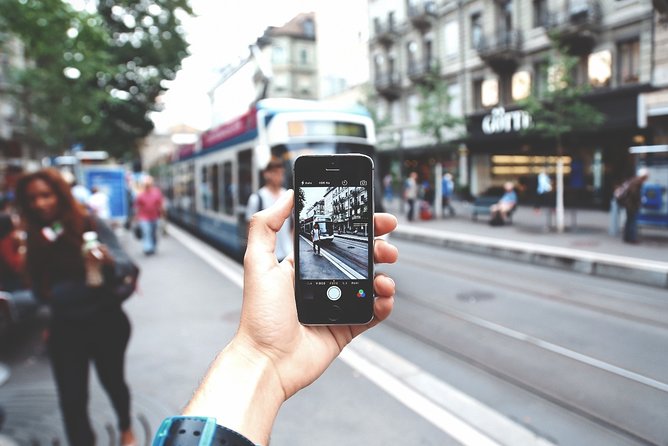
- GPS-led routing helps you find each stop without getting lost.
- A group-friendly format for up to 6 people per booking.
- Riddles go beyond trivia, with tasks that can include audio clips and photo challenges.
- You’ll cover a smart mix of Brussels icons, from Grand Place to art and comic-focused stops.
- Bring your own phone and data since they’re not included.
How the Qula city trail works (and why the timing feels different)
This e-Scavenger hunt Brussels experience runs as a self-guided smartphone city trail by Qula. After you book, you receive an email with instructions for playing on your phone (Android or iPhone compatible). Once you’re at the starting point, you follow the GPS-led map and complete the prompts as you go.
The big practical win is flexibility. There are no fixed start times or reservations. You can begin any day and any hour (it’s listed as open 24/7), and you can pause and stop whenever your group needs a break. That matters in Brussels, where one wrong turn can eat up your energy fast—but you control the pace here.
It’s also private in the sense that only your group participates. So if you’re traveling with kids, friends, or relatives, you won’t get mixed into other groups or feel like you need to keep up with strangers.
One more thing: you’re walking. This is designed around sight-to-sight movement through central Brussels, so plan for comfortable shoes and a little stamina. If your day includes lots of public transit hops, think about how long it will take your group to reach each stop while still enjoying the game.
You can also read our reviews of more city tours in Brussels
Price per group: how $37.29 can work (or not)

The price is about $37.29 per group, for groups of up to 6 people. That means the cost per person can get reasonable if you’re traveling with at least a couple of other people. If you’re a solo traveler, it can feel steep because you’re paying the group rate no matter what.
What I like about the value idea is that you’re buying more than directions—you’re buying a structured way to explore. Instead of wandering and wondering what to look at next, the trail gives you a reason to go from place to place and then encourages you to focus your attention when you arrive.
The trade-off is that you’re not paying for a traditional guide who explains the city history for hours. The questions and assignments are part of the fun, but they also mean you might not get the level of background detail you’d expect from a history-heavy walking tour. If your goal is deep explanations and timelines, you may leave wanting more.
Also remember: smartphone and data aren’t included. So budget for having your own device and enough connectivity for the trail experience. That’s the one “gotcha” that can instantly turn a fun afternoon into a frustrating one.
The game mechanics: riddles, audio clips, and photo tasks

This trail is built around interactive assignments—think riddles and challenges delivered through your smartphone. You’ll move between stops and complete tasks as you reach each location, which is why the GPS guidance is such an important part of the experience.
Some prompts are the classic “look closely and answer” type. Others can involve media. For example, one of the challenges may ask you to listen to a short audio clip and identify the singer connected with the location—Jacques Brel is specifically mentioned in the trail’s context. That’s a very Brussels kind of detail, and it’s also a reminder that the game doesn’t always follow the same style as standard tourist knowledge.
If you’re someone who likes a quiet stroll where you read plaques and soak in facts, this may feel a bit “busy.” But if you enjoy small missions and keeping a score with friends or family, it’s the kind of structure that turns wandering into a shared activity.
Language support helps here. Since it’s offered in multiple languages (English, German, French, Dutch, Spanish, Italian, and more), you’re less likely to get stuck on wording. Still, if you’re relying on precision, keep your expectations realistic: it’s a game format, not a scholarly guidebook.
Walking from Warandepark to Ilôt Sacré: what each stop gives you
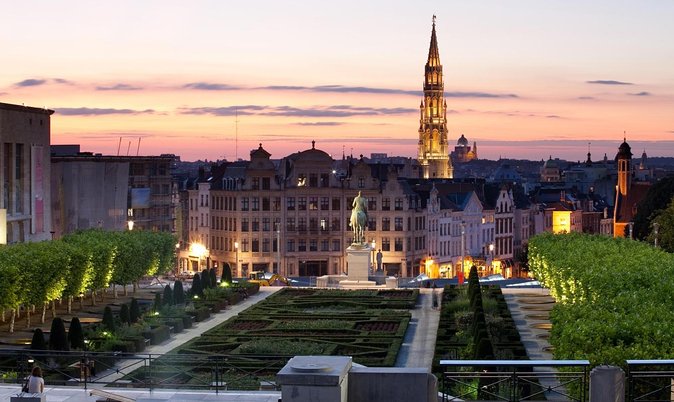
The route is designed to flow from parks and stations into royal and old-town landmarks, then toward museums and shopping streets. You’ll see a lot of Brussels in one stretch, and the game format keeps you from zoning out.
Parc de Bruxelles (Warandepark). This is a strong first stop because it sets a calmer tone before the city center gets loud. It’s also close enough to major sights that you’re not wasting the first minutes fighting transit or distance.
Brussels Central Station. Starting the urban intensity here makes sense. You get a feel for how the city moves and how central Brussels connects by rail. It’s a practical way to transition from scenery to streets.
Royal Palace (Palais Royal). This is where Brussels’ ceremonial side shows up. The palace area is a good spot to slow down and look at the space around it, because big landmarks make the later “photo-and-answer” style prompts easier to interpret.
Hotel de Ville de Bruxelles. This city hall stop is a classic photo moment. In the context of a game, it works well because it gives you something visually distinctive to focus on before you move into the even more detailed old-town fabric.
Manneken Pis. Yes, it’s small. That’s part of the fun. It’s also a great game stop because it’s recognizable at a glance, so your attention can stay on the challenge instead of getting lost in the crowds.
St. Michael and St. Gudula Cathedral (Cathedrale St-Michel et Ste-Gudule). This is a strong “look up” stop. Gothic-style detail often rewards careful observation, which is exactly what a riddle format encourages. If you like architecture, you’ll likely enjoy pausing here longer than you planned.
Brussels Vintage Market. This is your more lifestyle-driven pause. Rather than another monument, it’s a place that can feel like Brussels has a second personality—one that’s about shopping and local browsing. It’s also a nice chance to reset before the big open squares.
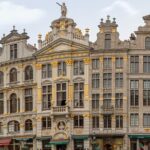
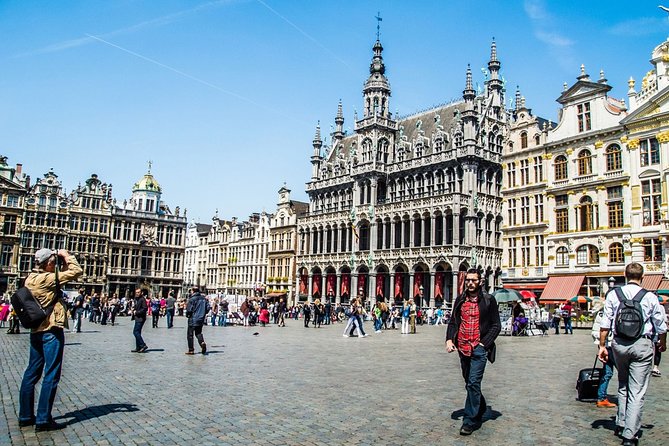
Grand Place. This is the headline stop. The square is a magnet for everyone, but in a self-guided format you can approach it with your own timing, rather than feeling rushed by a group schedule. Let the game prompt pull your eyes to what you might otherwise miss.
Guild Houses. After Grand Place, the guild houses keep the visual story going. This is where the trail’s focus on tasks makes sense: you’re not just seeing pretty buildings; you’re actually using the prompt to decide what matters.
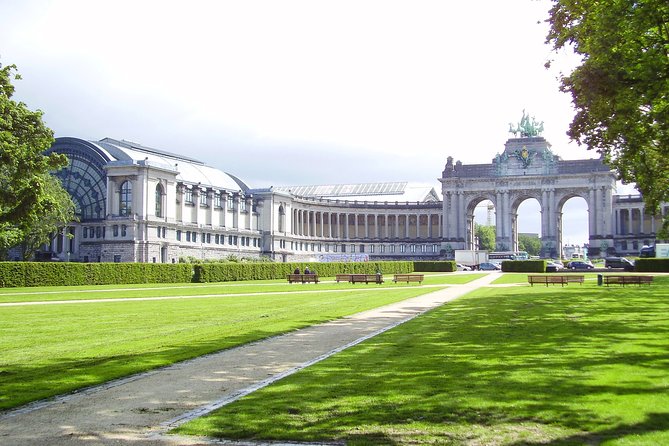
Koninklijke Serres Van Laken (Royal Greenhouses). This adds variety. It’s a different kind of attraction than the medieval core, so it helps break the day into sections. Even if you don’t go inside anywhere, the stop functions as a “change of scenery” moment.
Les Galeries Royales Saint-Hubert. This is one of the most enjoyable strolling environments in central Brussels. The arcade feel makes the walk itself part of the experience, and it’s a good place for a quick snack or a slow look while you keep working through your phone prompts.
Horta Museum (Musee Horta). This is where the trail shifts into Brussels’ design and art nouveau interests. In a game format, museums can sometimes feel like a checkbox, but Horta Museum is an interesting pairing because it’s visually distinctive and easy to connect to “look for details” tasks.
Notre Dame Des Victoires Au Sablon. This church stop gives you another architectural waypoint. The Sablon area has a concentrated vibe, so it’s a good place to stop, refocus, and finish a couple of tasks without feeling like you’re sprinting across the city.
La Mort Subite. This is a fun shift to a cultural stop tied to Brussels’ café-bar life. When a trail includes places like this, it usually signals you’ll get a different taste of the city than the monuments-only approach.
Comic Art Museum – Brussels. This is a great match for a playful scavenger hunt. Comics are all about observation and panels, so it fits the “do the task, look closely, answer” style. It’s also a nice way to break the day’s pacing before the shopping streets.
Rue Neuve. This is your urban energy return. After museums and squares, Rue Neuve can feel like a reset button—more street life, more movement, and plenty of opportunities to stop for a drink or rest your feet.
Quartier de L’Ilot Sacre. This is a final neighborhood-style finish that feels less like a single monument and more like a small district stroll. Ending here helps the trail feel like you explored not just landmark points, but the surrounding fabric too.
By the time you reach the last stop, you’re generally back at the starting area to wrap up. It’s the kind of route that can work as a “first Brussels day” plan if you want a structured overview without committing to a full guided tour.
Navigation tips: how to avoid the map frustrations
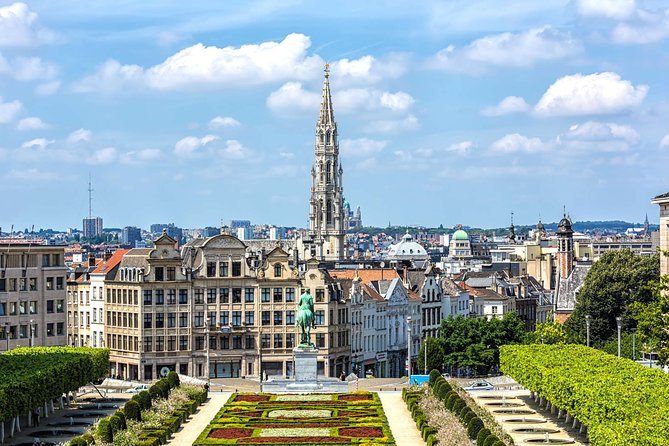
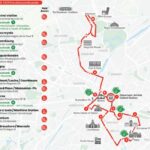
The GPS-led map is the heart of this experience. Still, navigation systems aren’t magic, and place names can be tricky if your group tries to type them exactly into another app. If you’ve ever had a map point you to a similar-sounding street, you’ll understand why this matters.
My practical approach: trust the GPS dot and follow the directions on your phone, even if the label text seems confusing. Use the starting point (Putterie 1, 1000 Bruxelles) as your anchor. If your phone battery is low, this is not the moment to “power through”—bring a small charger or plan a break before you’re desperate.
If you’re traveling with kids, consider doing the first few stops together without splitting up. The game format moves you along a path, and staying together makes it easier to compare answers and keep momentum.
Also, remember the biggest “hardware” requirement: smartphone and data aren’t included. If you don’t have data (or your signal is weak), the experience can turn choppy. So plan to have a working data plan or reliable Wi-Fi access before you start.





Is this right for families, groups, and slow walkers?
I see this as a strong pick for families and mixed-age groups because it turns walking into a shared mission. If you want to avoid the “everyone stands around listening” style of tour, the scavenger hunt format gives you a reason to keep moving at a pace that fits your group.
It’s also good for people who want to avoid crowds without giving up sightseeing. Because you choose the time, you can pick a moment that’s easier on you—morning or later in the day can feel more manageable than peak hours.
For accessibility, the tour is listed as user-friendly for hearing impaired visitors, and service animals are allowed. If your group needs something specific beyond that, check before you go so you’re not guessing.
The main mismatch is expectations. If you’re looking for lots of factual narration about Brussels—street history, monarch timelines, and deep art explanations—this will likely feel lighter. It’s not pretending to be a full guided tour. It’s offering a game that uses the city as the backdrop.
Should you book e-Scavenger hunt Brussels?
Book it if you want a self-paced, game-based way to cover big-name Brussels stops while keeping things fun for multiple ages. It’s especially worth it when you’re traveling in a group of up to 6, since the group rate makes the per-person math work.
Skip it if you want a traditional guided experience with heavy commentary and detailed place-by-place history. Also skip it if you don’t plan to use a smartphone comfortably or you’re worried about data access.
If you’re the kind of traveler who likes a plan but also likes control, this Qula city trail is a solid choice for a few hours in Brussels—structured enough to keep you on track, playful enough to make the walking feel like an activity, not a chore.
FAQ
How many people can join per booking?
The price is per group, and the trail is for a team of max 6 people.
How long does the e-Scavenger hunt take?
The experience takes about 3 hours on average.
Do I need a specific start time?
No. There are no fixed starting times or reservations. You can choose your own day and time, and it’s available 24/7.
What device do I need to play the trail?
You play on your smartphone, and it’s compatible with both Android and iPhone. Your smartphone is not included in the price.
Do I need mobile data?
Yes, data is not included. Since the trail uses your phone, plan on having enough data or connectivity to complete the challenges.
Where does the trail start, and where does it end?
It starts at Putterie 1, 1000 Bruxelles, Belgium, and it ends back at the meeting point.