
REVIEW · BRUSSELS
Brussels: Museum of Illusions Entry Ticket
Book on GetYourGuide →Operated by Museum of Illusions Brussels · Bookable on GetYourGuide
Your brain is about to argue with your eyes. The Museum of Illusions in Brussels is built around 60+ interactive optical illusions you can play with and photograph, and I also love how the staff actively help with group photos as you move through the rooms. One catch: it’s more of a playful experience than a quiet, deep-learning museum, so if you want a long, serious exhibit, plan something else too.
For most people, the payoff comes fast. You’ll spend around an hour doing hands-on challenges, trying brain games, and figuring out why your senses can be so stubborn. And yes, you might end up smiling, groaning, and taking a few pics you’ll actually post.
In This Review
- Key Takeaways Before You Go
- What You’re Really Paying For in Brussels
- 60+ Interactive Optical Illusions That Mess With Your Senses
- Brain-Teasing Puzzles and Games, Not Just Photo Ops
- How the 1-Hour Visit Feels in Real Life
- Meeting Point and Voucher Exchange: The One Thing to Watch
- Languages and Staff Help That Makes It Easier
- Practical Tips: What to Bring and How to Enjoy It More
- Price and Value: Is $22 a Good Deal?
- Who Should Book This Museum of Illusions Ticket?
- Booking, Cancellation, and Timing Notes (Quick and Useful)
- Accessibility: Is It Wheelchair-Friendly?
- Should You Book the Museum of Illusions Brussels?
- FAQ
- How long is the Museum of Illusions Brussels visit?
- What is included with the entry ticket?
- Where do I go to use my voucher?
- Is there food and drinks included?
- What languages are staff available in?
- Is the museum wheelchair accessible?
- Can I cancel for a refund?
- Can I reserve without paying right away?
- How many illusions can I expect?
Key Takeaways Before You Go
- 60+ interactive illusions: optical tricks you can touch, try, and test with your own eyes and hands
- About 1 hour of play: a tight visit that works even if your Brussels time is limited
- Photo-friendly setup: lots of moments designed for quick group shots and fun videos
- Staff who help you move and shoot: guides are available in English, French, and Dutch
- Brain games and puzzles: not just visuals, there are challenges that tug at your logic
What You’re Really Paying For in Brussels
This is an entry-ticket experience, not a guided city tour with multiple stops. You buy one ticket, you get access to the Museum of Illusions Brussels exhibition, and you spend your time going from room to room trying illusions and solving little challenges along the way. The museum’s whole premise is simple: your brain is a guesser, and illusions are how you catch it in the act.
At $22 per person, the value comes from the format. You’re not paying for a long lecture hall or a museum that demands quiet contemplation. You’re paying for a one-hour block of hands-on interaction plus plenty of photo moments, which is a pretty good deal when you want something fun that also feels different from standard sightseeing.
One more useful thought: this place is at its best when you lean in. If you treat it like a quick walk-through and don’t stop to try things, you’ll miss part of the point.
You can also read our reviews of more tours and experiences in Brussels


60+ Interactive Optical Illusions That Mess With Your Senses
The headline here is big and clear: you’ll encounter more than 60 interactive and Instagrammable illusions. That means you’re not only looking at static displays. You’ll be doing the action—standing in the right spot, interacting with visual setups, and watching how perception changes when you move.
I like that the museum keeps the experience playful. Optical illusions work best when you can test them yourself in real time, and that’s what the layout pushes you to do. Even if you’ve seen similar tricks online, you’ll still get that moment of disbelief when your own eyes disagree with the result.
There’s also a side of “science-ish” thinking, even if it doesn’t feel like a classroom. You’ll notice patterns: your brain fills in gaps, your depth cues can be tricked, and your perception can be affected by what you expect to see. You don’t need a background in psychology to enjoy it. You just need to be willing to try and fail a couple of times.
And yes, optical illusions can make some people feel a bit dizzy. If that’s a concern for you, move slowly, take breaks between rooms, and sit down for a minute if needed.
Brain-Teasing Puzzles and Games, Not Just Photo Ops
The museum doesn’t rely only on visual tricks. You’ll also find fun games and brain-teasing puzzles mixed into the experience. This is important because it gives your visit more variety than a simple picture scavenger hunt.
For couples, the puzzle part can turn the museum into a light team activity. For families, it keeps kids engaged beyond the novelty phase. For solo visitors, the games give you something to focus on while you test different illusions.
One practical tip: don’t rush the puzzles. Many of the challenges feel quick, but solving them is often about noticing details and trying again with a different angle or approach. If you just snap photos and move on, you’ll still enjoy it, but you’ll get less satisfaction from the actual problem-solving.
How the 1-Hour Visit Feels in Real Life
The highlights call out a 1-hour visit, and that’s the right planning assumption. For a lot of people, the museum plays out around that timeframe because the experience is interactive but not overly long. It’s more “try everything before your legs get tired” than “spend a morning in one wing.”
Here’s how to make that hour work in your favor:
- Start strong and don’t overthink the first rooms. Get your rhythm fast.
- Pick a few illusions to repeat if they genuinely confuse you. That’s usually where the fun is.
- When you see a puzzle, pause long enough to really try, then move on if you’re stuck.
If you’re visiting with kids, aim for shorter bursts. Take photos when it’s quick, then do one or two games at a time. For adults, you can go a bit longer at each illusion that grabs your attention.
The museum is also a good “rain plan.” Brussels weather can be unpredictable, and this kind of indoor activity saves you from turning the day into a washout.
Meeting Point and Voucher Exchange: The One Thing to Watch
Before you can enter, you must exchange your voucher at the ticket counter before the tour begins. That’s the main step that can slow you down if you show up without doing it.
So, build in a few minutes for the exchange and let that set your pace. Don’t plan to arrive right on the minute and then sprint into the exhibition. Think of it as an easy pre-entry step, then you’re free to go.
Also, the ticket is listed as valid for 1 day, and starting times depend on availability. That means you’ll want to check the time slot options before you lock in your day around it.
You can also read our reviews of more museum experiences in Brussels
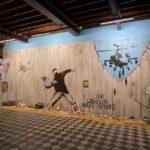


Languages and Staff Help That Makes It Easier
This isn’t a complicated museum where you need instructions every second. Still, the presence of staff matters, especially if you’re trying to get group photos or you want a clue when an illusion isn’t working the way you expect.
You can get help from a host or greeter in English, French, and Dutch. That’s a helpful spread for visitors, and it also makes the experience smoother if you’re traveling with friends or family from different language backgrounds.
One review detail I found especially reassuring: staff members actively help visitors take photos. If you’re traveling as a couple or in a small group, this is the difference between having a few “okay” shots and having pictures where everyone actually looks like they’re having fun.
And if you’re the type who likes to understand what you’re seeing, you’ll likely appreciate the staff’s willingness to explain the idea behind the illusions. People tend to enjoy the experience more when they don’t feel totally left guessing.
Practical Tips: What to Bring and How to Enjoy It More
This museum is playful, which means your visit goes better with a few basics.
Bring:
- A smartphone for photos and short videos
- Comfortable shoes for moving around
- A little patience for the moments where the illusion requires your exact position
You might want to keep your hands free, too. Many of the interactions are easier when you can use your body naturally without wrestling with bags.
Go in with the right mindset:
Try to treat each illusion like a tiny experiment. If it works one way, adjust your position and try again. That’s where it stops being random and starts being satisfying.
And if you get the feeling that your eyes are being played like a drum, you’re doing it right. The whole point is that perception is negotiable.
Price and Value: Is $22 a Good Deal?
At $22 per person, this ticket sits in the “worth it if you’ll actually play” category. The museum includes the entry ticket, and you’re getting an experience built around interaction, games, and photo-ready moments. That’s why the cost can feel fair: you’re not just observing; you’re participating.
What’s not included is also important. Food and drinks are not included, so factor that into your budget. If you’re planning a long day in central Brussels, you’ll probably want to grab a snack or drink nearby either before or after your museum time.
Where the value really shows up is in timing. If you only have a few hours free, paying for a one-hour indoor activity that’s engaging can save the day. If you have plenty of time, it still works well as a fun break between other sights.
Who Should Book This Museum of Illusions Ticket?
This is a strong match for:
- Families who want an activity that works for kids and adults without long lectures
- Groups of friends who want something playful and photo-friendly
- Rainy-day planners looking for a dependable indoor plan
- Visitors who like interactive attractions, puzzles, and experiments
It might be a weaker match if:
- You prefer museums with quiet, deep historical or artistic context
- You get easily overwhelmed by visual stimulation
- You want a half-day or full-day program with lots of separate exhibits
In other words, it’s best as an intentional, time-boxed activity. Think of it as an hour of controlled weirdness.
Booking, Cancellation, and Timing Notes (Quick and Useful)
You can book with free cancellation up to 24 hours in advance for a full refund. You can also choose reserve now & pay later, which helps if you’re still shaping your Brussels schedule. Starting times depend on availability, so check what fits your day before you finalize.
Once booked, don’t forget the key step: swap your voucher at the ticket counter before the museum begins.
Accessibility: Is It Wheelchair-Friendly?
The ticket listing states that the museum is wheelchair accessible. That’s a big plus for visitors who need a smoother route through indoor attractions. If you or someone in your group uses mobility equipment, you can feel more confident planning this as a doable indoor option.
Should You Book the Museum of Illusions Brussels?
I’d recommend booking this ticket if you want a fun, interactive Brussels activity that doesn’t require special planning. The 60+ illusions, the brain games, and the fact that staff help with the experience (including photo moments) make it a good use of limited time.
If you’re traveling with kids or a mixed-age group, this is even more compelling. It’s one of those places where everyone can find a role, whether that’s solving, experimenting, or just enjoying the silly surprise of watching your brain get tricked.
On the other hand, if you’re chasing a traditional museum day, you might feel it’s too short and too playful. In that case, pair it with something else so the day still feels full.
FAQ
How long is the Museum of Illusions Brussels visit?
The experience is designed around a 1-hour visit.
What is included with the entry ticket?
The entry ticket includes access to the Museum of Illusions Brussels exhibition.
Where do I go to use my voucher?
You must exchange your voucher at the ticket counter before the tour begins.
Is there food and drinks included?
No, food and drinks are not included.
What languages are staff available in?
Support is available in English, French, and Dutch.
Is the museum wheelchair accessible?
Yes, the museum is listed as wheelchair accessible.
Can I cancel for a refund?
Yes. You can cancel up to 24 hours in advance for a full refund.
Can I reserve without paying right away?
Yes. The option reserve now & pay later is available.
How many illusions can I expect?
You’ll experience more than 60 interactive and Instagrammable illusions.