REVIEW · BRUSSELS
Brussels Like a Local: Private & Personalized Experience 2-4 hrs
Book on Viator →Operated by City Unscripted · Bookable on Viator
Brussels clicks when you walk with a local. I like that this is a private experience shaped around your interests, not a fixed checklist. I also like that you’ll get hands-on stops for beer and chocolate, guided so you taste what fits your style. One possible drawback: it’s mostly walking, so comfortable shoes matter, especially if the weather turns.
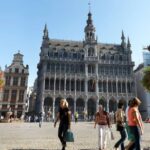
This tour mixes classic Brussels landmarks with side streets and modern districts, so you get the city’s full personality in a short window. You start at Grand Place and its UNESCO guildhall beauty, then add iconic symbolism like Manneken Pis, plus architecture around Royal Palace, Atomium, and the EU Quarter. Even when guides are strict about history (Sebastian and Patrick are singled out for that), they still keep it fun and flexible.
You’ll book for 2 to 4 hours, usually walking, with occasional public transport if sites are farther apart. The whole thing runs in English, you get a mobile ticket, and your host asks a few questions first so the day feels tailored instead of generic.
In This Review
- Key highlights at a glance
- Getting started: why the host-led plan works in Brussels
- What I’d watch for
- Grand Place UNESCO: the square that teaches you the city
- Why it’s worth your time
- Manneken Pis: the mischievous statue with real meaning
- Royal Palace area: neoclassical power plus practical photo time
- What to do here
- Brussels beyond the center: a calmer suburb side trip
- A realistic trade-off
- Passion Chocolat: tasting Belgian chocolate with direction
- Don’t miss the simple strategy
- Belgian beer café: Trappist classics and craft options
- Why beer fits a walking tour
- Atomium and Expo 1958: the sci-fi landmark with viewpoints
- How to enjoy it more
- Street art wall: seeing Brussels update itself
- A small tip
- European Quarter: EU institutions and a modern Brussels detour
- Who this part suits
- Walking time, transport tweaks, and weather reality
- Smart prep for comfort
- Price and value: what $95.84 per person buys you
- The main cost caveat
- Who should book this private Brussels experience
- Should you book Brussels Like a Local?
- FAQ
- How long is this Brussels private walking tour?
- Is the experience private or shared with other travelers?
- Where do we meet the host?
- Is pickup available?
- How is the itinerary customized to my interests?
- What’s included in the tour price?
- Are food, drinks, or attraction tickets included?
- Do I need to pay for transportation between stops?
- What language is the tour offered in?
- Are service animals allowed?
Key highlights at a glance
- A questionnaire-led route that fits your pace and must-sees
- Grand Place UNESCO storytelling with architectural details you’d miss
- Manneken Pis symbolism explained beyond the funny photos
- Passion Chocolat stop to focus your chocolate choices
- Beer café guidance for Trappist and craft styles that match your tastes
- Big contrasts from Atomium to the EU Quarter and street art walls
Getting started: why the host-led plan works in Brussels
Brussels is one of those cities where a good plan matters. Distances are walkable, but the fun details are scattered. This is why a local host-led approach feels smart: you’re not locked into someone else’s “one size fits all” route.
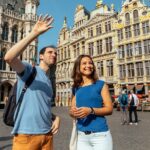
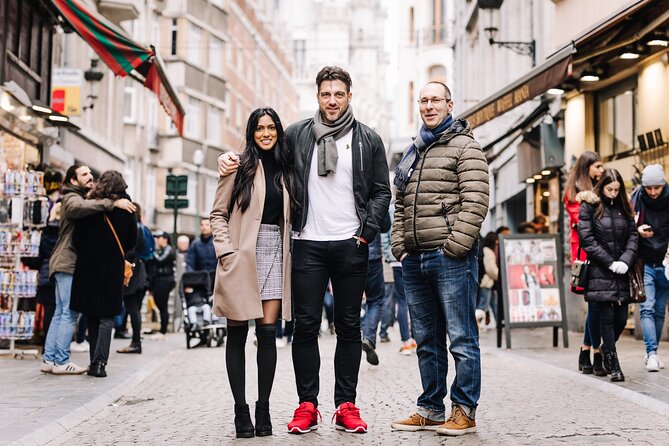
Before you go, you’ll fill out a short questionnaire. Then your host reaches out directly to shape the day around what you care about most—history, food and drink, art, or a calmer route with less hurry. That personal touch shows up in pace too. In multiple guide examples (like Fabio and Florane), the common theme is adapting on the fly rather than marching everyone through the same photo spots.
Another small but useful benefit: because it’s private, you don’t spend time waiting for a group. If you want an extra minute at a building detail or you’re ready to move on, it’s easier to adjust.
You can also read our reviews of more private tours in Brussels

What I’d watch for
Since it’s walking-first, you should be realistic about how long you’ll want to be on your feet. If you’re hoping for a mostly-vehicle sightseeing day, this probably won’t match that expectation.
Grand Place UNESCO: the square that teaches you the city
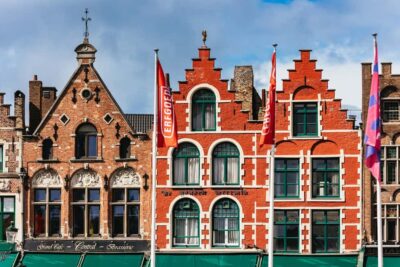
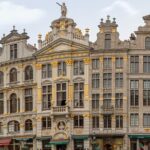
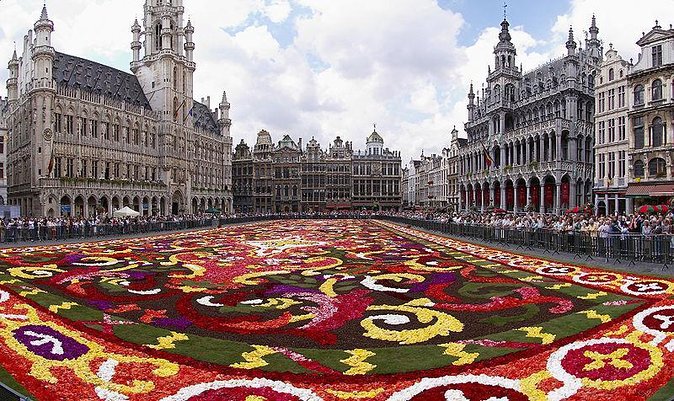
Your tour begins around Grand Place, which is the kind of place that looks impressive even before you know what you’re looking at. The host frames it as more than a scenic stop. You’ll get stories tied to the guildhalls’ ornate facades and the events that shaped the square into a political and social stage.
This is a great start for first-time Brussels visitors. After you understand what the guilds were signaling—power, wealth, civic pride—you’ll notice that many nearby details aren’t decorative fluff. They’re messages. The host usually points out the symbolism above the facades and connects it to Belgium’s broader historical narrative.
Why it’s worth your time
Grand Place is crowded, and there’s always a risk you’ll just snap photos and move on. With a local host, you slow down just enough to see the building language: shapes, carvings, and the reasons this area became a focal point.
Manneken Pis: the mischievous statue with real meaning
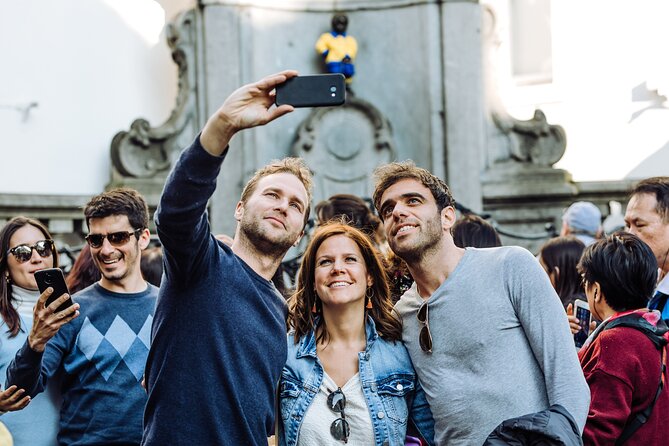
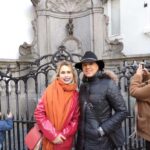
Next comes one of Brussels’ most famous micro-legends: Manneken Pis. Yes, it’s quirky and iconic. But the payoff is what your host does with it. You’ll learn how this tiny figure became a symbol through changing costumes and the stories people attached to it over time.
This stop works because it’s short. You can learn something big without losing your whole afternoon to lines or museum logistics. And it’s also a confidence builder. Once you understand how the city turns playful symbolism into identity, the rest of the tour feels easier to interpret.



Royal Palace area: neoclassical power plus practical photo time
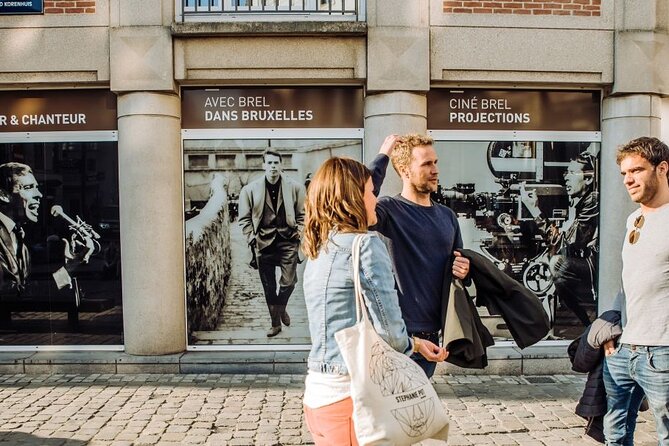
You’ll visit the Royal Palace area for its neoclassical presence and the grand scale of the surrounding spaces. Your host shares context about Belgium’s royal heritage and how it still matters today.
One practical note: the interior isn’t always open to visitors, so don’t expect a palace tour experience every time. The upside is that you still get plenty of photo opportunities around the palace and gardens, where the architecture and landscaping do the heavy lifting.
What to do here
Go in ready to look outward. The best way to appreciate this stop is by paying attention to symmetry, facade rhythm, and how the square frames the building. Your host can point out what those design choices are communicating.
Brussels beyond the center: a calmer suburb side trip
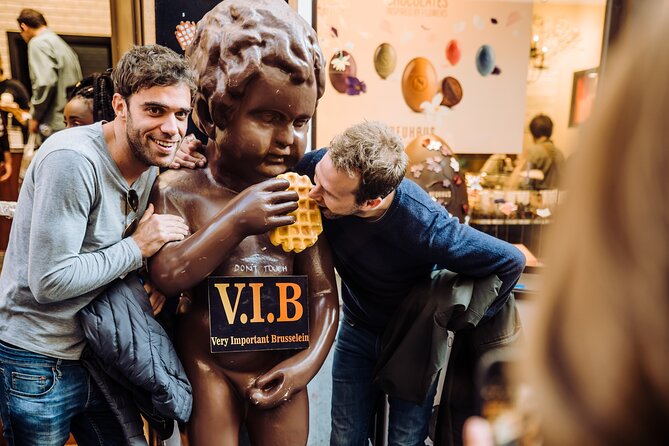
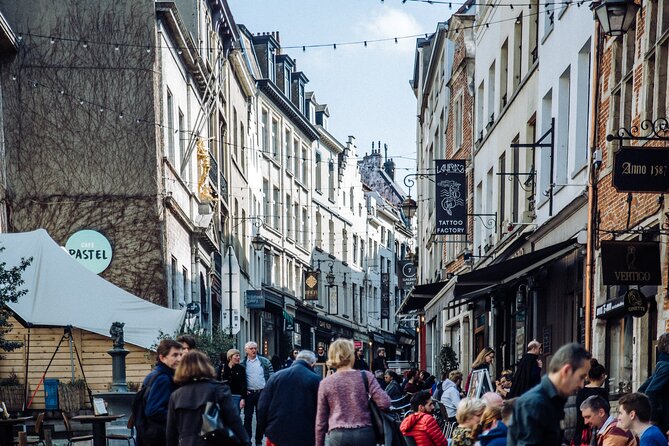
A key part of the experience is escaping the most intense city-center energy. You’ll shift to a quieter, suburb-like pocket that feels more village in mood. Expect green spaces, picturesque streets, and smaller-scale shopping with artisanal boutiques.
This is where you get a breather. It also helps you understand Brussels as a living city, not just a collection of monuments. If your route starts to feel too “big sights only,” this stop gives your brain a different kind of Brussels input.
A realistic trade-off
This isn’t going to replace major landmarks. It’s more about texture—streets, local rhythm, and a sense of everyday life. If you’re extremely short on time and want only headline attractions, you might consider trimming this style of stop. If you like atmosphere, it’s a win.
Passion Chocolat: tasting Belgian chocolate with direction
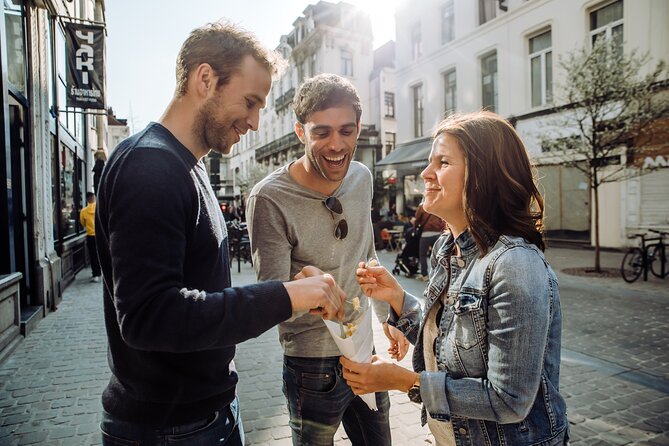
Then comes chocolate, and not just a random sweet stop. You’ll head to Passion Chocolat, one of Brussels’ notable artisanal chocolatiers. Your host helps you navigate the chocolate scene by pointing out what to try and how different offerings relate to the city’s reputation.
This is one of the best “local guidance” moments because chocolate menus can get overwhelming fast. With a host directing you, you’re less likely to buy the most familiar option and more likely to taste something that matches what you enjoy—milk vs darker styles, different fillings, and how brands present their flavors.
Don’t miss the simple strategy
If you’re also doing beer, plan your chocolate tasting portion. A small tasting is often enough to keep your next stop enjoyable instead of syrupy-overloaded.
Belgian beer café: Trappist classics and craft options
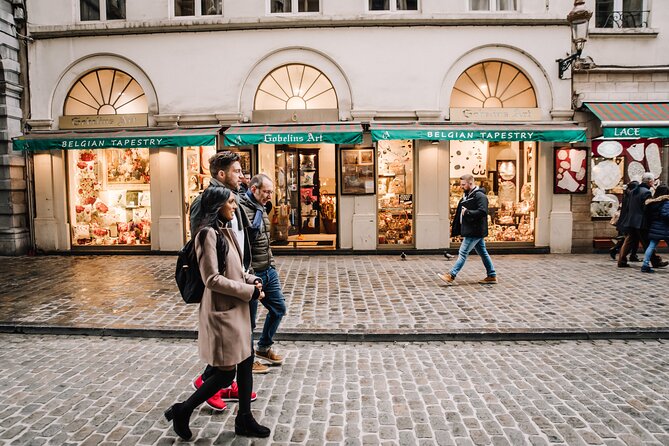
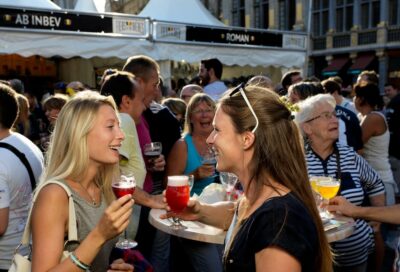
Brussels is serious about beer, and this tour treats it that way. You’ll visit a welcoming café where you can explore both classic Trappist brews and more innovative craft styles.
Important practical detail: food and drinks aren’t included. Your host’s value here is decision support. They help you choose based on what you like—lighter vs stronger profiles, traditional styles vs newer experiments—so you’re not left guessing from a giant menu.
Why beer fits a walking tour
Beer is a nice pivot point. You get a sit-down moment, conversation, and a chance to learn how Belgium’s brewing culture works as a system. It’s also an easy way to connect Brussels history to modern taste.
Atomium and Expo 1958: the sci-fi landmark with viewpoints
Next up is the Atomium, a futuristic structure originally built for the 1958 World Expo. It’s one of those “only in this city” sights, and your host explains why it looks the way it does and what that design represents.
If you want more than photos, you can explore the exhibitions and go for the panoramic views. Your host can guide you on what’s most worth your time based on the day’s pacing. Again, check expectations: attraction tickets are not included, so you’ll likely pay at the site if you choose to enter.
How to enjoy it more
Spend a few minutes on how the building behaves visually—angles, scale, and how it changes as you move around it. The Atomium is dramatic from outside, but it becomes even more memorable when you understand the Expo idea behind it.
Street art wall: seeing Brussels update itself
If you like art that feels alive, don’t skip this stop. You’ll see a street art wall that keeps changing, featuring talent from local and international artists.
This works well late in the route because you’re already primed to notice contrasts—old architecture next to modern expression. Your host helps you read the space instead of treating it like a backdrop.
A small tip
Plan to slow down. Street art reads best when you give it a minute or two per section, not when you’re only glancing while walking by.
European Quarter: EU institutions and a modern Brussels detour
Finally, you head to the European Quarter to explore the institutions that shape EU life. You’ll see modern architecture and the major EU buildings around the area. If you want an extra add-on option, your host mentions the Parliamentarium as a possible way to understand the EU story in a structured format.
There’s also a practical “insider” angle: your host will point you toward a lesser-known neighborhood tucked within the modern landscape. That kind of contrast is useful because the European Quarter can feel same-y if you only stick to the obvious viewpoints.
Who this part suits
If you’re even mildly curious about how politics turns into daily life, this section adds context. If you’re not into institutions, you can still enjoy it as modern architecture and city planning in action.
Walking time, transport tweaks, and weather reality
This is a 2 to 4 hour private walking experience. Most of the time you’ll be on foot, and the tour ends back at the meeting point. For longer distances, your host may suggest public transport, and any transport costs can be settled on the day.
Weather matters here. Belgium can throw rain at you with no warning. When that happens, a private guide makes a difference: you can adjust your route rather than being stuck with an inflexible group itinerary.
Smart prep for comfort
- Wear shoes you can walk in for a few hours.
- Plan for a couple of short pauses. Even when there’s no formal break scheduled, a good host will keep things moving at a pace that works for you.
Price and value: what $95.84 per person buys you
At $95.84 per person, the cost can feel high if you’re comparing it to a cheap group tour. But this isn’t mainly about checking boxes. It’s about buying time with a private host and getting guidance that changes what you do with your limited hours.
Here’s where the price starts to make sense:
- You get personalization through a questionnaire and direct host communication.
- You get a focused route that blends major landmarks with smaller, story-driven stops.
- You get decision help for food and drinks later in the day, like where to go for chocolate and how to choose beers.
Also, this experience tends to get booked in advance (the average booking window is about 53 days). That’s a clue that people value the format: fewer crowds, more guidance, and a route that fits your interests.
The main cost caveat
Tickets for attractions and food/drinks aren’t included. If you plan to enter the Atomium exhibits, that will add to your total. If you’re budgeting tightly, you can still enjoy the big sights without going inside every option.
Who should book this private Brussels experience
Book it if you want:
- A guided day that adapts to your interests instead of forcing a fixed script
- A strong first pass through Brussels with context you can actually use
- More than just photos: you want story explanations at places like Grand Place and Manneken Pis
- A practical plan for chocolate and beer stops, where choices can otherwise feel random
Skip it if:
- You hate walking or you want a mostly vehicle-based tour
- You only care about museum interiors and want guaranteed ticketed access at every stop
Should you book Brussels Like a Local?
If you’re spending a short time in Brussels and want your day to feel meaningful, I’d book it. The big win is the private, host-shaped itinerary: it’s built for curiosity and pacing, not for rushing. Add in chocolate and beer guidance, and you get a Brussels experience that feels both local and useful, not like a checklist someone else made for you.
If your idea of travel is mostly relaxing, pick a slower pace with your host from the start and be ready to adjust when weather hits. Otherwise, this is a solid way to understand Brussels fast and taste it the way locals do.
FAQ
How long is this Brussels private walking tour?
It runs for about 2 to 4 hours.
Is the experience private or shared with other travelers?
It’s private. Only your group participates.
Where do we meet the host?
The start point is Starbucks Grand Place 4, 1000 Bruxelles, Belgium. The tour ends back at the meeting point.
Is pickup available?
Pickup is offered if you choose a hotel (if your hotel is listed) or a central landmark option. If your hotel isn’t listed, you select the central landmark instead.
How is the itinerary customized to my interests?
After booking, you receive a short questionnaire. Your host personally reaches out to craft the itinerary around your preferences.
What’s included in the tour price?
You get a private and personalized walking tour with a local host, the 2 to 4 hour experience, the questionnaire, and direct communication with your host.
Are food, drinks, or attraction tickets included?
No. Food, drinks, and tickets to attractions are not included.
Do I need to pay for transportation between stops?
Transportation isn’t included. The tour is primarily walking, but public transport may be used for longer distances, and costs can be discussed with your host on the day.
What language is the tour offered in?
The tour is offered in English.
Are service animals allowed?
Yes, service animals are allowed.