REVIEW · BRUSSELS
Brussels: Private 3-Hour Sightseeing Walking Tour
Book on GetYourGuide →Operated by Omnia Travel · Bookable on GetYourGuide
Brussels rewards fast walking. In just three hours, you get a tight sweep of the city center with smart stops and room for questions. I like how this tour doesn’t feel like a checklist; it feels like a guided route through the places that make Brussels work.
What I really love is the combo of Grand Place and the stories that connect it to the surrounding streets. Second, I enjoy the chocolate window-shopping vibe: you’ll pass chocolate shops and manufacturers, which makes the walk feel fun, not just formal.
One thing to consider: the schedule is built for walking, but if you’re the type who hates waiting, you should ask your guide how they handle breaks and timing. One past guest flagged that the tour ran short and included a long pause.
In This Review
- Key highlights you’ll care about
- Why a private 3-hour walk is the smart Brussels plan
- Meeting up in central Brussels, with pickup that actually helps
- Entering Grand Place: guild houses, big square energy, and a perfect first anchor
- St Hubertus Galleries and the Manneken Pis classic without the chaos
- Chocolate stops that make the walk feel like Brussels, not just architecture
- Place de la Bourse: the 19th-century stock-market mood
- Place de la Monnaie and Saint Goedele: opera-square views and a cathedral moment
- Warande Park to the Royal Palace: a calmer stretch with big “official” energy
- Sablon Square back toward Grand Place: finishing with style
- Guide quality is the whole game: what stood out from real experiences
- Price and value: what $347 per group means in practice
- Who this tour suits best (and who might want a different plan)
- Should you book this Brussels walking tour?
- FAQ
- FAQ
- How long is the Brussels private sightseeing walking tour?
- How much does it cost, and how big is the group?
- Is a guide included?
- Where do we meet the guide in Brussels?
- What languages are available for the live guide?
- Are meals and entrance fees included?
Key highlights you’ll care about
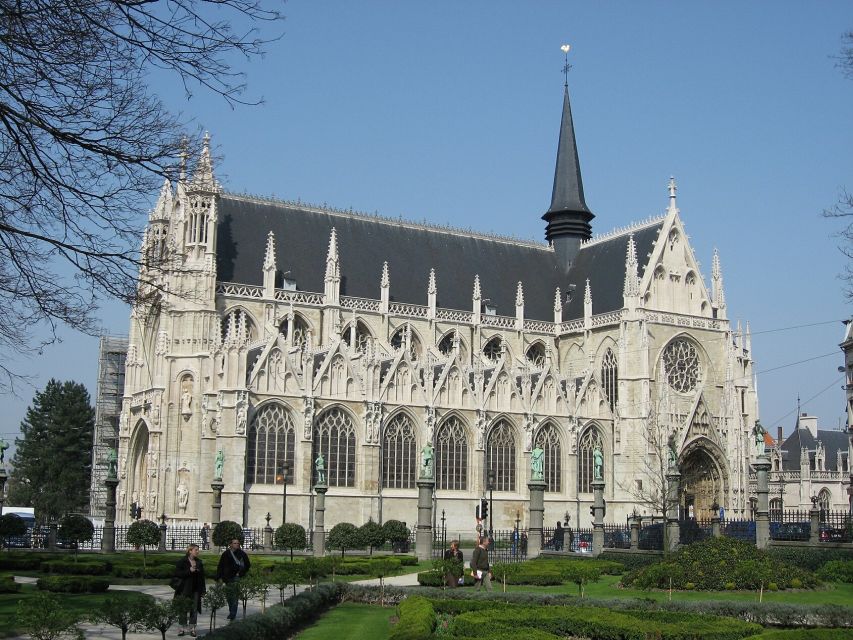
- Grand Place + guild-house views without rushing the best angles
- Manneken Pis as a quick, classic photo-and-story stop
- Chocolate shop and manufacturer passes to keep the walk lively
- Place de la Bourse with its imposing 19th-century stock-market setting
- Warande Park to the Royal Palace area, a calmer stretch after the squares
- Sablon Square as a satisfying turn back toward Grand Place
Why a private 3-hour walk is the smart Brussels plan
Brussels is one of those cities where you can waste half a day figuring out routes. A private walking tour is different. It gives you a clear path through the center, and you don’t have to guess what’s worth your time.
Three hours is also a sweet spot for attention. You get enough time to see the big landmarks and still feel like you’re moving like a local, not marching like a school group. If you’re on a short visit, or you want something that works alongside museums and food stops, this format is practical.
And because it’s private, you can actually steer it. You can ask why something looks the way it does, or what mattered historically in this part of town. In real life, that’s where a walking tour stops being background noise and starts becoming useful.
You can also read our reviews of more walking tours in Brussels
Meeting up in central Brussels, with pickup that actually helps
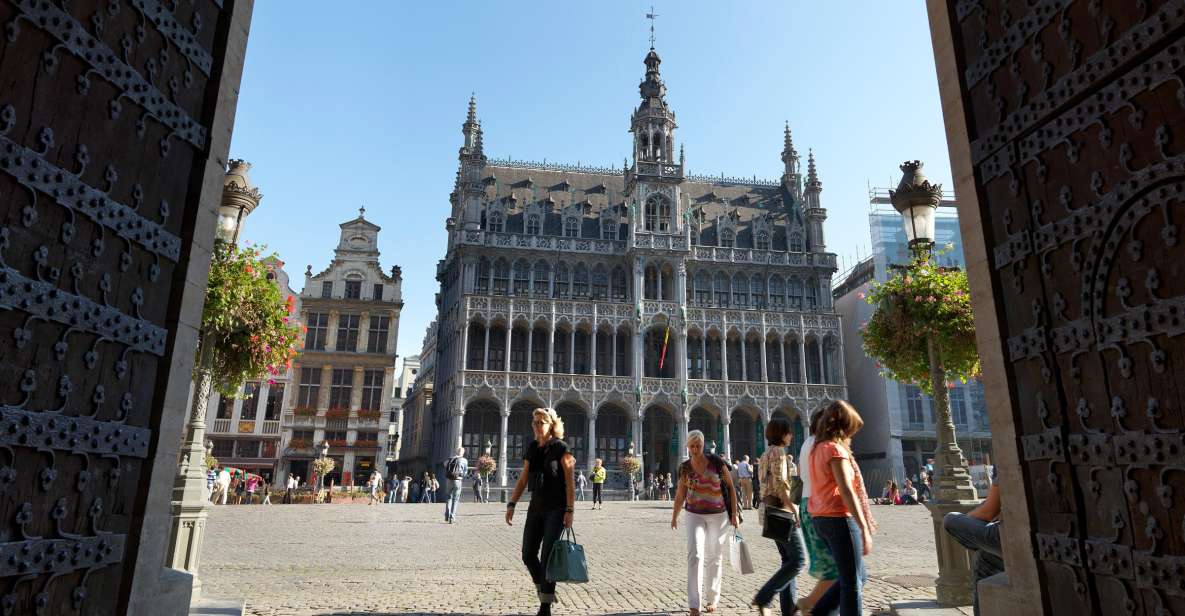
You meet your guide either at your hotel lobby (only if your hotel is centrally located) or at a central spot in front of the Tourist Office on the Grand Place (Grote Markt).
That matters more than it sounds. Brussels center is compact, but it can still eat time if you’re walking from the wrong tram stop or hunting for your meeting point. Having a central starting location keeps the first 20 minutes from feeling like an errand.
Your itinerary can also shift. The route adapts to where you start, and the order of visits may change. That’s normal for an efficient walking plan, and it’s usually a good sign: it means the guide is optimizing for flow.
Entering Grand Place: guild houses, big square energy, and a perfect first anchor
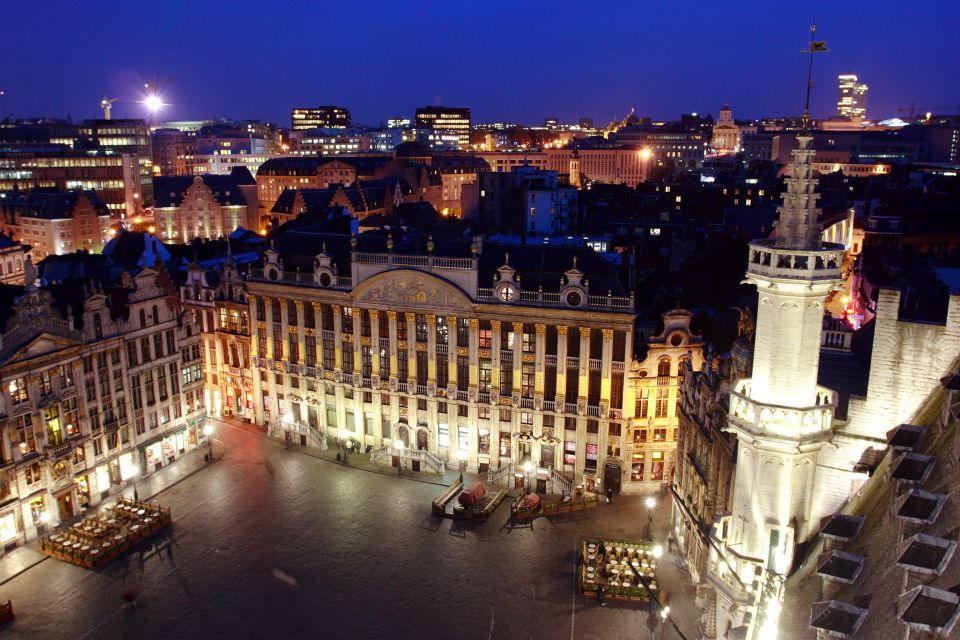
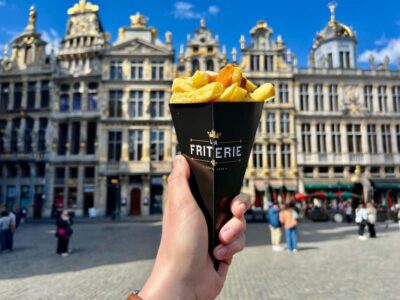
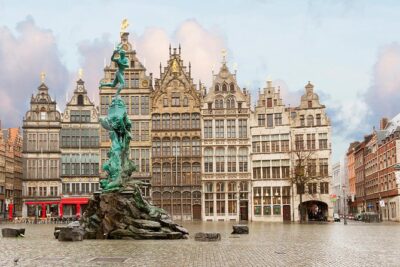
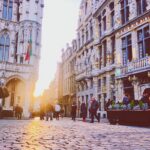
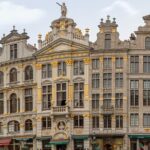
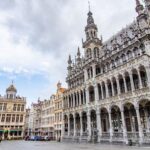
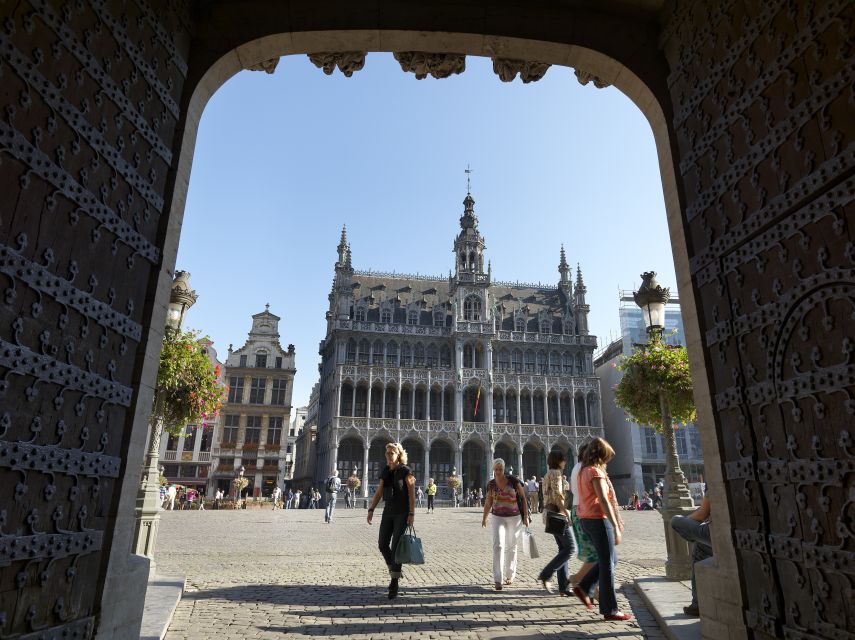
Most Brussels highlights orbit the Grand Place. This tour brings you right into that orbit and gives you time to appreciate the surroundings—especially the guild houses that frame the square’s look and feel.
Here’s what I think works well for you as a traveler: Grand Place is visually intense. If you arrive with no context, you can end up just taking photos and moving on. With a guide, you understand what you’re looking at, and that makes your pictures better later. You’ll also know where to stand for the views without circling around like you forgot your own map.
The tour also sets you up for a classic Brussels rhythm. From Grand Place, you continue into nearby streets and passages where the city’s character shows up in smaller details. So Grand Place isn’t just a stop—it becomes the anchor for the rest of the walk.
St Hubertus Galleries and the Manneken Pis classic without the chaos
From the Grand Place area, you’ll pass through St Hubertus galleries. This is one of those connectors in Brussels where the city feels different than the big open squares. Even if you’re not there for shopping, it’s a good reset after the square’s intensity.
Then comes Manneken Pis—the statue you hear about everywhere, and for many people, it’s the first real “I’m here” moment. On this tour, it’s handled as a quick stop with guidance, not a long detour. That keeps the pacing friendly if you want to keep moving and still get the famous photo.
If you’re traveling with kids or you’re simply curious, this part is fun because it breaks the “serious sightseeing” mood. Brussels can be elegant and grand. It can also be playful, and this is where you feel that side.
Chocolate stops that make the walk feel like Brussels, not just architecture
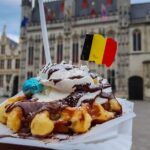
One of the best pieces of the tour is how it weaves in the local love for chocolate. You’ll pass chocolate shops and manufacturers as you move between sights.
This is value, not fluff. In a city that can be heavy on landmarks, chocolate-related stops keep your motivation up. They also give you practical ideas for what to buy later. You’ll see how the chocolate culture shows up in everyday street-level life, not just in one showroom.
A small practical tip: if you care about what you’re buying, treat these passes as a chance to spot brands and styles to remember. You can then decide later when you’re not walking and your hands aren’t full.
You can also read our reviews of more private tours in Brussels


Place de la Bourse: the 19th-century stock-market mood
Next up is Place de la Bourse, home to an imposing 19th-century stock market setting. It shifts the tone from the medieval-feeling center toward a more civic, business-era atmosphere.
This stop works because it adds variety. Brussels isn’t only about one style of landmark. You’ll see how the city made room for commerce and power too, and you’ll likely get stories about the neighborhoods that connect to how the city developed.
One consideration: since this tour is time-focused at three hours, you won’t linger forever in every square. But that’s the point. You get a clear snapshot of multiple eras without burning the day.
Place de la Monnaie and Saint Goedele: opera-square views and a cathedral moment
You’ll then head to Place de la Monnaie, known for its opera house setting. This area adds another layer to the walk: performance culture and grand civic architecture, next to the everyday streets.
After that, you’ll visit Saint Goedele cathedral. A cathedral stop can be either satisfying or disappointing, depending on the pace. Here, it’s included as part of the main route through the center, so you get the cathedral experience as a meaningful segment rather than a random detour.
What you’ll appreciate most is the flow. You’re not hopping across town. Each stop supports the next one, so you build a mental map of the city center as a connected system.
Warande Park to the Royal Palace: a calmer stretch with big “official” energy
After the busy square sequence, the tour takes you through Warande Park until you reach the Royal Palace area.
This is a smart pacing move. Parks and palace approaches act like a breathing space. You get a chance to slow down, take in the surroundings, and reset your eyes after dense architectural details.
If you like walking tours that don’t feel frantic, this part is often the “yes, this is why I booked” moment. The Royal Palace area also feels like Brussels stepping into its more formal identity, which helps balance everything else you’ve seen.
Sablon Square back toward Grand Place: finishing with style
To close the loop, you’ll walk toward Sablon Square and then descend back toward Grand Place.
That return is more than convenience. It helps you connect your final impressions to the beginning anchor. You end where you started, but you do it with clearer understanding. Grand Place isn’t just the first photo stop anymore. It becomes the place you compare everything else to.
Sablon Square also gives you a change of scenery right before the final stretch. It keeps the last part of the tour from feeling like a repeat.
Guide quality is the whole game: what stood out from real experiences
The tour’s value lives and dies with the guide. This one is led by a live guide available in several languages: Spanish, Dutch, English, German, and Italian.
From the strongest feedback, the best guides bring two things:
- Insider knowledge that makes the streets feel like they have a timeline
- Q&A that’s actually answered, not just a few polite nods
One reviewer specifically praised a guide named Achiel for being both informative and entertaining in German, with genuine insider insights. Another mentioned stories about the city quarters and their past, which is the kind of context that makes the route click.
Still, keep in mind the timing concern. A three-hour tour lives and dies by pacing. If your guide adds long pauses or cuts the walk short, you can lose the balance of stops. If timing is your priority, it’s completely fair to ask how they plan breaks.
Price and value: what $347 per group means in practice
The price is $347 per group, up to 20 people, and you’re hiring a private guide for a three-hour walking tour.
On its face, it’s not a “cheap attraction.” But value in a private tour comes from the math of attention. If you’re traveling as a small group of friends or family, you’re paying for someone to guide you through the center efficiently—plus the time saved from getting lost, and the advantage of explanations instead of guessing.
Also, because it’s private and multi-language, you’re not forced into a one-size-fits-all schedule. That can matter a lot if you have different comfort levels with walking or you want the guide to tailor how long you spend at key points like Grand Place.
What’s not included: meals and entrance fees. So you’ll still plan your own lunch or snacks, and you might choose whether to pay for anything on top of the walking route.
Who this tour suits best (and who might want a different plan)
This tour is a great fit if you want:
- A high-impact Brussels introduction without planning
- A guided route through major sights in a short time
- A mix of formal squares and lighter moments (Manneken Pis, chocolate passes)
It’s especially good for small groups who want one pace and one point of view. It also works well for travelers who like asking questions and learning while they walk.
You might choose something else if:
- You’re ultra-sensitive to schedule shifts and long pauses
- You prefer a slower, self-guided experience where you can linger without a timer
But if you want clarity and momentum, this is a strong option.
Should you book this Brussels walking tour?
I’d book it if you’re looking for a focused three-hour introduction to Brussels with a guide who can explain what you’re seeing, not just point. The route covers the center’s headline sights—Grand Place, Manneken Pis, major squares like Place de la Bourse and Place de la Monnaie, plus the Warande Park stretch toward the Royal Palace—and it keeps things fun with passes by chocolate shops and manufacturers.
Before you lock it in, decide this: do you value structured pacing over maximum freedom? If yes, this tour hits the mark. If timing worries you, ask your guide how they plan breaks so you can protect your 3-hour window.
FAQ
FAQ
How long is the Brussels private sightseeing walking tour?
It lasts 3 hours.
How much does it cost, and how big is the group?
The price is $347 per group, up to 20 people.
Is a guide included?
Yes. A private live guide is included.
Where do we meet the guide in Brussels?
You’ll be picked up from your hotel lobby if it’s centrally located. Otherwise, you’ll meet at the Tourist Office in front of the Grand Place (Grote Markt), Brussels.
What languages are available for the live guide?
Spanish, Dutch, English, German, and Italian.
Are meals and entrance fees included?
No. Meals and entrance fees are not included.