REVIEW · BRUSSELS
Brussels: Beer Tasting Tour with 7 Beers and Snacks
Book on GetYourGuide →Operated by European Travel Services LTD · Bookable on GetYourGuide
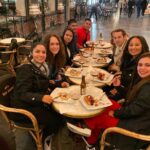
Beer and history, in Brussels’ back streets. This guided tasting mixes seven Belgian beers with stops in old taverns tucked into alleyways near the Grand Place, and guides like David or Sebastian keep the pace lively and the stories useful. I like that you get a real spread of styles, not just one safe favorite, and I also love that you walk to places you’d miss if you only stuck to the main squares.
One thing to weigh: it’s a four-hour walking tour with multiple alcohol tastings, so wear comfy shoes and go in ready to stroll at an easy pace.
In This Review
- Key things to know before you go
- Brussels beer, explained fast: what you actually learn
- Starting outside Mary Grand Place: the easiest way to get oriented
- The best part: hidden taverns off the Grand Place alleys
- Your seven-beer lineup: how to taste like you care
- Snacks and chocolate pairings: the secret to enjoying all seven
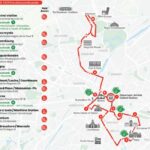
- City stops that make the beer taste context-rich
- Timing and pacing: why 4 hours feels just right
- Price and value: what $90 buys in a Brussels context
- Who should book, and who might skip
- Should you book this Brussels beer tasting tour?
- FAQ
- How long is the Brussels beer tasting tour?
- Where do we meet the guide?
- How many beers are included, and what types?
- Is there food included with the beer tastings?
- What languages are the tours offered in?
- What should I bring, and what’s not allowed?
Key things to know before you go
- Seven beers with real variety: expect different styles in every glass, including Trappist and Lambic types
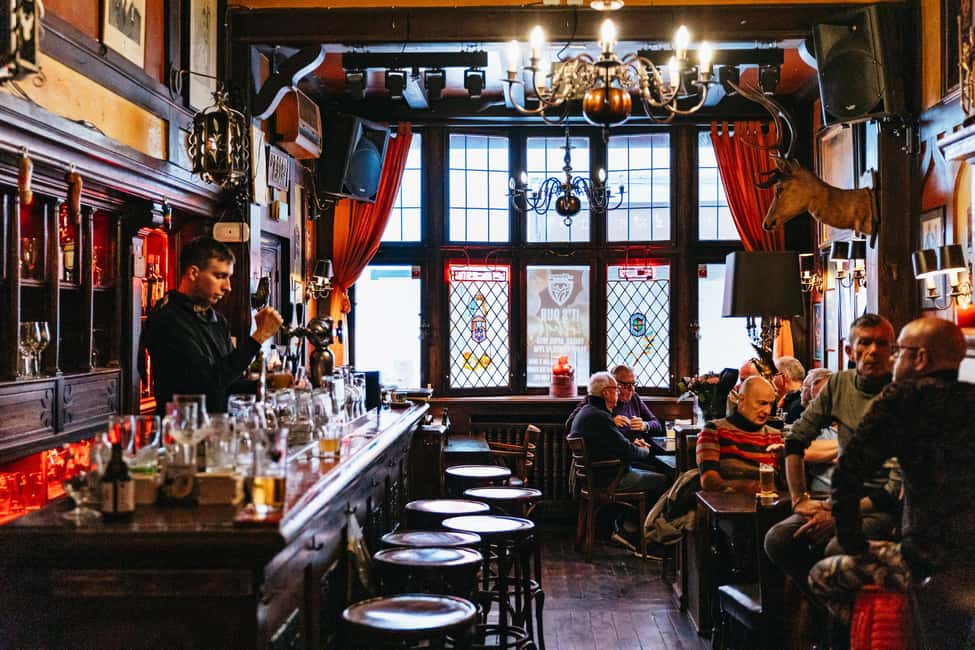
- Taverns you only find by wandering: the route favors small lanes around Grand Place over big, obvious bars
- Guide-led pacing and stories: names like David, Sebastian, and Eddie show up a lot for a reason
- Snacks plus chocolate: the food keeps the tastings enjoyable, not just boozy
- Sightseeing stops are built in: Saint Catherine’s Church, Saint Géry, and more appear along the way
Brussels beer, explained fast: what you actually learn
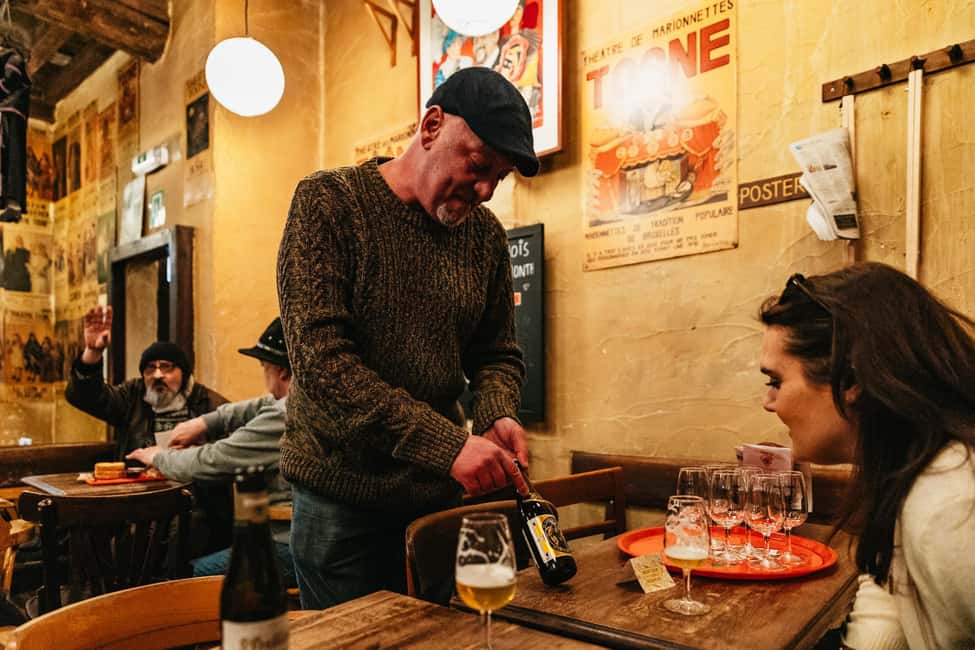
Belgian beer can look simple from far away. You see bottles, you hear names, you taste something hoppy or malty, and you think you get it. Then you try a lineup that includes Trappist and Lambic styles side by side, and the whole category snaps into focus.
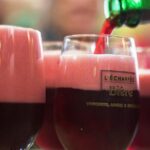
Here’s what this tour helps you do: notice how brewing style shapes flavor, not just brand loyalty. A Trappist beer often brings a stronger, more structured malt backbone. Lambic (often sour-leaning) tends to read differently on the palate, like fruit, spice, and tartness rather than just bitterness. Along the way, you’ll also see Abbey-style and other Belgian traditions referenced in how the guide talks about beer.
I like tours that teach you what to look for. This one nudges you toward simple taste notes you can use later in bottle shops: color changes with grain and process, sweetness vs. dryness becomes obvious after a couple pours, and the same snack can taste different after each beer.
You can also read our reviews of more food & drink experiences in Brussels
Starting outside Mary Grand Place: the easiest way to get oriented
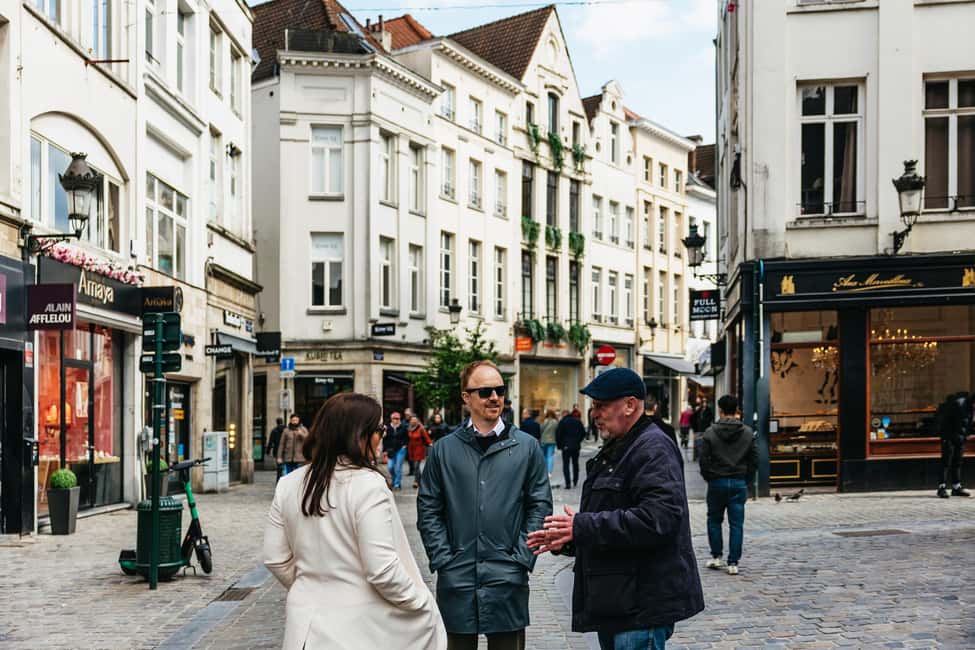
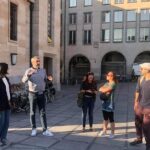
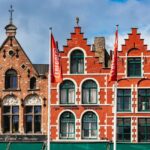
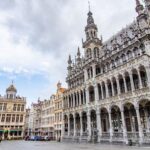
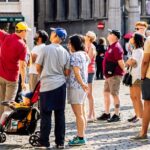
Meet at Mary Grand’Place, right at the heart of the action. That matters more than it sounds. Brussels can be confusing if you arrive and immediately start zig-zagging between landmarks. Starting here gives you an anchor point, and the guide can steer you to the right streets without wasting time.
From that spot, you’re set up for the best part of the day: short walks and quick turns into side lanes. You’ll see the city in layers—main-square energy first, then the quieter corners where older taverns live.
Also, the tour is designed for a 4-hour afternoon flow. You’re not stuck in a long slog where you stop paying attention. If you’ve ever had a tour that felt like it dragged between stops, you’ll appreciate how this one keeps moving while still giving you time to talk, ask questions, and taste without rushing.
The best part: hidden taverns off the Grand Place alleys
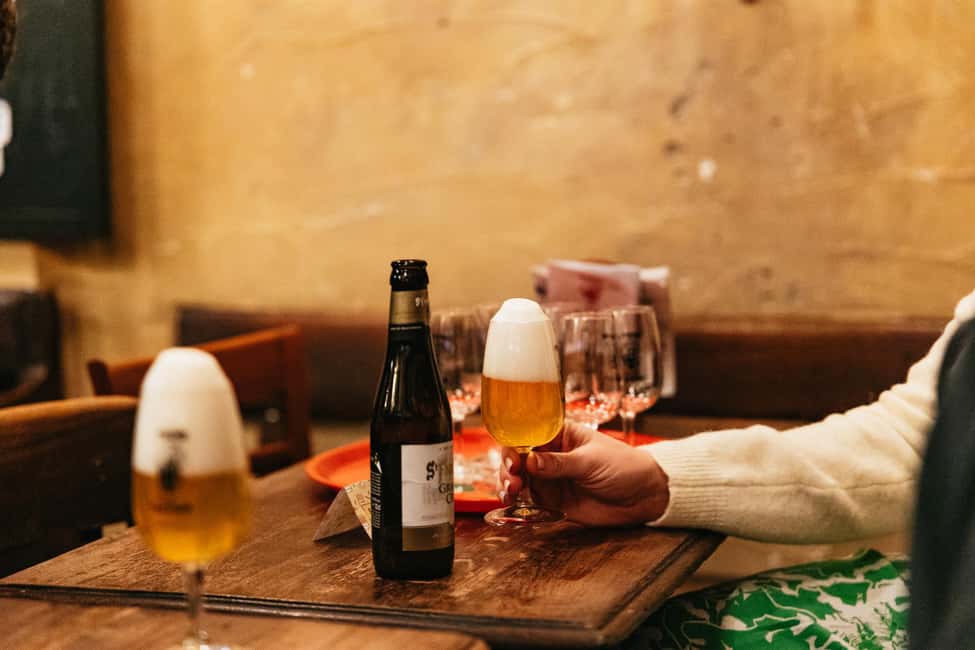
The route works because it doesn’t treat Grand Place like the finish line. Instead, you use it as a starting point and then step into the smaller alleyways around it, where you find the kind of bars locals actually use.
That’s not just a vibe thing. It changes your experience of the beer. In older taverns, the room feels part of the story: you’re tasting something historic while you’re sitting in a setting that feels built for lingering. You can hear how people order and talk about beer. You see how glasses are handled. You also feel how the space shapes pace—less hustle, more conversation.
This is where the guide matters most. Multiple guides (including David and Sebastian) are called out for taking people to places they wouldn’t find on their own. In practice, that means fewer awkward moments of standing outside a bar wondering if you’re in the right place, and more moments of actually settling in.
Your seven-beer lineup: how to taste like you care
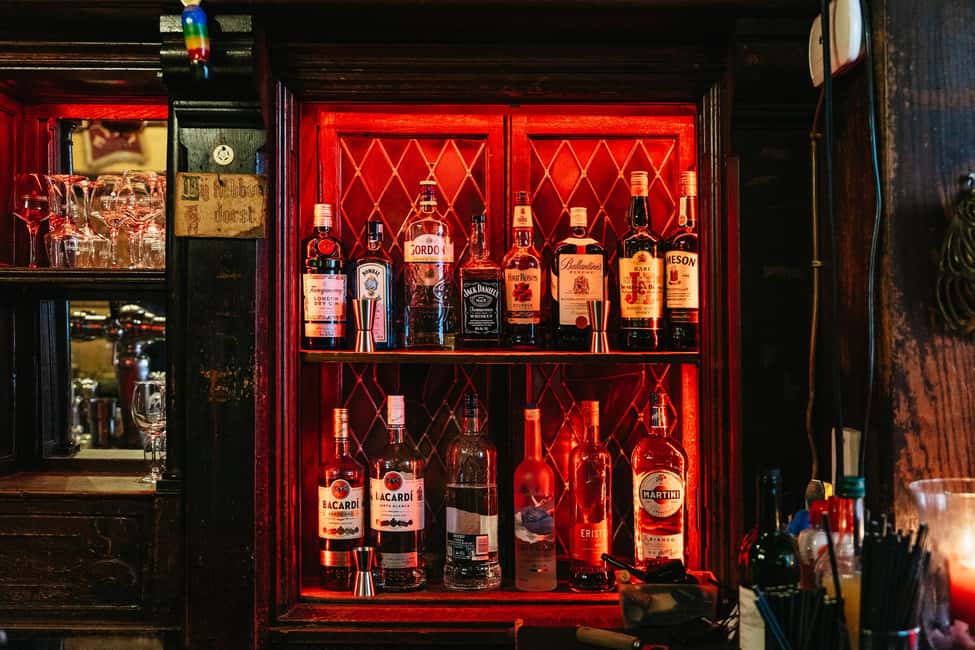
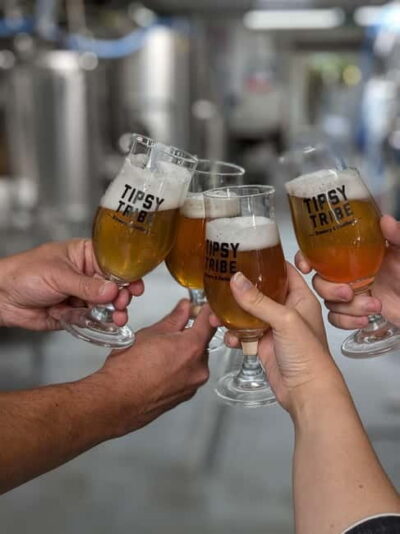
You’ll taste 7 Belgian beers, and the lineup is built to show range. The listing specifically calls out Trappist and Lambic varieties, and in the real world you may run into classic names associated with those categories. For example, you might encounter beers such as Chimay, Gueuze (a Lambic style), Orval, or Rochefort as part of the tasting set.
How should you taste them? Don’t go full science project. Do this instead:
- Take a first sip to find the main direction: sweet, bitter, tart, or spiced
- Take a second moment to check balance: does it dry out fast, or does it linger?
- Match the next beer with what you learned from the last one
One practical tip: pace yourself with the food. If you try to treat this like a beer-drinking contest, the last few glasses can blur together. The best tastings feel different beer-to-beer, and that only happens if you stay comfortable.
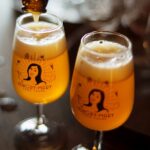
Also, keep an eye on color and clarity. Belgian beers can range from bright and golden to deeper ambers. Color alone doesn’t tell the whole story, but it often lines up with flavor cues the guide will mention as you go.
Snacks and chocolate pairings: the secret to enjoying all seven
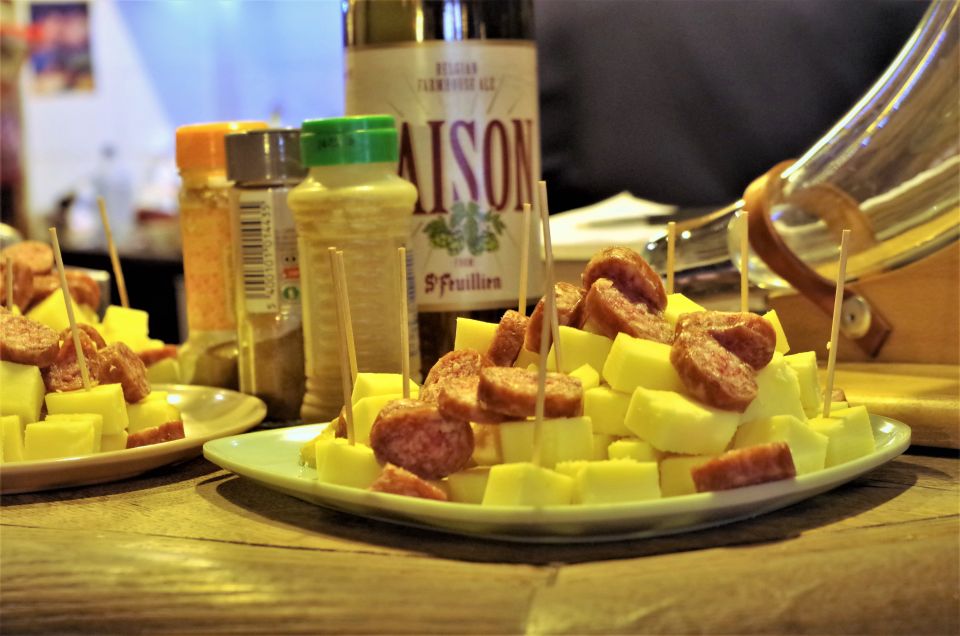
Beer tastings are easiest when your stomach isn’t empty and your palate isn’t fried by salt and sugar. This tour includes snacks and chocolate as part of the experience, and that plays a huge role in why people feel satisfied at the end rather than just buzzed.
From the info shared, the snacks can include things like cheese and Belgian fries, and you may also see heartier pairings such as sausage and pickles depending on the day’s selection. Even if the exact items shift, the principle stays the same: you get salty and savory bites to balance beer bitterness and carbonation.
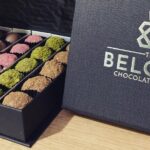
Chocolate also shows up for a reason. It gives you a sweet reset between styles. After a more tart or dry beer, a little chocolate can bring your palate back to neutral, so the next pour lands clearly.
My advice if you have a preference: if you like strong, dark flavors, pay attention to the pairing moment when a heavier snack comes out. If you like lighter beers, you’ll probably enjoy the tastings where the guide points out freshness and how aroma changes as the beer warms slightly in the glass.
You can also read our reviews of more drinking tours in Brussels

City stops that make the beer taste context-rich
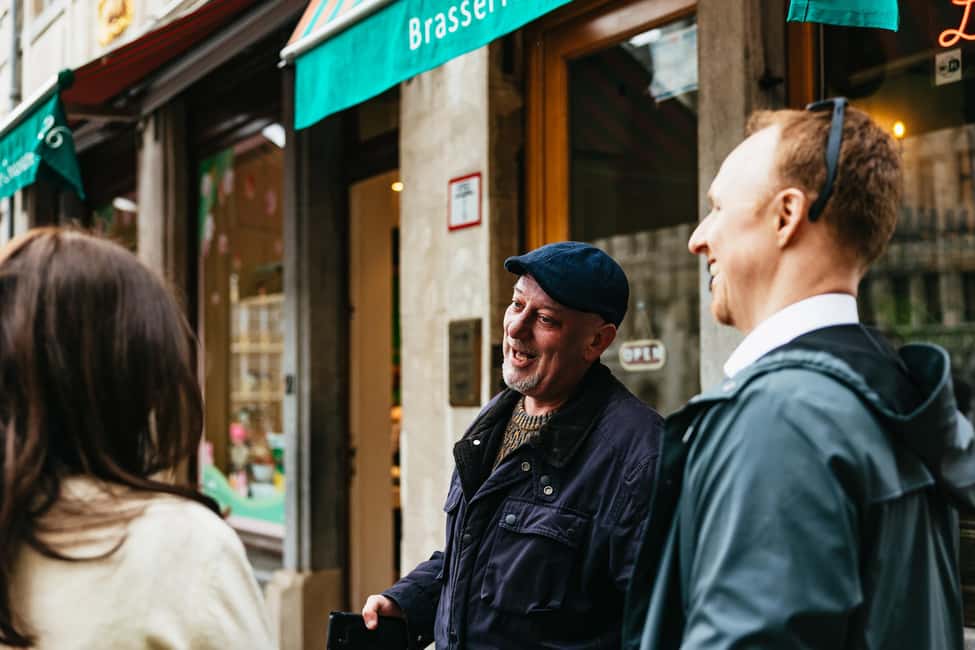
This tour isn’t only about beer in a vacuum. You’ll pass by and learn pieces of Brussels while you walk.
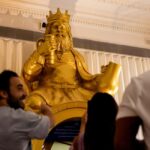
A highlight that comes up is Saint Géry and the area around the fish market. These are the kind of stops that make the city feel lived-in, not just photographed. You get the sense that this place has traded food, culture, and stories for a long time, and beer fits right into that.
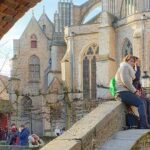
You also pass by Saint Catherine’s Church. It’s the sort of landmark that gives you scale: Brussels has grand architecture, but it’s still a city of narrow streets and local hangouts. Seeing the church from the walking route helps you understand why Grand Place feels so important when you’re surrounded by smaller lanes.
Depending on the path, you might also see the Royal Puppet Theater along the way. Even if you don’t stop for a ticket, the passing view adds texture. It reminds you this city isn’t only about beer or museums. It’s about everyday culture tucked into the same walkways.
The practical upside: the sightseeing is short and relevant. You’re not forced into long waits or confusing transitions. You’re just moving, tasting, and picking up a thread of history as you go.
Timing and pacing: why 4 hours feels just right
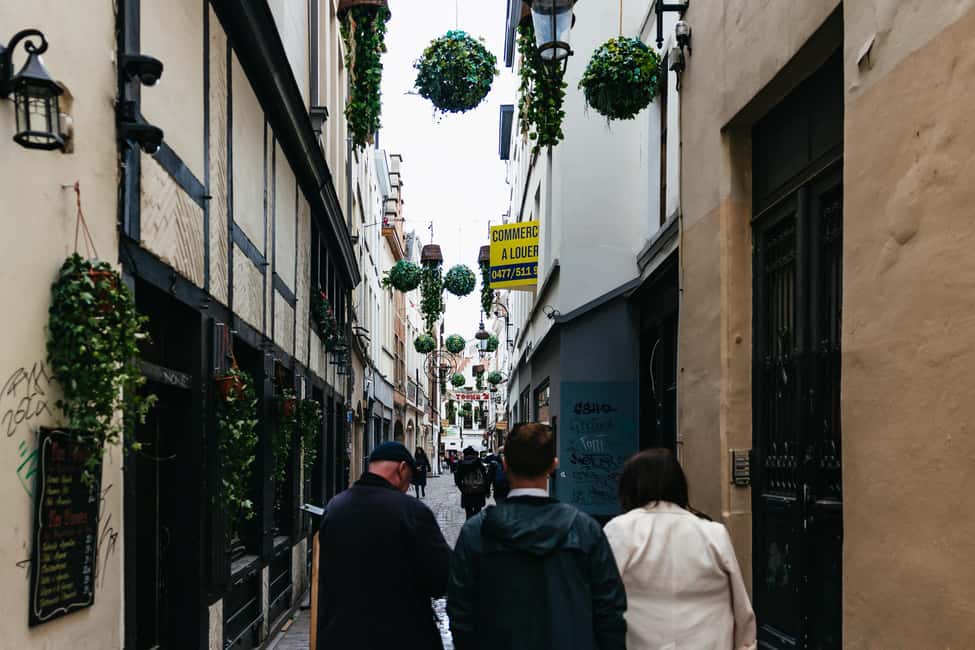
At 4 hours, this tour lands in a sweet spot. It’s long enough to take in several venues and notice flavor differences, but short enough that you’re not exhausted before the last drink.
The pacing tends to feel structured. You’ll taste, walk, taste again, and get explanations in between. That flow matters because beer appreciation isn’t only about the glass. It’s also about how the guide frames the why behind each style, and how you compare each new beer to the previous one.
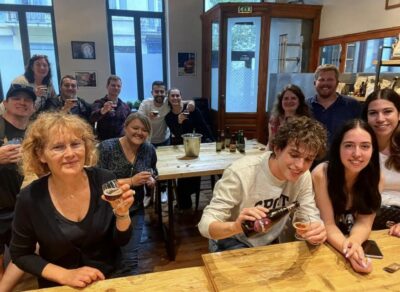
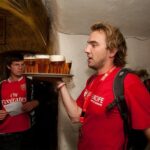
There’s also a social element. Many people like that it doesn’t feel like a stuffy classroom. Guides such as Sebastian and Eddie are praised for being engaging and funny, which helps if you’re traveling solo. If your group ends up small, the guide can often tailor the conversation—one-on-one questions about beer styles are easier to get when you’re not squeezed into a large crowd.
One more note: the tour wraps back at Mary Grand Place, and you can choose to head out on your own afterward or stay longer with the group. That’s a nice option if you want to keep the evening relaxed rather than jumping straight into another plan.
Price and value: what $90 buys in a Brussels context
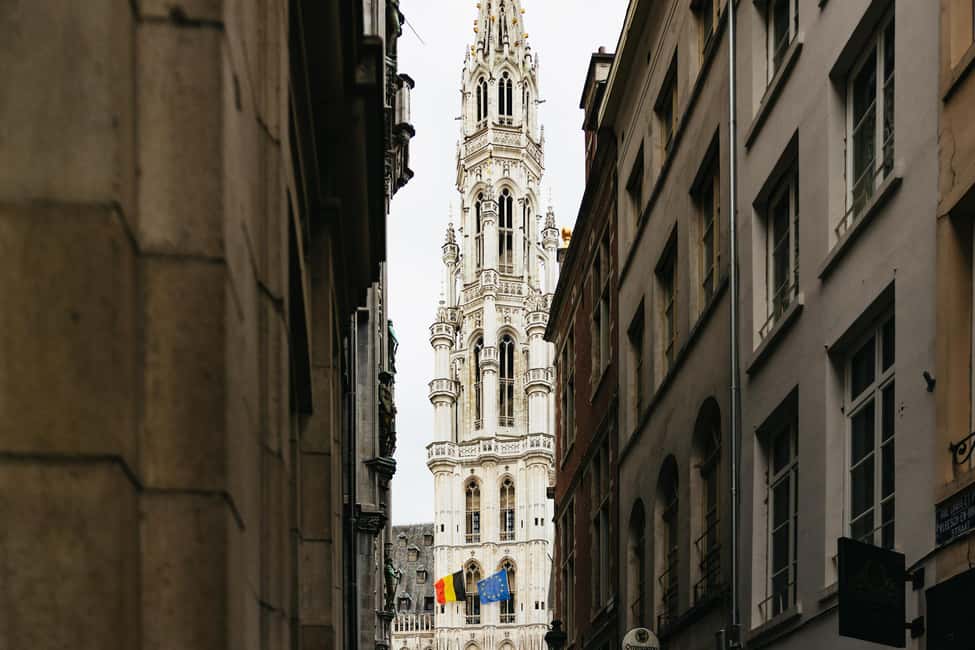
At around $90 per person, you’re paying for three things at once: guide time, multiple beer tastings, and the food/chocolate pairings—plus the fact that you’re getting access to places you wouldn’t find quickly.
If you try to DIY this, it’s not just about buying seven beers. You’ll spend time searching for the right bars, deciding what to order, and figuring out pairings without much guidance. Belgium beer culture is deep enough that a local guide can save you money and disappointment by steering you toward styles that show range.
What makes this tour feel like value is the balance. You don’t only get a long list of drinks. You get an ordered experience where each stop helps you understand the next. And the snacks and chocolate prevent the tour from feeling like you’re eating nothing but walking and sipping.
Are there cheaper ways to drink beer in Brussels? Sure. But if your goal is learning something and getting a memorable afternoon with built-in tastings and context, this hits a good sweet spot for cost-to-experience.
Who should book, and who might skip
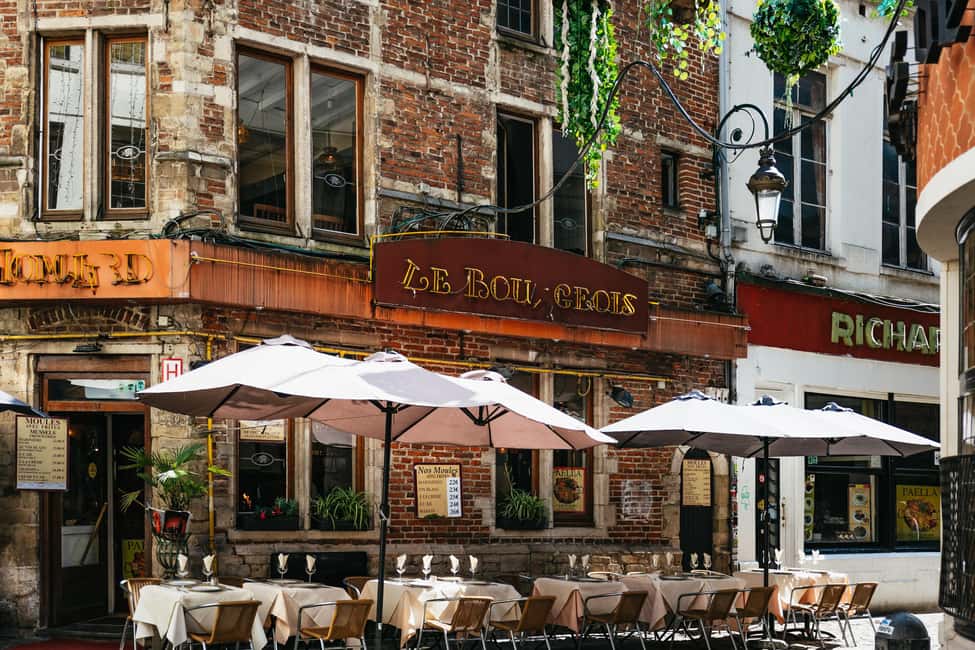
This is a great fit if you want:
- Hands-on Belgian beer education without being overwhelmed
- A walking tour that mixes atmosphere with real tasting time
- A guide-led route that takes you into smaller alley bars near Grand Place
You might reconsider if:
- You don’t drink alcohol or you prefer very small amounts. This tour includes multiple tastings, and the experience is built around that rhythm.
- You can’t do moderate walking. The tour is designed as a stroll between venues and city points.
For most people, the biggest deciding factor is your interest in taste variety. If you like trying new styles and you enjoy conversation, you’ll likely have a strong afternoon. If you already have a single favorite beer and only want that one style, you may find the range less exciting.
Should you book this Brussels beer tasting tour?
Yes, if you want a 4-hour beer-focused afternoon that also gives you Brussels street-level context. I’d book it when you’re staying near the Grand Place area and want your first day (or first free block) to do something more interesting than wandering in circles.
Skip it only if beer tastings and walking aren’t your thing. Otherwise, the combination of seven Belgian beers, guided stories from hosts like David or Sebastian, and the pairing of snacks and chocolate makes it a strong value play for Brussels. You’ll leave with a better sense of what Belgian beer styles actually taste like, and with a handful of places you’ll feel confident going back to on your own.
FAQ
How long is the Brussels beer tasting tour?
The tour lasts about 4 hours.
Where do we meet the guide?
You meet your guide outside Mary Grand’Place.
How many beers are included, and what types?
You’ll taste 7 Belgian beers, including Trappist and Lambic varieties, along with other Belgian styles.
Is there food included with the beer tastings?
Yes. The tour includes a selection of snacks and chocolate to pair with the beers.
What languages are the tours offered in?
The live guide is available in English and Dutch.
What should I bring, and what’s not allowed?
Wear comfortable shoes. Pets are not allowed, and smoking is not allowed during the tour.