REVIEW · BRUSSELS
Brussels: Guided Walking Tour
Book on GetYourGuide →Operated by Bravo Discovery · Bookable on GetYourGuide
Brussels hits different when you see it in layers. This guided walking tour lays out the city from medieval beginnings to modern streets, using the Upper City and Lower City split to make the layout actually make sense.
Two things I like a lot are the way the guide turns landmarks into real context, and the included Belgian chocolate tasting that gives you a sweet payoff for your time on your feet. You also get practical help along the way, from where to eat and drink to how to get around on public transport.
The only real watch-out: it’s a 150-minute walk, so you’ll want good shoes and weather-ready clothing. Also, museum entry isn’t included, so if you want to go inside, plan for separate tickets.
In This Review
- Key Takeaways Before You Go
- Where the Tour Starts: Grand Place and Bravo Discovery
- Upper City vs Lower City: The Split That Makes Brussels Click
- Lower City Highlights: Grand Place to the Senne’s Covering
- Grand Place: Merchant Power in Stone
- Everard t’Serclaes Monument on Charles Buls Street
- Manneken Pis and Grands Carmes Street
- Marché au Charbon Street and the Senne Connection
- Riches Claires Street, Grande Île Street, and Saint-Géry Island
- Upper City Sights: Grand Place’s Merchant Story to Royal Power
- Grand Place Again: Power, Merchants, and Scale
- Galeries Royales Saint-Hubert: The Shopping Arcade Factor
- Mort Subite and the City’s Beer Culture
- Cathedral of St. Michael and St. Gudula (Visit Inside)
- Royal Park, Royal Palace, Royal Square, and Coudenberg
- What the Guide Actually Adds: Museums, Bars, and Getting Around
- Chocolate Tasting: The Included Sweet Stop That Feels Like a Reward
- Timing and Pace: A 150-Minute Walk You Can Handle
- Price and Value: Is $23 a Smart Use of Your Time?
- Who This Tour Suits Best (and Who Might Want Something Else)
- Should You Book This Brussels Guided Walking Tour?
- FAQ
- Where does the tour start?
- How long is the guided walking tour?
- What’s included in the price?
- Are museum tickets included?
- Do I need tram or bus tickets for the tour?
- What languages is the live guide available in?
- Is the tour wheelchair accessible?
- What’s the general route like: Upper City or Lower City?
Key Takeaways Before You Go
- Upper City vs Lower City route helps you understand why Brussels grew where it did
- Grand Place and Manneken Pis anchor the tour with crowd-pleasing classics
- A guide who answers practical questions makes the rest of your Brussels trip easier
- Chocolate tasting is built in instead of left to chance afterward
- Royal sights on the Upper City side shift you from merchant power to palace-and-park Brussels
Where the Tour Starts: Grand Place and Bravo Discovery
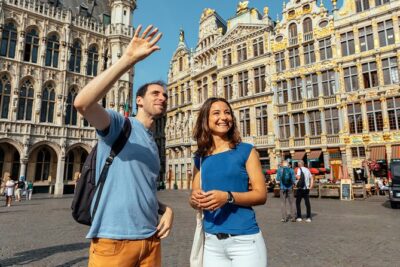
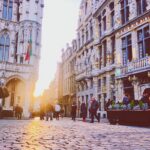
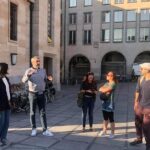
You’ll meet at the Grand Place in front of City Hall. Look for the white umbrella for Bravo Discovery, because on a busy square like this, that small detail can save you time and stress.
This start point matters. Grand Place isn’t just a pretty postcard stop. It’s a strong reference point for orientation, and from here you can quickly understand the idea behind the route: your guide is going to show you how different neighborhoods shaped Brussels over time.
You can also read our reviews of more walking tours in Brussels
Upper City vs Lower City: The Split That Makes Brussels Click
Brussels is famous for being layered, but it’s easy to miss that if you just wander. The tour is structured in two zones—Lower City first, then Upper City—so you can connect streets to the city’s historic development.
Here’s what I think this approach does for you: it turns a long walk into a storyline. You’re not only seeing buildings. You’re also learning why the city’s centers shifted, how the river’s story affected the streets, and how wealth and power expressed themselves in different places.
And if you’re the type who hates feeling lost, the format helps. By the end, you should be able to picture where things are and why they’re where they are, instead of treating Brussels like a collection of unrelated stops.
Lower City Highlights: Grand Place to the Senne’s Covering
Lower City is where you feel the city’s older rhythm. You’ll start with key sights that many visitors only see for a moment—then your guide connects them to what was happening underneath (literally and historically).
Grand Place: Merchant Power in Stone
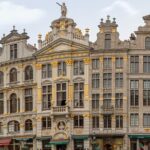
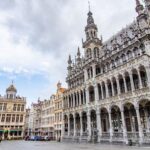
You’ll see the Grand Place, including details tied to the city’s merchant era. It’s the kind of square where your eyes keep moving—facades, ornament, and that unmistakable sense of civic pride.
The practical value here is orientation. After this stop, everything else in the Lower City becomes easier to map in your head.
Everard t’Serclaes Monument on Charles Buls Street
Next up is the Everard t’Serclaes monument on Charles Buls street. This is one of those stops that’s quick if you’re on your own, but it works well on a guided walk because your guide can explain why it’s here and what it represents.
You can also read our reviews of more guided tours in Brussels




Manneken Pis and Grands Carmes Street
Then comes Manneken Pis, plus the nearby atmosphere of Grands Carmes street. Manneken Pis is small, but it’s a huge symbol for Brussels, and it’s one of the easiest ways to spot the city’s playful side.
If you care about cultural quirks (and you should), this stop is more than a photo moment. It’s a doorway to how locals think about identity and tradition.
Marché au Charbon Street and the Senne Connection
Marché au Charbon street and the Covering of the Senne are especially interesting because they connect city life to a river story. When a city changes how it handles water, streets and neighborhoods change too—and Brussels is no exception.
This section is also a good reality check: some of the most important parts of a city aren’t always the prettiest landmarks. The river’s influence is one of those behind-the-scenes factors that makes Brussels feel unique.
Riches Claires Street, Grande Île Street, and Saint-Géry Island
You’ll also walk through areas including Riches Claires street and Grande Île street, then reach Saint-Géry Island. These stops help you understand how the Lower City is stitched together, and why the medieval street network still matters today.
Even if you don’t memorize every street name, the logic of the area should start clicking: old borders, old routes, old reasons people built where they did.
Upper City Sights: Grand Place’s Merchant Story to Royal Power
Upper City is a noticeable shift. The mood changes from trade-and-old-streets to a more ceremonial, official Brussels. You’ll see it in the sights themselves—and in the way the guide frames what you’re looking at.
Grand Place Again: Power, Merchants, and Scale
You might notice Grand Place shows up again in the route description. Either way, it helps reinforce the theme: Brussels’ historic wealth and merchant influence are part of the city’s core identity.
If you missed a detail earlier, your second look can make more sense after you’ve heard the story.
Galeries Royales Saint-Hubert: The Shopping Arcade Factor
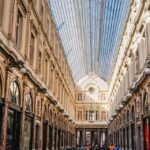
You’ll visit Galeries Royales St Hubert. This is where Brussels shows another form of confidence—architecture designed to pull people in, slow them down, and keep them shopping.
It’s also a smart pause in the walk. The arcades can be a little more sheltered than the open streets, which helps if the weather turns.
Mort Subite and the City’s Beer Culture
Mort Subite comes up too. This is a classic Brussels reference point for beer culture, and it fits with what the guide is doing throughout the tour: connecting landmarks to food, drink, and local hangouts.
Even if you’re not planning a full beer crawl, learning where people go—and what’s worth trying—makes your free time feel more intentional.
Cathedral of St. Michael and St. Gudula (Visit Inside)
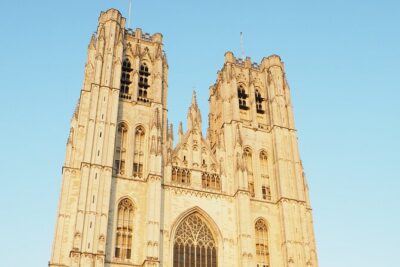
One of the best stops on the Upper City side is the Cathedral of St. Michael and St. Gudula, with time to visit inside. You’ll be able to see stained glass windows, the Chapel of the Blessed Sacrament, and the pulpit.
This matters because exterior views can feel like snapshots. Inside, you get a stronger sense of scale and meaning, and your guide can point out what’s worth noticing without you needing to be a church expert.
Royal Park, Royal Palace, Royal Square, and Coudenberg
Then you move into the official side of town: Royal Park, Royal Palace, Royal Square, and the Palace of Coudenberg. These stops are great for helping you understand what Brussels looks like when it’s at its most state-like.
And if you love architecture, this sequence is a clean contrast to the medieval feel of the Lower City. The city tells two stories, and the route makes sure you hear both.
What the Guide Actually Adds: Museums, Bars, and Getting Around
This is where the tour earns its keep. A good walking tour can show you sights. This one also helps you decide what to do next.
Your guide will talk about museums, where the best bars and local beers are, and where to buy chocolate at a reasonable price. More importantly, the guide answers practical questions on the fly, including restaurant choices, nightlife options, and how to get around using public transport.
I really like that this turns your first morning (or first afternoon) into planning momentum. After this, you’re not guessing. You’re steering.
Also, the tour runs with live interpretation in Spanish, English, and French, which is a big deal if you want everything explained clearly instead of relying on guesswork.
Chocolate Tasting: The Included Sweet Stop That Feels Like a Reward
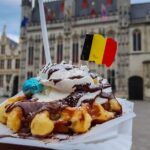
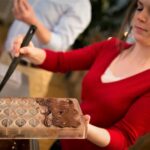
Belgian chocolate can be a trap for visitors: lots of temptation, lots of price swings. Here, you get an included chocolate tasting, plus guidance on where to shop later for good quality at a more reasonable cost.
This included taste matters because it sets your baseline. Once you’ve tasted what the guide considers a good option, it’s easier to tell the difference between a tourist-marketed bar and something you actually want to bring home.
And since chocolate shops are part of Brussels’ identity, treating it as a planned stop rather than an afterthought makes the whole day feel more complete.
Timing and Pace: A 150-Minute Walk You Can Handle
The tour lasts 150 minutes. That’s long enough to cover both Upper and Lower City highlights, but short enough that you’re not trapped in an all-day schedule.
Some people do this early to get bearings fast. Others do it mid-trip to fix their route for the rest of the stay. Either way, the walking time is a real factor—especially in cold or windy weather.
So I’d plan like this:
- Wear comfortable shoes. You’ll be on foot for the whole experience.
- Bring a layer. Brussels weather can change fast, and the route includes open-air walking.
The good news: the route has built-in points of interest that keep the walk moving—squares, streets with character, and a cathedral stop inside.
Price and Value: Is $23 a Smart Use of Your Time?
At $23 per person, the math is pretty straightforward for a guided, story-led walking tour. You’re paying for:
- A structured route through Upper and Lower City
- Live interpretation in multiple languages
- An included chocolate tasting
- On-the-spot recommendations for food, drinks, and local shopping
Even if you skip museums during the day, you still gain a framework. That framework can save you money later because you’ll know where to spend and where not to.
Also note what isn’t included: tram or bus tickets and museum admissions. That’s normal for this style of tour, but it’s worth remembering so you don’t get surprised later if you decide to go inside a museum after your walk.
Who This Tour Suits Best (and Who Might Want Something Else)
This tour is a great match if:
- It’s your first time in Brussels and you want a clean overview
- You like history, but you prefer it explained through streets and landmarks, not just plaques
- You want practical help for restaurants, nightlife, beer, and chocolate shopping
- You’re happy to walk for about 2.5 hours
It may be less ideal if:
- You hate walking or you have limited mobility needs beyond wheelchair access (the tour is listed as wheelchair accessible, but you’ll still want to consider comfort and time on foot)
- You’re mainly after deep museum time, because museum tickets aren’t included
Should You Book This Brussels Guided Walking Tour?
Yes—if you want a first-pass understanding of Brussels that actually helps you move around afterward, this is a strong pick. The route structure (Upper City and Lower City) turns the city into a story you can follow, and the guide support helps you turn what you see into smart next choices.
The included Belgian chocolate tasting is a nice bonus that makes the tour feel more than just sightseeing, and the focus on practical recommendations means you leave with a plan, not just photos.
If you’re visiting Brussels for a short time, this is exactly the kind of tour that can turn limited hours into real direction.
FAQ
Where does the tour start?
It meets at Grand Place, in front of the City Hall. You should look for the white umbrella for Bravo Discovery.
How long is the guided walking tour?
The duration is 150 minutes.
What’s included in the price?
The tour includes a guided tour plus a Belgian chocolate tasting.
Are museum tickets included?
No. Tickets to museums are not included.
Do I need tram or bus tickets for the tour?
Tram or bus tickets are not included.
What languages is the live guide available in?
The live guide offers Spanish, English, and French.
Is the tour wheelchair accessible?
Yes, the tour is listed as wheelchair accessible.
What’s the general route like: Upper City or Lower City?
The tour is split into Upper City and Lower City so you can understand Brussels’ historic development, with stops including Grand Place and Manneken Pis in the Lower City and royal and cathedral sights in the Upper City.