REVIEW · BRUSSELS
From Brussels: Luxembourg Tour with Dinant Visit
Book on GetYourGuide →Operated by BRUSSELS CITY TOURS · Bookable on GetYourGuide
Luxembourg and Dinant in one day is a smart trade. I really like the coach trip through the Belgian Ardennes because it turns travel time into scenery, not just sitting around. I also like how the day pairs Luxembourg’s dramatic old fortifications with the view-heavy modern district of Kirchberg.
One thing to plan for: it’s a 12-hour day with some walking and a steady group pace, so you’ll want comfortable shoes and a mindset for moving efficiently.
In This Review
- Key highlights worth caring about
- Why this Brussels-to-Luxembourg-and-Dinant day feels efficient
- The Ardennes drive: scenery plus comfort (and a smart seat tip)
- Luxembourg City: from cathedral steps to royal power at the Grand Ducal Palace
- Place d’Armes and the cathedral area: where “small city” feels big
- Kirchberg viewpoint: modern institutions with real perspective
- The valley side: Casemates trail, city walls, Neumünster, and the river Alzette
- How to use your free time in Luxembourg without losing the rhythm
- Dinant: the Meuse views, the 15th-century church, and the citadel feeling
- La Maison de Monsieur Sax: why Adolphe Sax’s story belongs here
- Dinant free time: the best way to enjoy a small town is to let it breathe
- Timing on a 12-hour loop: why the pace can feel busy
- Price and value: what $77 buys you (and what it doesn’t)
- Who should book this tour, and who should skip it
- Booking verdict: should you take it?
- FAQ
- FAQ
- Where is the meeting point in Brussels?
- How long is the tour?
- What is included in the price?
- Is lunch included?
- What languages is the live tour guide available in?
- What should I bring?
- Is the tour wheelchair accessible?
Key highlights worth caring about
- Ardennes scenery en route makes the journey feel like part of the outing, not just transit
- Luxembourg City guided walking includes major anchors like the cathedral, Grand Ducal Palace area, and Place d’Armes
- Kirchberg + valley viewpoints help you understand why Luxembourg looks the way it does
- Dinant’s cathedral and citadel area deliver the classic River Meuse “wow” moments
- Radio headsets (earphones) help you keep up without craning your neck
Why this Brussels-to-Luxembourg-and-Dinant day feels efficient
If you’ve only got a day in the region, this tour is built for that reality. You get two places that are famous for different reasons: Luxembourg City for its layered architecture and fortifications, and Dinant for its postcard perch above the River Meuse.
The secret sauce is the pacing. You’ll have guided time where it matters most, then actual free time where you can choose your own direction. That balance is what keeps the day from feeling like a nonstop lecture.
You can also read our reviews of more tours and experiences in Brussels.



The Ardennes drive: scenery plus comfort (and a smart seat tip)
The trip starts with a 3-hour bus ride through the Belgian Ardennes forests. Even if you’re tired after getting out of Brussels, this is the kind of route where the window keeps giving you reasons to pay attention. You also get the practical perk of an air-conditioned coach plus radios/earphones, which makes it easier to hear the guide without leaning in.
Here’s a detail that can make a small difference: one useful tip from recent riders is to sit on the left side of the bus for better views as you head toward Dinant and Luxembourg, and for slightly better sun protection depending on the time of day. It’s not required, but it’s a low-effort upgrade.
Luxembourg City: from cathedral steps to royal power at the Grand Ducal Palace
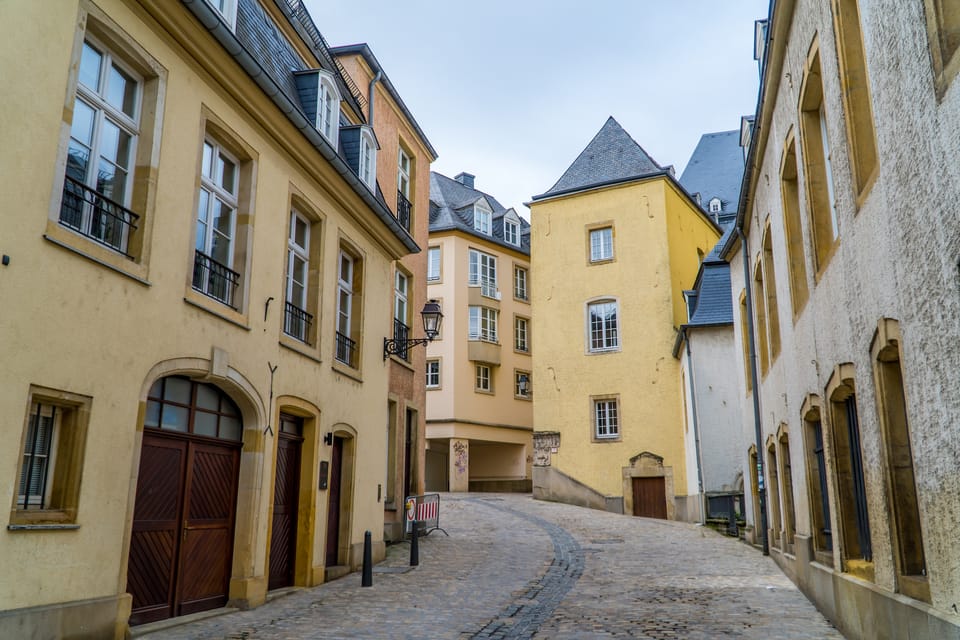
Luxembourg City is split in a way your eyes can understand fast. The older core sits above the valleys, and the city’s major “identity points” cluster around grand civic and religious buildings. That’s why the guided portion feels so satisfying: you’re not just drifting through streets, you’re getting the story of where to look and what to notice.
In the old part of town, you’ll spend time at some of the biggest anchors:
- The Notre-Dame Cathedral area (a must for architecture lovers)
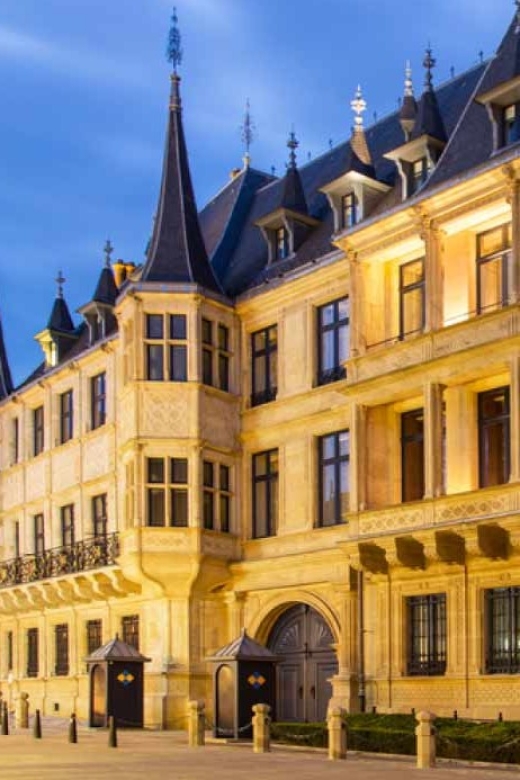
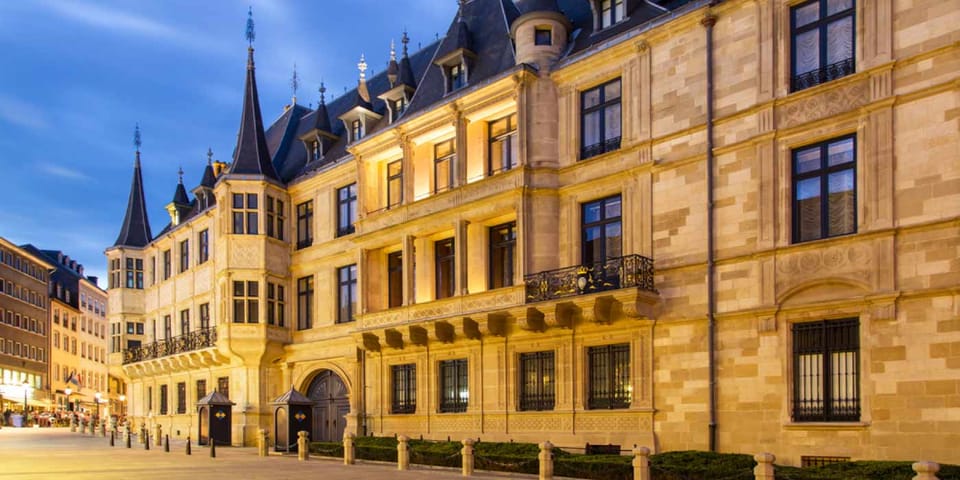
- The Palace of the Grand Duke area
- Place d’Armes, where the scale of the public spaces really clicks
What I like about this setup is that it gives you contrast. You see religious grandeur and state power in a compact radius, then you move on to viewpoints that show Luxembourg’s “fortress logic”—why the city developed where it did.
Place d’Armes and the cathedral area: where “small city” feels big
Place d’Armes isn’t just a pretty square. It’s the kind of civic space where the buildings around it make you feel the city’s order and confidence. Next to that, the cathedral gives you a different texture—more vertical, more historic, and very “you’re in Europe” in the best way.
If you’re the type who likes photos, this is where you’ll want to slow down for a moment. The architecture is varied, and Luxembourg does something clever: even when streets are tight, the sightlines often open up right when you turn a corner.
Kirchberg viewpoint: modern institutions with real perspective
After the older core, you’ll shift toward downtown and get a spectacular view of the Kirchberg district, known for several European institutions. This part of the day matters because it helps you stop thinking of Luxembourg as only old stones and start seeing it as a current-day player.
You get the best of both worlds in a single glance: international buildings layered onto a city that still feels engineered by its valleys and walls. It’s also a relief after older-town walking—viewpoints give your legs a chance to reset.




The valley side: Casemates trail, city walls, Neumünster, and the river Alzette
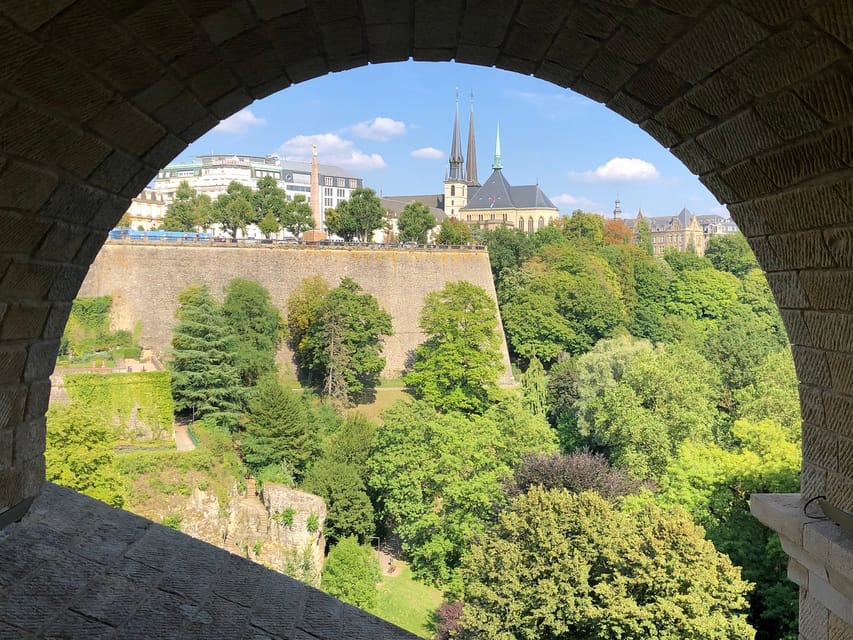
Luxembourg’s “valley story” is the reason you came. You’ll be able to see a trail of the Casemates, plus the city walls, the abbey of Neumünster, and picturesque spots along the river Alzette. Even when you’re not going deep into every structure, these are the sightlines that explain Luxembourg’s identity.
What I like here is the way it connects history to geography. Casemates and fortifications weren’t built for decoration. They were built because the terrain gave the city protection and challenges at the same time.
Practical note: this portion can include walking on uneven surfaces. Take your time near viewpoints and river-adjacent areas, especially if the weather is cold or slick.
How to use your free time in Luxembourg without losing the rhythm
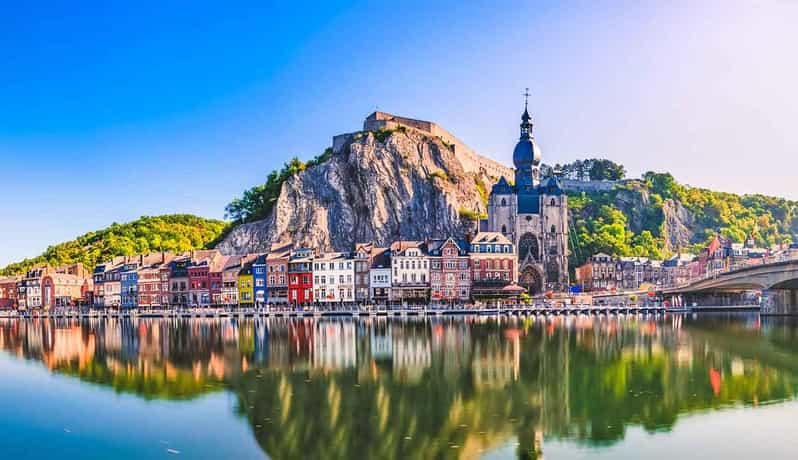
You’ll get free time after the guided highlights. This is your chance to do what a tight schedule won’t allow: pick a favorite street, grab a warm drink, or wander at your own pace.
I recommend you plan your free time around one simple rule: stay close to the guide’s timing. Some people want to photograph every façade; that’s understandable. Just don’t let photo-taking turn into a disappearing act. Luxembourg rewards wandering, but the day is built around reassembly points.
A helpful move is to treat your free time as two mini-missions. First, choose one area you want to revisit (old town corners tend to be good). Second, pick one comfort stop—food or a café—so you don’t end up sprinting on an empty stomach later.
Dinant: the Meuse views, the 15th-century church, and the citadel feeling
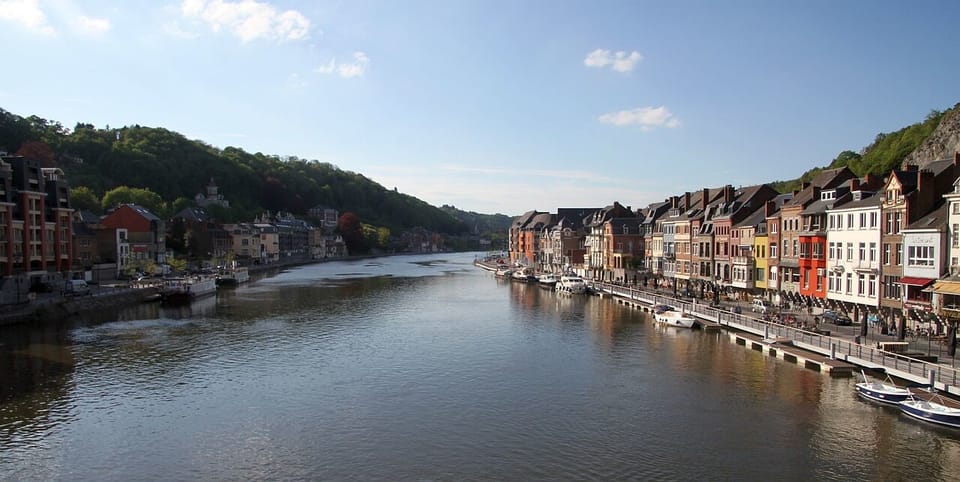
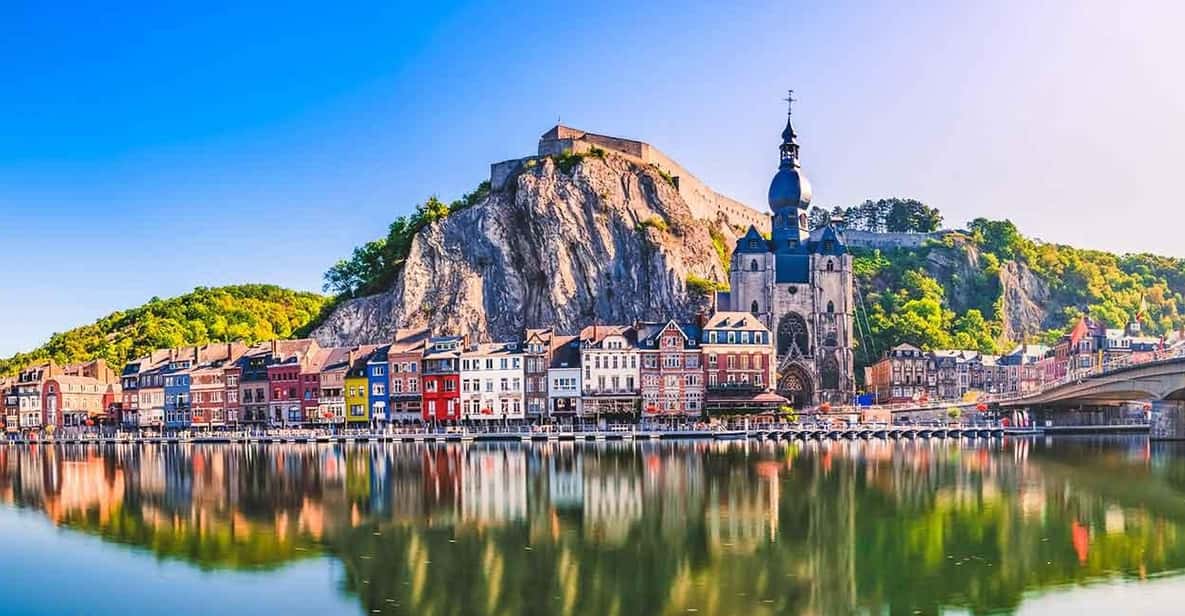
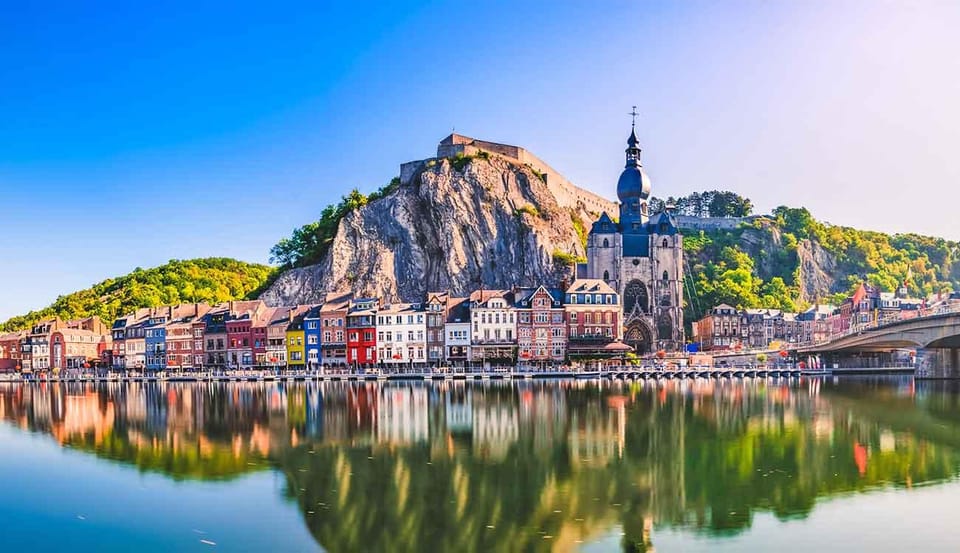
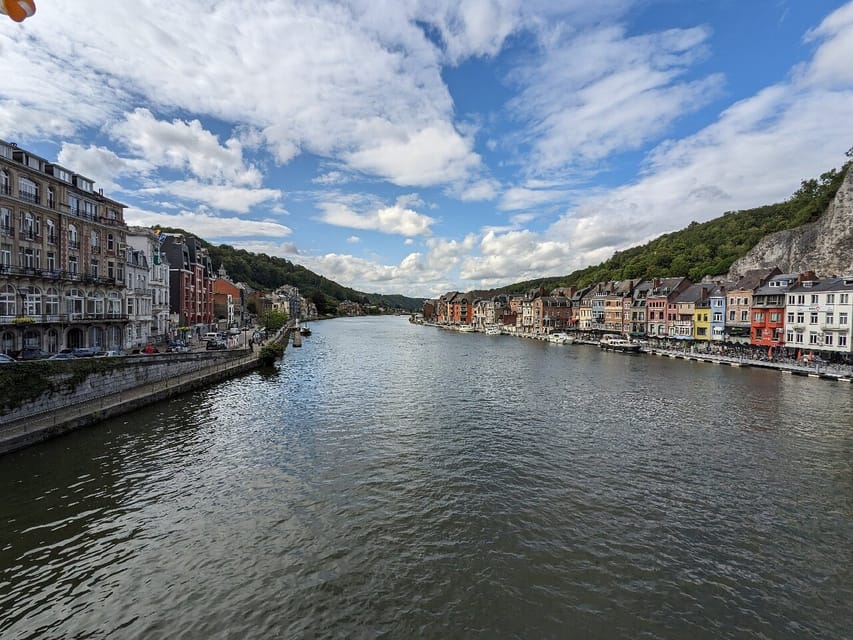
Then you head to Dinant, a town dramatically perched on the narrow banks of the River Meuse. Dinant’s name traces back to the Celtic Divo Nanto, meaning Sacred Valley, which fits the visual vibe immediately: you’re surrounded by steep settings and big sky.
Your Dinant guided time includes key sights:
- A fifteenth century collegial church
- The citadel, which gives impressive views over the river and surrounding terrain
This is where the tour shifts from “interpretation” to “reaction.” Luxembourg helps you understand the city. Dinant makes you look up and take in the scale. And if you’re coming from Brussels, this dramatic setting can feel like a whole different world.
La Maison de Monsieur Sax: why Adolphe Sax’s story belongs here
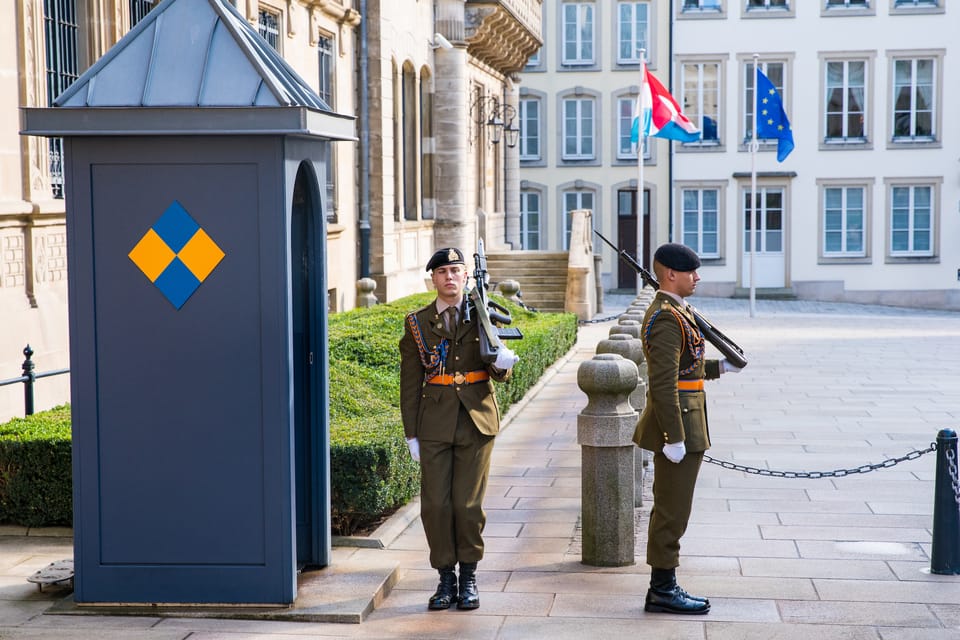
After the main Dinant highlights, you’ll visit La Maison de Monsieur Sax. This stop brings the town’s cultural connections into focus. Dinant is linked to the inventor Adolphe Sax, known for the saxophone, and it’s also described as the cradle of Leffe beer.
I like stops like this because they’re short but memorable. They turn a place name into a specific person and invention, so you leave with an actual detail you can recall later—not just a photo and a vague feeling of scenic.
Dinant free time: the best way to enjoy a small town is to let it breathe
You’ll also have some free time in Dinant. The key is to keep it simple. Walk toward viewpoints you already saw during the guided portion, find a café, and enjoy the river air.
If weather is cold, prioritize warmth. One practical tip from recent riders is to be prepared for winter conditions, since January and December can feel sharper than people expect. Layers help. So do gloves if you plan to stand around for views.
Timing on a 12-hour loop: why the pace can feel busy
Let’s be real: this is a long day. You’re looking at about 3 hours on the coach there, then another 1.5 hours back, with guided time and free time inside the mix. The upside is obvious—you see two big destinations. The trade-off is that you can’t linger like you would on a multi-night trip.
You’ll notice this most in Luxembourg, where the guided walking component moves at a group pace. One common issue is that if you drift too far for photos, it’s easier to miss the next instruction. I’d keep close to the group and ask your questions early, not at the last second.
The day still works if you treat it like a sampler platter, not a deep-dive day. You’ll come away with strong impressions and a clear sense of what’s worth a return visit later.
Price and value: what $77 buys you (and what it doesn’t)
At $77 per person for roughly 12 hours, the value is mainly in logistics and guided interpretation. You’re getting:
- A guide
- An air-conditioned coach
- Radios and earphones so you don’t lose the narration
- Organized movement between major sights in both Luxembourg City and Dinant
What you should budget separately:
- Lunch is not included
- There’s no hotel pickup/drop-off, so you’ll go to the meeting point yourself
One small “value-maker” is that guests often praise the mix of comfort and organization. A smooth driver and a guide who keeps everyone pointed the right direction can turn a long day into a manageable one.
If you like lunch tips: some riders have specifically mentioned Brasserie du Cercle in Luxembourg as a solid option. It’s worth considering when you’re scanning for somewhere easy during free time.
Who should book this tour, and who should skip it
This fits best if you:
- Want to see Luxembourg City and Dinant in a single day
- Enjoy a mix of architecture, viewpoints, and short cultural stops
- Are fine with a long day and walking at a group pace
It’s not a good match if you need wheelchair access or have mobility impairments, since the tour is listed as not suitable for wheelchair users.
Also, if you hate group schedules, set your expectations now. This is structured. You can’t wander all day and still meet the group on time.
Booking verdict: should you take it?
I’d book this tour if your goal is to get a strong sense of Luxembourg beyond the postcard version. The pairing of Luxembourg City’s cathedral-and-palace core with Kirchberg viewpoints and valley fortifications, then finishing in Dinant perched above the Meuse, is a smart way to spend one day.
Skip it if you’re looking for slow travel, long museum stays, or barrier-free mobility. And if you’re the kind of person who stops for every photo, plan to do that strategically—Luxembourg rewards it, but this day has tight timing.
FAQ
FAQ
Where is the meeting point in Brussels?
You meet at Bd de Berlaimont 18, outside the National Bank of Belgium.
How long is the tour?
The total duration is 12 hours.
What is included in the price?
The tour includes a guide, an air-conditioned coach, and radios/earphones.
Is lunch included?
No, lunch is not included.
What languages is the live tour guide available in?
The live guide operates in English, Spanish, and/or French depending on the language preferences of the group.
What should I bring?
Comfortable shoes are recommended.
Is the tour wheelchair accessible?
No. It’s listed as not suitable for wheelchair users and people with mobility impairments.