Brussels makes sense on foot. This walking tour with a local guide strings together the big postcard sights and the quieter streets you’d skip alone. I especially like the stop-by-stop stories at Grand Place and the way the route mixes famous landmarks with less-obvious areas.
For me, the real flexibility is the option to go private, so you can shape the walk around what you care about. One consideration: guide style can vary, so if you’re hoping for very detailed history over quick anecdotes, keep that in mind and choose your tour type accordingly.
In This Review
- Key highlights before you lace up
- Meeting at Bd Anspach: where the walk actually begins
- St. Nicholas’ Church: the kind of stop that benefits from a guide
- Royal Palace: why the streets around it feel important
- Grand Place: where Brussels shows off, with context
- Beyond the center: Bois de la Cambre and the Sonian Forest
- How guides shape the experience (and why it matters)
- Price and value: is $35 per person fair?
- Shared group vs private: choosing your walking personality
- Practical tips for the day: make it easy on yourself
- Who this tour suits best
- Should you book it?
- FAQ
- Where is the meeting point for the tour?
- How long is the walking tour?
- How much does it cost?
- What’s included in the price?
- Are food or drinks included?
- Which sights will we see?
- Does the tour include nature areas?
- Is the tour available in multiple languages?
- Can I choose a private tour and customize it?
- Is the tour wheelchair accessible?
Key highlights before you lace up
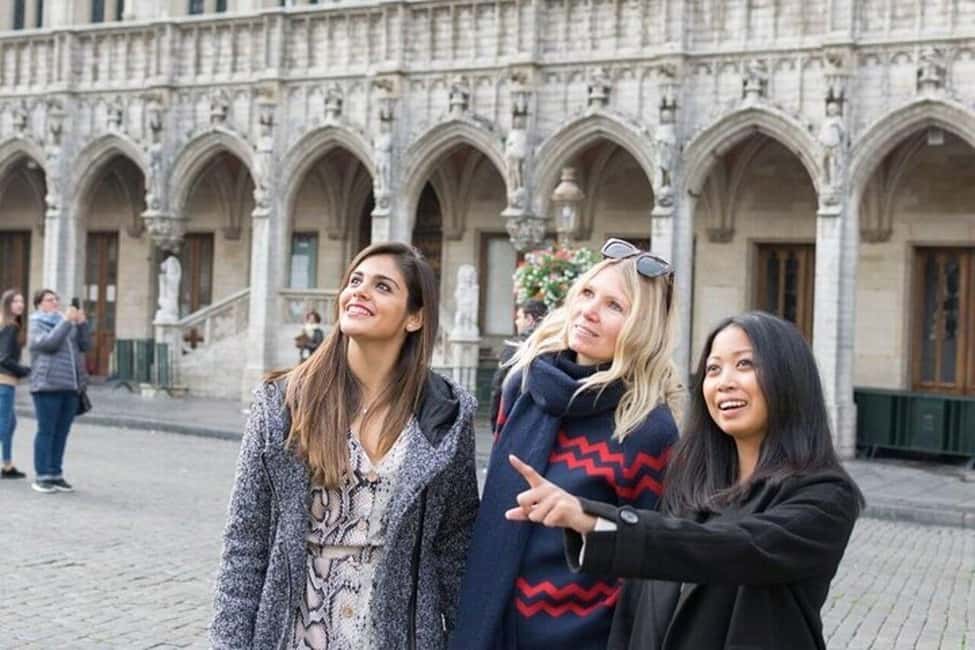
- Grand Place as the anchor point: you don’t just look—you get context for what you’re seeing
- St. Nicholas’ Church: a standout landmark that’s easier to appreciate with a guide’s explanations
- Royal Palace area: you’ll learn how the city’s power and design show up in the streets
- Route that moves beyond the center: Bois de la Cambre and the Sonian Forest add a refreshing change of pace
- Guides with different strengths: many are praised for fun delivery and detail, but style may differ
Meeting at Bd Anspach: where the walk actually begins
You start at Bd Anspach 93, meeting your guide near Pizzeria Del Corso. That’s a useful starting point because it puts you close to the action without immediately trapping you inside the busiest parts of the core.
The tour runs for 3 hours, so plan for a steady walking rhythm rather than a slow sightseeing cruise. This also means you’ll want comfortable shoes—seriously. Brussels is not the place for fragile soles if you’re trying to enjoy every stop.
You can also read our reviews of more walking tours in Brussels

St. Nicholas’ Church: the kind of stop that benefits from a guide
One of the first major landmarks on the route is Saint Nicholas’ Church. The outside is impressive, but what makes this stop work on a guided walk is that you get help noticing what matters—why the building looks the way it does, and what role it played in the city’s story.
A downside to major churches anywhere: they can be crowd-heavy near peak times. On a tight 3-hour format, you’ll likely keep things moving, which is great for efficiency. Just know this isn’t built for long, slow museum-style lingering.
Royal Palace: why the streets around it feel important
Next up is the Royal Palace area. Even if you’ve seen palace photos online, it helps to understand how this area shapes the way the city flows. A good guide connects the dots between architecture, the street grid, and the political theater that these spaces represent.
This stop is also where you start to feel the tour’s “more than the usual photos” approach. The value isn’t only the palace itself—it’s the explanation of how Brussels thinks. You’ll come away with a clearer mental map, which makes the rest of your self-guided time easier.
Potential drawback: depending on what’s happening around the palace, you may not get the same perfect photo angles you’d hope for. Still, the walking-based format usually keeps you from getting stuck waiting.
Grand Place: where Brussels shows off, with context
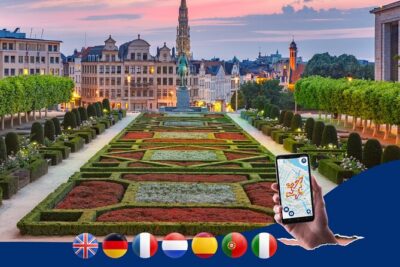
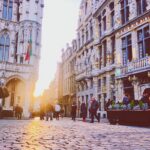
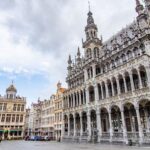
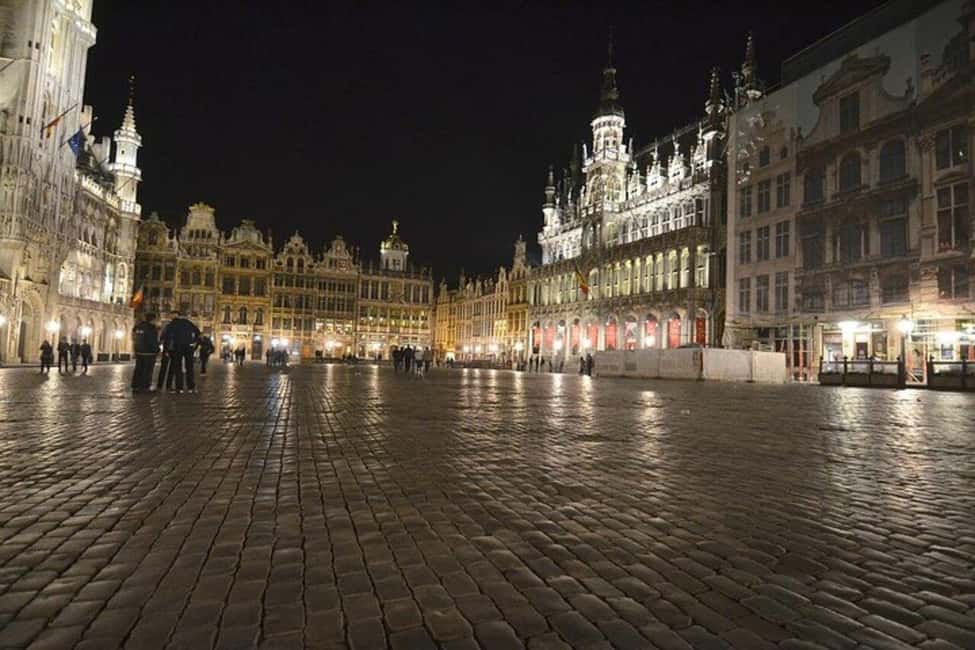
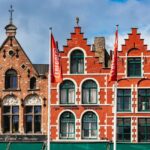
Then comes the centerpiece: Grand Place. This is the stop most people recognize—ornate façades, dramatic scale, and the feeling that the city knows it’s special. What I like here is that the guide’s job is to translate what you’re looking at into something you can actually understand.
In practice, it’s the difference between seeing buildings and understanding why they’re arranged the way they are. You learn the story behind the square and the significance of the surrounding structures, so your photos have meaning—not just pretty stone.
One practical note: this is the most photogenic and therefore the most crowded. Your best strategy is to accept that it’s busy and focus on moments between crowds—look up, read details, and let your guide handle the pacing.
Beyond the center: Bois de la Cambre and the Sonian Forest
Here’s what makes this tour more interesting than a straight-from-a-guidebook highlights loop: it keeps going into Bois de la Cambre and even toward the Sonian Forest. That shift is more than scenic. It changes your whole perspective of Brussels—from dense urban architecture to green space and calmer air.
The Sonian Forest is also a reminder that Brussels isn’t only a city of monuments. If you want a walk that gives your legs a break from constant heavy sightseeing, this part does that well.
The consideration? Forest and park sections usually mean more uneven ground and a bit more walking without tight “built-in” landmarks. Bring that comfortable-shoe mindset, and be ready for weather changes. In short, this portion rewards you for being mentally flexible.





How guides shape the experience (and why it matters)
The tour is led by a live guide, and you can get it in English, Spanish, Italian, or French. In real terms, that’s important because this kind of walk depends on explanations. If your guide is great at turning architecture and street layouts into clear stories, the whole route clicks.
The reviews include examples of guides such as Marielle, Andrea, Andrea Mogni, Fabio, and Stéphanie, with lots of praise for friendly energy and detailed storytelling. But one review also shows what you should watch for: if a substitute guide leans heavily on short anecdotes, the historical depth can feel lighter than you’d like—especially on a private tour where you expect a closer fit.
So my advice is simple: if you care most about historical explanation, choose the private option so you can align your interests better, and pay attention to how the guide is described in the tour details when you book.
Price and value: is $35 per person fair?
At $35 per person for 3 hours with a guide, this is priced like an activity where you’re paying for time, route planning, and interpretation. You’re not paying for admission tickets or a meal—so the value comes from how well the guide helps you turn sightseeing into understanding.
A key point: food and drinks are not included. Still, the tour gives you the option to stop for a snack or drink at one of the guide’s favorite places. That’s a nice extra because it can feel local without locking you into a full lunch plan.
If you’re traveling on a budget, plan for one paid stop for coffee, a drink, or a light bite. If you’re traveling with people who hate “waiting in lines,” you’ll likely appreciate the tour’s efficiency.
Shared group vs private: choosing your walking personality
You can choose a shared group tour or go private and customizable. Both can be good—just for different reasons.
A shared group is often the sweet spot if you like meeting people and don’t need the route tailored. It’s also a practical way to keep costs down while still getting the guide’s local knowledge.
A private tour is where this becomes more than just sightseeing. If your interests are specific—architecture, city history, or simply spending more time around the square and less around the parks—you can steer the walk toward what you want. The tradeoff is that you’re more sensitive to guide style, because you’re paying for a more bespoke experience.
Practical tips for the day: make it easy on yourself
- Wear comfortable shoes. This isn’t a sit-and-stare kind of itinerary.
- Dress for a mix of city streets and greener areas. Layers help because parks can feel cooler.
- Bring a way to charge your phone. You’ll want photos at Grand Place and you’ll likely use maps on your own after the tour.
- If you want a snack stop, treat it as optional budgeting. Food/drink isn’t included, even though you can stop.
Also, remember the tour starts at Bd Anspach near Pizzeria Del Corso and ends back at Bd Anspach 93. That makes it easy to plan dinner nearby without hunting across town at the end of a long walk.
Who this tour suits best
This walking tour is a smart pick if:
- You want main sights plus lesser-known streets, not just the obvious loop
- You like learning the meaning behind landmarks (architecture, layout, local context)
- You have about half a day to see a lot without needing a museum day
- You’d enjoy a change of scenery toward Bois de la Cambre and the Sonian Forest
It may be less ideal if:
- You hate walking and want a very relaxed pace
- You’re looking for long stops and deep museum-level time (this is structured for movement)
- You only want heavily detailed history at every turn and will feel let down if your guide prefers shorter anecdotes
Should you book it?
If your goal is to get oriented in Brussels fast—and leave with a clearer map in your head—this tour is a solid buy. The mix of Grand Place, major landmarks like St. Nicholas’ Church and the Royal Palace, and the green shift toward Bois de la Cambre and the Sonian Forest makes the 3 hours feel more rounded than a typical highlights-only walk.
Book it if you like guided context and you’re happy to put your feet to work. Skip or think carefully if you’re highly sensitive to guide style or you want a slower, longer stop at each site.
FAQ
Where is the meeting point for the tour?
You meet your guide near Pizzeria Del Corso at Bd Anspach 93.
How long is the walking tour?
The tour lasts 3 hours.
How much does it cost?
The price is $35 per person.
What’s included in the price?
You get the guided walking tour (shared group or private) and the guide.
Are food or drinks included?
No. Food and drinks are not included, though you may have the opportunity to stop for a snack or drink.
Which sights will we see?
The route includes St. Nicholas’ Church, the Royal Palace, and Grand Place, plus additional walking sections.
Does the tour include nature areas?
Yes. The itinerary includes stops at Bois de la Cambre and the Sonian Forest.
Is the tour available in multiple languages?
Yes. The guide languages listed are English, Spanish, Italian, and French.
Can I choose a private tour and customize it?
Yes. Private group options are available, and the private option can be customized to your interests.
Is the tour wheelchair accessible?
The tour is listed as wheelchair accessible.