REVIEW · BRUSSELS
Brussels: Entry Ticket to Mini-Europe
Book on GetYourGuide →Operated by Mini-Europe · Bookable on GetYourGuide
Europe in miniature is oddly addictive. Mini-Europe turns Brussels into a one-day shortcut through European landmarks and stories, with huge mini monuments, hands-on animations, and an indoor learning area for the EU. It’s the kind of stop where your eyes keep moving, and your camera keeps getting used.
I love the scale and craft: Big Ben and the Eiffel Tower are big enough to feel real, and the Grand-Place details with real gold leaf make the mini city look unexpectedly fancy. I also love the interactive history moments—from a Vesuvius eruption to the Ariane rocket take-off—plus live-action effects you can trigger as you walk.
One thing to consider: it’s a walking park, so if you want a slow, sit-down pace, plan extra time rather than trying to cram everything in at the last hour.
In This Review
- Key things I’d circle on your map
- Mini-Europe Brussels: The shortcut ticket that actually feels full
- Getting in at Bruparck: Where you start and what to bring
- The outdoor mini-city walk: Big monuments, tiny realism
- How long it takes (and how I’d pace it)
- Interactive moments that feel like “clicking history”
- Using the guidebook and on-site commentary like a route
- Spirit of Europe: The indoor finish that turns facts into games
- Price and value: Is $23 worth it?
- Who should book Mini-Europe (and who might not)
- Should you book? My quick decision guide
- FAQ
- Where is the meeting point for Mini-Europe tickets?
- What does the admission ticket include?
- How long is the ticket valid?
- What do I need to bring to enter?
- Are pets allowed in Mini-Europe?
- Do children need a ticket?
Key things I’d circle on your map
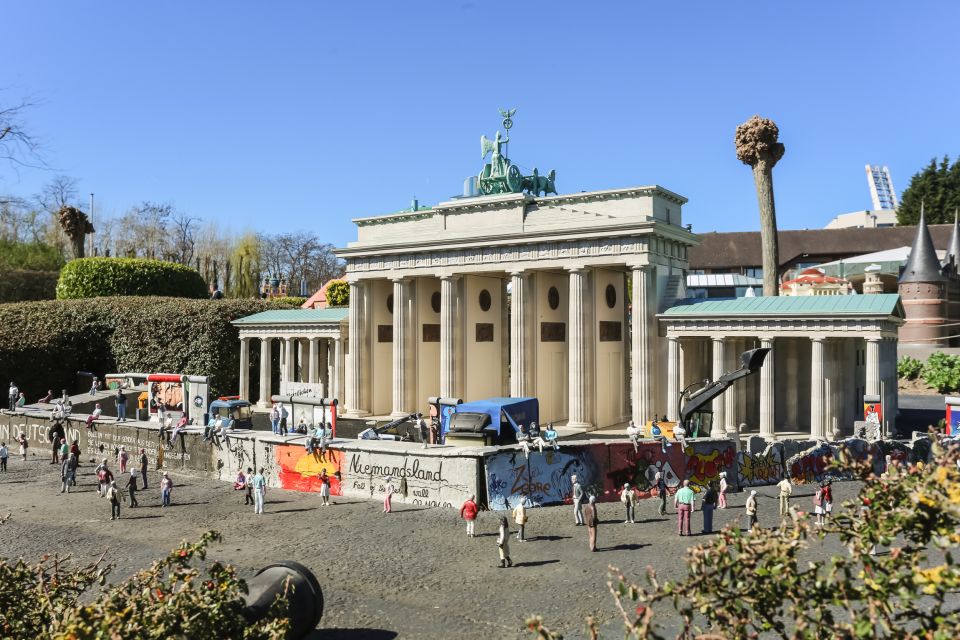
- 350 mini attractions in a single park, so you can cover a lot in one go
- Big Ben (about 4 meters) and Eiffel Tower (about 13 meters) as headliners for photo ops
- Live-action animations that turn history into something you can play with
- Real gold-leaf detail on statues tied to Brussels’ Grand-Place
- Spirit of Europe indoor zone with games and quizzes about the EU, UK, and Ukraine
Mini-Europe Brussels: The shortcut ticket that actually feels full
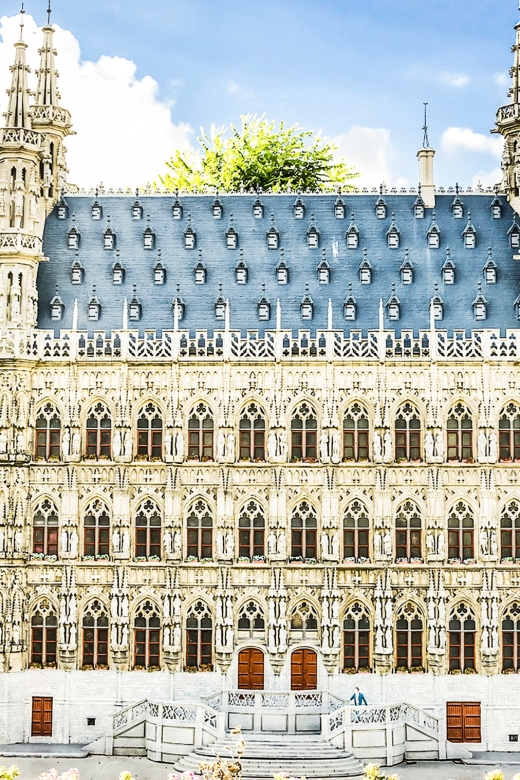
This is a simple idea with strong payoff: you get entry to Mini-Europe in Brussels, then spend the day roaming through Europe’s most famous buildings—shrunk down, but not simplified. The result is a miniature park that’s both visually impressive and surprisingly educational.
The ticket includes admission plus a guidebook in multiple languages. A guided tour guide is not included, so don’t expect someone to walk you through. Instead, you’ll rely on the on-site commentary (through the catalog/guide materials) and your own curiosity.
At around $23 per person, the value makes sense if you treat it like a time-saver. You’re paying to compress dozens of European highlights into a single visit—without dealing with train tickets, long travel days, and “we’ll see it someday” syndrome.
You can also read our reviews of more tours and experiences in Brussels


Getting in at Bruparck: Where you start and what to bring
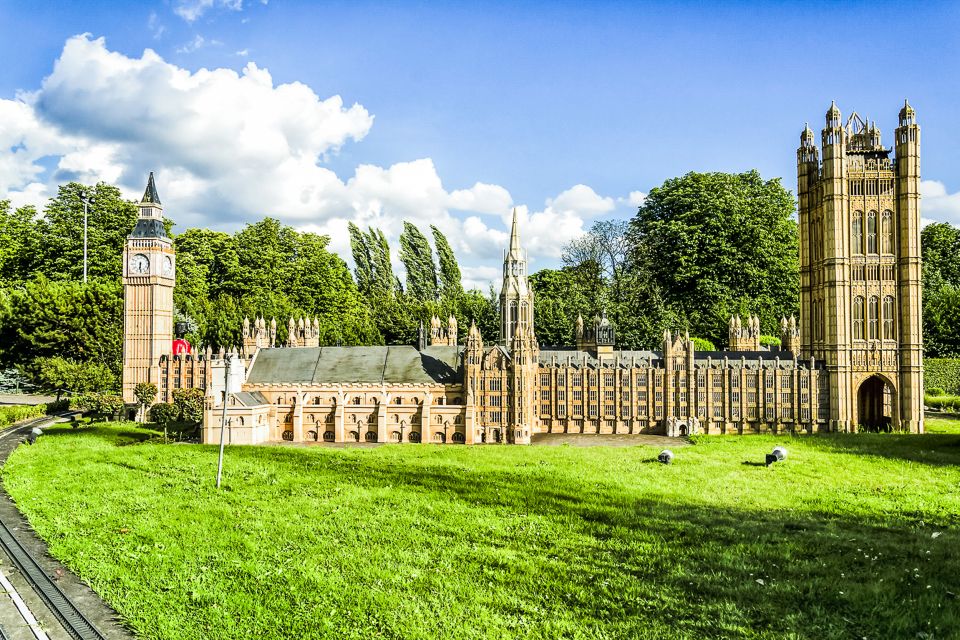
Your entry point is straightforward: go to the ticket control at Bruparck. The experience ends back at the meeting point, so you’re not forced into a one-way route through town.
Plan your timing because the last entrance is an hour before closing. If you arrive late, you’ll likely miss part of the park and most of the indoor learning area at the end.
Bring an ID card or passport, since that’s listed as required. Also note what’s not allowed: pets, skateboards, and skates. (If you’re traveling with kids, this is worth planning around so you don’t get stopped at the gate.)
The outdoor mini-city walk: Big monuments, tiny realism
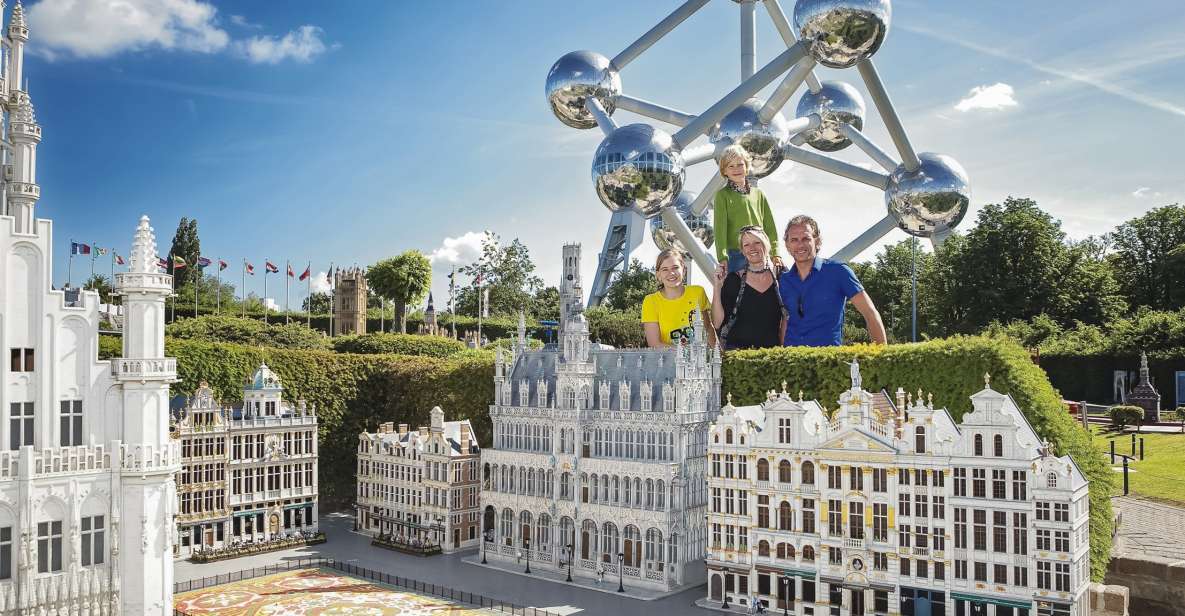
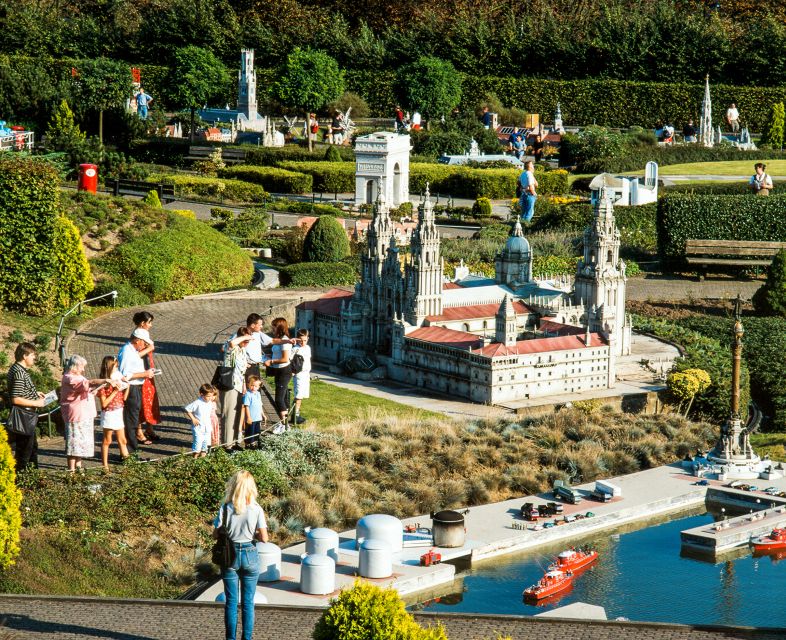
Mini-Europe is built for a “slow scan” style of sightseeing. Even if you only stop for quick photos, you’ll naturally get pulled toward the biggest silhouettes first, then notice the smaller touches as you loop around.
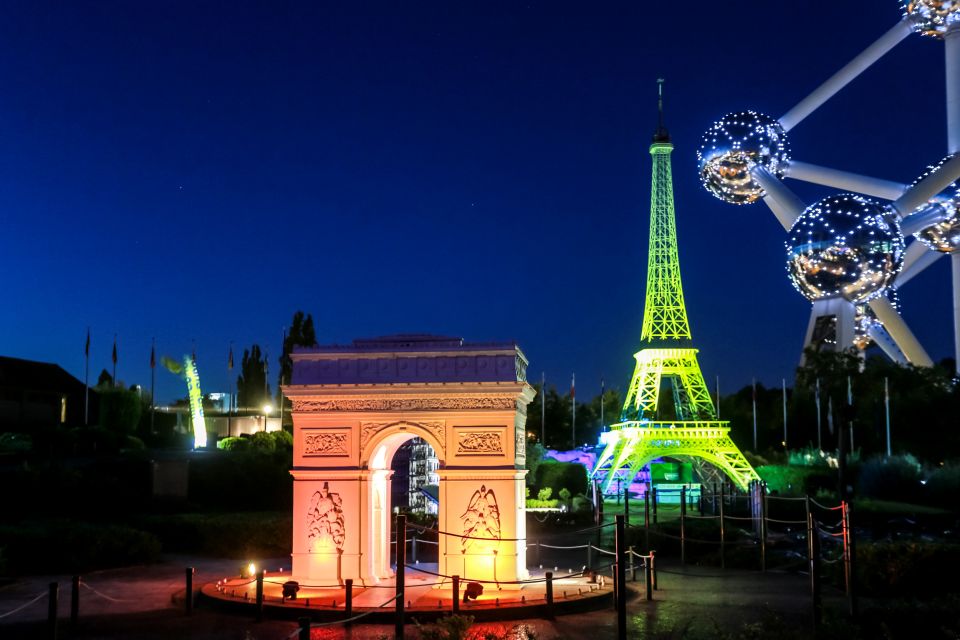
Start with the headliners. Big Ben is about 4 meters high, which is huge for a miniature park. Then look for the Eiffel Tower at around 13 meters, tall enough to feel like a real landmark in the skyline of the mini city. These scale choices are smart: they give you recognizable anchors so you don’t feel like you’re staring at a random model collection.
One moment that’s especially worth pausing for is the Brussels connection. The Grand-Place statues are painted with real gold leaves. That’s a detail you don’t expect to matter at miniature size, but the shine and placement make it feel more special than a typical “look, it’s a model” attraction.
You’ll also see the park landscaped like a garden version of Europe, with bonsai trees, flowery groves, and dwarf trees that frame the monuments. It’s not just decoration; it helps you move through sections and makes the whole place feel curated instead of scattered.
How long it takes (and how I’d pace it)
A common rhythm here is around 1.5 hours if you focus on the highlights and keep moving. If you want the extra interactions and more photo time, you can easily stretch it longer.
My practical advice: do the outdoor highlights first, then leave the most interactive pieces and the indoor “Spirit of Europe” for the back half. That way you’re not rushing the learning zone because you spent too much time stopping for every single miniature street scene early on.
Interactive moments that feel like “clicking history”
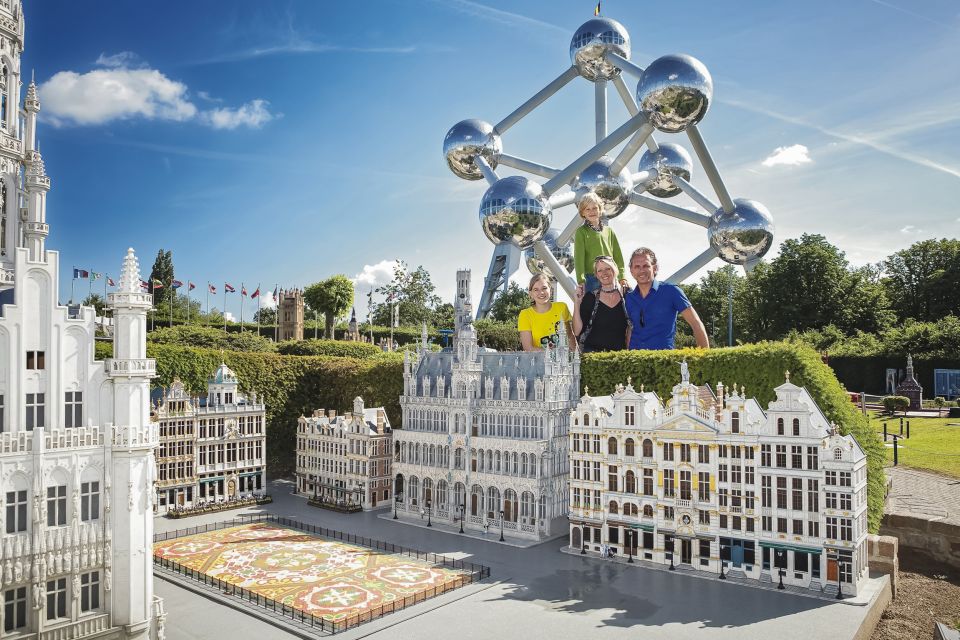
This is where Mini-Europe stops being only scenic and starts feeling playful. The park has interactive, live-action animations throughout, and you can activate scenes as you wander.
Here are some of the standout theme events you’ll likely run into:
- The eruption of Vesuvius
- The Ariane rocket take-off
- Destroying a section of the Berlin Wall
- An attack of legionnaires
- Vikings being scared
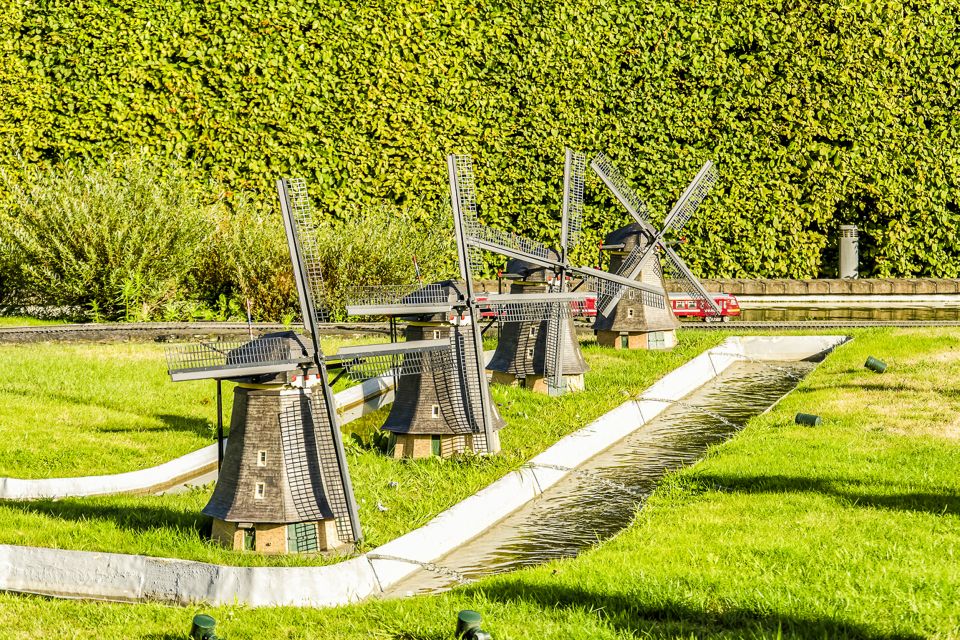
Then there are ongoing animation types tied to specific places, like the Bells of Stockholm and the Windmills at Kinderdijk. Even if you don’t know the background, the effects make the moment understandable. You’re not just reading captions—you’re watching a scene play out in miniature.
The best part for families is that the interactions break up the walking. For adults, they add a layer of interpretation: you can compare how different regions tell stories through architecture, politics, and myth-like visuals.
One small drawback to keep in mind: if you move very fast, you might skip the cause-and-effect parts of the animations. Slow down just enough to look for the triggers so you don’t miss what makes these scenes fun.





Using the guidebook and on-site commentary like a route
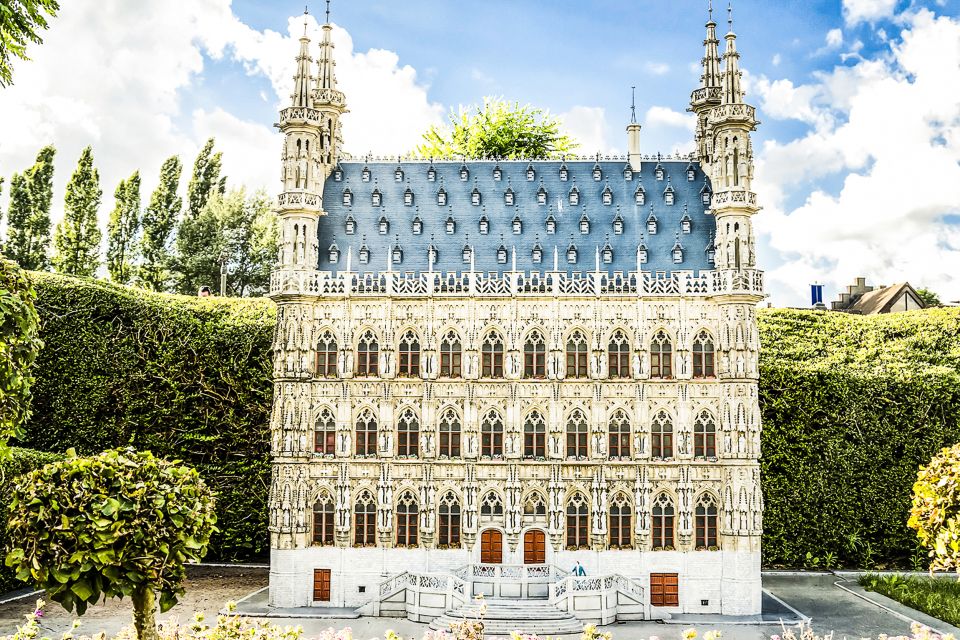
Because this is self-guided, the guidebook becomes your “make it meaningful” tool. The park doesn’t just list monuments—it ties them to a broader story of Europe: political and cultural shifts across centuries.
As you walk, you’ll see commentary that connects themes like:
- the origins of democracy
- Greek, Roman, and Viking heritage
- political transformations reaching into the 21st century
This is also where you’ll get context for why the park places certain monuments near each other. The route can feel like a history walk disguised as a sightseeing circuit.
If you’re traveling with kids, this works better than it sounds. A guided person can be helpful, but the guidebook gives you an “on your own schedule” way to explain what you’re looking at without turning the day into a classroom.
Spirit of Europe: The indoor finish that turns facts into games
At the end of the park, you enter Spirit of Europe, a large indoor space designed to make learning feel like play. Instead of more outdoor models, this zone uses live-action models, games, and quizzes tied to Europe’s current political landscape.
What you can test yourself on here includes the 27 EU member states, plus the United Kingdom and Ukraine. That’s a practical touch. Many visitors know the names, but quizzes force you to connect geography, recognition, and basic civics in a short burst.
This indoor finish is also a smart strategy for real-world comfort. If the weather is hot or rainy, you’ll appreciate having a plan that isn’t only outdoors. It’s also the section that helps the park feel more “worth it” for adults who worry miniature attractions are too shallow.
Price and value: Is $23 worth it?
Let’s talk value in a grounded way. $23 per person for a one-day experience is not cheap, but Mini-Europe is also not “just a photo stop.” You’re paying for three things working together:
- recognizable monuments in bold scale (Big Ben and Eiffel Tower matter here)
- interactive live-action moments rather than static models only
- a learning zone (Spirit of Europe) that adds substance beyond architecture
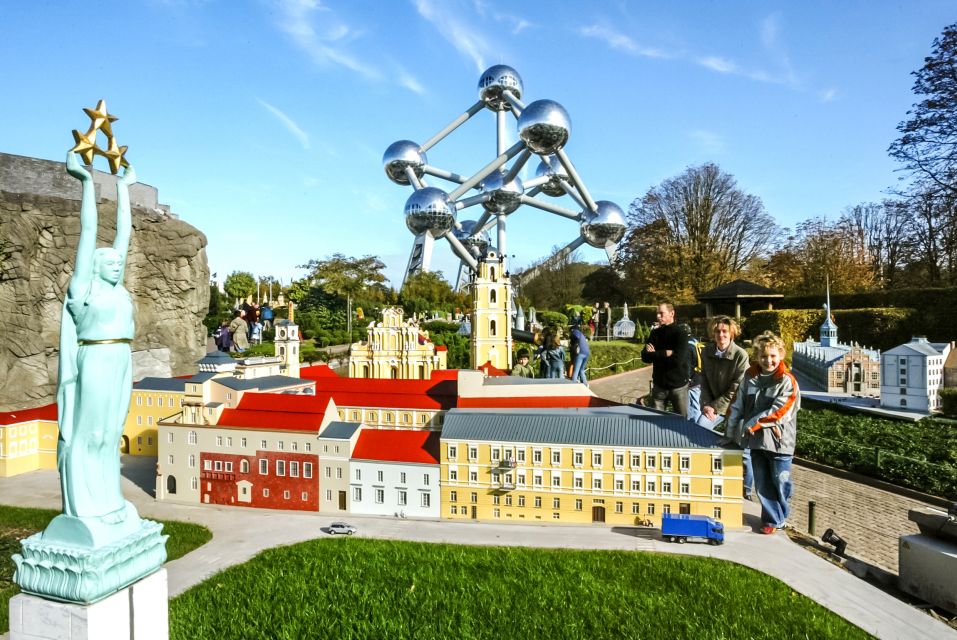
If your goal is to see as many European landmarks as possible without spending a week in transit, this is a strong deal. It’s especially good when you’re already in the area for other Brussels attractions, since Mini-Europe is right around the Atomium Museum area and can fit into a broader day plan.
Where it might not be worth it is if you mainly want “big places in real size.” If you’re expecting the emotional impact of being in front of the actual buildings, you’ll likely find the mini versions charming but not comparable.
Who should book Mini-Europe (and who might not)
Mini-Europe is a good match for:
- Families who want a fun day with plenty of interactions and a compact route
- Adults who like architecture, city shapes, and cultural symbolism
- Anyone trying to build a quick sense of Europe’s map and major landmarks
- Visitors who want a one-day plan without complicated logistics
It’s less ideal if:
- you hate walking and want very few steps
- you prefer deep, guided storytelling (a human guide isn’t included)
- you’re only interested in a single city or a single monument
If you’re on a tight schedule, you can still have a satisfying visit. Just remember there’s enough here that rushing too much means you’ll miss the “push the button and watch it happen” parts.
Should you book? My quick decision guide
Book if you want a high-impact, one-day Europe overview in Brussels—especially if you like details, photos, and interactive history moments. The guidebook + animations + Spirit of Europe combo is what makes it feel more than a roadside curiosity.
Skip or reconsider if you expect a guided tour experience or you’re traveling with low walking tolerance. Mini-Europe is friendly and wheelchair accessible, but it still asks you to move through a park.
If you’re choosing between this and spending the day only on outdoor sightseeing, I’d pick Mini-Europe when you want variety and value. It’s one of those rare attractions that keeps adults curious while giving kids something to do every few minutes.
FAQ
Where is the meeting point for Mini-Europe tickets?
You start at the ticket control of Mini-Europe at Bruparck. The experience ends back at the same meeting point.
What does the admission ticket include?
The ticket includes admission plus a guidebook available in multiple languages. A live guide is not included.
How long is the ticket valid?
The ticket is valid for 1 day. You’ll want to check available starting times when you book.
What do I need to bring to enter?
You should bring a passport or ID card.
Are pets allowed in Mini-Europe?
No, pets are not allowed.
Do children need a ticket?
Children smaller than 115 cm do not require a ticket.