REVIEW · BRUSSELS
Excursion to Bruges and Ghent by bus from Brussels
Book on Viator →Operated by Buendía · Bookable on Viator
Canals and medieval towers in one bus day. You’re getting a full-day loop with a Spanish-speaking guide, tight walking routes, and built-in photo stops in both Bruges and Ghent. One watch-out: it’s a long day (about 10.5 hours), so if you hate cobblestones and busy schedules, you’ll feel it.
I also like how the tour is structured around specific landmarks, not just general wandering—so you leave with clear takeaways, from the Basilica of the Holy Blood in Bruges to the Van Eyck masterpiece inside St. Bavo’s Cathedral in Ghent. The main consideration is time management: you get guided segments plus only about 1.5 hours of free time in each city, so you’ll want to pick your top priorities before you go.
In This Review
- Key highlights to pay attention to
- A practical two-city day trip from Brussels
- Price and what you’re really paying for
- Getting started in Brussels: what your morning feels like
- Bruges on foot: canals, squares, and the bridge legends
- The Bruges chocolate tasting stop you’ll remember
- Free time in Bruges: use it like a local, not a tourist
- Bus transfer to Ghent: quick reset before the next medieval city
- Ghent guided walk: Town Hall to the Mystic Lamb
- Ghent free time: what 1.5 hours can realistically do
- Guides, group size, and the radio/headphone reality
- Who this tour suits best (and who should consider another plan)
- A balanced “pros vs. cons” view
- Should you book this Bruges and Ghent day trip from Brussels?
- FAQ
- Where does the tour start in Brussels?
- What time does the tour begin?
- How long is the excursion?
- What’s included in the price?
- Do I get free time in Bruges and Ghent?
- Are meals included?
- Will I need headphones for the tour?
- How big is the group?
- What about children and seating on the bus?
- What happens if weather is bad?
Key highlights to pay attention to
- Spanish-speaking guide: easy explanations as you walk, with practical tips for what’s next.
- UNESCO Bruges photo route: canals, bridges, and the Markt area lined up for quick sightseeing.
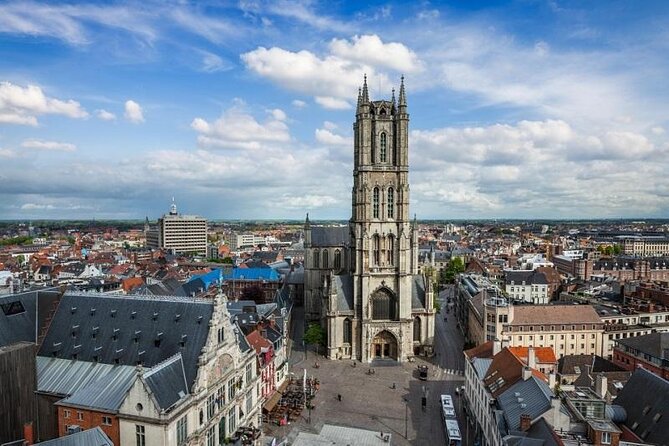
- Ghent’s medieval centerpiece: St. Bavo’s Cathedral and the Mystic Lamb painting.
- Artisan chocolate tasting in Bruges, with help spotting handmade vs. factory-style.
- Group size capped at 45 and coach travel, so you’re not stuck in a huge crowd.
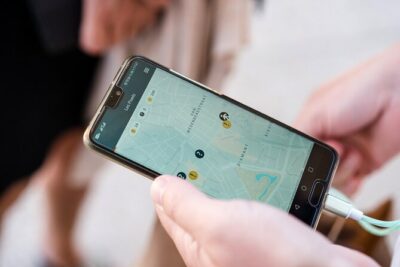
- Radio/headphone guidance sometimes needed in Belgium; you can use a 3.5 mm jack.
A practical two-city day trip from Brussels
This is one of those Brussels ideas that makes sense on a calendar: Bruges and Ghent are close enough to bundle, but different enough that two separate trips would be a hassle. You ride out by air-conditioned coach, spend the day walking with a Spanish-speaking guide, and still get time to wander on your own.
What makes it work is the pacing. The day is broken into short, specific stops with photo moments, then you get a chunk of independent time in each city to follow your own curiosity. The route also leans into Belgium’s “small-details big-meaning” style of sightseeing—bridges with legends, guild buildings, canal-edge viewpoints, and the kind of historic street texture you notice more when you’re guided.
The potential downside is that this is not a slow, sit-by-the-water kind of outing. It’s a full program, and you’ll walk. If you’re planning on museum deep-dives or long café sits, you’ll likely feel rushed.
You can also read our reviews of more tours and experiences in Brussels.


Price and what you’re really paying for
At $54.45 per person, the value is mainly in the combination: round-trip transportation from Brussels plus guided walking in both cities. Doing Bruges and Ghent independently can be doable, but then you’re spending your own time figuring out schedules, meeting points, and how to hit the right streets fast. This tour hands you a prepared route.
Also, the included “extras” aren’t random. In Bruges, you get a stop at a certified artisan chocolate shop for a tasting and some real guidance on what makes one chocolate different from another. In Ghent, the route hits the major squares and cathedral area where most first-time visitors will want to be anyway.
Is it “cheap”? Not exactly. But it’s priced like a structured day: you’re paying to turn two cities into one low-effort sightseeing day.
Getting started in Brussels: what your morning feels like
The tour starts at Carrefour de l’Europe in central Brussels (1000 Bruxelles), and the departure time is 8:30 am. That early start matters because you’re aiming to cover Bruges first, then switch gears for Ghent.
There’s a quick bus rhythm early on: the coach drops you near Bruges at Bargeplein (Katelijnparking), and the guide gives a return time for when you need to meet the bus again. You also get a short bathroom break buffer at the beginning, which is genuinely helpful on a day like this.
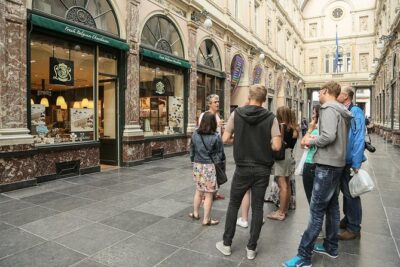
The group is capped at 45 travelers, so you’re not getting lost in a swarm. Still, expect a standard bus-tour crowding level—bring comfortable shoes and plan to stand in lines if you hit anything with limited space.
Bruges on foot: canals, squares, and the bridge legends
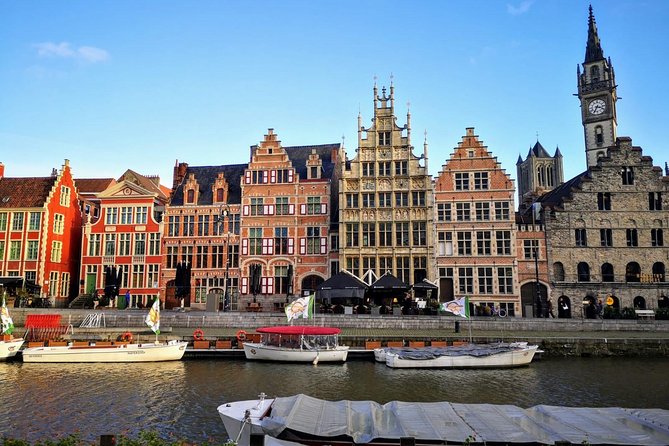
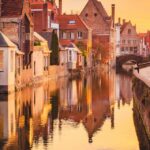
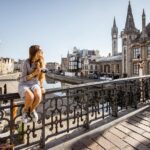
Bruges is the part of this trip that can feel like instant movie scenery. You’re walking into a medieval street pattern where canals and cobblestones do a lot of the work for you. The guide connects the visuals to stories, which helps you remember what you see.
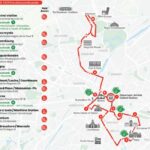
Here’s the Bruges “why this stop matters” version of the route:
- Minnewater Lake (Lake of Love): this is your early emotional reset. You see the water backdrop, then the guide explains the Bruges context and the well-known love story linked to the lake. It’s a quick stop, but it sets the mood.
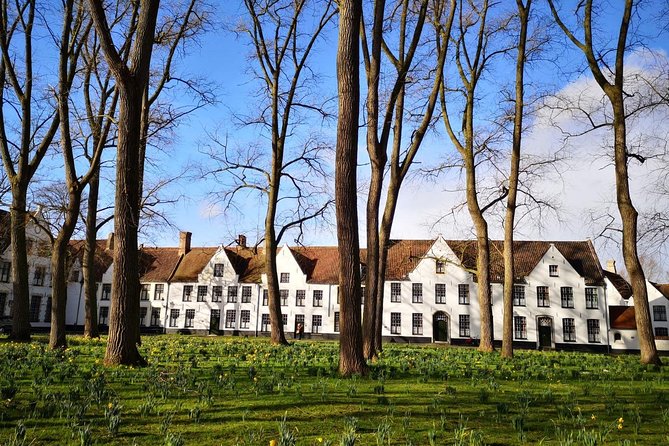
- Begijnhof (Beguinage): founded in 1245, this is one of those places that makes medieval Europe feel real. Even with a short visit, you get the sense of a special community space.
- Stoofstraat: this is the kind of street stop that turns architecture into a clue. The guide explains how to spot older medieval houses.
- Walplein: a small square, but you get a guided takeaway about Bruges beer, which is an easy “I didn’t expect to learn that” moment.
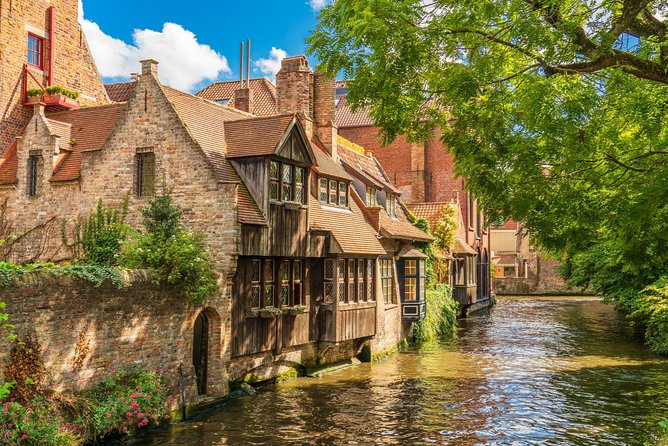
- St Bonifacius Bridge: the guide shares a bridge legend, and you get time for photos. If you like pictures with a story behind them, this kind of stop is a win.
- St John’s Hospital area (Old St. John Hospital): you learn how medieval health systems worked—again, short, but memorable because it’s not just sightseeing.
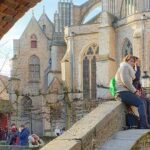
- Onze-Lieve-Vrouwekerk (Church of Our Lady): from outside you hear about the church’s marble artwork (a Virgin and Child sculpture attributed to Michelangelo is inside). You’re not here for a long inside visit, so the value is the guided context.
Then the tour tightens around the classic Bruges center:
- Gruuthusemuseum exterior: you learn about the powerful family who shaped Bruges between the 17th and 18th centuries.
- Burg Square (Burg Square/Markt area): you see the Gothic town hall and landmarks tied to the Basilica of the Holy Blood. This square is one of Bruges’ big “anchor points,” so it’s a good place to orient yourself.
- Rozenhoedkaai (the most photographed area): you get time for pictures at the canal-side viewpoint. The guide frames it as a historic waterfront spot connected to rose-related imagery.
- Huidenvettersplein (Tanners’ Square): another quick but smart lesson in how medieval labor shaped the city streets.
- The Markt (Grote Markt): the guide explains the buildings around the square and gives practical tips for where to eat and where to buy traditional chocolate. This is also when you’ll be reminded when to return for the bus heading to Ghent.
One note: Bruges walking is all about surfaces—cobblestones, narrow lanes, and occasional crowded corners. If you’re sensitive to slow pacing, plan for it, because this city draws everyone.
The Bruges chocolate tasting stop you’ll remember
In Bruges, you stop at Chocolalino, an artisan chocolate shop where you can taste samples. This is the rare tour inclusion that feels fun and useful: the guide explains how to tell handmade chocolate from more industrial versions.
If you’re a chocolate person, this stop is a good payoff in a day that’s otherwise mostly walking. If you’re not, it still helps you leave with one clear “Belgium souvenir” idea that’s more than just a brand name.

Free time in Bruges: use it like a local, not a tourist
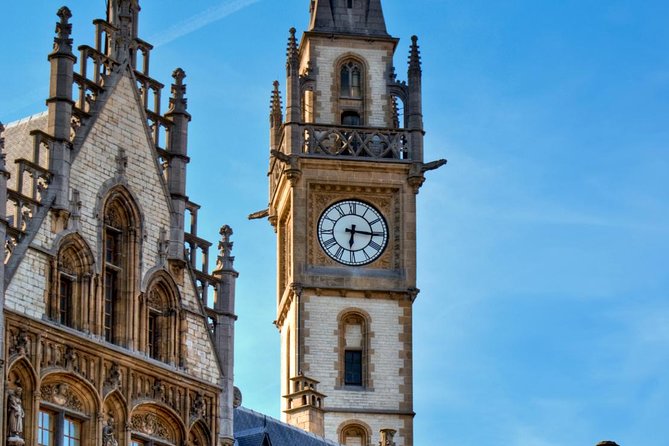
You get about 1.5 hours of independent time in Bruges (timing can shift with traffic and group rhythm). This is your chance to do the stuff that didn’t fit into the guided route.
Here’s how I’d use it:
- If you love photos: return to the canal areas near your favorite bridge viewpoint and try a different angle.
- If you love browsing: shop for chocolate and small crafts, but don’t buy everything at once. Compare a couple of spots first.
- If you want a sit-down moment: pick a café near your route so you don’t waste time backtracking.
A practical warning from the pacing reality: because Bruges is the first city you hit, you’ll want to lock in your top “must-see” first—cathedral interiors and bigger museums might be hard to squeeze in with only 1.5 hours.
Bus transfer to Ghent: quick reset before the next medieval city
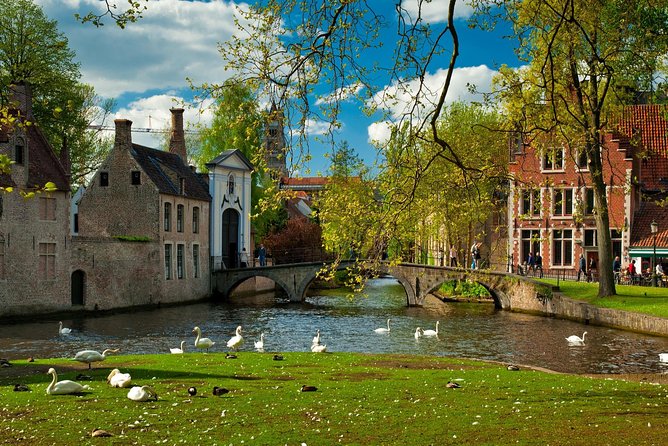
When Bruges free time ends, you’re back at Bargeplein (Katelijnparking) to meet the guide and coach. Then you head to Ghent.
This transfer is where energy can drop. Bring water if you can (food isn’t included), and use the bus time to get comfortable for the Ghent walk. The coach ride gives you a chance to recover before the more concentrated city-center sightseeing.
Ghent guided walk: Town Hall to the Mystic Lamb
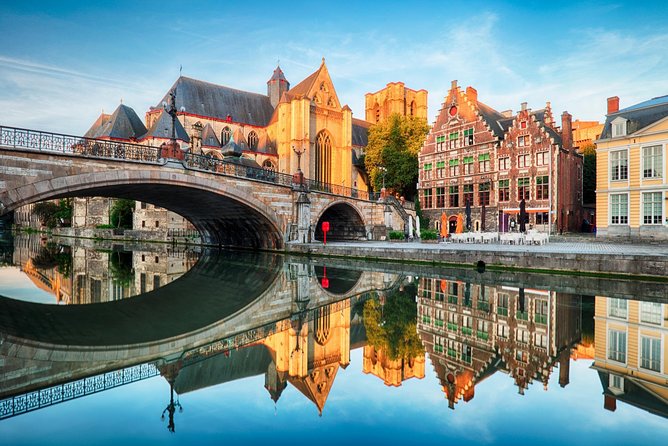
Ghent feels different from Bruges. It’s also medieval, but it reads more “lived-in” and less postcard. You walk to the center and start your guided portion right in the historic core.
The Ghent highlights are built around big architectural anchors:
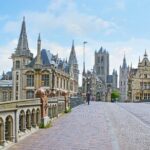
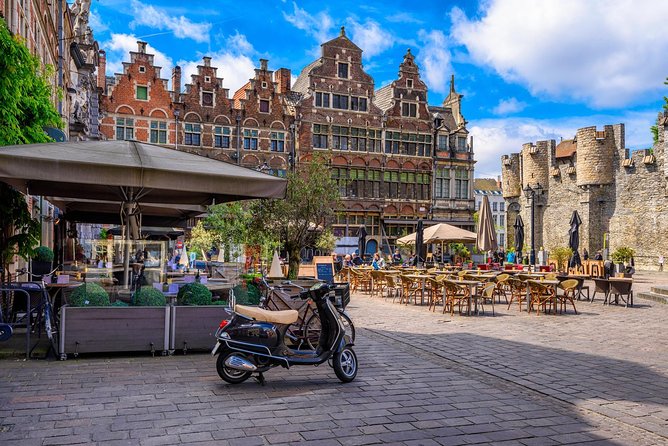
- Ghent Town Hall (Stadhuis): the guide explains different architectural styles on the building. This is a good introduction if you like noticing design changes over time.
- Het Belfort van Gent: you learn the tower’s iconic status and the story surrounding the dragon. This stop is short but gives you a mental handle on why the tower matters.
- St. Bavo’s Cathedral: you discover the exterior and interior, and the guide points out that the cathedral keeps the famous Van Eyck brothers painting, The Adoration of the Mystic Lamb. Even without museum-style deep study, this connection turns the cathedral from a photo into a specific art reference.
The route also includes cultural and guild-style detail:
- Saint Nicholas Church: a quick note that Belgian churches can host concerts and events helps you understand why these spaces keep feeling active.
- Masons’ Guild Hall: you see the original façade and learn what guild houses are and what makes them special.
- Korenmarkt: the guide explains the history of the building where the post office used to be.
- St Michael’s Bridge: another photo stop with a story about the church-tower connection.
Then you get your scenic river-edge segment:
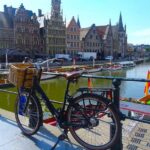
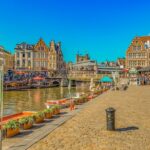
- Graslei and Korenlei: you follow the banks of the Lys River. The guide points out surrounding buildings like the grain house and even notes a current hotel presence along the canal area. It’s a great “walk while you look” section.
And then two market/food-culture landmarks that help Ghent feel grounded:
- OOOST meat house: dates back to the 15th century and was originally a covered market. It’s not just a building; it’s a clue to how food commerce shaped daily life.
- Kleine Vismarkt: you stop at a traditional street stall, where you hear about the famous sweet cuberdon.
Finally, you wrap around the main square and planning zone:
- Sint-Veerleplein: your guide gives tips for where to eat and where to shop for souvenirs, plus when and where to catch the bus back to Brussels.
Ghent free time: what 1.5 hours can realistically do
You get about 1.5 hours of free time in Ghent too. Since the guided portion already covers a lot of the “headline” landmarks, your best use of free time is to go for atmosphere and optional extras.
I’d focus on:
- One extra walk segment you didn’t cover fully during the guide’s route.
- A café stop near the center so you don’t lose time heading back.
- A small shopping loop for souvenirs you can actually carry.
If you want more museums or long art stops, this tour won’t replace a standalone Ghent day. But it’s strong for seeing the essentials and getting your bearings fast.
Guides, group size, and the radio/headphone reality
The tour is led by a Spanish-speaking guide, and the day is usually taught with a structured narrative instead of random points of interest. In past departures, guides such as Carlos, Lucía, Ana, Paula, Eduardo, Unai, Irene, and Guiomara have led groups, and the common thread is practical, detail-minded explanations.
One Belgium-specific detail: sometimes you’re required to use radio guides with headphones. The rules say you can use your own wired headphones with a 3.5 mm jack, and if you don’t have any, you can buy headphones for €1.
This matters because it affects comfort. If you already own earbuds with a 3.5 mm connector, bring them. If not, plan for the €1 option.
Who this tour suits best (and who should consider another plan)
This is a great fit if:
- You want Bruges + Ghent in one day without transit headaches.
- You like guided stories and want a clear route with photo moments.
- You’re fine with a pace that includes lots of short stops and walking on uneven surfaces.
You might hesitate if:
- You want slow travel with long breaks and lots of museum time.
- You’re planning to do deep interior sightseeing beyond what the guide includes.
- You’re very sensitive to schedule changes. The day is built around timing, so if something runs late, free time can feel tighter.
A balanced “pros vs. cons” view
What you get
- A well-structured day using coach time efficiently.
- Clear, landmark-based sightseeing in both cities.
- A fun bonus with artisan chocolate tasting in Bruges.
- Enough free time to personalize your day.
What to watch
- It’s long, and you’ll walk a lot.
- Free time is about 1.5 hours per city, so you’ll choose priorities rather than do everything.
- There have been occasional complaints about bus comfort or driver familiarity on certain departures, so it’s smart to keep a calm mindset and avoid over-tight connections on the same day back in Brussels.
Should you book this Bruges and Ghent day trip from Brussels?
If your goal is “see the highlights, get a story for each landmark, and don’t spend half your day on logistics,” I think this tour is a solid booking. The Spanish guide, the coach convenience, the UNESCO Bruges canal-and-square route, and the Ghent cathedral/art-artifact stop are the right ingredients for a first visit.
Book it if you’re comfortable with a long day and you treat free time as flexible bonus time. Skip it (or plan something else) if you want a slow pace, lots of museum depth, or a stress-free “wander all day” schedule.
FAQ
Where does the tour start in Brussels?
It starts at Carrefour de l’Europe, 1000 Bruxelles, Belgium and returns back to the same meeting point.
What time does the tour begin?
The start time is 8:30 am.
How long is the excursion?
The duration is approximately 10 hours 30 minutes.
What’s included in the price?
You get a professional Spanish-speaking guide, round-trip air-conditioned bus transport, and guided tours in Bruges and Ghent, plus recommendations from the cities.
Do I get free time in Bruges and Ghent?
Yes. You have about 1.5 hours free time in Bruges and about 1.5 hours free time in Ghent (timing can depend on traffic and the group’s pace).
Are meals included?
No. Food and drink aren’t included, but the guide is happy to point you to good places to eat.
Will I need headphones for the tour?
Belgian regulations sometimes require radio guides. You can use your own wired headphones with a 3.5 mm jack, or buy headphones for €1 if you don’t have any.
How big is the group?
The maximum group size is 45 travelers.
What about children and seating on the bus?
Children under 2 years must ride in a safety seat on the bus, so you should bring the proper chair/seat.
What happens if weather is bad?
This experience requires good weather. If it’s canceled due to poor weather, you’ll be offered a different date or a full refund.