REVIEW · BRUSSELS
From Brussels: Day Trip to Ghent with Atomium
Book on GetYourGuide →Operated by BUENDIA TOURS · Bookable on GetYourGuide
Ghent and the Atomium share your day. I like how the tour mixes big-photo sights with specific stops like St. Bavo’s Cathedral and the Van Eyck Mystic Lamb, and I also like that you get 4 hours of free time to pace yourself and eat where you want. The one catch: food and drinks aren’t included, so you’ll want a plan (or cash) for lunch and any beer stop like Dulle Griet.
This is a full 9-hour outing built around a coach ride from Brussels, a Spanish-language guide in Ghent, and plenty of time on foot through medieval lanes. You meet in front of the Hilton Grand Place Hotel by Brussels Central Station, and the guide wears an ID for Buendia Tours—small thing, but it helps when you’re matching faces fast.
In This Review
- Quick hits: what makes this Ghent-and-Atomium day work
- From Brussels Central to medieval Ghent, without a headache
- Atomium stop: a memorable warm-up before Ghent
- The Spanish-guided walk: churches, power, and guild life
- 1) Castle of Gerald the Devil and the cathedral anchor
- 2) Belfry, Town Hall, and the noose-bearers story
- 3) St. Nicholas’ Church, the Masons’ Guild Hall, and the Graslei quay
- What I’d watch for during the guided portion
- Gravensteen and Patershol: medieval feel you can’t get from photos
- Gravensteen castle: a medieval fortress in the middle of town
- Patershol: lanes for slow wandering
- Markets, trading history, and where to eat with your free time
- Great Butchers’ Hall, Old Fish Market, and Friday Market
- Lunch choices: typical Flemish food or a classic beer moment
- Price and value: why $49 can work for a 9-hour day
- Logistics that actually help (and one thing to be aware of)
- Meeting point clarity
- Timing and walking
- Not for mobility impairments
- Who should book this Ghent and Atomium day trip
- Should you book it?
- FAQ
- How long is the day trip from Brussels to Ghent with the Atomium stop?
- What language is the tour guide?
- How much free time do I get in Ghent?
- Is lunch or any food included?
- Where do I meet the tour in Brussels?
- Is this tour suitable for people with mobility impairments?
Quick hits: what makes this Ghent-and-Atomium day work
- Atomium first, with a quick look at the nine-province design before you head to Ghent
- Spanish guided tour (2 hours) focused on landmark churches, guild buildings, and civic power
- St. Bavo’s Cathedral and the Van Eyck Mystic Lamb as a core highlight
- Belfry of Ghent and Town Hall plus the story of why locals are nicknamed noose-bearers
- Medieval stops you can feel, from Gravensteen castle to the Patershol neighborhood
- Markets and quays, then 4 hours to roam on your own with lunch options nearby
From Brussels Central to medieval Ghent, without a headache
If you’re short on time in Belgium, this is a smart way to do Ghent as a first visit. You get the big city structure, guided context, and then a chunk of unscheduled time so you can actually wander instead of feeling herded. It also helps that the tour is in Spanish, which is great if you want history explained without relying on translation apps.
The day runs long enough that you’ll feel it in your legs, but the pacing is reasonable. You ride the bus to Ghent (about 1.5 hours), spend about 2 hours on a guided walk, then you get 4 hours of free time to lunch and explore at your own speed. After that, you head back to Brussels (about 1.5 hours) and return to the meeting point.
I also like the “meet and go” simplicity. You start at Brussels Central Station area, and the guide is clearly identified as part of Buendia Tours. If you’ve ever tried to assemble a day-trip plan on your own, you know the value of not having to think about timing for every hop.
You can also read our reviews of more tours and experiences in Brussels



Atomium stop: a memorable warm-up before Ghent
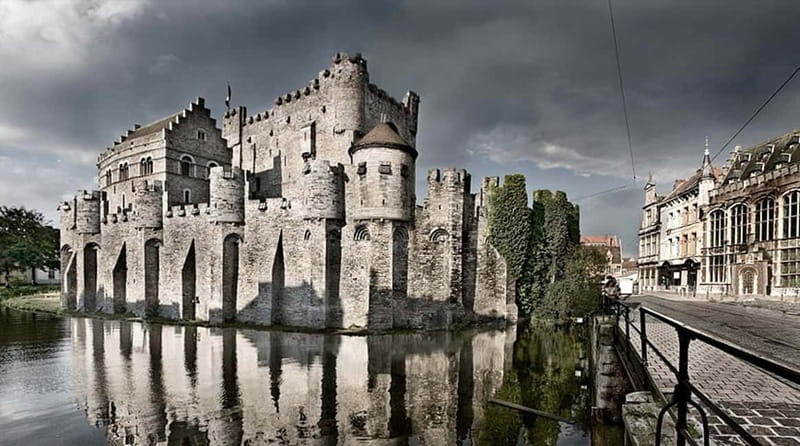
Before you leave Brussels behind, you’ll make a stop at the Atomium. It’s hard to ignore even when you’re just seeing it from outside: it rises more than 100 meters high, and the spheres are about 18 meters in diameter. The sculpture represents the nine provinces of Belgium, which gives you an easy fact to carry in your head as you head toward older architecture.
This stop works as a mood shift. Ghent is medieval and human-scale—small streets, stone buildings, canal edges. The Atomium is the opposite: bold, modern, geometric. That contrast makes the day feel more like a two-part story instead of one long museum crawl.
One practical note: this is mainly a chance to admire the monument, not a detailed time commitment. You’re there to look, absorb, and move on—perfect if you don’t want your whole day bent around one photo stop.
The Spanish-guided walk: churches, power, and guild life
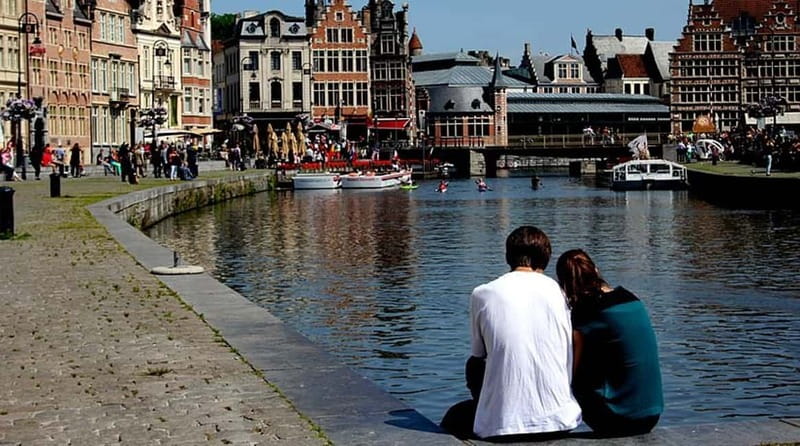
The heart of the experience is the Spanish-guided tour through Ghent’s main landmarks. It’s built to show you how the city worked: religion, government, and trades all side-by-side. You’ll learn the history at several key sights, so your wandering later makes more sense.
1) Castle of Gerald the Devil and the cathedral anchor
You start with historical anchors that help you place Ghent in time. One named stop is the 13th-century Castle of Gerald the Devil. Even if you only catch parts of it as you move past, it sets the tone: this is a city with legends and serious medieval layers.
Then you reach St. Bavo’s Cathedral, where the highlight is the work called The Adoration of the Mystic Lamb by the Van Eyck brothers. This is the kind of stop that turns a building into a story. When you know what you’re looking for, the cathedral stops being just impressive architecture and becomes a reason people built and preserved a place here in the first place.
2) Belfry, Town Hall, and the noose-bearers story
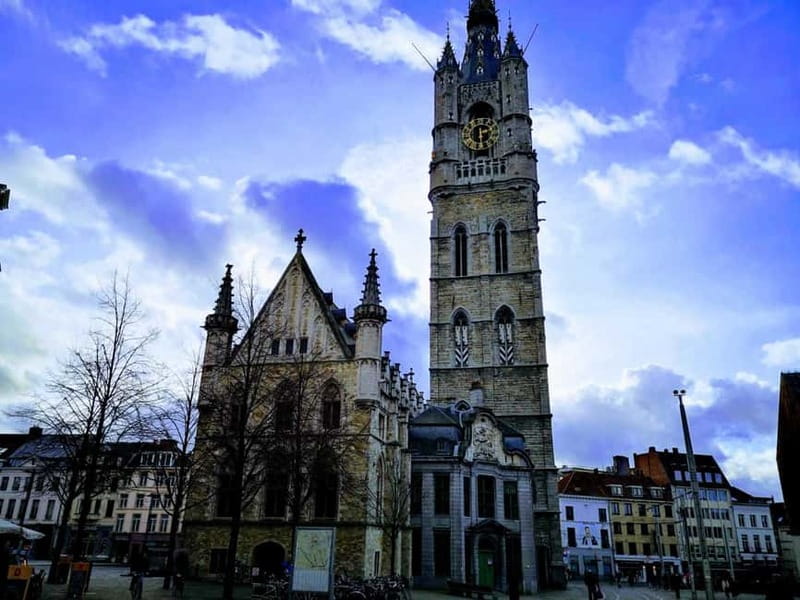
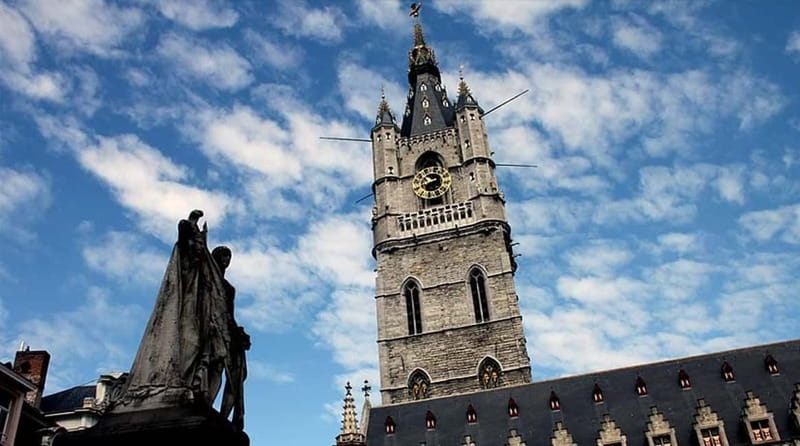
Next up is civic Ghent. You’ll visit the Belfry of Ghent and the Town Hall, and you’ll hear why Ghent’s inhabitants have the nickname noose-bearers. That kind of detail is exactly what you hope a guided walk will add—small historical explanations that make the city feel specific, not generic.
I like this part because it teaches you what power looked like. In many European cities, you can tell what mattered by where buildings reach up and where the important rooms were. The belfry and the town hall are the visual clues that Ghent’s identity wasn’t only about churches.





3) St. Nicholas’ Church, the Masons’ Guild Hall, and the Graslei quay
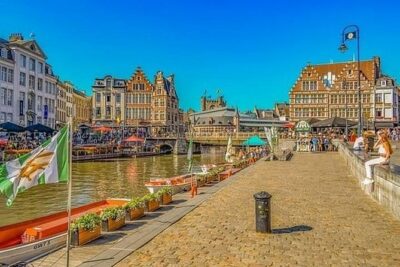
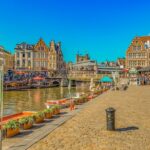
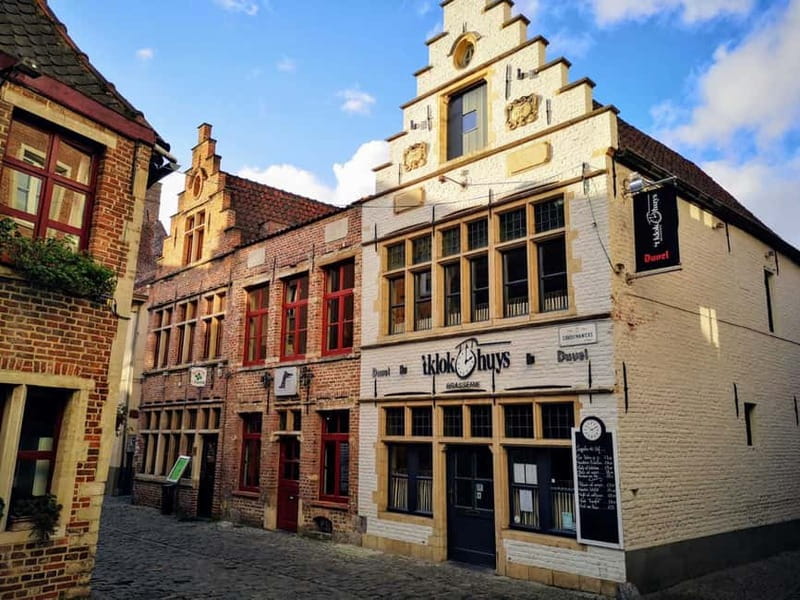
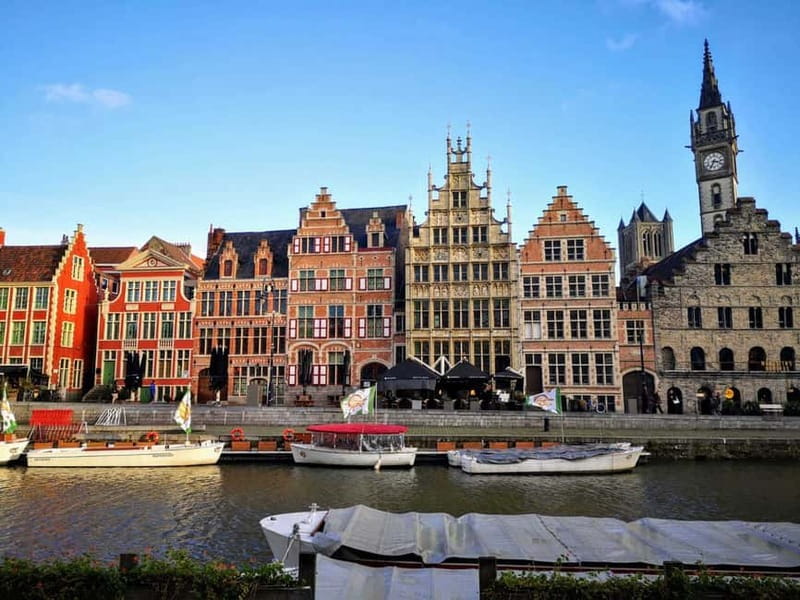
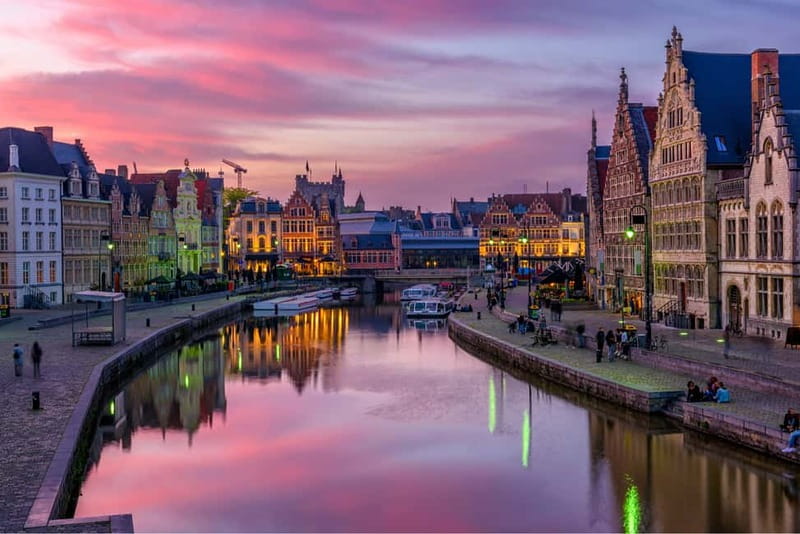
The tour continues with more buildings tied to community and trade. You’ll see St. Nicholas’ Church, the Masons’ Guild Hall, and the Graslei quay-side buildings. This area matters because Ghent isn’t just medieval walls; it’s also waterways and the trade routes that came with them.
If you like the feel of old cities, pay attention to the quay perspective. Buildings that line the water teach you how the city functioned day to day. Later, during your free time, you can use that mental map to orient yourself faster.
What I’d watch for during the guided portion
The guided segment is about 2 hours, so your best move is to walk with intention. When your guide points out a building or explains a nickname, jot down the name mentally and look it up again later when you slow down. You’ll get more out of your free time if you know what you’ve already “tagged” during the walk.
Also, comfortable shoes aren’t optional here. You’re on foot for multiple chunks of the day, including free roaming.
Gravensteen and Patershol: medieval feel you can’t get from photos
After the civic and church landmarks, you’ll move into more “you can feel it” medieval zones. Two standouts are Gravensteen castle and the Patershol neighborhood.
Gravensteen castle: a medieval fortress in the middle of town
Gravensteen is a castle you don’t have to imagine. You can see the fortress presence and understand why it mattered. Since you also get time to enter the area, it becomes more than a viewpoint—it becomes a place.
Even without going deep into extra details not provided, this stop is valuable because castles tell you about defense and authority. They also break up the day with a change of pace from churches and guild halls.
Patershol: lanes for slow wandering
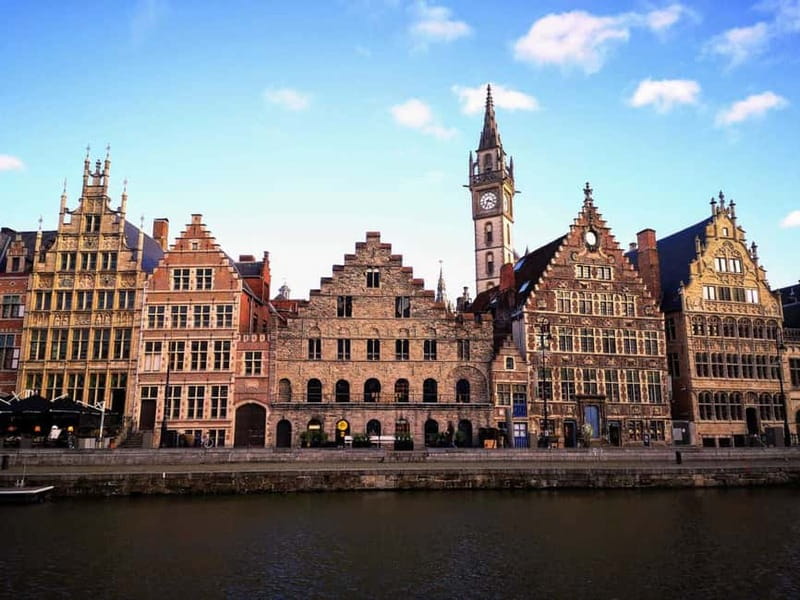
Then comes Patershol, which is the kind of neighborhood that rewards walking slowly. It’s pretty, but more than that, it’s the place where you can see Ghent’s medieval texture up close. This is the area where the free-time portion will likely overlap with your interests, so you’ll come back with a better sense of what you’re seeing.
If you like taking your time—pausing, taking a photo, and stepping aside so you can see the street layout—this part of the day is where that pays off.
Markets, trading history, and where to eat with your free time
One of the smartest parts of this tour is how it uses your 4 hours of free time. Instead of tossing you out with no context, the guided walk sets up the trading places you’ll want to revisit on your own.
Great Butchers’ Hall, Old Fish Market, and Friday Market
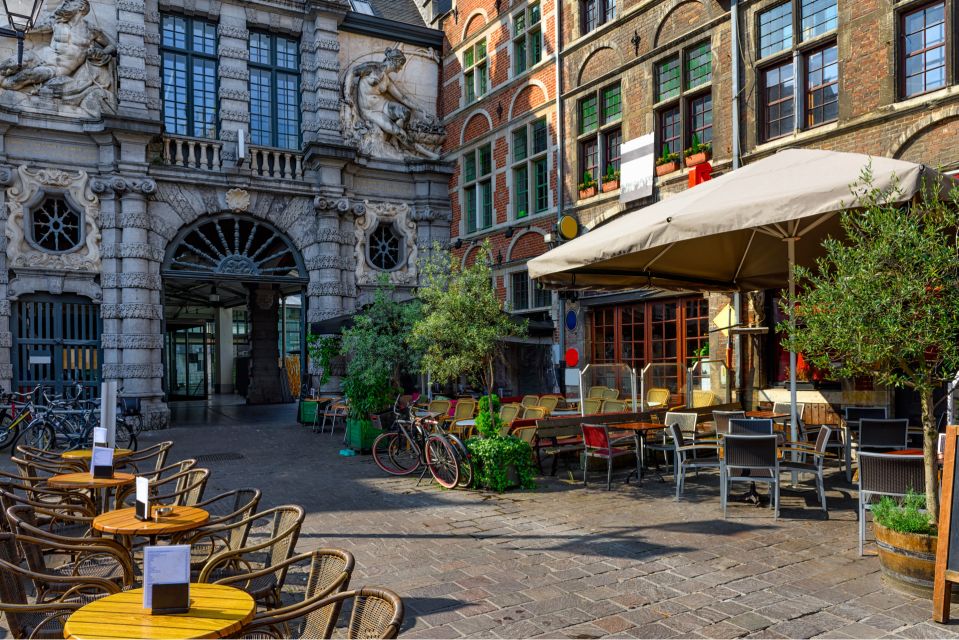
You’ll explore Ghent’s trading history at places like the Great Butchers’ Hall, the Old Fish Market, and the Friday Market. These spots help you understand the city’s economy in a grounded way: who worked here, what moved through, and how food and markets shaped daily life.
I find market areas especially useful on a first trip because you can choose your tempo. You can grab a snack, browse for a while, or just wander for street-level impressions without needing tickets or reservations.
Lunch choices: typical Flemish food or a classic beer moment
Food and drinks aren’t included, but you’re given guidance on the kind of lunch experience to look for. If you want typical Flemish food, you can build your lunch around that style. If you’d rather do a beer stop, the tour specifically mentions Dulle Griet as an option.
Here’s the practical way to handle it: decide what you want from lunch—sit-down Flemish meal or quick bite plus a drink. Then use the 4-hour window to match your mood. If you’re trying to do both a long meal and deep wandering, you’ll feel rushed. Pick one main focus and let the rest be flexible.
Price and value: why $49 can work for a 9-hour day
At $49 per person, this tour is priced like a classic group day trip. The value comes from two things that matter most on a one-day itinerary: you get a bus transfer from Brussels and a guided tour in Ghent. That combo saves time you’d otherwise spend figuring out transportation and joining the wrong half-plan.
You should also factor in what’s not included. Food and drinks are on you, which is common, but it does affect your total cost. On a day with multiple walking sections, you’ll probably want at least a proper lunch, so budget accordingly.
If you’re someone who likes having a guide to point out the key places—like St. Bavo’s Cathedral and the Van Eyck Mystic Lamb—and still wants freedom afterward, this price makes more sense than piecing together separate tickets and self-guided routes from scratch.
Logistics that actually help (and one thing to be aware of)
Meeting point clarity
You meet in front of the Hilton Grand Place Hotel at Brussels Central Station, and you’ll look for the guide wearing ID for Buendia Tours. That’s a small detail, but it cuts down stress at the start.
Your bus also includes a stop at Carrefour de l’Europe before heading to Ghent, depending on the pickup flow. The key point for you: arrive a few minutes early so you don’t lose time matching seats.
Timing and walking
The day is built for walking. You’ll have a 1.5-hour coach ride in each direction, about 2 hours of guided walking, and 4 hours to roam. That’s plenty of time to see a lot, but it also means you should wear shoes that can handle city pavement.
Not for mobility impairments
This tour is marked as not suitable for people with mobility impairments. Since the itinerary relies on walking in multiple areas of Ghent, don’t expect a low-mobility alternative within this specific offering.
Who should book this Ghent and Atomium day trip
This is a good fit if you want:
- A first-time look at Ghent with guided context plus personal time
- A Spanish-language guide to explain major sights like St. Bavo’s Cathedral, the Belfry, and the guild areas
- A day that mixes icon-level landmarks (Atomium, cathedral) with streets and neighborhoods (Patershol)
- A structured itinerary that doesn’t leave you stuck—because you do get time to wander on your own
It’s also ideal if you’re the type who likes learning the “why” behind a nickname like noose-bearers or understanding why civic buildings matter. Those explanations make the rest of the day feel more connected.
And if you just want photos, you can do that too, but you’ll likely enjoy it more if you’re curious about how the city’s religious and civic life shaped what you see.
Should you book it?
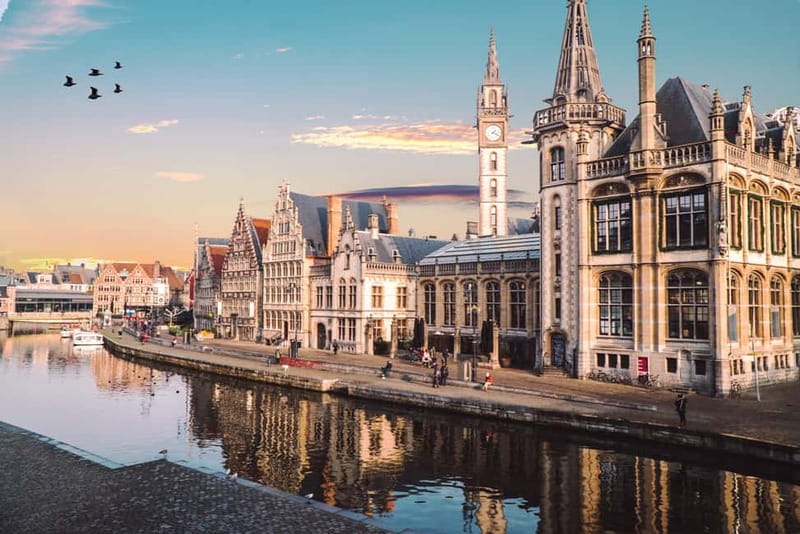
I’d book this day trip if you want a smart, time-efficient way to experience Ghent’s medieval core with a guide, then slow down on your own. The mix of St. Bavo’s Cathedral and the Van Eyck Mystic Lamb, civic landmarks like the Belfry and Town Hall, and the castle-and-neighborhood pairing with Patershol gives you more than a checklist.
Also, with a 4.7 rating from 163 reviews, there’s a clear signal that the format works—people leave pleased with the balance of guidance and free time. Just be honest with yourself about one thing: if you hate planning meals, this one needs a budget for lunch and drinks since they’re not included.
FAQ
How long is the day trip from Brussels to Ghent with the Atomium stop?
The duration is 9 hours.
What language is the tour guide?
The live tour guide speaks Spanish.
How much free time do I get in Ghent?
You get 4 hours of free time in Ghent.
Is lunch or any food included?
No. Food and drinks are not included.
Where do I meet the tour in Brussels?
Meet in front of the Hilton Grand Place Hotel at Brussels Central Station. The guide will be wearing ID of Buendia Tours.
Is this tour suitable for people with mobility impairments?
No, it is not suitable for people with mobility impairments.