REVIEW · BRUSSELS
From Brussels: Patton’s Battle of the Bulge Day Trip (LUX+BE)
Book on Viator →Operated by Cognosimo · Bookable on Viator
Patton’s Battle of the Bulge sites hit harder than you expect. This private, English-speaking day pairs key memorial stops—especially the Luxembourg American Cemetery tied to Patton—with time in Bastogne to understand how the stand against the Nazi counterattack played out. My favorite part is the way the day is paced around these places, not just sightseeing, though one consideration is that you’ll spend a fair amount of time on the road.
I also like that you’re not left piecing it together yourself: you get private transportation and a guide to explain what you’re looking at. Admission is free for several stops, which helps keep costs under control, but you’ll still need to plan for lunch and the one site where admission isn’t included.
This is the kind of tour where having a guide matters, because names and locations can blur when you’re doing this on your own. It’s a full day (about 9.5 hours) with a moderate pace, and it suits people who want meaning and clarity more than quick photo stops.
In This Review
- Key things I’d clock before you go
- Patton’s grave sites give the Ardennes a clear thread
- From Brussels to Bastogne: managing the long in-car stretch
- Luxembourg American Cemetery Memorial: more than a photo stop
- Bastogne’s 30-minute break: make it count
- Bastogne main square + War Rooms (or Chaumont): where you learn the turning point
- Mardasson Memorial: a big-name monument with real purpose
- Bois Jacques and Chaumont foxholes: seeing the ground where tanks met
- Price and value: what you’re really paying for
- Who this tour fits best (and who should think twice)
- Final verdict: should you book this Patton’s Battle of the Bulge day trip?
- FAQ
- How long is the Patton Battle of the Bulge day trip from Brussels?
- What time does the tour start?
- Is pickup offered from Brussels?
- What’s included in the tour price?
- Is lunch included?
- Are admissions included at every stop?
Key things I’d clock before you go
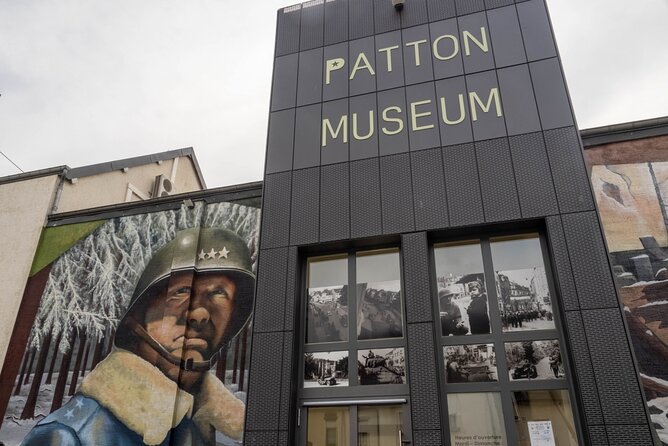
- Private guide + private transportation means you’re not trapped with strangers’ schedules.
- Luxembourg American Cemetery ties the story to real graves, including Patton’s connection at Hamm Cemetery.
- Bastogne time with context includes both the main square and the resistance story of MacAuliffe’s soldiers.
- Pick your next stop within Bastogne: Bastogne War Rooms or Chaumont’s battlefield, based on what your guide chooses.
- Mardasson Memorial and Bois Jacques give you the large-scale memorial view and the battlefield feel with foxholes.
- Bois Jacques admission not included, so budget for that extra ticket if you’re cost-checking.
Patton’s grave sites give the Ardennes a clear thread
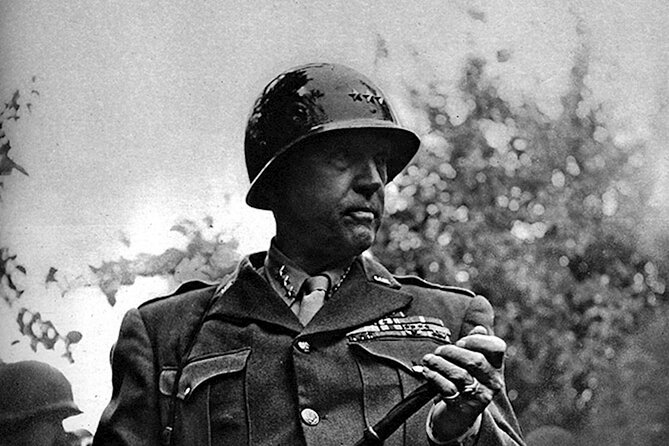
If you’ve ever stood in a memorial and thought, I get the facts, but where does the story live, this day trip has an answer. The tour builds your route so Patton’s world doesn’t float in the abstract—it’s anchored in specific places you can visit, including the American cemetery in Luxembourg-city.
I like the focus because the Battle of the Bulge is big and messy. Having a guide who connects the dots across Bastogne, Luxembourg, and the battlefield areas keeps the day from turning into a checklist.
And yes, you’ll see the major memorials. But the best part is that you’re seeing them in an order that helps you understand why these locations mattered, not just that they exist.
You can also read our reviews of more tours and experiences in Brussels



From Brussels to Bastogne: managing the long in-car stretch
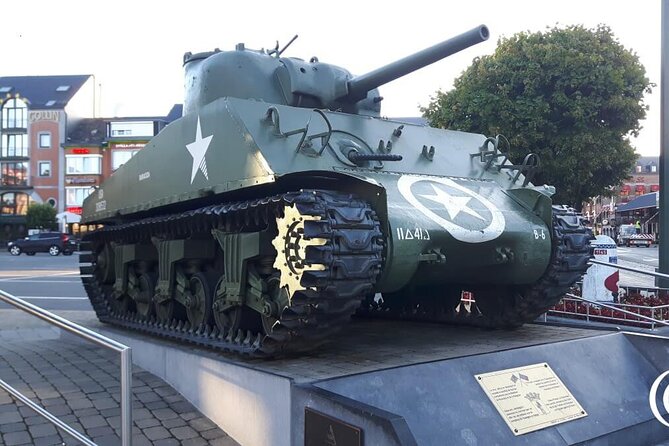
You start in Brussels at 10:00 am, and your guide picks you up before driving you to Bastogne. The trip is built around several stops across the Ardennes, so expect a meaningful chunk of time in the car.
That’s the main tradeoff. If you’re the type who hates being seated for long stretches, this might feel like more road time than you want. The upside is that the driving is handled for you, and you’re spared the work of timing buses, parking, and transfers.
Pack for a long day: comfy shoes for memorial walking, water, and a charged phone. Even when the day is emotional, being practical helps you stay present.
Luxembourg American Cemetery Memorial: more than a photo stop
The first major “stop with weight” is the Luxembourg American Cemetery Memorial. This is where you visit the American cemetery in Luxembourg-city and pay tribute to the American heroes buried there, including Patton’s connection.
The key detail is that Patton has his grave in the Hamm Cemetery. Your guide frames that relationship so you’re not just looking at names and dates—you understand what ties Patton to this region and why his story shows up here.
I like cemetery visits when they come with context. Without explanation, the place can feel like a blur of uniforms and years. With a guide, you can read the cemetery as a map of sacrifice tied to a specific campaign.
The stop runs about 1 hour, which is enough time to slow down without feeling rushed, especially when you’re also building emotional energy for Bastogne.
Bastogne’s 30-minute break: make it count
You’ll reach Bastogne and get a short break described as a meal stop (about 30 minutes). This is not a long lunch, so treat it like a quick reset: grab something simple, use the restroom, and get back to the story mode.
Belgian meal here matters because Bastogne is where people slowed down during the fighting, and now it’s where you can breathe for a moment. In a day this packed, a short food break can keep you from turning cranky at stop 4.
If you want to maximize it, keep your expectations realistic. This isn’t the time to linger over a long sit-down lunch; it’s the time to fuel up and move.
Bastogne main square + War Rooms (or Chaumont): where you learn the turning point
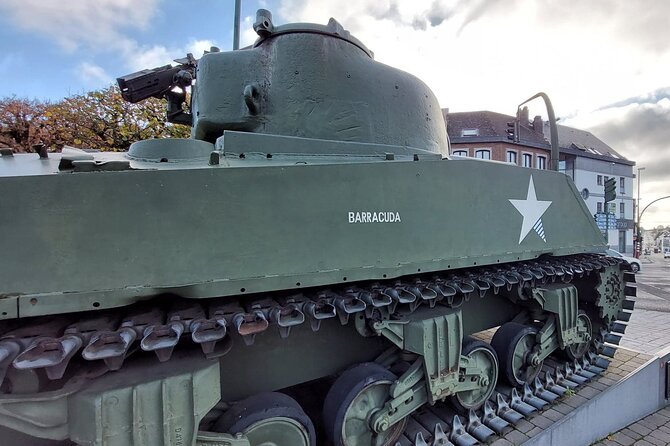
Next comes the part that helps the Battle of the Bulge click. You’ll see the main square of Bastogne and learn about the resistance of MacAuliffe’s soldiers. That focus is smart: the main square isn’t just a pretty center; it’s a stage for the story of resistance and stubborn survival.
Then you head to Bastogne War Rooms or Chaumont’s battlefield. The wording suggests your guide may steer you toward one of these options based on timing and flow, which is good because it keeps the day from bogging down when one site is running behind schedule.
This is also a place where the guide’s role matters most. War rooms and battlefield ground are both dense with detail. If you’re going solo, you can miss the meaning of what you’re seeing. With a guide, you’re better positioned to understand what changed, when it changed, and why it mattered.
The whole Bastogne-focused segment is about 1 hour 30 minutes, so you’ll have enough time to absorb the essentials without burning the day.





Mardasson Memorial: a big-name monument with real purpose
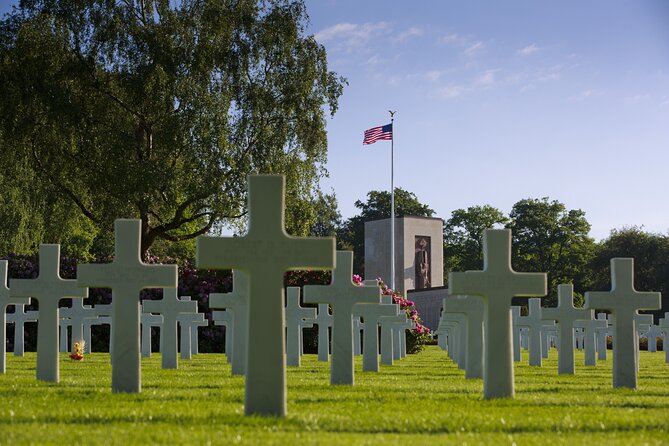
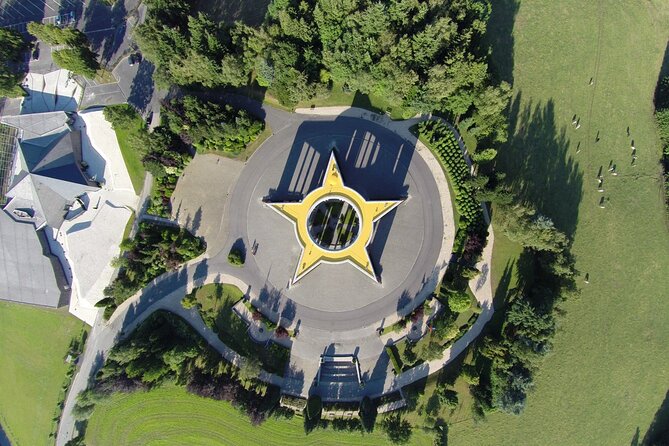
After Bastogne’s core story stops, you move to the Mardasson Memorial in the north of Bastogne. This memorial is built to celebrate the memory of the American troops’ sacrifice, and it gives you a broader view of what happened—beyond the immediate fight streets and into the scale of the campaign.
This stop is about 30 minutes. That timing works well for memorials because you need a little time to stand, look, read, and reflect, but you don’t want to lose the momentum that keeps you connected to the rest of the day.
I think memorial stops hit best when you give them the right pacing. In this itinerary, Mardasson sits at a point where you’ve already learned the local story and you can now zoom out to the larger meaning.
Bois Jacques and Chaumont foxholes: seeing the ground where tanks met
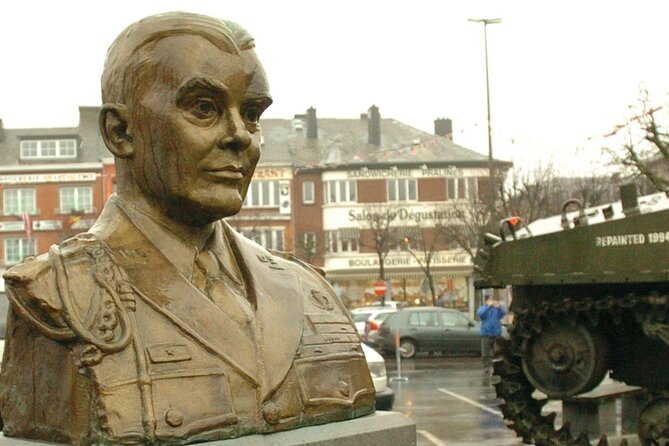
The final battlefield-heavy segment is Bois Jacques (about 2 hours). This is where you get the close-to-the-ground view, including the famous foxholes. The battlefield feel here is the point: you’re not just reading about conditions, you’re walking through terrain that shaped how the fighting unfolded.
Your guide also connects Bois Jacques with the Battlefield of Chaumont, where US tanks fought the German panzers. That connection matters because it helps you understand this wasn’t one single moment. It was a chain of pressure, movement, and hard choices across multiple terrain points.
One practical note: admission for Bois Jacques is not included. That’s worth factoring into your budget, especially since the rest of the itinerary includes free admission tickets for most stops.
Even with a guide, battlefield walking is still walking. Wear shoes that can handle outdoor ground, and bring a light layer if the weather is changeable.
Price and value: what you’re really paying for
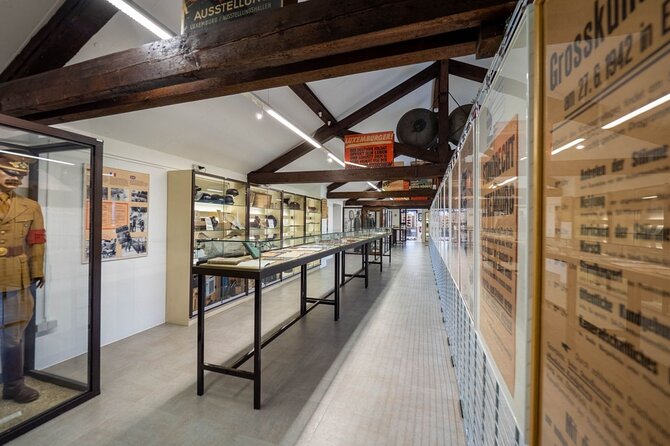
The price is $1,056.14 per person, which is not a casual spend. So the value question is fair: what justifies it?
Here’s the honest breakdown based on what’s included. You’re paying for a private guide, private transportation, and bottled water, plus several stops where admission is free. That combination can save you time, stress, and the hassle of coordinating transport across multiple sites in one day.
Where costs still show up is where you’d expect: lunch is not included, and Bois Jacques admission is not included. So the real total depends on what you eat and what ticket you pay for at the final battlefield stop.
For who this makes sense, consider this: if you have at least a small group and you’d otherwise rent a car and manage your own route, a private guided day can feel like good value because it reduces friction. If you’d only be going solo and prefer to drive yourself, the price might feel steep—especially with the long road time.
Also, it’s helpful that the tour has strong ratings and a high recommendation rate. That’s usually a sign that the guide service and the day plan land well for most people.
Who this tour fits best (and who should think twice)
This private Patton-focused day trip works best if you want:
- A guided, coherent story from cemetery to battlefield
- A day built around Patton and Bastogne rather than random stops
- Fewer moving parts, since pickup and transportation are handled
It’s also a good match if you’re traveling with a group that wants to move on its own timing. The tour is private for your group, and that can be a relief when you don’t want to wait on other people.
The main reason to think twice is the in-car time. If you’re very sensitive to being in the car all day, you may feel that it crowds the experience. There’s also a moderate fitness note, so if you struggle with outdoor walking or memorial stairs/uneven ground, plan your pace carefully.
Final verdict: should you book this Patton’s Battle of the Bulge day trip?
I’d book it if you want a guided, meaningful day centered on Patton-related sites and the Battle of the Bulge’s key ground near Bastogne. The route is built so you learn as you go, and you’re not stuck figuring out how to connect cemeteries and battlefield areas.
I wouldn’t book it if your ideal day is mostly walking with minimal driving, or if you want a full, sit-down lunch built into the plan. The day is efficient, but it’s still a long route, and that’s part of the deal.
If you’re on the fence, ask yourself one question: do you want the story explained while you stand where it happened? If yes, this is a strong choice.
FAQ
How long is the Patton Battle of the Bulge day trip from Brussels?
The tour lasts about 9 hours 30 minutes.
What time does the tour start?
The start time is 10:00 am.
Is pickup offered from Brussels?
Yes. Pickup is offered in Brussels, and your guide will come to pick you up.
What’s included in the tour price?
Included are a private guide, private transportation, and bottled water. A mobile ticket is also provided.
Is lunch included?
No. Lunch is not included.
Are admissions included at every stop?
Most stops list admission as free, but Bois Jacques admission is not included.