REVIEW · BRUSSELS
Brussels: Belgian Chocolate Tasting Tour
Book on GetYourGuide →Operated by Bravo Discovery · Bookable on GetYourGuide
Chocolate in Brussels is never just dessert. This Brussels Belgian Chocolate Tasting Tour mixes tastings with cocoa stories, from where it comes from to the myths and legends that made it famous.
I like that it’s built for the historic city center you can actually walk around fast, starting right at the Grand-Place area. You’ll also get a live guide in Spanish, English, or French, plus guided tastings at several of the city’s best chocolatiers.
One thing to consider: this is a chocolate-focused experience, not a full monument tour. If you’re picky about tasting quantity, or you prefer a single language throughout, you’ll want to double-check expectations before you go.
Key highlights to look for
- Grand-Place start near Brussels City Hall, easy to find with a guide holding a white umbrella
- Multiple chocolate shop stops so you can compare styles, textures, and sweetness levels
- Included tastings plus guided explanation of where cocoa comes from and how it’s produced
- Myths and legends of chocolate, including cacao used as payment and offered to the gods
- Small time window (2 hours), so you’ll taste and learn without turning it into a long sit-down meal
- Comfortable-shoe route with walking on uneven surfaces in older streets
In This Review
- Why Belgian Chocolate Always Feels Like a Real City Story
- Meeting at Brussels City Hall: Easy to Find, Quick to Start
- The 2-Hour Format: What You’ll Do (and What You Shouldn’t Expect)
- Stop by Stop: How the Chocolatiers Make Your Taste Comparison Work
- The Cocoa Stories: Myths, Legends, and How Chocolate Gets Made
- Guide Personality Matters: When It’s a Hit, It’s Really Fun
- Language, Pace, and the Real-Life Group Experience
- Price and Value: Does $64 Deliver Enough Chocolate Time?
- What to Bring and How to Stay Comfortable
- Who This Tour Fits Best (and Who Might Prefer Something Else)
- Should You Book This Brussels Chocolate Tasting Tour?
- FAQ
- What is the duration of the Brussels chocolate tasting tour?
- Where do we meet for the tour?
- What languages is the live guide offered in?
- What’s included in the price?
- Are drinks or water included?
- Can I cancel and get a refund?
Why Belgian Chocolate Always Feels Like a Real City Story
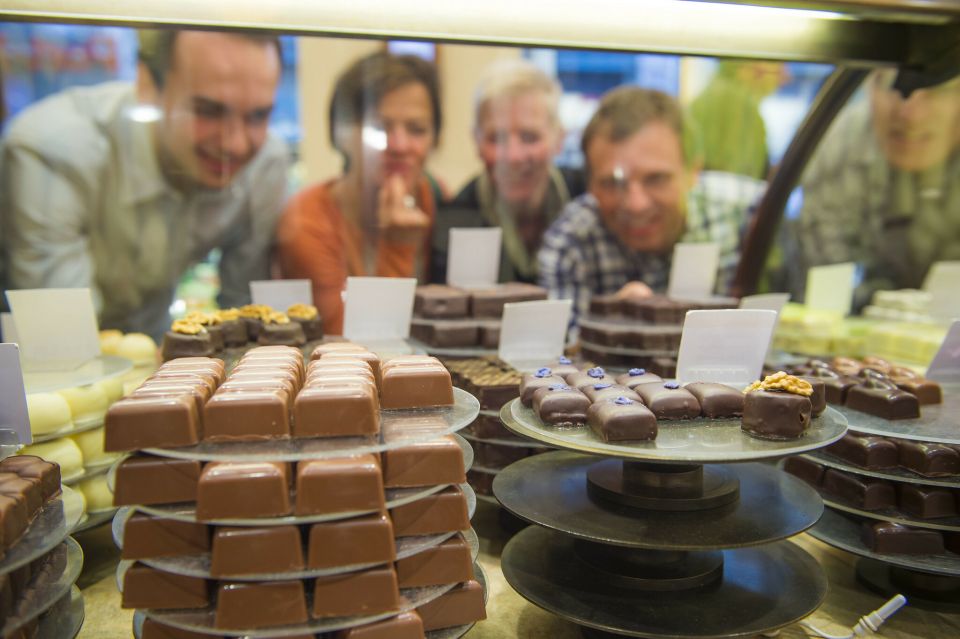
Brussels is one of those places where “food tourism” actually works, because the city’s center is walkable and compact. You’re not bouncing around town. You’re moving through classic streets near the Grand-Place, popping into chocolatiers where the craft is the main event.
What makes this tour more interesting than a simple chocolate purchase is the way the guide connects the sweets to the broader story of cocoa. You get the origin angle—where chocolate comes from and how it’s produced—then you hear the fun stuff: the myths and legends around the sweet, and how cacao was once used as payment and offered to the gods. That’s the kind of context that makes your tasting more than just sugar.
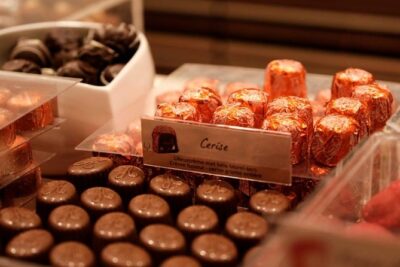
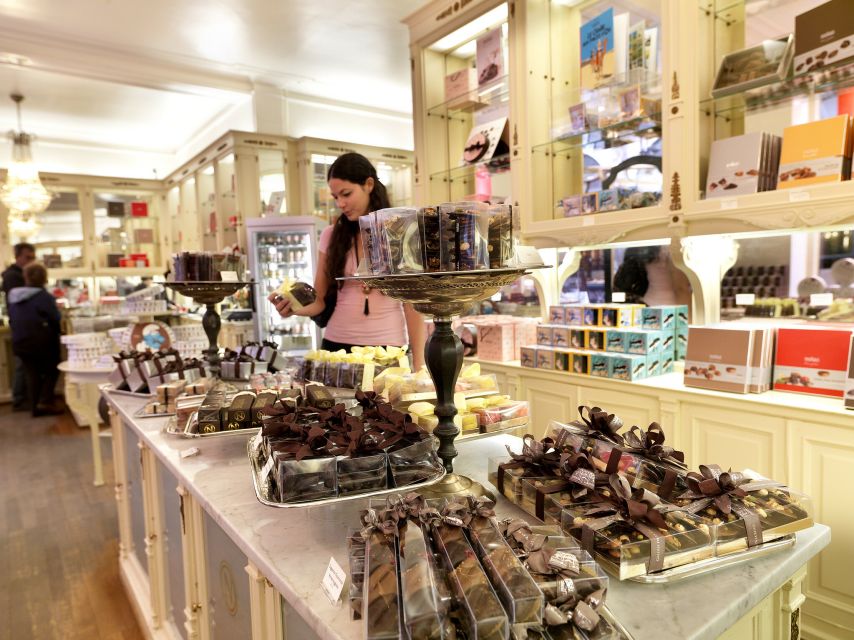
The tour is also designed around comparison. Instead of eating one bar and calling it a day, you taste different specialty chocolates in different shops. That comparison is where the value lives—if you go with an open mind.
Meeting at Brussels City Hall: Easy to Find, Quick to Start
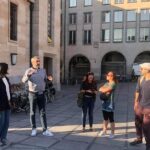
You meet in front of Brussels City Hall on the Grand-Place. The guide stands next to the tourist information office, holding a white umbrella with the local tour operator logo.
This matters more than it sounds. Grand-Place is iconic, but it’s also crowded. A visible umbrella and a known meeting point help you get your bearings fast and keep your 2 hours focused on chocolate.
The route is mostly on foot, and you’ll be walking on uneven surfaces, so plan your day with sturdy shoes. If you wear soft soles or flimsy sneakers, expect sore feet before the chocolate even has a chance to make you happy.
You can also read our reviews of more food & drink experiences in Brussels


The 2-Hour Format: What You’ll Do (and What You Shouldn’t Expect)
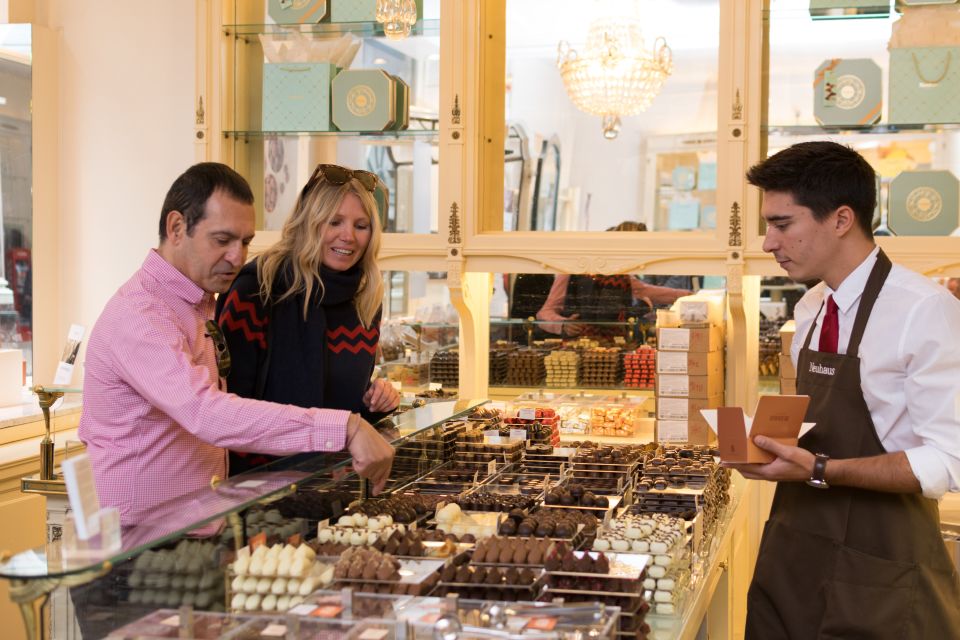
This tour is set up to last 2 hours, with tastings included and a live guide. The core promise is straightforward: you’ll visit several chocolate shops and sample specialty chocolates while learning how cocoa becomes the chocolate you’re eating.
Here’s the honest expectation-setting part: it’s not a full dining experience. You’re not getting a meal. You’re getting guided tastings and explanations, packaged into a tight schedule.
So you should go in with the mindset of:
- eat a few samples, then learn from them
- compare flavors across shops
- walk away with better “how to shop” instincts for Belgian chocolate
If your goal is to leave stuffed, you may still end up hungry. Drinks or water aren’t included, so it can help to plan a snack strategy around it (more on that later).
Stop by Stop: How the Chocolatiers Make Your Taste Comparison Work
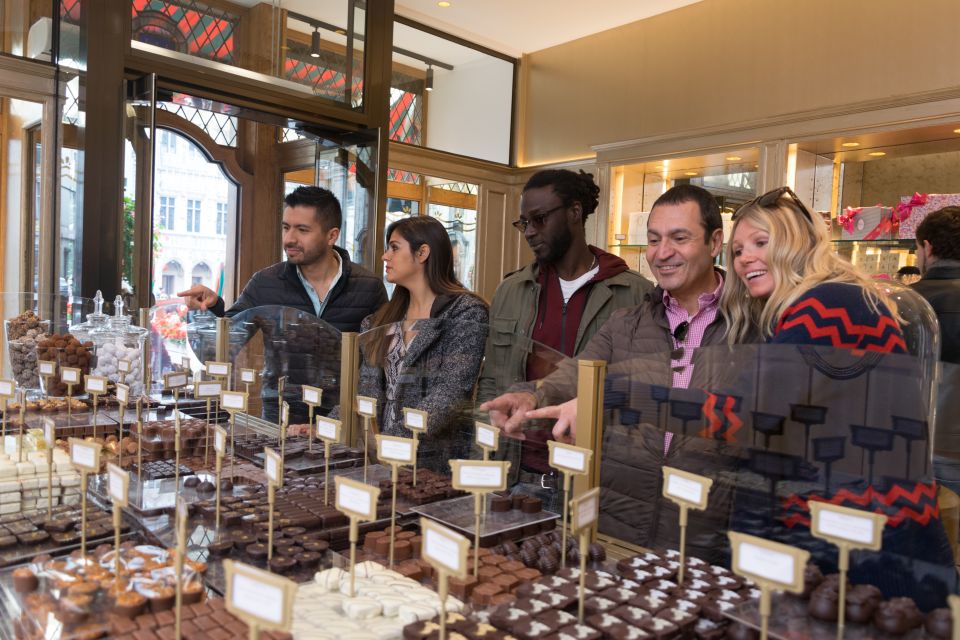
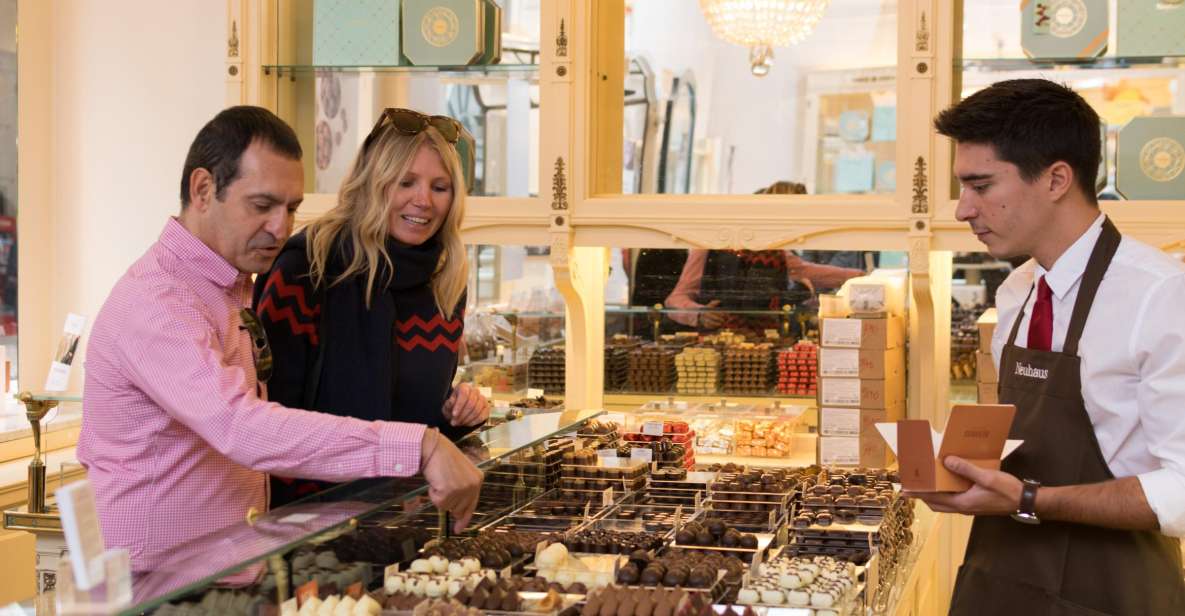
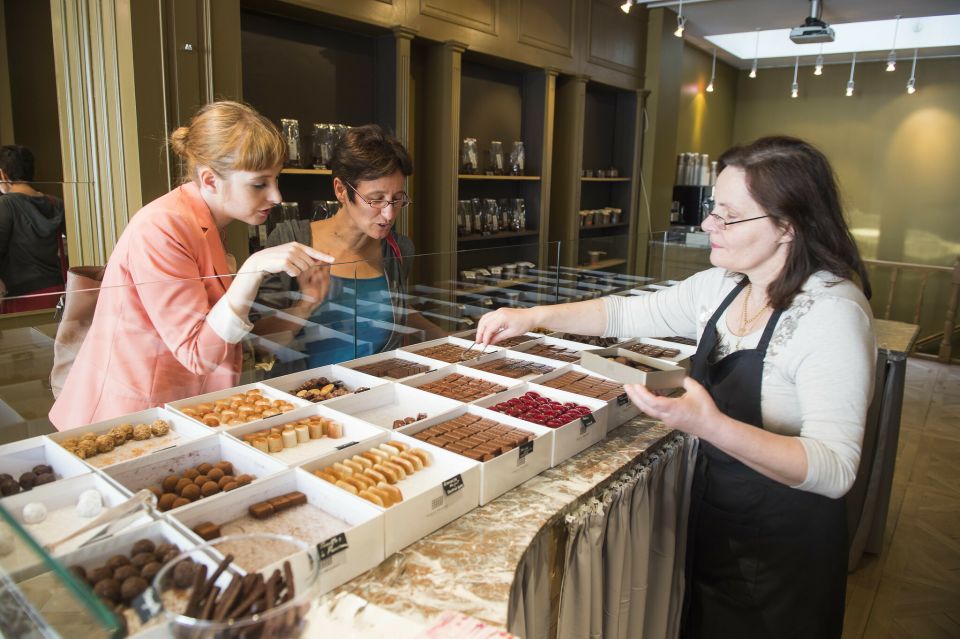
You’ll visit some of the best chocolate shops in Brussels, centered in the historic area. The exact shop list isn’t provided here, but the tasting structure is clear: you’ll sample different varieties in multiple stores and learn what makes Belgian chocolate special.
In one real run, the experience included four chocolate shops and a total of eight pralines sampled together (so, about two per stop). That gives you a feel for the pacing: it’s enough variety to notice differences, but not enough to assume you’ll taste dozens of items.
Also, don’t build your expectations around choosing everything yourself. In that same example, the group couldn’t choose flavors and was offered a set of samples. If you’re the type who wants total control over what you taste, this style of group tasting may feel limiting.
What to focus on during the stops:
- sweetness and bitterness balance (Belgian chocolate can range from mild to more intense)
- texture (creamy centers versus snappy shells)
- how the flavors finish (some pralines linger; others fade fast)
- whether a shop leans classic or more experimental with ingredients
I like tours that force you to compare, because then you learn what you actually enjoy—not just what sounds impressive on a menu.
The Cocoa Stories: Myths, Legends, and How Chocolate Gets Made
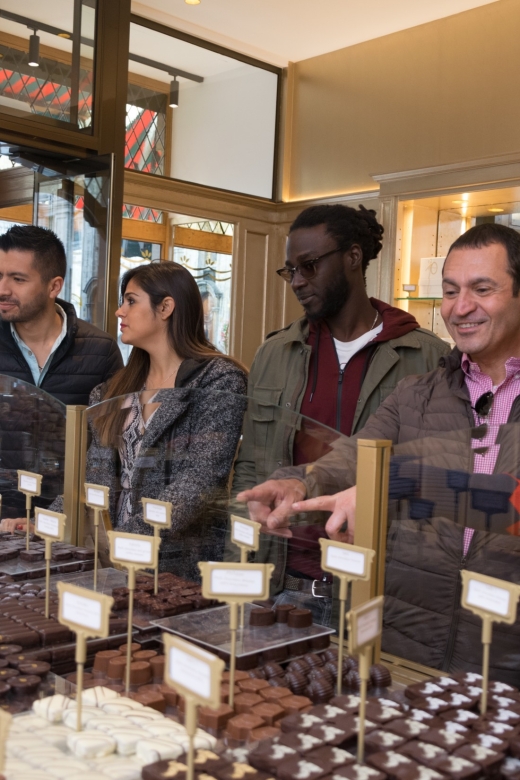
This tour isn’t only about taste. It also includes an education component: where chocolate comes from, how it’s produced, and the history of cocoa connected to Brussels.
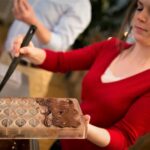
Then comes the myth-and-legend layer. You’ll hear stories about chocolate’s early reputation, including how cacao was once used as payment and as an offer to the gods. Even if you’re not the “history person,” these stories add flavor to the tasting. Suddenly your chocolate isn’t just a treat—it’s part of a human tradition that spans cultures and centuries.
You’ll also get production basics. That’s the useful part: it helps you understand why one chocolate might taste more roasted, another might feel smoother, and another might emphasize ingredients beyond cocoa. When you know the basics, tasting becomes intentional.
One practical note: chocolate tours can vary by guide style. One run described a guide who seemed to know more about beer than chocolate and frites, which is a mismatch if you wanted purely chocolate-focused facts. So set your expectations that the tour is chocolate-first, even if you occasionally hear side tangents.
Guide Personality Matters: When It’s a Hit, It’s Really Fun
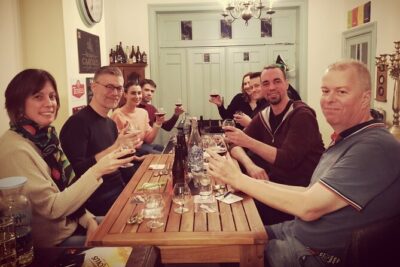
A tour like this lives or dies by the guide’s tone. One guide named Philippe was described as super friendly and funny, with strong expertise. That kind of guide can make a short 2-hour walk fly by, because the story feels alive, not like a lecture delivered while everyone stands in line.
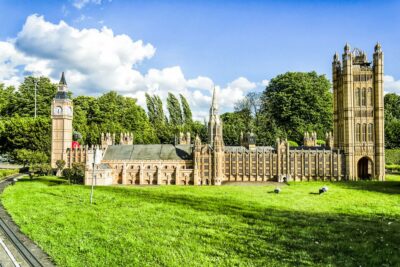
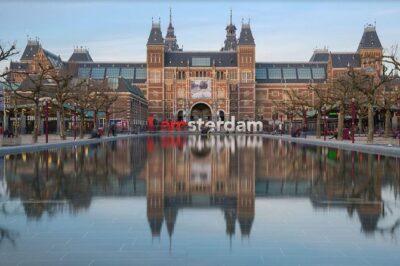
On the flip side, one participant felt the guide didn’t comment much on the monuments or the city sights around them. That’s a common issue for chocolate tours in major centers: you pass gorgeous buildings, but the time stays fixed on chocolate shops.
So here’s what I’d do as a careful planner: enjoy the scenery as a bonus, not as the main course. If you want a monuments-and-architecture tour, pair this with a separate walking tour. If your main goal is chocolate, the format makes sense.
You can also read our reviews of more tours and experiences in Brussels



Language, Pace, and the Real-Life Group Experience
This tour offers a live guide in Spanish, English, and French. In theory, it sounds simple: pick your language and go.
In practice, group dynamics can change how the tour feels. One report mentioned the tour being delivered in two languages, which left the participant bored for more than half the time and made the tour feel shorter than expected. Another report said the tour ended after about 1 hour, not the full 2.
I can’t predict how your exact group will behave, but I can tell you what to watch for when booking:
- Confirm the language you’ll actually hear most
- Assume schedules can feel tighter in crowded shop moments
- If you want the full 2-hour experience, arrive ready to start on time and stay engaged
Also, if you’re traveling with a tight itinerary, don’t schedule a high-stakes event right after. A tasting tour can end up moving to the next stop based on crowd levels and shop timing.
Price and Value: Does $64 Deliver Enough Chocolate Time?
At $64 per person for 2 hours, this tour sits in the “pay for guidance + tastings + prime location” category. The value depends on what you care about most.
Let’s break it down the way you actually feel it:
- You’re paying for tastings across several shops, not just one stop
- You’re paying for a guide who ties together cocoa origins and chocolate history
- You’re paying for a route in the center near the Grand-Place
Where the value can get tricky is if the tasting amount feels small. One account described tasting eight pralines total across four shops. If that sample size feels light to you, you may feel the cost more than someone who loves variety and story.
Also, water and drinks aren’t included, so you might spend a little extra before or after. That’s not a dealbreaker, but it affects the “all-in cost” feeling.
My rule for deciding if this is worth it for you:
- If you want guided chocolate comparisons and stories, $64 can feel fair.
- If you want a lot of food for the price, you might prefer buying a tasting box on your own after a chocolate museum stop.
What to Bring and How to Stay Comfortable
This is a walking tour. The main “bring this” item is simple: comfortable shoes. The streets can be uneven, and you’ll be moving between shops.
Also, since drinks or water aren’t included, I recommend planning for thirst. Even if you don’t want to carry much, having a small plan (buy water after the tour, or bring a refillable bottle if allowed by your comfort) makes the experience nicer.
You’ll also want a mental snack strategy. Even with multiple tastings, you may not feel fully satisfied afterward. If you’re the kind of person who gets cranky when hungry, eat a light breakfast or plan a proper meal soon after.
Who This Tour Fits Best (and Who Might Prefer Something Else)
This tour fits best if you:
- love Belgian chocolate and want to compare styles across top shops
- enjoy learning where cacao comes from and the myths behind it
- want a guided experience without spending the whole day on it
- like walking in the center and treating it as part of the fun
It may feel less perfect if you:
- expected a broader Brussels monuments tour (this stays chocolate-focused)
- want a long, sit-down food experience
- need a very controlled tasting menu where you pick every flavor
- are sensitive to language issues during group tours
Should You Book This Brussels Chocolate Tasting Tour?
I’d book it if your main goal is chocolate plus story in a short time window. Starting at the Grand-Place area makes it easy, and the included tastings across multiple chocolatiers give you a real comparison rather than a single “buy and bite” stop.
I wouldn’t book it as your only Brussels food plan if you’re hungry for a big meal. This tour is tastings, not a full feast. And if you’re the type who strongly cares about how much you eat per euro, pay attention to the idea that tastings can be modest in quantity on a group schedule.
If you go in with the right expectations—enjoy the comparisons, ask questions, and treat the historic streets as a bonus—you’ll likely leave with a better sense of what makes Belgian chocolate different, not just sugar on your tongue.
FAQ
What is the duration of the Brussels chocolate tasting tour?
It lasts 2 hours.
Where do we meet for the tour?
Meet in front of Brussels City Hall on the Grand-Place, next to the tourist information office. The guide will be holding a white umbrella with the operator’s logo.
What languages is the live guide offered in?
The live tour guide is available in Spanish, English, and French.
What’s included in the price?
The price includes chocolate tastings and a guide.
Are drinks or water included?
No. Drinks or water are not included.
Can I cancel and get a refund?
Yes. There’s free cancellation up to 24 hours in advance for a full refund.