REVIEW · BRUSSELS
Brussels: 2.5-Hour Belgian Chocolate Making Workshop
Book on GetYourGuide →Operated by 1USUAL INTERNATIONAL · Bookable on GetYourGuide
Crisp, shiny chocolate takes practice and fun. In this Brussels workshop, I love learning tempering the right way and making pralines and mendiants from scratch in a small team, guided in English by instructors like Calypso. The pace stays hands-on, so you’re not just watching chocolate happen.
You also get a real payoff: more than 30 chocolates you personally make, plus time to taste what you produced during the class. One possible drawback is simple logistics: you’ll leave carrying your own box of chocolate, so plan how you’ll keep it from getting too warm on the way back.
The workshop is vegetarian-friendly, with a vegan chocolate option, and the included hot chocolate makes it feel like an actual treat, not a factory tour. If you’re curious about Belgian chocolate beyond the basics, the talk plus the hands-on work is what makes this a solid use of 150 minutes.
In This Review
- Key things I’d bet on in this chocolate workshop
- Tempering Chocolate in Brussels, with help you can actually use
- Pralines and mendiants: fillings you build, not just decorate
- The tasting and hot chocolate moment (aka why you’ll care later)
- Price and value: is $69 worth it?
- Finding Voldersstraat 30, and what to do with all that chocolate
- Who this workshop is perfect for (and who might skip)
- Should you book this Brussels chocolate workshop?
- FAQ
- What is the duration of the Belgian chocolate making workshop?
- How many chocolates will I make?
- Is the workshop suitable for vegetarians or vegans?
- What’s included in the price?
- Do I get anything to take home?
- Where do I meet for the workshop, and what’s the nearest metro stop?
- Is it flexible to book, and can I cancel?
Key things I’d bet on in this chocolate workshop
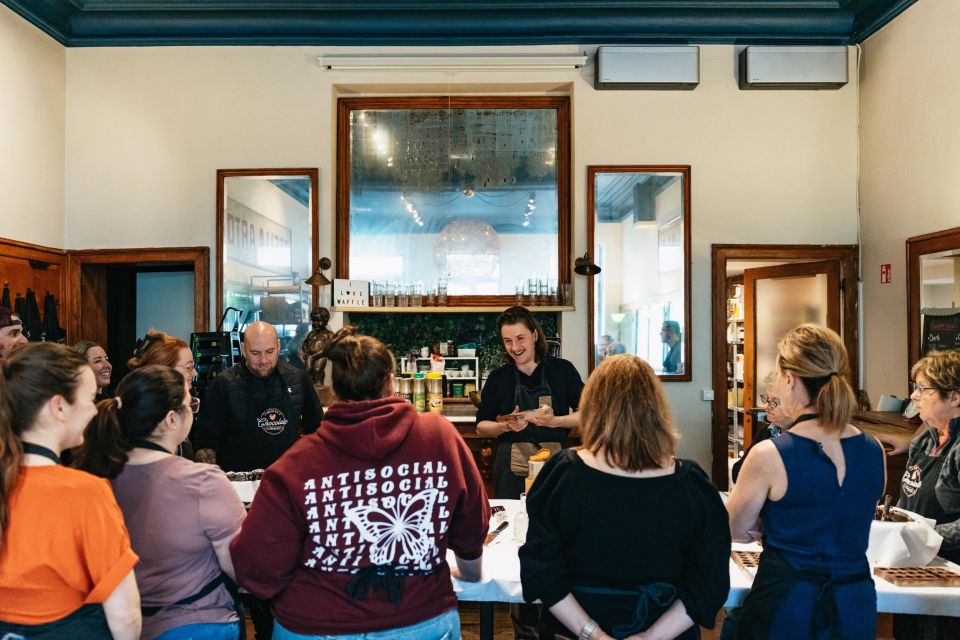
- You practice tempering for a crisp, shiny finish instead of skipping straight to molding.
- You make pralines and mendiant chocolates from scratch, including the fillings.
- Small teams mean you get help while you work, not just after you mess up (though you might).
- You take home a box of what you made, so the class lasts beyond the 2.5 hours.
- Hot chocolate is included, plus there’s a tasting of your own creations.
- Vegetarian and vegan options are available, so you’re not stuck with only one kind of candy.
Tempering Chocolate in Brussels, with help you can actually use
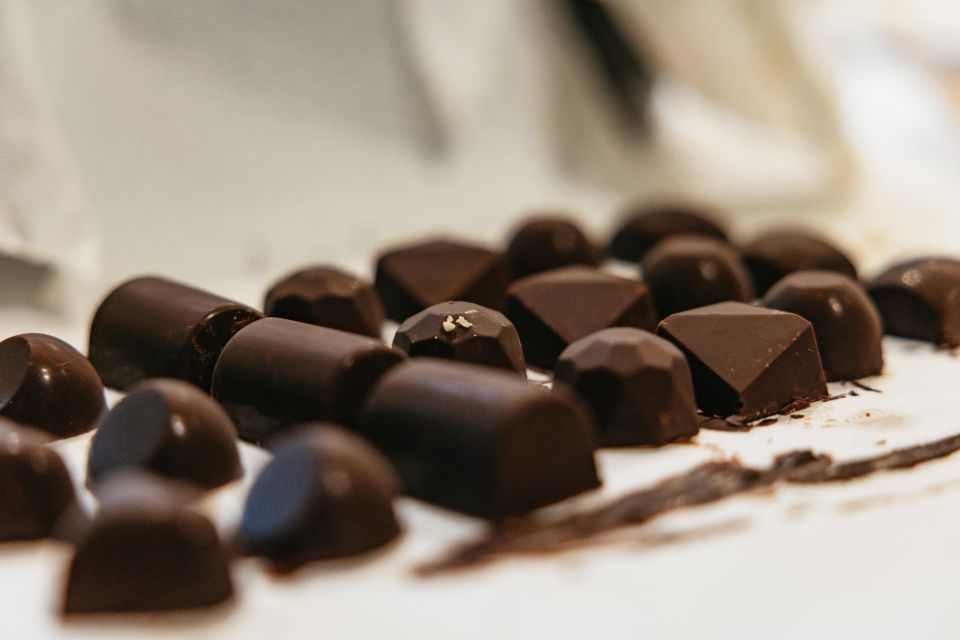
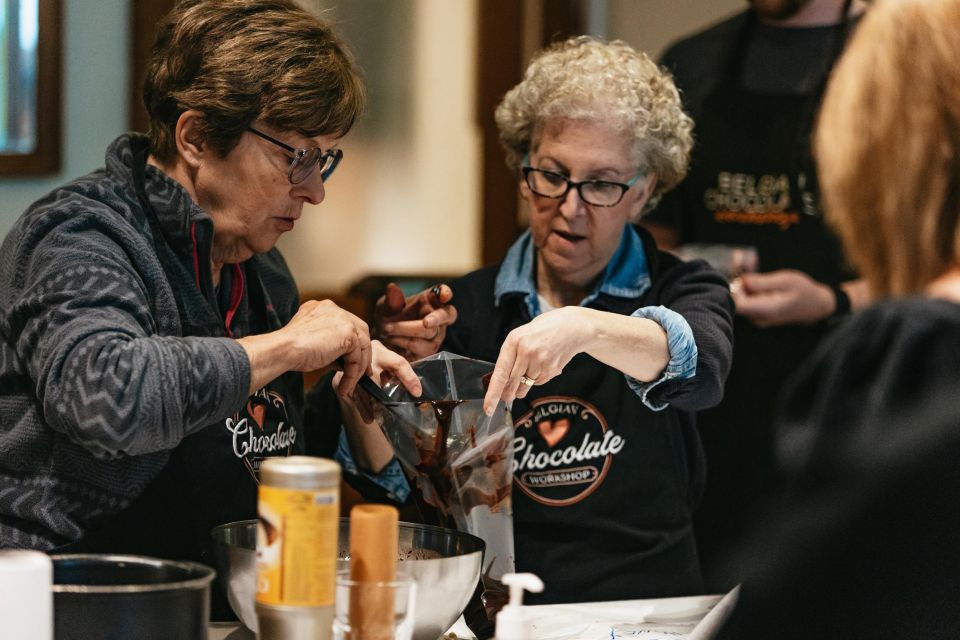
This class is built around one key skill: tempering. That’s the process that helps chocolate set with a snap and a glossy look, instead of turning dull or grainy. You’re not expected to know it. You’re expected to do it, step by step, while your instructor guides you.
What I like about how this is taught is the practical rhythm. You learn what the chocolate is supposed to look and feel like at each stage, then you move on while your team is still working through the same step. Multiple instructors are called out in reviews for being patient and checking in often, which matters when a kitchen task depends on timing and temperature.
You’ll also get a sense of how Belgian chocolate culture treats chocolate as craft. Several guides are described as sharing stories about chocolate and types of pralines, so the talk isn’t just fluff while your molds sit there. People mention instructors like Moses, Maria, Sem, and Bota for clear, supportive guidance, and that lines up with the class structure: you’re learning by doing, not memorizing.
If you’re the kind of person who worries about getting it wrong, this is still a good choice. The setup is meant for small teams, and reviews repeatedly note that everyone gets a chance to temper and build chocolates. Your goal isn’t perfection. It’s understanding the technique well enough that your chocolate comes out better than you expected.
You can also read our reviews of more tours and experiences in Brussels



Pralines and mendiants: fillings you build, not just decorate
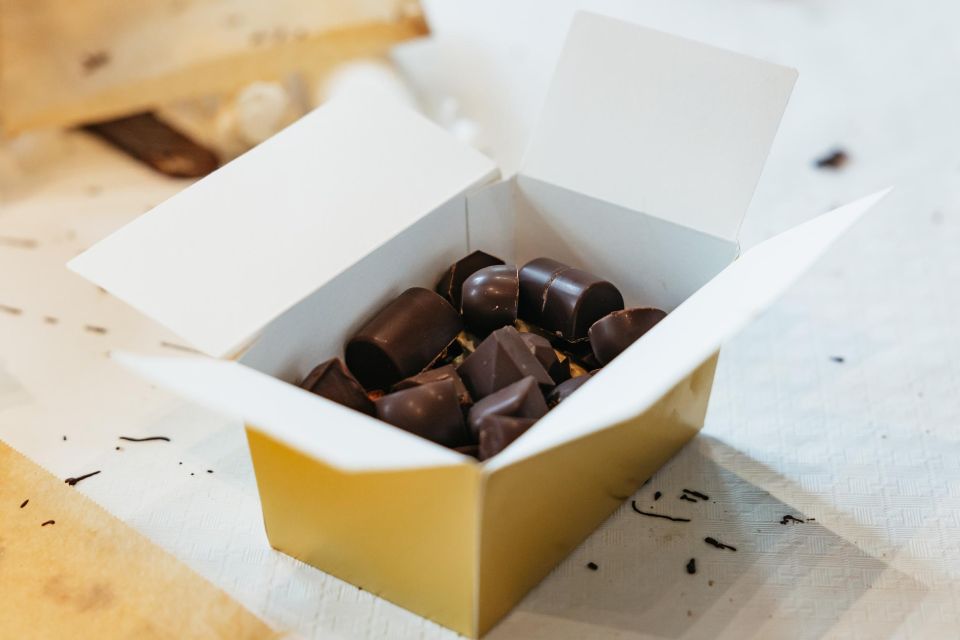
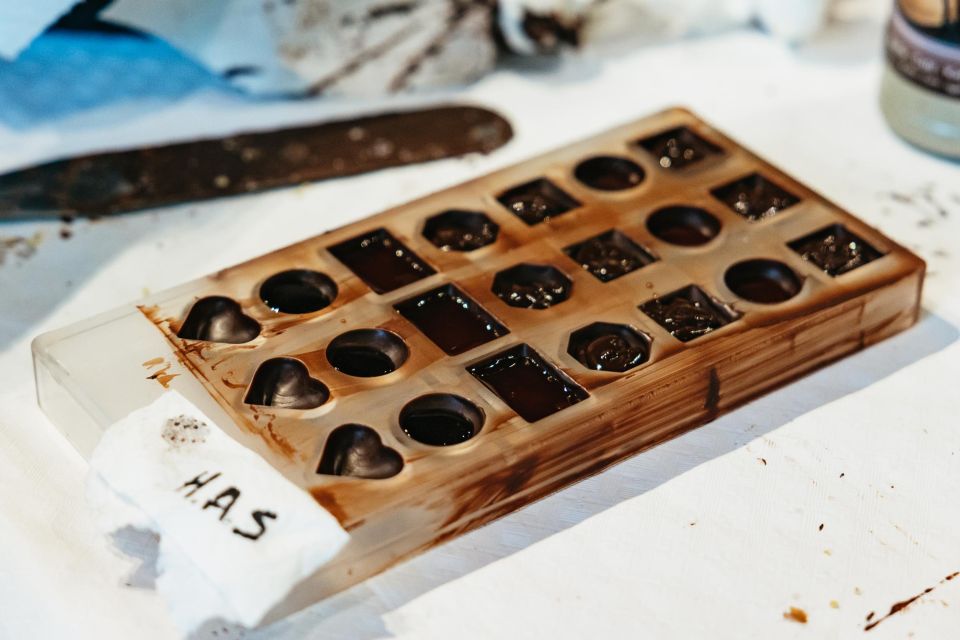
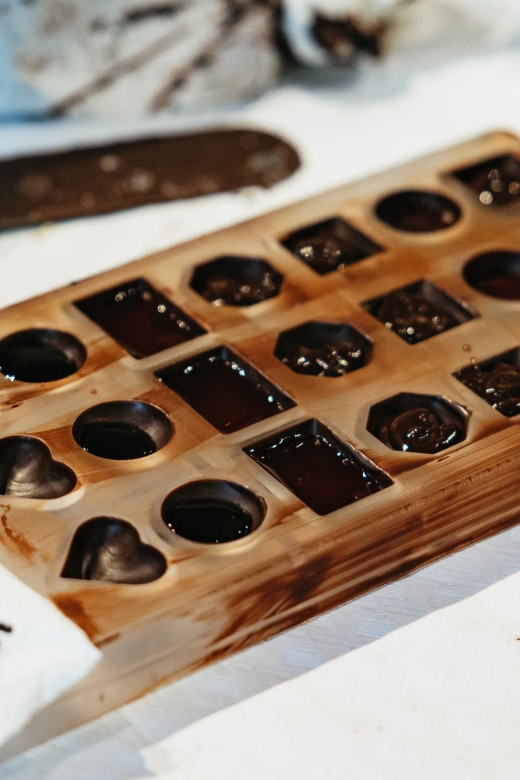
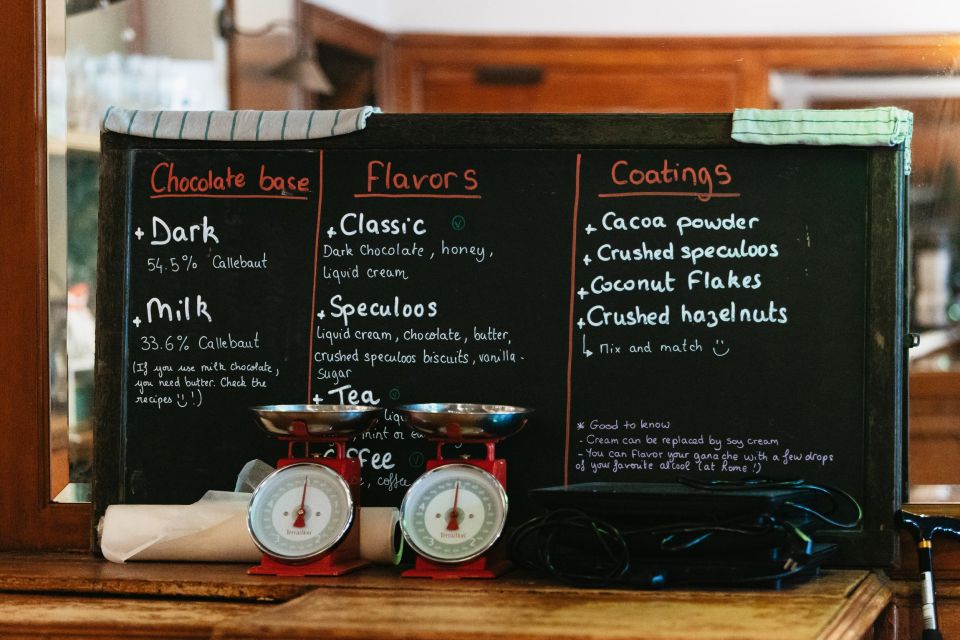
The centerpiece for many people is making pralines and mendiants from scratch. That’s a big deal because these aren’t just shells you fill at the end. You work on the chocolate base and then create the fillings and toppings that make each piece taste like something.
Pralines are a classic Belgian category, and here you’re making them with the right process, not just choosing a topping and moving on. Reviews mention that you’re given independence in what you put into your pralines, which turns the class into more of a guided workshop than a rigid assembly line. If you like variety, you’ll probably enjoy this part most because it gives you choices inside the structure.
Mendiants are another highlight. You’re making them from scratch too, which typically means you’re combining chocolate with the kinds of toppings that define the style. People in reviews specifically praise the hands-on nature of this portion, saying it wasn’t a situation where you only filled or only decorated. The class keeps you involved from tempering through the final assembly of multiple chocolates.
This is also where the vegetarian and vegan option matters. Since you can keep your chocolate aligned with your diet, you don’t have to “make do” with a limited selection. The workshop is suitable for vegetarians, and there’s a vegan option for chocolate, so the experience is designed to be inclusive rather than requiring you to sit out a portion of the work.
One more practical note: you’ll be making a lot. The workshop promises 150 minutes and you learn how to create more than 30 chocolates. That means you should expect to be busy—measuring, mixing, filling, waiting for set times, and repeating. If you show up hungry and rushed, you’ll feel it.
The tasting and hot chocolate moment (aka why you’ll care later)
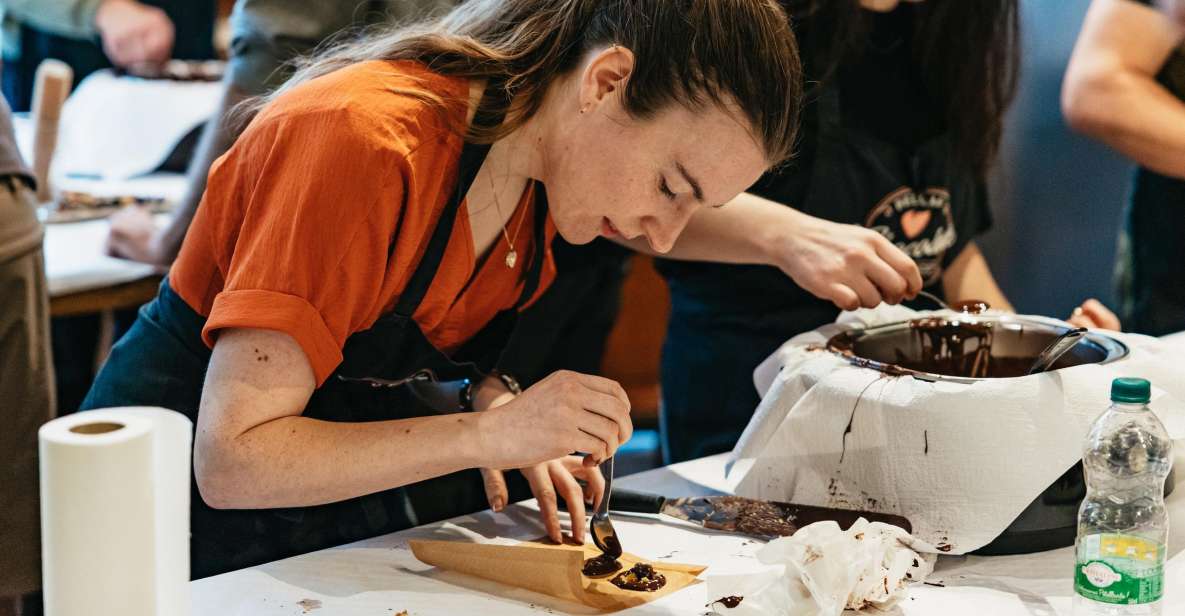
Most chocolate workshops end when your hands stop moving. This one keeps the finish line close: you enjoy a complimentary hot chocolate, then you taste the chocolates you made.
That tasting step is more important than it sounds. When you temper chocolate correctly, you can see the difference. When you don’t, you can taste it too. It’s one of the quickest ways to understand why Belgian chocolate techniques are treated like serious craft, not just kitchen tricks.
And because you’re tasting your own pieces, the flavors feel personal. Reviews repeatedly mention the hot chocolate as delicious, and that the chocolates they made were also tasty, not only pretty. That combination is the whole point of the class: learning technique, then validating it with flavor and texture.
You also get time to socialize with the other participants. That’s not about making new best friends; it’s about sharing the experience while it’s still happening. A few reviews mention diverse groups and a fun atmosphere, which makes sense for a small-team workshop where everyone is doing the same steps at roughly the same time.
Price and value: is $69 worth it?
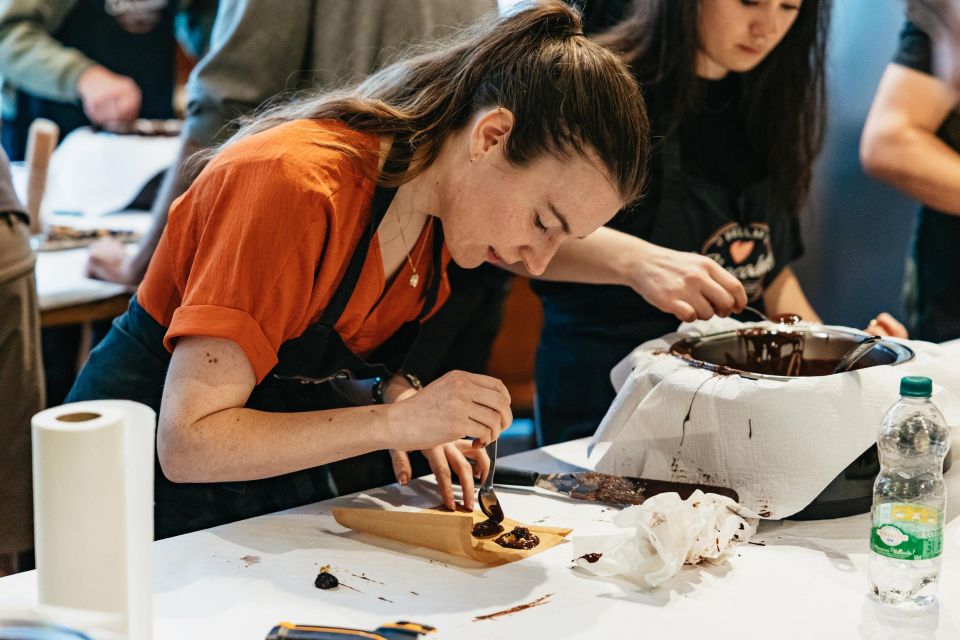
At $69 per person, you’re paying for three things: instruction, ingredients/equipment, and a take-home product. The class includes the chocolate making workshop plus all ingredients and equipment, and it includes one hot chocolate. You also get your own box of homemade chocolates to take home.
So the real question is whether this is just “watching chocolate” priced like an experience. Here, you’re making more than 30 chocolates, which is a lot for a 2.5-hour class. The instructions focus on tempering properly and preparing pralines and mendiants from scratch, including the fillings. That’s skill learning, not only assembly.
You should also think about what you’d pay if you tried to buy a similar amount of artisanal chocolate in a shop. The class gives you the chocolate, plus the craft behind it. In other words, you’re not just buying sweets—you’re buying the ability to make sweets that taste and look right.
One thing to keep in mind: there’s no included at-home kit. A chocolate-making home kit is sold separately, so if you want to keep practicing at home, you may be tempted later. That’s not a negative; it just means this workshop is the main event, not the start of a full DIY kit bundle.
Finding Voldersstraat 30, and what to do with all that chocolate
Logistics are usually the difference between a fun start and a stressful one. The meeting point is at the local partner’s workshop on Voldersstraat 30, b-1000 Brussels. It’s the same address as Rue des Foulons 30, because the street has two names.
The closest metro stop is Anneessens. You can also walk from Brussels Grand Place or Brussels Midi train station—reviews note it can be about 10 minutes from Midi. That’s convenient for planning the rest of your day, since you don’t need a complicated transfer.
Timing matters. You should arrive no more than 10 minutes prior to the tour start time, because guides are still setting up the workshop. Arrive too early and you may be waiting outside; arrive too late and you’ll miss the start of the setup and first instructions.
Then comes the part nobody wants to think about until it’s too late: carrying and storing your take-home chocolates. Multiple reviews warn that you leave with a lot of chocolate. If you’re walking back to a hotel, plan for keeping the box from getting too warm on the way. If your hotel is far, consider how you’ll transport it.
One useful tip from reviews is to bring water, since it’s a 2.5-hour workshop. That’s an easy win. You’ll be standing, working, and tasting, and water keeps you comfortable and helps you focus on the process.
You can also read our reviews of more tours and experiences in Brussels





Who this workshop is perfect for (and who might skip)
This is one of those activities that works for lots of people because it’s hands-on but not intimidating. Reviews say it feels intimate and everyone gets a chance to temper and make chocolates. If you’re traveling as a couple, this is a fun shared task. If you’re traveling with friends, it’s a built-in bonding plan because you’ll all be doing the same steps.
It’s also a good option if you don’t want a long sit-down museum day. The workshop is active the whole time. And if you like learning how things work, the tempering component gives you a real takeaway skill.
Who might skip it? If you absolutely hate kitchens, heat, or mess—even mild mess from working with chocolate—then a workshop won’t feel relaxing. Also, if you struggle with transporting food or hate the idea of carrying a box, plan ahead because you’ll be leaving with a lot of your work.
If you’re in Brussels and want to do something unmistakably Belgian beyond tasting chocolate in a shop, this is one of the clearest ways to do it. You get both craft and candy, and you leave with your own box instead of only memories.
Should you book this Brussels chocolate workshop?
I’d book it if you want a hands-on Brussels experience with a clear structure: learn tempering, make pralines and mendiants from scratch, taste what you made, then take home a box of chocolates. The price makes sense because you get instruction plus ingredients/equipment plus a large quantity of finished chocolate, not just a short demo.
I’d think twice if you’re traveling super light and don’t want to manage a take-home box, or if you know you’ll be gone for a long stretch right after the class and can’t keep the chocolate cool. In that case, you might still enjoy the technique, but logistics could annoy you.
If you’re choosing just one foodie activity in Brussels, this is a strong candidate. It’s practical, creative, and you’ll actually take something sweet with you—made by your hands.
FAQ
What is the duration of the Belgian chocolate making workshop?
The workshop runs for 150 minutes (2.5 hours).
How many chocolates will I make?
You will learn to make more than 30 Belgian chocolates, including pralines and mendiant chocolates.
Is the workshop suitable for vegetarians or vegans?
Yes. The workshop is suitable for vegetarians, and there is also a vegan chocolate option.
What’s included in the price?
The price includes the chocolate making workshop, all ingredients and equipment, and one hot chocolate.
Do I get anything to take home?
Yes. You get your own box of homemade chocolates to take home. A chocolate making home kit is sold separately.
Where do I meet for the workshop, and what’s the nearest metro stop?
Meet directly at Voldersstraat 30, b-1000 Brussels (the same address as Rue des Foulons 30). The closest metro stop is Anneessens.
Is it flexible to book, and can I cancel?
Yes. You can cancel up to 24 hours in advance for a full refund. You can also reserve now and pay later.