REVIEW · BRUSSELS
Evening Tour: The Dark Side of Brussels
Book on Viator →Operated by Legends of Bruges Free & Private Tours · Bookable on Viator
Brussels’ darker stories show up after dark. This evening history walk threads together big monuments and side-street characters, with a guide who keeps the pace human and the storytelling clear.
I especially like the mix of Sablon landmarks (churches, squares, viewpoints) and the way the tour ends in the Marolles neighborhood with its daily street-life energy. The other big win is the guide-led format: short stops, lots of context, and enough time to ask questions without feeling rushed.
One thing to consider: the title Dark Side of Brussels doesn’t mean it turns into a horror show. It’s more “night history with unflattering footnotes,” and if you’re expecting maximum grizzly content every minute, you may feel slightly under-delivered.
In This Review
- Key things I’d prioritize before you book
- Starting at Grand Place: the evening walk that actually gets moving
- Place du Grand Sablon and Place Saint-Jean: pretty squares with historical context
- Tour Anneessens and Rue de Rollebeek: the neighborhood vibe you can’t get from a quick pass
- Notre-Dame du Sablon: gothic beauty plus the stories beneath it
- Palais de Justice: the giant courthouse view and why it matters
- Petit Sablon’s garden square: 48 bronze statues and a clearer sense of guild power
- Marolles at night: Place du Jeu de Balle and the flea-market atmosphere
- Kapellekerk finish in the vernacular Marolles neighborhood
- Price, walking time, and what you’re really paying for
- Guides, pacing, and how to make sure you actually enjoy it
- Who should book this, and who might want a different night option
- Should you book the Dark Side of Brussels evening tour?
- FAQ
- How long is the Evening Tour: The Dark Side of Brussels?
- What language is the tour offered in?
- Where does the tour start and end?
- Is the ticket mobile, and do I need to show anything?
- What happens if the tour doesn’t have enough people?
- Can I get a refund if plans change?
Key things I’d prioritize before you book
- Grand Place meeting point: it’s central, but the square is busy—arrive a few minutes early and go to the guide’s marked location.
- Short, focused stops: most stops are timed around 10 minutes, so you get variety without committing to long museum time.
- Sablon to Marolles route: you’ll see both the official monuments and the lived-in neighborhoods in one evening.
- Palace of Justice views: the route makes the courthouse feel more than a photo spot by tying it to power and authority.
- Petit Sablon statues: 48 bronze figures tied to medieval guilds give the square a specific, memorable angle.
- Ending at Kapellekerk: the vernacular Marolles finish adds a local, historical “last note” instead of a generic return stop.
Starting at Grand Place: the evening walk that actually gets moving
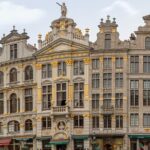
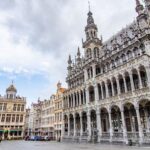
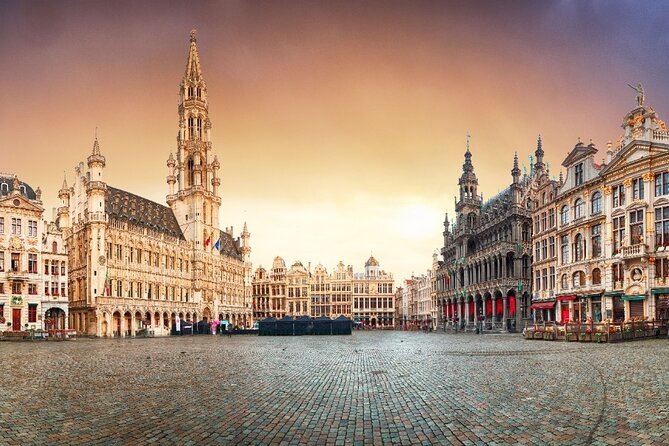
You start at Grand Place (Grote Markt), the obvious postcard square in the center of Brussels. That’s convenient, but it also means it’s busy. If you’re the type who hates hunting for a meeting point, arrive early, stand where the group naturally gathers, and watch for the guide’s location near the main square.
This tour runs about 2 hours. It’s long enough to feel like a real evening activity, but short enough that you’ll still enjoy dinner afterward. The group is capped at 35 people, which usually keeps it manageable on narrow streets and in crowded public squares.
The biggest practical advantage here is that you’re not just walking—you’re walking with a reason. The route is built to connect architecture and places to stories about how Brussels worked, who had power, and what people did when society turned ugly.
You can also read our reviews of more evening experiences in Brussels

Place du Grand Sablon and Place Saint-Jean: pretty squares with historical context
The first stop area is around Place du Grand Sablon, connected in the tour flow to the broader market life nearby. Even if you don’t buy anything, you’ll feel what Brussels markets do best: they’re social, local, and fast-moving. This early start helps you “read” the city before the tour gets heavier.
Then you shift to Place Saint-Jean, with the St. John the Baptist Church as a centerpiece. This square is ideal for resetting your brain. You can look at the architecture, pause for a photo, and just listen as the guide connects what you’re seeing to how the city evolved.
Why I like these first two stops: they ground you. You’re learning the city through real street space, not just a list of monuments. The downside is that if you’re arriving with zero interest in churches and squares, the early pace might feel gentle rather than intense.
Tour Anneessens and Rue de Rollebeek: the neighborhood vibe you can’t get from a quick pass

Next comes Tour Anneessens, a district stop that’s designed to show Brussels as a lived-in place, not just a museum. You’ll hear how different parts of the city developed, and how communities shaped the street-level feel you see today.
Then you walk Rue de Rollebeek, a street that’s exactly the kind of place you can walk past during the day without paying attention. At night, it becomes more about mood and movement—cobblestones, storefront rhythms, and the way people flow through the street.
This stretch is a key reason the tour works. It builds variety: you’re not stuck staring at one monumental facade. You’re also not thrown into the deep end immediately. By the time the major buildings show up, you’ll understand the city scale better.
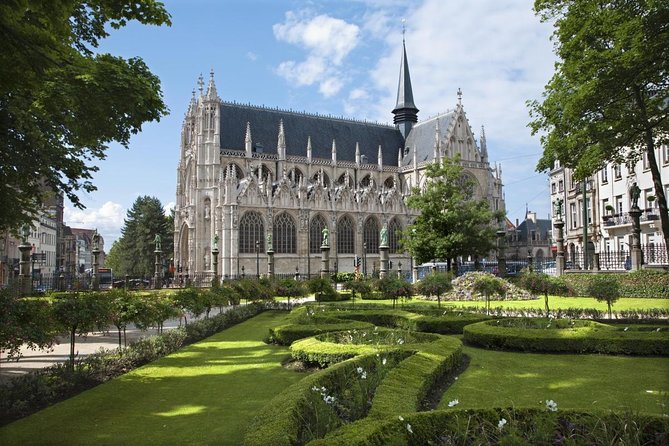
Notre-Dame du Sablon: gothic beauty plus the stories beneath it
The tour’s Notre-Dame du Sablon stop is your gothic contrast. Expect stained glass and detailed stonework, plus a guide who ties it to what Brussels cared about at different points in time. This is the kind of church stop that doesn’t feel like a lecture—more like you’re being taught how to look.
A practical note: churches are public, but they’re not always equally quiet at night. If you want to hear everything, aim to stand where your voice and the guide’s voice don’t get swallowed by the crowd.
This stop is one of the most “worth it” moments on the route because it gives you something visual to remember. Even if the darker stories blur later in the walk, the church details tend to stick.
Palais de Justice: the giant courthouse view and why it matters
Then you hit the Palace of Justice—one of those Brussels landmarks that feels enormous in person. The courthouse sits on a hill and carries an unmistakable message: this is where law, power, and the official story meet.
What makes this stop valuable is the way the guide uses the building as a tool. You’re not just admiring architecture. You’re connecting that architecture to society—who it served, what institutions looked like, and how rules could shape real lives.
This is also one of the strongest spots for photos, especially because the evening light often makes the building feel more dramatic. Just keep your expectations realistic: it’s still a major public area, so you won’t have it to yourselves.



Petit Sablon’s garden square: 48 bronze statues and a clearer sense of guild power
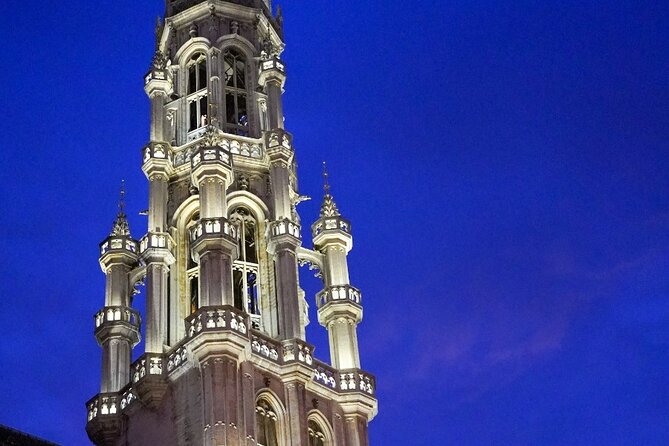
Next is Square du Petit Sablon, a peaceful garden space that feels calm even while you’re in the center of town. The standout feature is the set of 48 small bronze statues representing medieval guilds.
This stop works because the guide can turn a “cool statues” moment into something you can understand. Instead of walking through a pretty square like it’s decorative, you learn why those figures are there and what guilds meant in the city’s order.
If you enjoy symbols and the meaning behind city design, you’ll love this part. If you mostly want streets and crowds, it may feel a bit quieter than the rest. Still, it’s a great breather before the more everyday Marolles feel.
Marolles at night: Place du Jeu de Balle and the flea-market atmosphere
Finally, you move into Marolles, and the mood changes. The tour heads to Place du Jeu de Balle, associated with the daily flea market (the kind of place where you can find everything from second-hand clothing to old photos and odd treasures).
This is where you feel Brussels as a working neighborhood. It’s not about official grandeur now—it’s about people buying, chatting, and sorting through stories that come attached to objects.
The tour title says dark side, but this ending is also a reminder: city history includes ordinary life, not just grand buildings and courtroom symbols. The “darker” elements often live in how society treated people, how rules played out, and how neighborhoods changed over time. A flea market is a perfect place to think about that.
Kapellekerk finish in the vernacular Marolles neighborhood
The walk ends at Kapellekerk (a local chapel church) in the vernacular Marolles area. The name connects to a chapel founded in 1134, which is a striking reminder of how old this part of the city really is.
This end point matters because it gives you closure in a way most city walks don’t. Instead of going back to the start or ending at a landmark gift-shop zone, you finish somewhere that feels like you’re stepping into a real neighborhood story.
If you like the feeling of ending near where locals actually live, this finish will land well.
Price, walking time, and what you’re really paying for
The published price is $3.62 per group (up to 6), which is extremely low. With tours like this, the guide’s pay often depends on people tipping, not just the booking fee. More than one comment highlights the idea that the tour feels free-ish compared to what you’d pay for an hourly guiding service, so I’d plan a tip if you want to show appreciation—especially if the guide really pulls the stories into focus.
Also, since the average booking happens about 14 days in advance, it’s smart to grab your spot early if you have a tight schedule. The tour can have a minimum number of travelers, so if it doesn’t meet that threshold, you may be offered a different date or a full refund.
What you get for the money: a guided walk with context—not just wandering. The route is designed to connect neighborhood character to big institutions, and the guide role is the value engine.
Guides, pacing, and how to make sure you actually enjoy it
This tour’s quality often comes down to one thing: the guide’s storytelling style. Across past departures, names like Sebastian, Rahim, Ian, Gunny, David, and Ann Marie have been mentioned with praise for keeping the walk engaging and for connecting architecture to the darker side of Brussels.
A few patterns show up in the feedback:
- Many people say it’s more about night history than nonstop shock. If you want a constant “grizzly” level, set expectations accordingly.
- The walk is doable but it is walking. One comment called it slightly more strenuous than described, so wear comfortable shoes.
- Hearing can vary. A quieter voice can make listening harder if the group forms loosely.
- Sometimes the route focus depends on guide choices and group size. If you want an exact stop order every time, be flexible.
My practical advice for you: show up early, bring water if you run warm, and keep your voice up just enough to ask questions. The best guides use your questions to steer the story, not just recite it.
Who should book this, and who might want a different night option
You’ll likely love this tour if you:
- enjoy walking at dusk and learning how places fit together
- like architecture, but also want the human story behind it
- are okay with “dark side” meaning unflattering history and power dynamics, not nonstop gore
You might be less thrilled if you:
- want a strictly night-only “seedy” theme with zero gentler stops
- dislike tours where the route emphasis shifts slightly from guide to guide
- expect a museum-style explanation at each stop rather than a fast, moving guided walk
If you’re picking one Brussels evening activity, this is a solid choice because it gives you variety in a short time: squares, churches, major institutions, and a neighborhood market atmosphere.
Should you book the Dark Side of Brussels evening tour?
Yes—if you want a short, guided night walk that connects landmark Brussels to the less comfortable parts of its story. It’s a good value, especially because you’re paying for a person who can turn street corners into understanding.
Just book it with the right expectations. The title can sound darker than the experience sometimes feels. For most people, it lands as night history with an edge, capped with an ending in Marolles that’s more street-life than horror.
If you want maximum satisfaction, do two things: arrive early at Grand Place so you’re not stressed, and plan a tip in euros if your guide does a great job. That’s the simple, fair way to support a good storyteller in a low-cost tour format.
FAQ
How long is the Evening Tour: The Dark Side of Brussels?
The tour lasts about 2 hours.
What language is the tour offered in?
It’s offered in English.
Where does the tour start and end?
You meet at Grand Place (Grote Markt), 1000 Brussels, Belgium, and the tour ends at Kapellekerk (Brux.-Chap/Brus.-Kap, Rue des Ursulines, 1000 Bruxelles).
Is the ticket mobile, and do I need to show anything?
Yes, you’ll have a mobile ticket.
What happens if the tour doesn’t have enough people?
The tour requires a minimum number of travelers. If it’s canceled for that reason, you’ll be offered a different date/experience or receive a full refund.
Can I get a refund if plans change?
Yes. There’s free cancellation up to 24 hours in advance for a full refund. Canceling less than 24 hours before the start time won’t be refunded.