REVIEW · BRUSSELS
The Most Complete Tour Of Brussels
Book on Viator →Operated by BelgoTours · Bookable on Viator
Brussels in 2.5 hours, neatly. This short guided loop takes you to the city’s biggest picture stops, including Grand Place, then keeps going so you understand what you’re looking at. It’s built for maximum payoff: each stop is quick, the entries listed are free, and you finish with your bearings set for the rest of your day.
What I really like is the mix of famous landmarks and helpful street-level context. You’ll hit Manneken Pis and then move into the quieter Sablon area and up toward Mont des Arts, so the tour doesn’t feel like just photo ops. One consideration: you’ll do a fair amount of walking, and it’s not the best choice if you need lots of long sit-down breaks.
Key things to know before you go
- A tight route with four core stops in about 2.5 hours, so you don’t waste a half day
- Free admission at each listed highlight, which is rare for a guided highlights tour
- A voluntary guide contribution (typically €15–30), so plan for the real cost at the end
- English-speaking guides, with a small group cap of 30 people
- Mobile ticket + public transportation nearby, making it easier to show up and move on
- A free-contribution model that can feel more personal than fixed-price tours
In This Review
- Why This 2.5-Hour Brussels Loop Makes Sense
- Grand Place: Start Here, Then Everything Else Clicks
- Manneken Pis: Fast Photo, Strong Story
- Church of Notre Dame du Sablon: A Softer, Smarter Pause
- Mont des Arts: Finishing in the Upper City
- Price and Timing: How This Tour Really Costs You
- Guide Style and Group Size: What to Expect on the Walk
- How to Plan Your Day Around This Tour
- Should You Book This Tour?
- FAQ
- How long is the tour?
- Where does the tour start and end?
- What’s included in the price?
- Is admission included for the stops?
- What’s not included?
- Do I need to bring a paper ticket?
- How much do I contribute to the guide at the end?
- Is the tour in English?
- How big is the group?
- What if I need to cancel?
Why This 2.5-Hour Brussels Loop Makes Sense
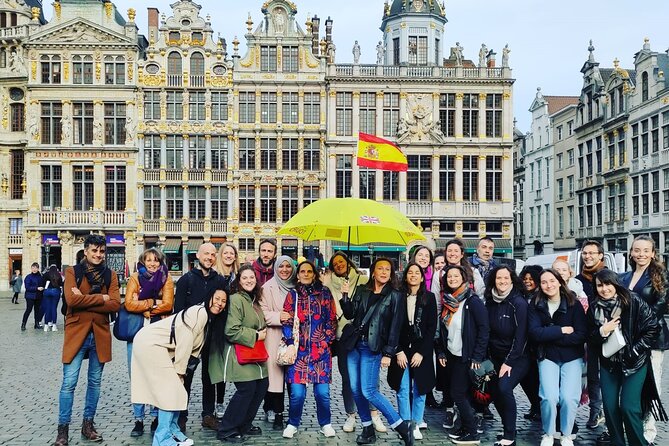
Brussels can be confusing if you only rely on a map. Streets curve, neighborhoods change fast, and the big sights are scattered more than you’d expect. This tour gives you a straight line through the best-known areas without turning it into a marathon.
The timing is practical. At roughly 2 hours 30 minutes, you get enough time for short explanations and photos without feeling stuck for hours. Each stop is timed—think 15–20 minutes—so the guide can keep the story moving and you can keep your energy.
Value is a little tricky here, but in a good way if you’re paying attention. The listed price is low (about $3.62 per person), and the tour is designed around a voluntary contribution at the end (typically €15–30). In other words, the real “ticket” isn’t only the upfront cost. If you want a guide to work hard and keep you engaged, budgeting for that end contribution is part of the deal.
Grand Place: Start Here, Then Everything Else Clicks
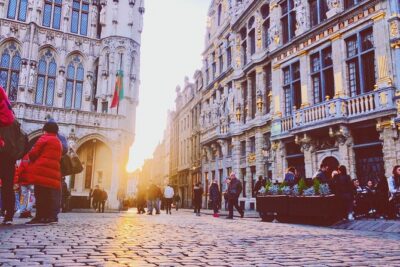
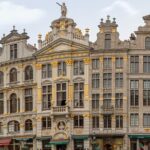
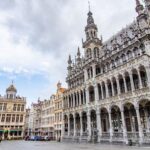
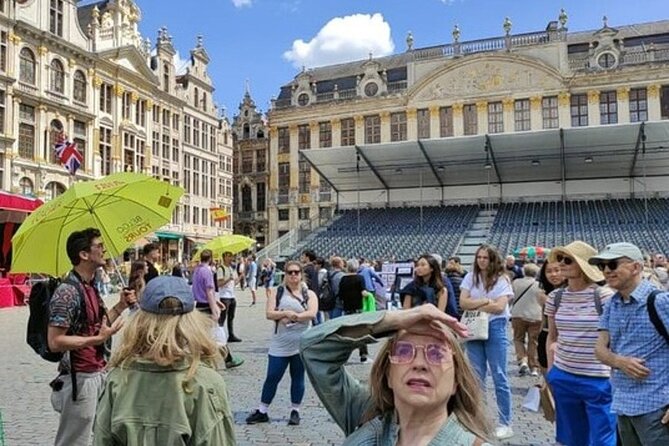
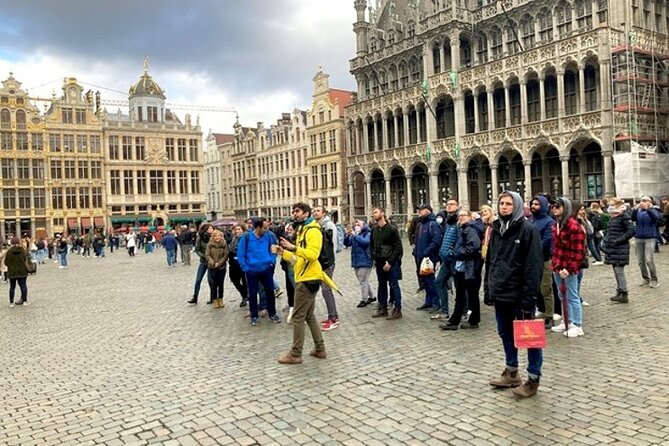
Your walk begins at Grand Place / Grote Markt, right in the middle of the action. This is the kind of place where the buildings almost explain the country for you. Different architectural styles sit side by side, and the square feels like a stage set for history—only you’re standing in it.
This stop is scheduled for about 15 minutes, which is just enough time to:
- see the main façades clearly,
- catch the details the guide points out,
- and take a photo that actually looks like Grand Place, not just another Belgian street.
The trade-off is that you won’t have hours here. If you love architectural details, you may want to come back later on your own. But as a start point, Grand Place is perfect because it gives you a visual anchor for everything the guide connects to the rest of the route.
If you’re doing Brussels on a tight schedule, this is also the smartest place to begin. The meeting point is clear in name (Grand Place), and it’s easy to orient yourself afterward, including for food and beer plans.
You can also read our reviews of more tours and experiences in Brussels.


Manneken Pis: Fast Photo, Strong Story
Next up is Manneken Pis, the famous “pis boy.” It’s brief—about 20 minutes—and that’s exactly right for a landmark that’s best understood with a little context. You can see the statue in minutes, but without background it’s easy to miss why this tiny figure carries so much cultural weight.
This stop tends to work well even for people who aren’t chasing “serious history.” The guide can turn it into a quick story about Brussels identity and tradition, and you still have time to keep moving before the tour pace gets tiring.
Practical tip: if you want a classic photo, arrive with your camera ready rather than waiting until the guide starts talking. The statue can be crowded, and you’ll get more out of the minute or two you spend actually framing your shot.
Church of Notre Dame du Sablon: A Softer, Smarter Pause
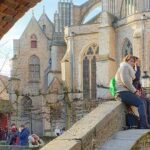
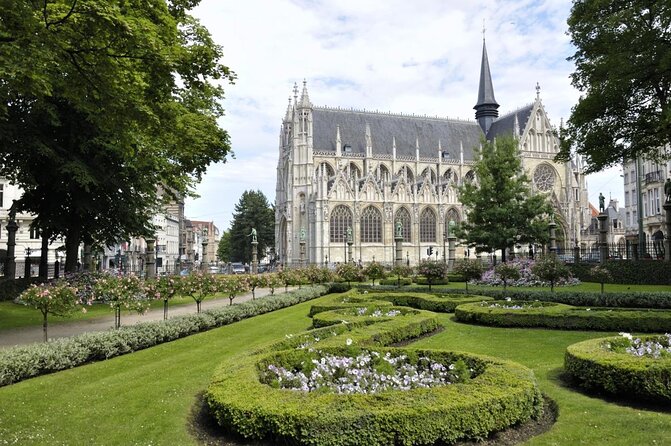
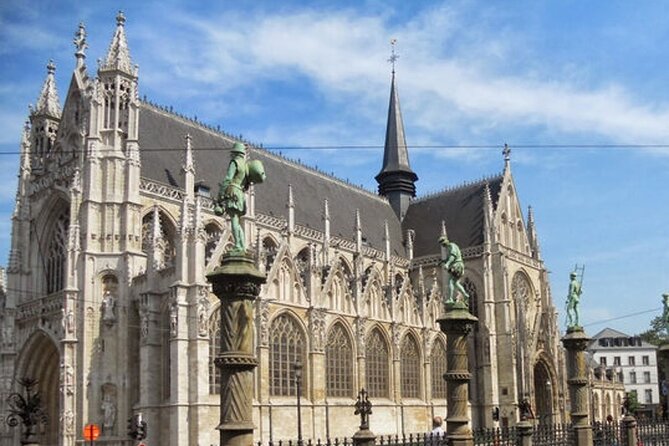
Then the route heads to the Church of Notre Dame du Sablon, also known as the Sablon church area. This is scheduled for about 20 minutes, and it works as a relief from the big-square energy.
What makes it interesting is the added social context: it’s described as a former meeting place for the aristocracy during the 19th century. That matters because it changes how you read the space. You start looking not only at what’s in front of you, but why people of influence would choose this kind of setting.
Why I’d put this stop on your “yes” list: it gives you a more grounded look at Brussels beyond its most famous landmarks. You get a quieter moment, and the guide can connect it back to the broader city story.
Downside? If you’re the type who wants non-stop action, this part can feel slower than Grand Place or Manneken Pis. But it’s a good slow-down, and it helps the tour feel like you learned something, not just collected postcards.
Mont des Arts: Finishing in the Upper City
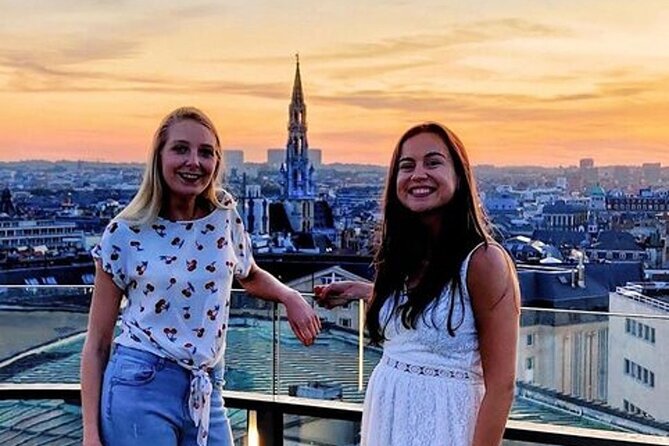
The final stop is Mont des Arts, in the upper part of Brussels, tied to the royal court district. This is where the tour pays you back for the walking you do.
The point of finishing here isn’t only the views (though you’ll likely appreciate the elevated perspective). It’s also the sense of “okay, now I get the geography.” Brussels can feel flat on a first glance, but Mont des Arts makes the city’s layout click because you’re ending at a higher vantage point and shifting neighborhoods.
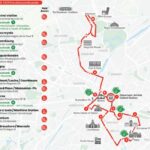
This stop is listed for about 20 minutes. That’s enough time for photos, a last guided explanation, and then to transition into exploring on your own. The tour ends at Mont des Arts 1.
One small note: this area is where you’ll feel the difference between seeing Brussels from street level versus understanding it as a layered city. So if you’re using the tour to decide what to do next, this ending is a strong closer.
Price and Timing: How This Tour Really Costs You
On paper, the price looks extremely low—$3.62 per person. In practice, the tour is built around a voluntary contribution at the end—listed as €15–30.
So here’s the value math I’d use:
- If you want a guide-led highlights walk with interpretation, you should plan on paying the guide contribution.
- If you’re expecting a no-additional-cost experience based only on the base price, you’ll be disappointed.
Also note what’s included and not included. You get:
- a tour guide,
- a tour of the most emblematic places,
- and free entry is noted at each stop.
You do not get snacks, and there’s no chocolate tasting included. If you’re hoping to sample Belgian sweets as part of the tour, you’ll need to add that on your own before or after.
As for schedule practicality: confirmation happens at booking time, and the tour is offered in English with a maximum group size of 30. That’s a manageable number for questions and staying together.

Guide Style and Group Size: What to Expect on the Walk
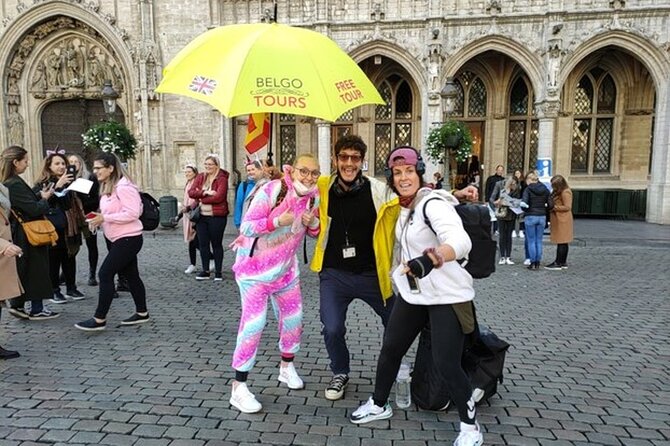
This type of tour lives and dies by the guide. The good news is that this format supports real engagement: timed stops, short walking legs, and enough time for the guide to connect the dots.
A repeated theme from guide-led experiences on this route is that the storytelling can be interactive, fun, and easy to follow. Some guides use humor and group engagement, and they also share practical tips about where to eat and drink once you break away from the tour.
Why that matters for you: it turns the tour into a decision-making shortcut. After the last stop, you’re not stuck staring at a map wondering what to do next—you have a short list of directions and ideas.
Group size is capped at 30 travelers, which helps. You’ll generally be in a crowd large enough to have energy, but small enough that you can still hear the guide without shouting.
Two “be ready for it” considerations:
- Walking is part of the product. One note in the feedback is that there’s quite a bit of walking, which can be tough if you have mobility limits.
- Meeting point clarity can matter. If you arrive late or vague, you can miss the guide. I’d show up a bit early and plan to check the exact area around Grand Place.
How to Plan Your Day Around This Tour
This tour is a great “first Brussels day” move. Start with it to get oriented, then build your next steps around what you liked.
Here’s a simple way to structure your day:
- Do this in the morning or early afternoon so you still have energy for a second round of sights on your own.
- After Mont des Arts, use the location to decide where to go next based on the views and neighborhood shift you just felt.
- If you care about chocolate, plan a separate stop since chocolate tasting isn’t included.
If you’re traveling solo, this is often a comfortable format because you’re with others but still moving as a group that sticks close. If you’re traveling with older kids or teens, the stop-and-go timing helps keep it from turning into a lecture.
If you hate walking with a tight schedule, pick your footwear carefully. Comfortable shoes are not optional on this kind of city loop.
Should You Book This Tour?
I’d book it if:
- you want a high-signal highlights walk without spending half a day planning,
- you like learning enough context to understand what you’re seeing,
- you’re okay with a guided route that moves steadily between Grand Place, Manneken Pis, Sablon, and Mont des Arts,
- and you’re willing to budget for the end contribution (€15–30) because that’s where the guide time really shows up.
I’d skip it or look for an alternative if:
- you need a mostly seated experience (the walking time can be a factor),
- you’re expecting “more” time at each individual site rather than quick, guided interpretation,
- or you’re traveling during a time when you can’t arrive a few minutes early to find the guide at Grand Place.
FAQ
How long is the tour?
The tour runs for about 2 hours 30 minutes.
Where does the tour start and end?
It starts at Grand Place / Grote Markt, 1000 Brussel, Belgium and ends at Mont des Arts 1, 1000 Bruxelles, Belgium.
What’s included in the price?
The tour includes a tour guide and a visit to the most emblematic places of Brussels.
Is admission included for the stops?
The listed stops have free admission tickets noted for each highlight.
What’s not included?
It doesn’t include snacks, and chocolate tasting is not included.
Do I need to bring a paper ticket?
No. You get a mobile ticket.
How much do I contribute to the guide at the end?
A voluntary contribution is required at the end of the tour, listed as €15–30.
Is the tour in English?
Yes, the tour is offered in English.
How big is the group?
The tour has a maximum of 30 travelers.
What if I need to cancel?
You can cancel for a full refund up to 24 hours before the experience’s start time.