REVIEW · BRUSSELS
Brussels: Make Your Own Chocolates Workshop with Tastings
Book on GetYourGuide →Operated by The Belgian Chocolate Makers · Bookable on GetYourGuide
Chocolate-making starts with Champagne. This Brussels workshop is fun, hands-on, and surprisingly educational. I love the chance to create a personalized chocolate bar plus truffles and mendiants, and I love the step-by-step cacao tastings (beans, cacao liqueur, and even a mucilage granité). One thing to keep in mind: this is not a true bean-to-bar-from-scratch class, and they keep tight time once the session starts.
You’ll work with ethical, sustainable cacao from Haiti under the guidance of a chocolatier instructor, and you’re tasting chocolate at different stages so you understand what you’re actually eating. There’s also a laboratory visit at the end, so it doesn’t feel like you just made candy and left.
Priced at $108 for about 1.5 hours, it’s not “cheap,” but it’s also not just a demonstration. You get ingredients, tastings, protective gear, drinks (Champagne plus a seasonal option), a lab look, and take-home chocolate—plus an automatic 20% discount in their shop.
In This Review
- Key things to know before you go
- Brussels chocolate workshop: what you’re really buying for $108
- Meeting the chocolatier: Champagne, an apron, and getting set up
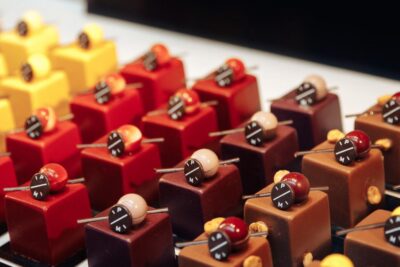
- Hands-on making: personalized bar, truffles, and mendiants
- The tastings: beans, cacao liqueur, and mucilage granité
- Working with dark vs milk, and what if you’re avoiding dairy
- The lab visit: how production really gets done
- What you take home: wrapped chocolates and a 20% store discount
- Price and value check: where the money goes
- Who this is for (and who should skip it)
- Getting there in Brussels: near Gare Centrale and Mont des Arts
- Quick reality check: the one thing this workshop does not promise
- Should you book this Brussels chocolate workshop?
- FAQ
- How long is the workshop?
- What chocolates will I make during the session?
- What tastings are included?
- Is this a bean-to-bar class from raw cacao beans?
- What drinks are included?
- Can I take my chocolate home?
- Do I get a discount at the store?
- Are kids allowed?
- Is it accessible for wheelchair users?
- Are there allergy or dietary restrictions?
Key things to know before you go
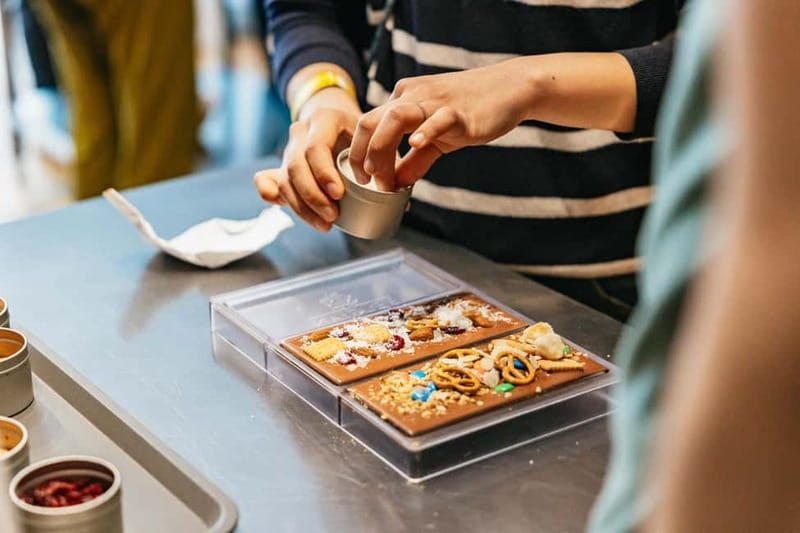
- You’ll make three styles: a personalized chocolate bar, plus mendiants and truffles.
- Cacao tastings happen at key stages: beans, cacao liqueur before sugar, and a mucilage granité.
- A lab visit is included: you can see how bean-to-bar production works (in a limited group).
- You’ll leave with packaged chocolates: they wrap what you make so you can share or stash it for later.
- Discount is built in: a quiz card gives you 20% off in-store.
- They run a strict, respectful session: late arrivals aren’t accepted once the workshop starts.
Brussels chocolate workshop: what you’re really buying for $108
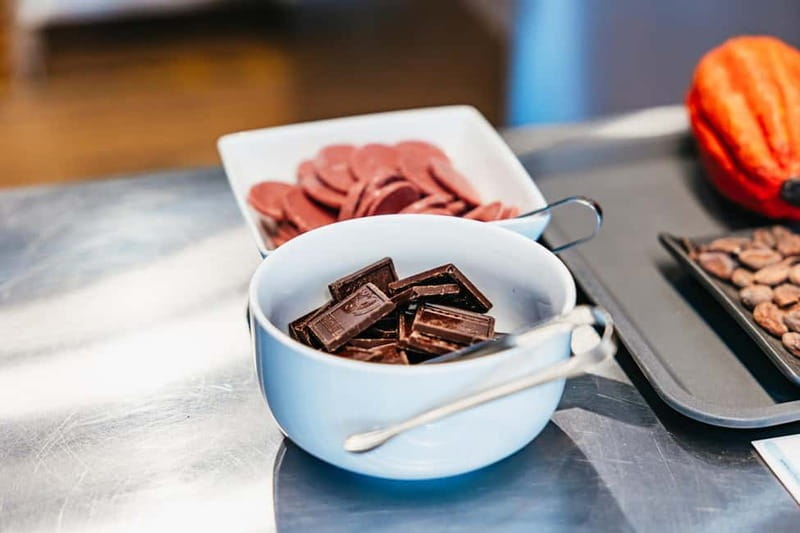
This experience is built for people who want chocolate education with real “hands-on” time. You pay for the whole package: working time with expert chocolatier guidance, the ingredients and tools for multiple chocolate styles, tastings that explain why Belgian chocolate became a global benchmark, and a behind-the-scenes lab visit.
At $108 per person for 1.5 hours, it helps to think of it as a premium activity. The value comes from what’s included: a personalized creation you can take home, multiple tastings, and drinks starting with Champagne. It’s also a good use of time in Brussels because the activity is short enough to fit into a busy day while still feeling complete.
You can also read our reviews of more tours and experiences in Brussels

Meeting the chocolatier: Champagne, an apron, and getting set up
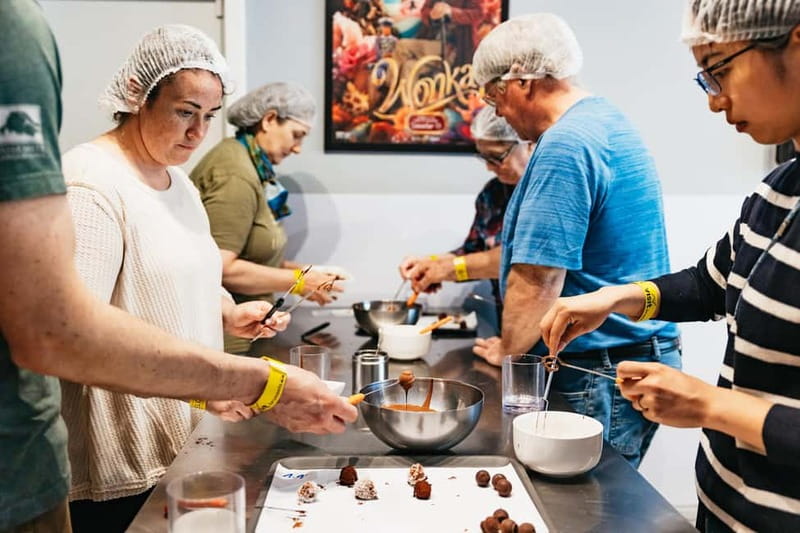
Your session starts at The Belgian Chocolate Makers training centre and booking desk at Place de la Justice 5, near Gare Centrale and Mont des Arts. They check your tickets, then hand you what you need to join the activity—like a hairnet (and beard protection), plus a quiz card that links to your in-store discount.
Once you’re checked in, you’ll be welcomed with a glass of Taittinger Champagne and dressed with a logo apron. That might sound like a nice extra, but it also signals the tone: this is meant to feel celebratory, not academic-only.
One practical note: if you have long hair, plan to tie it back. You’ll need the hairnet on, and it’s easiest if you handle your hair before you get inside.
Hands-on making: personalized bar, truffles, and mendiants
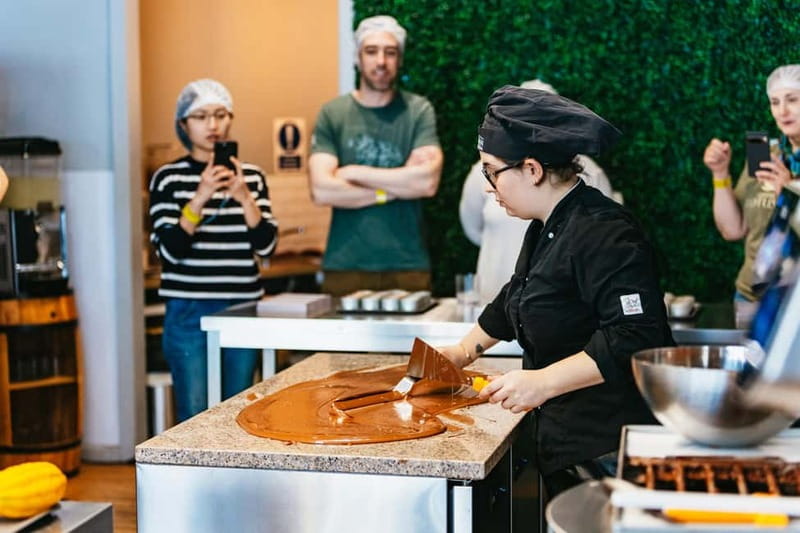
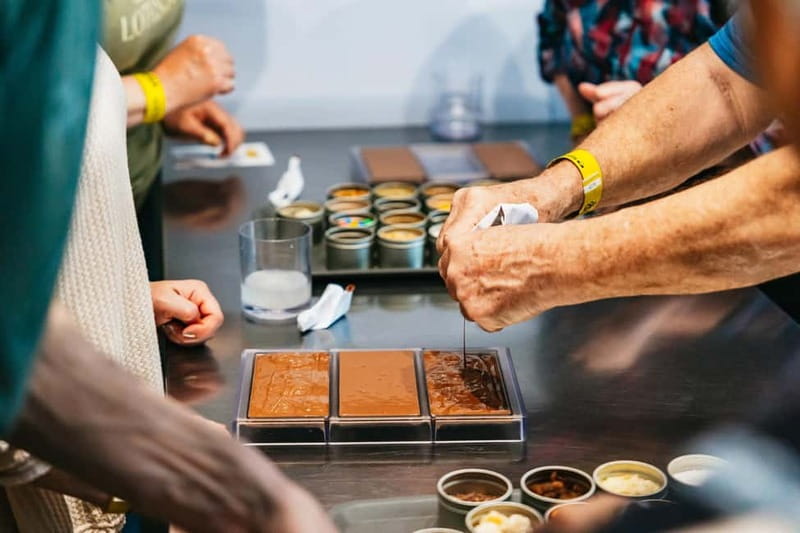
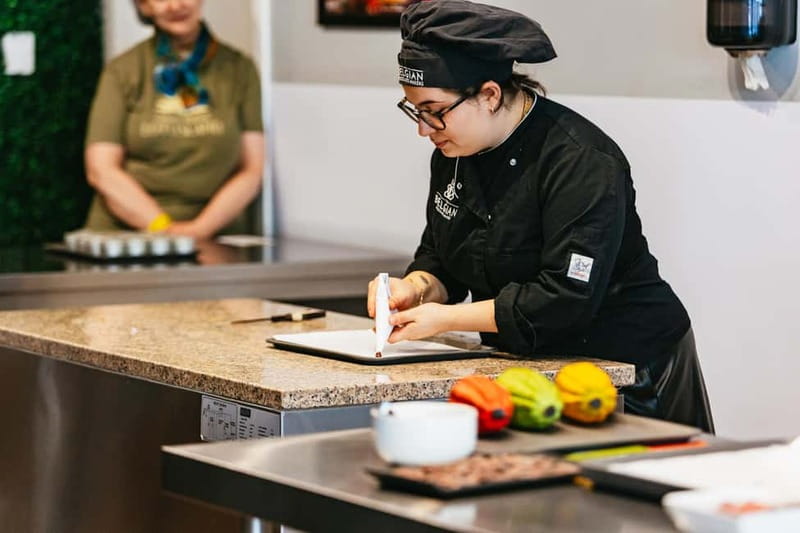
The heart of the workshop is making your own chocolate pieces. You’ll follow along with a chocolatier as you produce a personalized chocolate bar, plus two other popular Belgian styles: truffles and mendiants.
Here’s why this part is worth your attention: you’re not just learning recipes. You’re learning the logic of chocolate making—how texture changes, how flavors develop, and how cacao quality shows up at the table. Even if you don’t leave with the skills to produce chocolate from raw cacao beans, you’ll understand what “good chocolate” actually means.
The workshop also includes a drink while you work. Depending on the season, you’ll get hot chocolate (winter time) or lemonade (summer time). They also mention coffee during the activity if you choose the package with priority access—so expect a well-fed, well-watered experience while you’re busy.
The tastings: beans, cacao liqueur, and mucilage granité
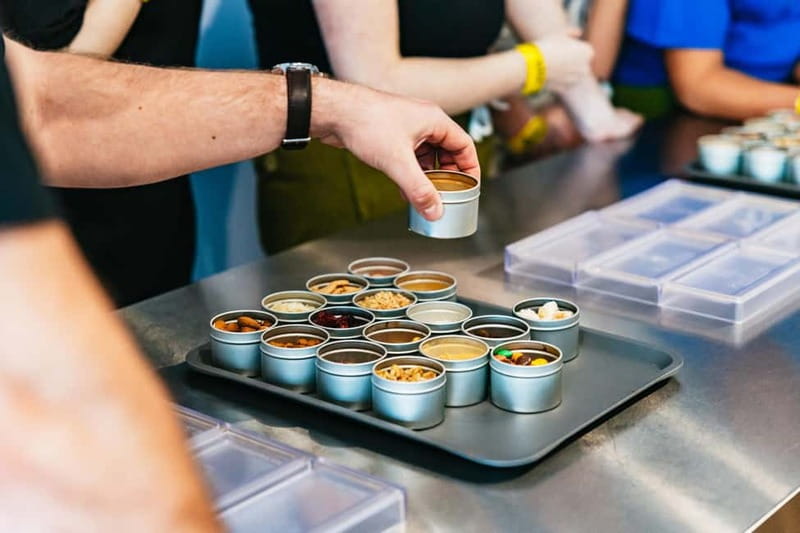
This is one of the most memorable parts. Instead of tasting only finished chocolate, you taste cacao through the chain. You’ll try:
- Cocoa/bean tasting
- Cacao liqueur before sugar is added
- A mucilage granité (served as a granité juice)
You’ll also sample several origins of chocolates along the way. The effect is that you start tasting like a chocolate nerd (in a fun way). You’re learning where flavor comes from before sweeteners and textures hide it.
And yes—this workshop is specific about cacao sourcing: their cacao is from Haiti, and they emphasize ethical and sustainable cacao. If you like the idea of connecting flavor with responsible sourcing, this is the moment where it becomes more than a slogan.
Working with dark vs milk, and what if you’re avoiding dairy
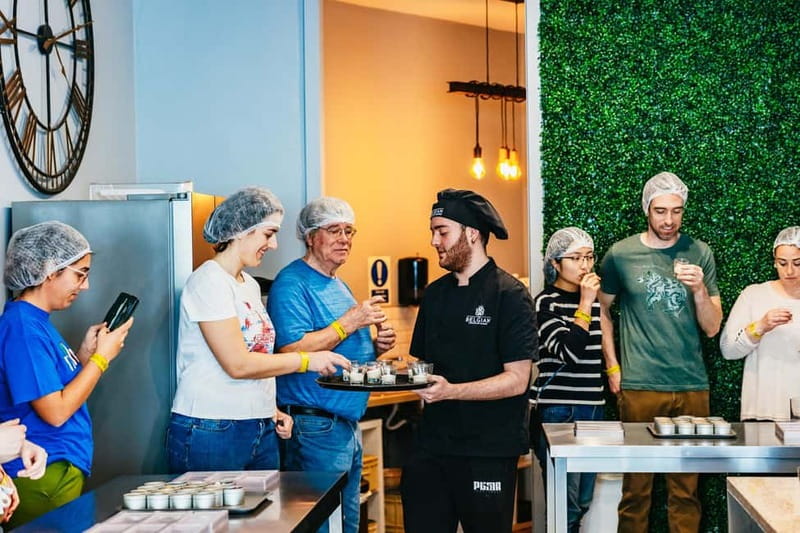
The workshop uses chocolate in dark and milk options. If you’re vegan or lactose intolerant, you’ll only be able to work with dark chocolate.
Also pay attention to toppings: the toppings contain nuts. That’s not a “maybe” detail. It’s a big deal for anyone with nut allergies, and they do list nut allergies as a not-suitable condition.
So if dietary needs are part of your trip planning, confirm before you book. This is not the kind of activity where you can casually wing it with substitutions.





The lab visit: how production really gets done
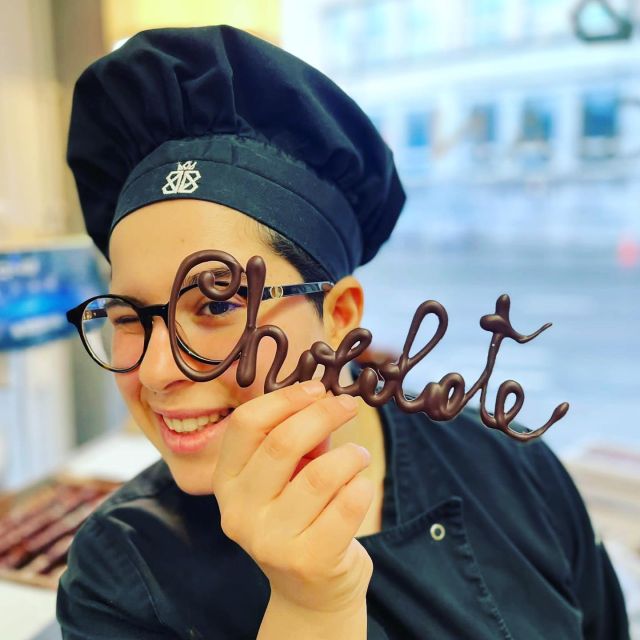
After you finish making and tasting, you can visit the laboratory. The visit is limited—max 2 persons at the same time—so it doesn’t feel like you’re being shoved through a crowd.
This part matters because the workshop is honest about what it is. It’s an enjoyable chocolate-making experience with tastings and ethics, not a “learn to make bean-to-bar chocolate yourself” class. They explicitly note that making chocolate from beans takes a minimum of 2 days, so you’re not being promised that you’ll become a chocolatier in 1.5 hours.
Instead, you’ll leave with a clearer idea of the steps needed for production. That lab time helps you connect your finished pieces to the larger process—like seeing how cacao moves from raw inputs to finished product.
What you take home: wrapped chocolates and a 20% store discount
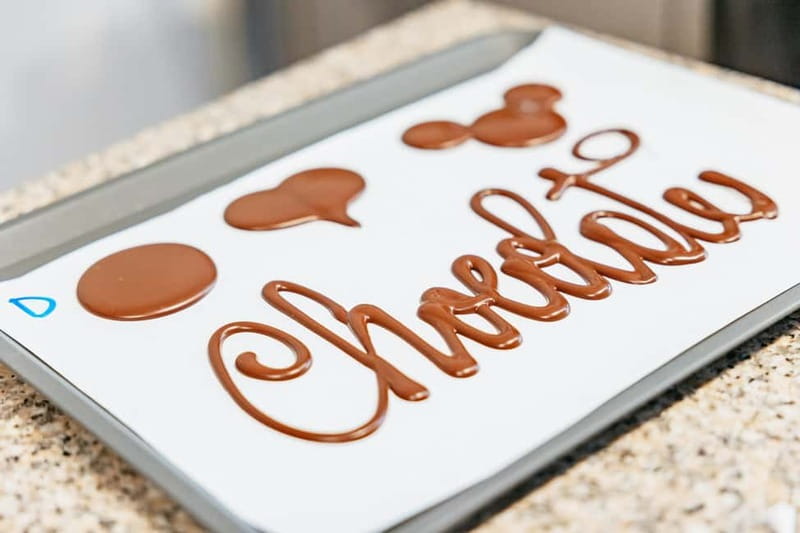
You pack up your chocolates and take them home. That’s a big plus for two reasons.
First, it turns the workshop into a souvenir that isn’t just photos. Second, you avoid the awkwardness of trying to carry fragile sweets across a day of sightseeing—because they wrap your creations for you.
On top of that, you get an automatic 20% discount in their chocolate store. The discount mechanism is tied to the quiz card they give you at check-in, so you don’t have to guess how to claim it later.
If you’re chocolate shopping anyway, this effectively reduces the cost of additional gifts or stocking up for later.
Price and value check: where the money goes
Here’s how the $108 pricing makes sense, item by item:
- Multiple chocolate types you actually produce: bar, truffles, mendiants
- Guided instruction from an instructor
- Tastings at different cacao stages (not only finished chocolate)
- A laboratory visit that adds context
- Drinks: Champagne plus a seasonal option, plus coffee during the activity (depending on the package)
- Protective gear like hairnet and beard protection
- Take-home wrapping
- 20% in-store discount
You’re paying for an experience where you leave with something you made, you tasted your way through cacao quality, and you saw how it’s made in the larger picture.
If you prefer watching only, or if you’re allergic-restricted and can’t participate safely, this may not be the best fit. But for most people who like hands-on craft and flavor exploration, it’s a strong value for the time.
Who this is for (and who should skip it)
This workshop fits best if you want:
- A hands-on chocolate experience (not a lecture)
- Tastings that teach you how cacao tastes at different stages
- A respectful, fun group vibe while you work
- A take-home edible souvenir
It may be a mismatch if:
- You’re bringing children under 6 (not suitable)
- You need wheelchair access (not suitable)
- You have gluten intolerance, lactose intolerance, nut allergies, or food allergies (listed as not suitable)
- You’re not comfortable with the rule that they won’t accept late arrivals once the workshop starts
They also ask participants to respect staff and to avoid interfering with the experience itself. Think of it as a guided craft session where everyone has a role—your job is to be present and keep things moving.
Getting there in Brussels: near Gare Centrale and Mont des Arts
Plan to show up at least 5 minutes early. They close checking as soon as the workshop starts, and they won’t accept late attendance after that point.
Your check-in point is at Place de la Justice 5. From there, staff bring you to the nearby workshop location they use that day (you may be directed to Rue Lebeau 7/11 or Rue de Namur 6, since the locations are very close to each other).
If you like a calm start, build in time for finding the right desk and getting your hairnet before you start.
Quick reality check: the one thing this workshop does not promise
You’ll make chocolate, and you’ll learn a lot about cacao and ethical sourcing. But they’re clear that this isn’t about producing bean-to-bar chocolate yourself from start to finish.
If your main goal is to learn the full multi-day craft of turning cacao beans into chocolate at home, you’ll be disappointed. If your goal is to understand how Belgian chocolate works, taste it intelligently, and leave with your own creations, you’re in the right place.
Should you book this Brussels chocolate workshop?
Book it if you’re a chocoholic who likes doing things with your hands and wants a short, satisfying activity with built-in drinks, tastings, and take-home treats. The combination of three chocolate creations plus step-by-step cacao tasting plus a lab visit is what makes this feel worth the premium price.
Skip it (or at least think twice) if you have nut allergies, lactose/gluten needs you can’t accommodate, or you get stressed by strict timing rules. This is also best for adults and young travelers over 6 who can follow the respectful workshop rhythm.
If you’re spending a day in Brussels anyway, this is a high-impact stop: part craft, part flavor education, and part treat you can actually carry out of the building.
FAQ
How long is the workshop?
It lasts about 1.5 hours.
What chocolates will I make during the session?
You’ll make a personalized chocolate bar, plus mendiants and truffles.
What tastings are included?
You taste cacao at multiple steps: the beans themselves, cacao liqueur before sugar is added, and a mucilage granité. You’ll also taste several origins of chocolates.
Is this a bean-to-bar class from raw cacao beans?
No. They explain that making chocolate from the beans takes a minimum of 2 days, so this is not a full bean-to-bar training.
What drinks are included?
You get a glass of Taittinger Champagne. Depending on the season, you’ll have hot chocolate (winter) or lemonade (summer). A mucilage granité is also included, and coffee may be offered during the activity.
Can I take my chocolate home?
Yes. You’ll pack up your creations and take them home.
Do I get a discount at the store?
Yes. You receive a quiz card at check-in that allows you to get 20% off in their stores.
Are kids allowed?
It’s not suitable for children under 6 years old.
Is it accessible for wheelchair users?
No, it’s not suitable for wheelchair users.
Are there allergy or dietary restrictions?
Yes. It’s not suitable for people with food allergies, gluten intolerance, lactose intolerance, or nut allergies. Toppings contain nuts, and vegan or lactose-intolerant participants work only with dark chocolate.