REVIEW · BRUSSELS
Brussels: Private Tour of the Upper and Lower City
Book on GetYourGuide →Operated by Bravo Discovery · Bookable on GetYourGuide
Brussels rewards slow attention, and this private tour gives you exactly that. You’ll move through the Lower City and Upper City with a guide who connects landmarks to how the city grew and what makes it distinct.
What I like most is the tight pacing: you get the big essentials without feeling rushed. I also like that the guide brings the culture into the walk, with Art Nouveau, Belgian beer, and chocolate woven into the route—not tacked on at the end.
One consideration: this is a walking-focused loop, and the tour runs just 3 hours, so you won’t have long, stand-alone time for museums unless you add it separately.
In This Review
- Key Takeaways Before You Go
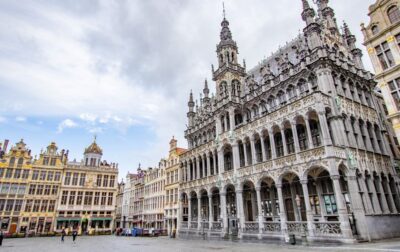
- Lower City Grounding: Grand Place to Manneken Pis
- The Squares That Give Brussels Its Personality
- Federal Opera House and Saint-Hubert Royal Galleries
- Upper City Climb: Inside St. Michael and St. Gudula Cathedral
- Petit Sablon and Grand Sablon: A Refined Finish
- Art Nouveau, Beer, and Chocolate: The Cultural Thread You’ll Remember
- What’s Included in the Price (and What You Should Budget)
- Pickup, Language Options, and Personalization That Helps
- Who This Upper and Lower City Tour Is Best For
- Should You Book This Brussels Private Tour?
- FAQ
- How long is the Brussels Private Tour of the Upper and Lower City?
- Where does the tour start?
- Is the tour private?
- What does the price include?
- Are museum tickets included?
- What languages are available for the live guide?
- Is the tour wheelchair accessible?
Key Takeaways Before You Go
- Lower City route starts at Grand Place, then threads through classic squares and landmark spots
- You’ll see Manneken Pis and St. Catherine Square as part of a wider city-development story
- Upper City includes an inside stop at St. Michael and St. Gudula Cathedral for stained-glass views
- Royal Park and Palace area plus the Sablon stops give you a nice “change of tone” from the streets below
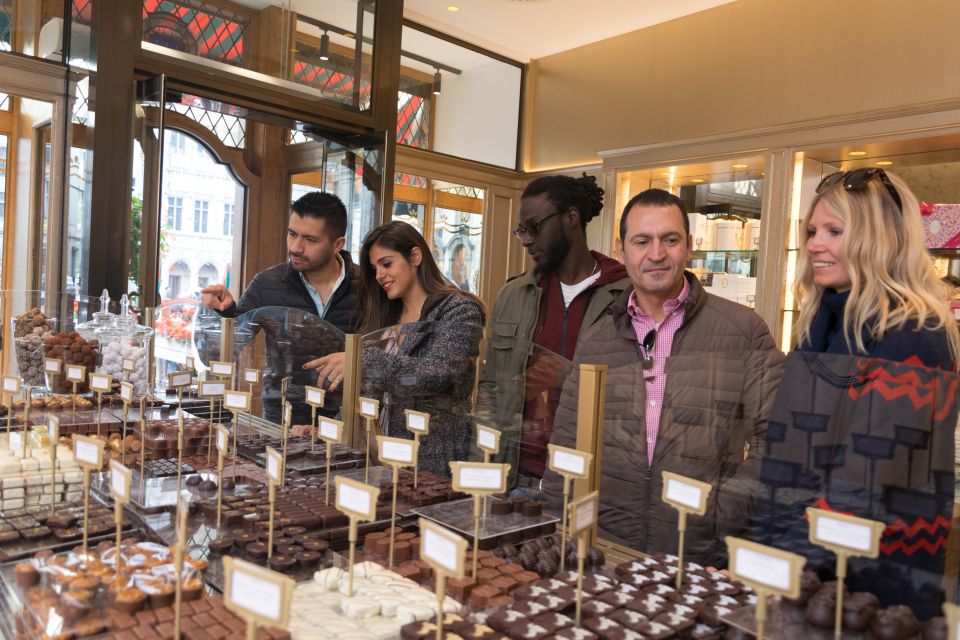
- Art Nouveau, beer, and chocolate themes help you understand what you’re looking at while you walk
- Guides like Emil and Boeykens were praised for clear storytelling and keeping energy up even in bad weather
Lower City Grounding: Grand Place to Manneken Pis
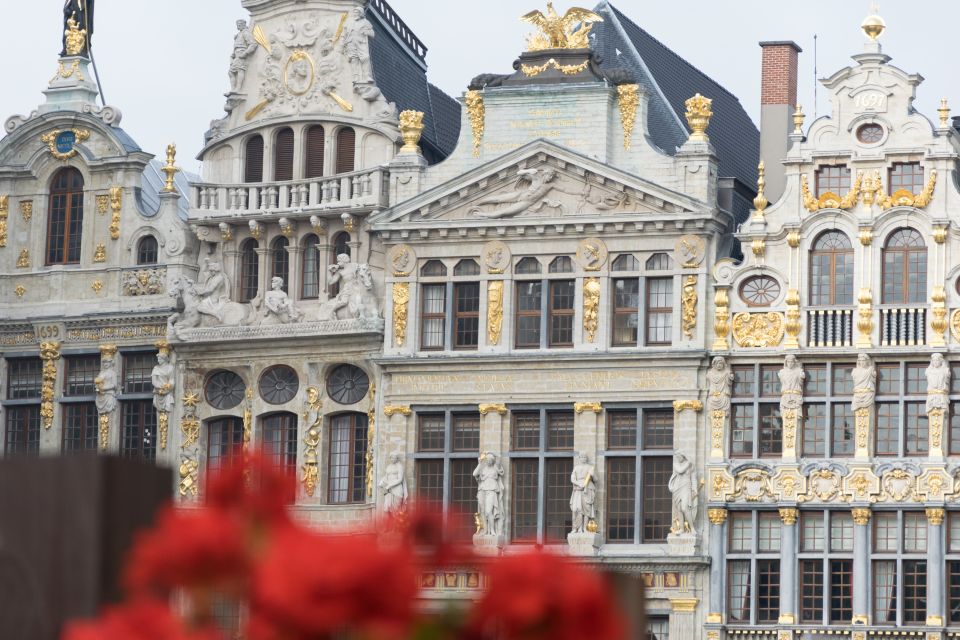
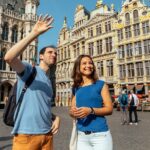
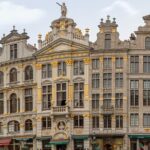
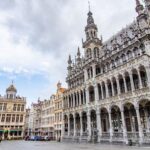
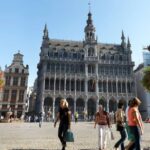
The Lower City portion starts right where Brussels feels most itself: the Grand Place, the central square. From there, the route is designed to get your bearings fast, then nudge you toward the next “this is Brussels” landmark.
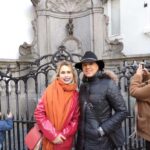
Next comes Manneken Pis, described here as the bronze landmark sculpture. Even if you’ve seen photos, it plays better in person when you’re on foot and already in the historic center’s flow.
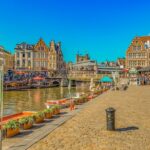
Then you head to Saint-Géry island, once the largest island in the Senne river. That’s a clever move for your brain: you’re walking through a city that’s always been shaped by place and water, not just buildings.
Practical tip: keep your camera ready, but also keep one hand free. This route moves between open squares and street-facing viewpoints where you’ll want to stop, look up, and keep going.
You can also read our reviews of more city tours in Brussels

The Squares That Give Brussels Its Personality
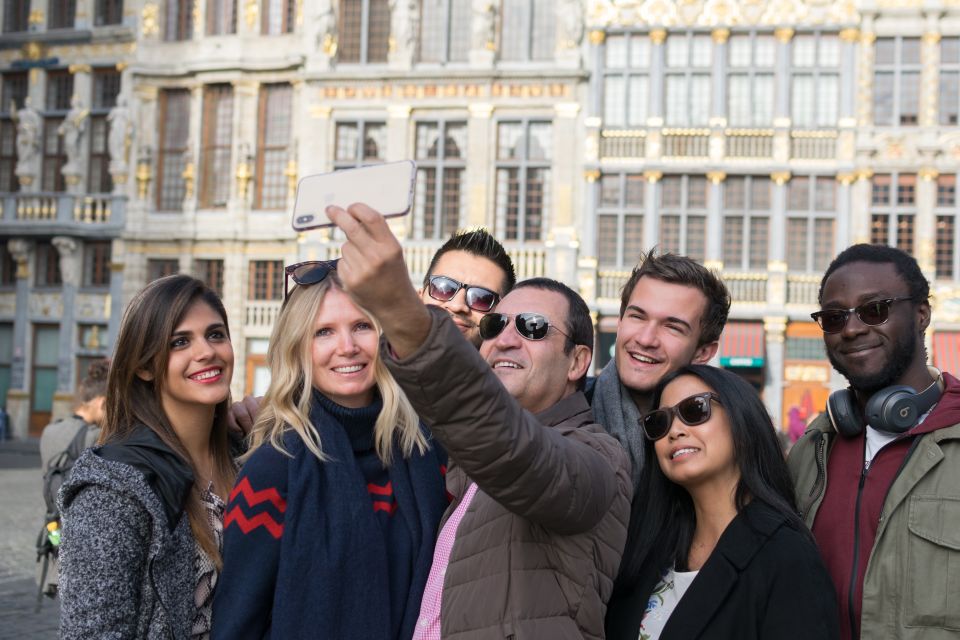
After Saint-Géry, you’ll pass St. Catherine Square, which is one of those places you can feel even before you fully understand it. Squares are where architecture gets to show off, and this tour uses them as visual checkpoints.
You’ll also go through De Brouckère and Monnaie squares. The payoff here is variety: these aren’t just stops for photos, they’re part of how the city’s cultural life and public spaces connect.
This is a good moment to think about what you want from the guide. If you’re the type who likes context, you’ll probably enjoy the way the tour explains origins and historic development as you move from one area to the next.
And if you’re more of a “show me what to notice” person, focus on how the guide points out details you might otherwise miss in quick street wandering.
Federal Opera House and Saint-Hubert Royal Galleries
The Lower City ends with a strong finish: the tour includes the spectacular federal opera house of Belgium, followed by Saint-Hubert Royal Galleries. That sequence works well because it shifts from monumental civic architecture to a more intimate, arcade-style experience.
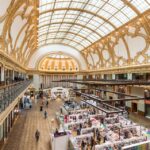
Saint-Hubert Royal Galleries are described as an ensemble of glazed shopping arcades, and that description matters. You’re not just walking past shops; you’re getting a covered, light-and-glass kind of atmosphere that feels different from the street.
This is also where the tour earns its “private” advantage. In a group tour, you often spend time trying to keep up. Here, you can pause longer when something catches your eye, then rejoin without losing the thread.
Small drawback to keep in mind: because it’s only 3 hours total, you’ll see a lot of exterior sights and viewpoints. If your dream is spending half a day inside one venue, plan that as an add-on.
Upper City Climb: Inside St. Michael and St. Gudula Cathedral
After the Lower City, you continue to the Upper City and start again around the Grand Place. This repeat starting point is smart because you compare the city in two layers: the flat, historic center first, then the uphill shift.
The big highlight here is the Cathedral of St. Michael and St. Gudula. You’ll admire the stained-glass windows from the inside, which is the kind of detail that changes your whole perception of a neighborhood.
If you love architecture or visual storytelling, this interior stop is your moment. It gives you a break from street-level movement while still keeping the tour moving in a logical sequence.
From the cathedral, you head toward Place des Palais, where you’ll find the royal park and palace. It’s a different tone from the squares below, and the contrast helps you feel the city’s range rather than just ticking off attractions.
Petit Sablon and Grand Sablon: A Refined Finish
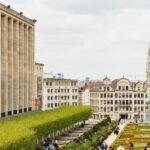
After Place des Palais, the route brings you to the Petit Sablon and the Grand Sablon. Even with limited time, these stops help you end on a more refined note.
You’ll also have a choice point built in: visit the Musical Instruments Museum or pass by the Magritte museum and the Palace of Fine Arts. That flexibility matters because it lets the guide steer your experience toward your interests.
Here’s how to think about it before you go: if you want a more museum-heavy experience, choose the Musical Instruments Museum option. If you prefer walking and looking more than sitting inside, opt for the Magritte and Palace of Fine Arts pass-by approach.
You can also read our reviews of more private tours in Brussels


Art Nouveau, Beer, and Chocolate: The Cultural Thread You’ll Remember
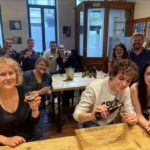
This tour isn’t just a list of famous spots. The guide is set up to teach you Brussels through its culture, including Art Nouveau, Belgian beers, and chocolate.
That’s valuable because these themes are not separate from the city—they’re part of why certain buildings, neighborhoods, and landmarks feel the way they do. When your guide ties the story together as you walk, you get a mental map, not just a photo roll.
One thing I really appreciate from the guide feedback: people praised the ability to match the city’s different time periods and keep the group engaged. In particular, Emil was noted for hitting a good mix of the city’s developments, and Boeykens was praised for staying friendly and keeping everyone in good spirits despite cold weather.
If you’re worried a walking tour will feel like “facts only,” this is the type where the guide’s energy helps carry the story—especially if the weather turns.
What’s Included in the Price (and What You Should Budget)
The tour is priced at $353 per group up to 20 for 3 hours, and it’s a private group with a professional guide. That pricing can be a strong value if you’re traveling with friends or family, because you’re effectively sharing the guide cost.
At a full group of 20, it works out to roughly $17.65 per person. If your group is smaller, the per-person number rises, but you still get the advantage of a route that’s set for your group size and pacing.
What’s not included: transport, museum tickets, and drinks and meals. Translation: you’ll be walking on the ground with the guide, and if you want museum entry, that’s on your budget. The good news is the tour gives you options, so you can decide how museum-heavy you want to be.
Pickup, Language Options, and Personalization That Helps
Pickup is included, and it’s possible from your Brussels hotel. That removes one of the biggest hassles on short tours: you don’t have to coordinate a meeting point and then lose time finding it.
The guide is a live multilingual professional, and the tour lists language coverage including Spanish, Dutch, English, French, German, Italian, Russian, and Portuguese. If you want your guide to explain details clearly (especially for stained glass and architecture), choosing a language you’re comfortable with makes a difference.
Also, the route can be arranged to suit your needs and preferences—more entertaining, more academic, or more professional. That flexibility is a practical win: the tour can match your vibe instead of forcing the same approach for everyone.
One more timing note: the tour is 3 hours, so plan to arrive ready to walk. If you’re combining this with other activities later, give yourself a little buffer so you’re not rushing.
Who This Upper and Lower City Tour Is Best For
This tour is ideal if you want Brussels “both ways”: the Lower City energy with its squares and historic center, plus the Upper City viewpoint feel and the cathedral interior.
You’ll likely enjoy it if:
- You like a guided narrative that helps you understand what you’re seeing
- You want a manageable day footprint (3 hours) without sacrificing core sights
- You’re traveling with a group and want private pacing
- You want cultural context around Art Nouveau, beer, and chocolate while walking
It may be less ideal if you’re the type who needs long museum time or wants to stay inside one venue for hours. This tour gives you smart coverage and context; it’s not a standalone museum marathon.
Should You Book This Brussels Private Tour?
I’d book it if you’re here for a short stay and you want a clean route through the main layers of Brussels. The mix of famous landmarks, the cathedral interior, and the culture themes makes it feel more like a guided understanding than a basic sightseeing loop.
Choose it confidently if you value good guide communication and pacing. The reviews tied to Emil and Boeykens are a good sign: people liked the story balance and the guide keeping the group upbeat when weather gets annoying.
If you’re the kind of traveler who wants lots of museum entry time, consider using this tour as your orientation and then add the specific museum you care about afterward.
Either way, for a private group at this price point, you’re paying for time with a guide, not just for a route—so it’s a strong move when you want your Brussels day to make sense.
FAQ
How long is the Brussels Private Tour of the Upper and Lower City?
The tour lasts 3 hours.
Where does the tour start?
It begins in the Lower City at the Grand Place, and then continues to the Upper City for the second half.
Is the tour private?
Yes, it’s a private group.
What does the price include?
It includes a professional guide, and pickup is possible from your Brussels hotel.
Are museum tickets included?
No. Museum tickets are not included, though you may have options to visit or pass by specific museums during the route.
What languages are available for the live guide?
The tour lists Spanish, Dutch, English, French, German, Italian, Russian, and Portuguese.
Is the tour wheelchair accessible?
The tour is described as wheelchair accessible.