REVIEW · BRUSSELS
THE MOST COMPLETE TOUR of BRUSSELS! + PDF tour guide
Book on GetYourGuide →Operated by AdvenToursBe · Bookable on GetYourGuide
Brussels in 2.5 hours, with story stops. I like how this tour bundles major landmarks with a PDF tour guide that helps you keep going after the walk. It is built for first-time orientation in the city without turning into a checklist-only sprint.
I also love the way the route flows through both famous sights and pop-culture moments, like the Tintin mural, while the guide (including named guides such as Estraf and Ariel) keeps the mood lively and answers questions. You even get a short window to enjoy the Church of Notre-Dame de Sablon interior.
One consideration: there are no toilets on the tour, and you only get a single stop to stock up on liquids, so plan smart—especially in summer heat. You should also be ready for a recommended contribution at the end.
In This Review
- Key highlights to look forward to
- Price and value: how this feels for your money
- Meeting point and how to start smoothly at Grand Place
- Stop-by-stop: what you’ll actually do and why each place matters
- Grand Place: setting your Brussels bearings fast
- Everard t’Serclaes Monument: learning how the city tells stories
- Tin Tin Mural: a quick hit of Belgium’s comic culture
- Manneken Pis: the famous symbol, with the meaning made clearer
- Church of Notre-Dame de Sablon: the one interior moment you should plan for
- Petit Sablon Park: a calmer pocket before you climb toward viewpoints
- Museum of Musical Instruments: culture with a different angle
- Mont des Arts and the Carillon Clock: photos plus viewpoint energy
- St. Michael and St. Gudula Cathedral: the grand finish-feel before the shopping arcade
- Galeries Royales Saint Hubert: ending where you can wander after the tour
- The guide experience: why people keep praising this walk
- What’s in the PDF, and how to use it right
- Practical logistics I’d plan around (so the day stays fun)
- Who should book this tour (and who should choose something else)
- Should you book this Brussels tour?
- FAQ
- How long is the Brussels walking tour?
- Where do I meet the guide?
- What languages are offered?
- What does the PDF include?
- Are there toilets during the tour?
- Is there an extra payment after the tour?
- Does the Church of Notre-Dame de Sablon entrance always apply?
Key highlights to look forward to
- A PDF that goes beyond sightseeing, with gastronomy, Belgian chocolate ideas, and nearby places to visit
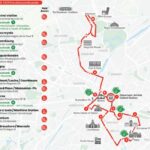
- A tight 2.5-hour route that hits Grand Place, Manneken Pis, Sablon, Mont des Arts, and the cathedral area
- Pop culture included, with the Tintin mural stop, not just old buildings
- Short interior time in Sablon, about 5–10 minutes for an interior visit during a break
- A practical pacing style, with photo stops and brief breaks built into the plan
- Heat planning matters, since you will be walking and only have one liquid stop
Price and value: how this feels for your money
This tour is listed at $3.39 per person for a 2.5-hour walking experience. That price is unusually low for a guided walk in a major European city, so the value mostly comes from getting a lot of key Brussels sights in one go and having the PDF waiting for you to use afterward.
There is one catch you should factor in early: at the end, there is a recommended contribution to the tour guide (10–25€). So your real total isn’t just the sticker price. Still, if you like learning how a city fits together and you want good “what should we do next” suggestions, you may find this format to be a solid deal.
You also get a live guide in Spanish and English, and that matters. A great guide can turn a quick stop at a monument into a story you remember, and the guide recommendations are a big part of why people rate this tour so highly.
You can also read our reviews of more guided tours in Brussels
Meeting point and how to start smoothly at Grand Place
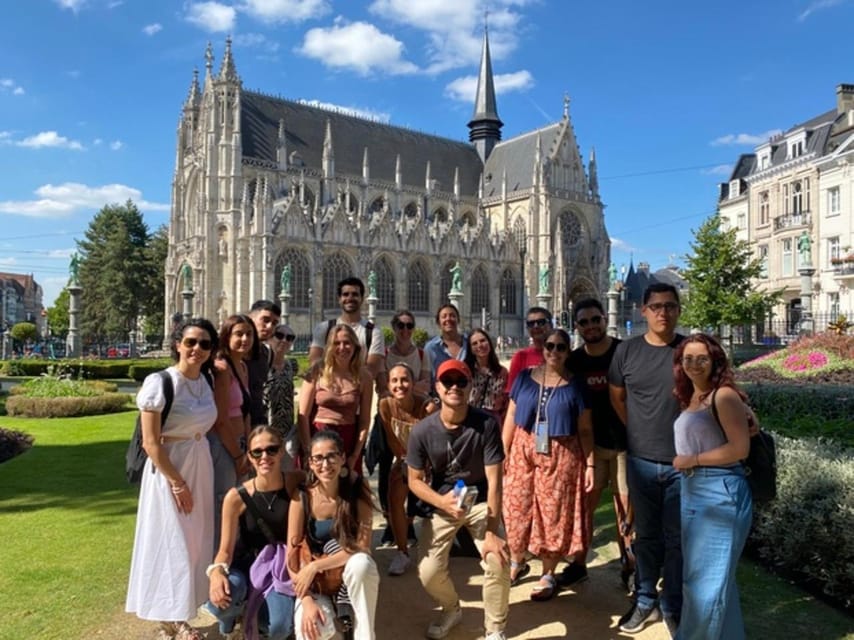
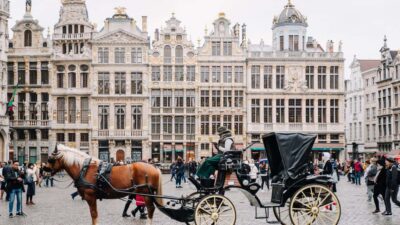
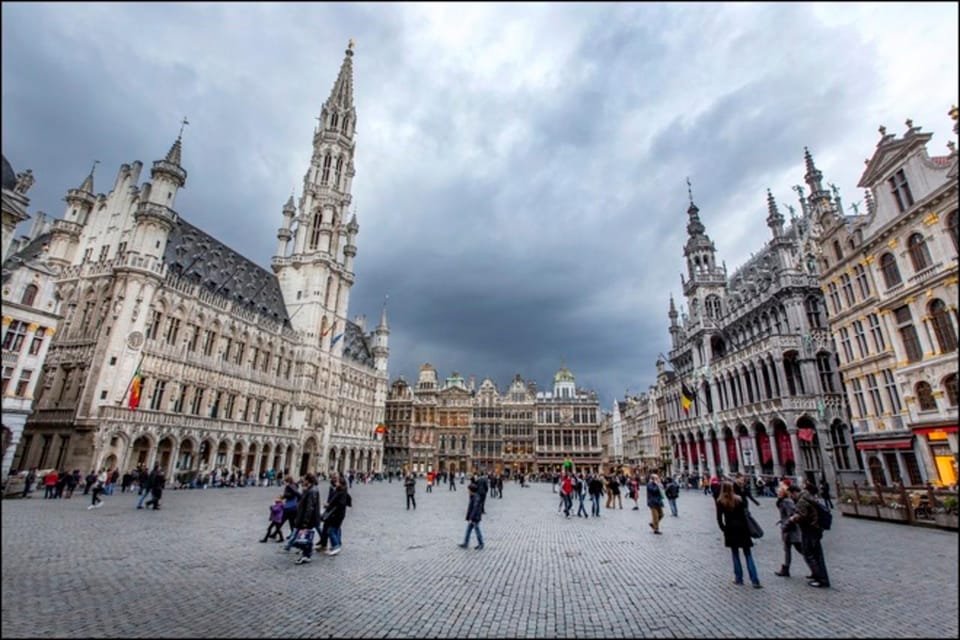
You meet at the door of the Hôtel de Ville on Grand Place, and the guide will be easy to spot with a red hat and the Spanish drape. That is helpful because Grand Place is a busy meeting spot, and you do not want to lose time hunting for someone.
The tour ends back at the meeting point area, so you are not stuck navigating your way back across town at the end of a walk. It also means you start with the city’s main center and finish in a central, walkable area.
Stop-by-stop: what you’ll actually do and why each place matters
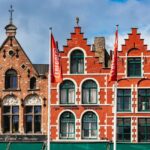
Grand Place: setting your Brussels bearings fast
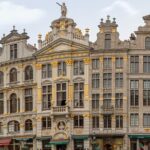
The tour begins right in the heart of the city at Grand Place. Starting here is a smart move because it gives you a landmark anchor. When you later move toward quieter neighborhoods, or toward viewpoints, you will have a better sense of where you are and how far you’ve traveled.
This is where the guide usually frames the city: the kind of history and culture you need so the next stops make sense. Even if you have seen photos of Brussels, having a person point out what to notice helps.
Everard t’Serclaes Monument: learning how the city tells stories
Next up is the Everard t’Serclaes Monument. On a route like this, monuments are not just photo targets. They often become a shortcut into local history and local identity—especially when your guide connects the statue to broader themes you will see around the center.
If you like understanding why people care about certain names and places, this stop gives that kind of context.


Tin Tin Mural: a quick hit of Belgium’s comic culture
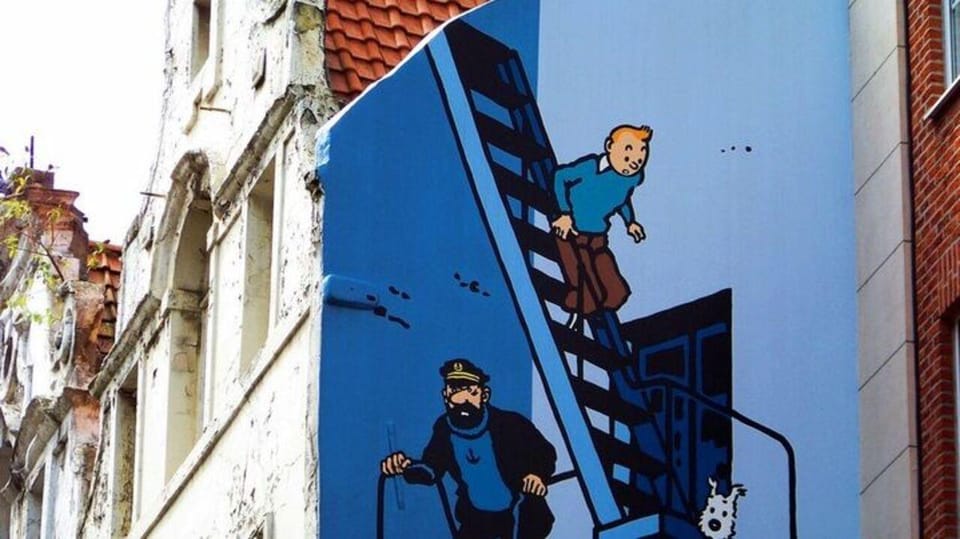
Then you’ll see the Tin Tin Mural. This is one of the stops that keeps the tour from feeling too serious. It is an easy way to add a pop-culture layer to your Brussels day, and it is especially good if you are traveling with kids or anyone who likes comics.
It also breaks up the walking rhythm. You get a clear “where is that famous thing?” moment, and then you move on.
Manneken Pis: the famous symbol, with the meaning made clearer
Of course, you reach Manneken Pis. You can treat it like a quick icon stop, but the value here is likely what your guide adds: background, curiosities, and how the city uses symbols in everyday life.
It is a classic Brussels stop for a reason. On this tour, it also works like a bridge from the pop-culture feel of Tin Tin to the older civic and religious landmarks that follow.
Church of Notre-Dame de Sablon: the one interior moment you should plan for
The Church of Notre-Dame de Sablon is a highlight on this route. You get a break time and about 5 minutes built in, plus the tour includes leaving you around 5–10 minutes for a free interior visit.
Important practical note: depending on the schedule, the entrance to this church may not apply to the 5:00 p.m. schedule. If you care about interior time, check your specific departure time when you book.
This stop also matters for logistics. The tour notes that there are no toilets on the tour, only one stop to stock up on liquids—so this is the moment you should treat as your practical reset.
Petit Sablon Park: a calmer pocket before you climb toward viewpoints
Next comes Petit Sablon Park. Even with a short walk, parks change the pace. This is the part of the tour that helps you stop feeling like you are only rushing from landmark to landmark.
If you want a moment to breathe, take photos, and then get ready for the Mont des Arts area, this is a good buffer.
Museum of Musical Instruments: culture with a different angle
You’ll visit the Museum of Musical Instruments in Brussels. On a walking tour, a museum stop adds variety. Instead of only seeing monuments and church facades, you get a themed indoor visit that connects directly to arts and everyday culture—music, sounds, and instrument history.
If your group includes people who do not always want another cathedral exterior, this museum can balance the day.
Mont des Arts and the Carillon Clock: photos plus viewpoint energy
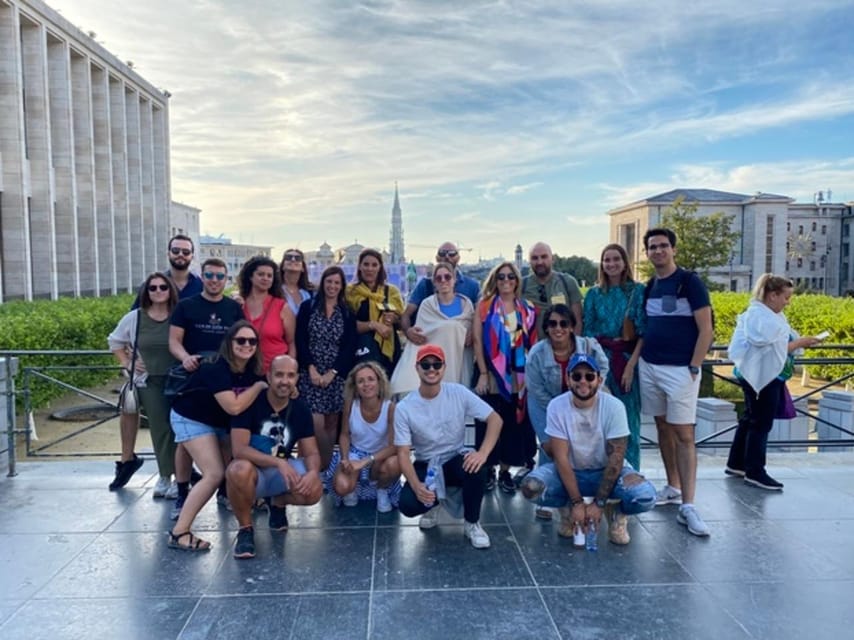
Then you reach Mont des Arts, with a photo stop and a brief visit. This area is perfect for photos because you get that “city overview” feeling people look for when they come to Brussels.
You also visit the Carillon Clock there. Even if you only catch it briefly, the inclusion is a clue that the guide is aiming for a mix of sights: not just religious and civic landmarks, but also the city’s design and daily sounds.
St. Michael and St. Gudula Cathedral: the grand finish-feel before the shopping arcade
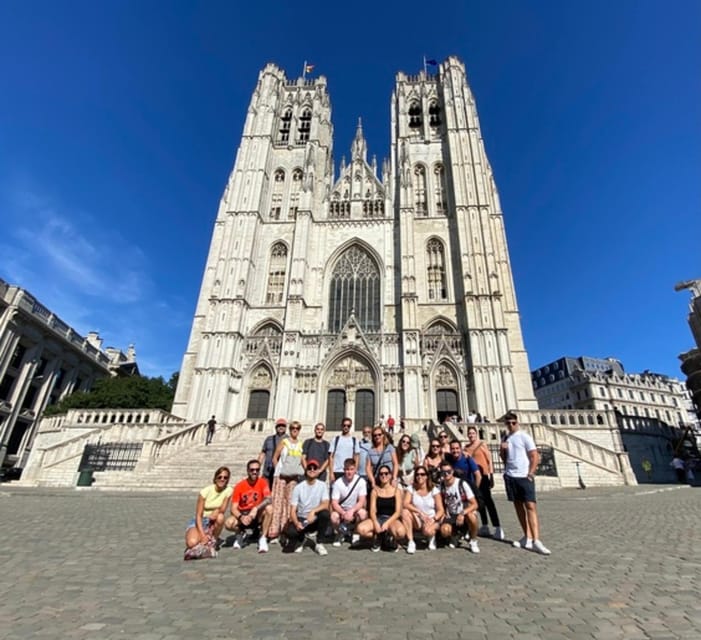
Next is St. Michael and St. Gudula Cathedral. This is another major spiritual and architectural stop on the route.
If you have been feeling the walk is a bit “dense,” this is where the tour gives you a big, structured landmark that feels like it belongs to a larger European tradition. It also sets you up nicely for the last part of the route.
Galeries Royales Saint Hubert: ending where you can wander after the tour
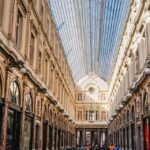
The tour finishes at the Galeries Royales Saint Hubert. Ending here is practical because it is an easy place to continue your day. Even if you do not plan a long stop, it is a comfortable end point: you are in a central area with lots of nearby options.
The guide experience: why people keep praising this walk
What stands out is the overall style: people repeatedly mention guides who are engaging, funny, and quick to answer questions. Named guides such as Estraf and Ariel are specifically praised for combining strong city knowledge with humor and helpful recommendations.
That matters because a walking tour can turn into two things: either a friendly walk with stories, or a rushed lecture you barely remember. Here, the feedback points to the first option—more conversation, more clarity, and less feeling like you missed something.
The tour also has “a few surprises,” which usually means the guide adds small moments of context or playful stops so the route stays interesting even on a hot day.
What’s in the PDF, and how to use it right
You receive a PDF tour guide with more information about Belgium and Brussels. It is not just a reprint of the route. It includes practical ideas you can use after you finish the walk, such as:
- Best gastronomic recommendations
- Best Belgian chocolate
- What else to see in Brussels
- Nearby cities to visit
The best way to use the PDF is simple: skim it the night before or right after the tour, then pick one food idea and one next stop. If you already know where you want to eat and what you want to do, the PDF becomes a shortcut.
If you are traveling with limited time, the PDF can also help you decide whether to stay in central Brussels or branch out.
Practical logistics I’d plan around (so the day stays fun)
This tour is built around walking and several short visits, so a few habits make a big difference:
- Bring water. The tour specifically recommends it, and Brussels can be very hot in summer.
- Plan for no toilets. There are no toilets on the tour, only one stop to stock up on liquids, tied to the Church of Notre-Dame de Sablon break.
- Wear shoes you can walk in. The route hits many areas around the center, including Mont des Arts and the cathedral zone.
- Expect brief moments, not long stays. There are photo stops and short visits, including around 5 minutes at Mont des Arts.
Also, you should know how payments work if your guide asks for the contribution: they accept Bizum, Payconiq, and cards, and cash is always accepted.
Who should book this tour (and who should choose something else)
This fits best if you want:
- A guided first look at Brussels’ main landmarks in about 2.5 hours
- A tour that mixes classic stops with a more playful one like Tin Tin
- Practical next-day help via a PDF with food and chocolate ideas
- A guide-led pacing style with humor and quick answers
You might want a different style of tour if you prefer long, slow museum time or you hate walking in heat. Because there are no toilets on the route and only short breaks, this is not the best choice if you need frequent restroom access or extended indoor time.
Should you book this Brussels tour?
Yes, if you want an efficient, guided way to get your bearings and learn what to do next. The big reasons to book are the combination of central landmarks, the short interior window at Notre-Dame de Sablon, and the PDF that helps with gastronomy and Belgian chocolate.
If you can handle a walking rhythm and you bring water, this is the kind of tour that makes your Brussels days feel easier. If you cannot handle heat or you need more bathroom access than one liquid stop, then consider another option.
FAQ
How long is the Brussels walking tour?
The duration is 2.5 hours.
Where do I meet the guide?
You meet your guide at the door of the Hôtel de Ville on Grand Place, and the guide will have a red hat and the Spanish drape.
What languages are offered?
The live tour guide is available in Spanish and English.
What does the PDF include?
The PDF includes information about Belgium and Brussels, plus best gastronomic recommendations, best Belgian chocolate, and other places to see, including nearby cities to visit.
Are there toilets during the tour?
No. There are no toilets on the tour, only one stop to stock up on liquids (the Church of Notre-Dame de Sablon).
Is there an extra payment after the tour?
Yes. At the end, you will have to make a contribution to the tour guide (10–25€).
Does the Church of Notre-Dame de Sablon entrance always apply?
The tour includes entrance to the Church of Notre-Dame de Sablon, but it notes it may not apply to the 5:00 p.m. schedule.