REVIEW · BRUSSELS
Brussels Politics Tour: Private & Personalized with a Local Guide
Book on Viator →Operated by City Unscripted · Bookable on Viator
Politics in Brussels feels personal.
This private 3-hour walk takes European power out of the abstract and drops it into real streets and everyday life. You’ll get a local host guiding you through how Brussels politics works, how the EU shapes neighborhoods and architecture, and where locals go to decompress between meetings.
I really like two things about this style of tour: personalized attention (there’s time to ask questions) and the chance to see parts of the city that don’t show up on the usual checklist. A possible drawback: since it’s primarily walking with no private vehicle, you’ll want to be comfortable on foot and budget a bit of thought for any public transport hops between stops.
If you want a Brussels tour that explains the EU without drowning you in jargon, this is the right kind of serious.
In This Review
- Key things to know before you go
- Why a Brussels Politics Walk Works Better Than a Checklist
- Meeting Point at Starbucks Grand Place and Getting Your Tailor-Made Route
- First Stop: Brussels as a Daily Intersection of EU Power and Local Identity
- Learning How the EU Parliament Works Without the Snore Factor
- Between Institutions: When a Park Becomes a Political Reset
- A 19th-Century Park That Links National Pride to European Unity
- Matongé: Congolese Culture, Colonial Legacy, and Everyday Brussels Energy
- Atomium and Mini-Europe: European Progress Made Physical
- Price and Value: What $137.24 Buys (and What It Doesn’t)
- Walking Logistics: Comfortable Shoes, Possible Transit, and No Private Vehicle
- What the Guides Bring: Laurence, Andrea, and Michael’s Different Strengths
- Who This Tour Suits Best (and Who Might Skip It)
- Should You Book This Brussels Politics Tour?
- FAQ
- How long is the Brussels Politics Tour?
- Is this a private tour?
- Is the tour in English?
- Where do we meet and where does the tour end?
- Do you offer hotel pickup?
- Is transportation included?
- Are food or drinks included?
- Are attraction tickets included?
- What if I have questions during the tour?
- Is it easy to participate if I’m traveling with mobility considerations or a service animal?
- Is there free cancellation?
Key things to know before you go
- Private for your party, so your pace and questions drive the day
- English guide with direct communication before and during the tour
- EU-focused stops plus neighborhood context, not just landmark photos
- Parks between institutions, where the city slows down for a minute
- Matongé in the mix, connecting Congolese culture and Brussels’ colonial legacy
- Atomium + Mini-Europe ties the whole idea of European unity to something you can actually see
Why a Brussels Politics Walk Works Better Than a Checklist
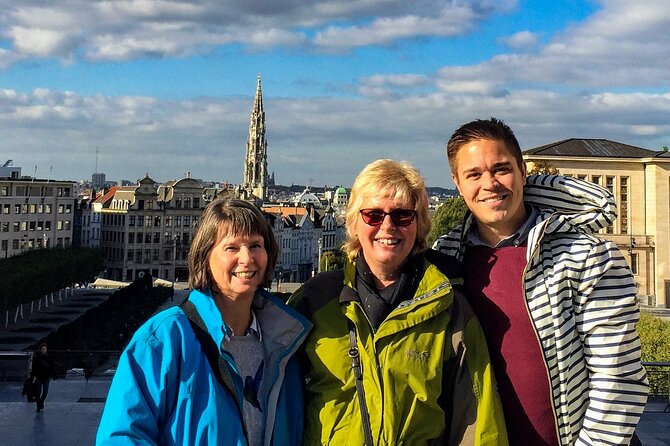
Brussels can feel split in two: the political headline zone and the normal city where people shop, wait for buses, and argue about politics over coffee. This tour is built to connect those worlds, so the EU presence makes sense on a human scale, not just on a government website.
I like that it treats politics as culture. That means you’re not only learning how institutions work; you’re also seeing how ideas travel into architecture, street life, and even the places where people relax.
Also, it’s private. That matters in Brussels, where “seeing the sights” can turn into “walking behind a crowd.” Here, your host can steer the day toward what you actually care about.
You can also read our reviews of more guided tours in Brussels
Meeting Point at Starbucks Grand Place and Getting Your Tailor-Made Route
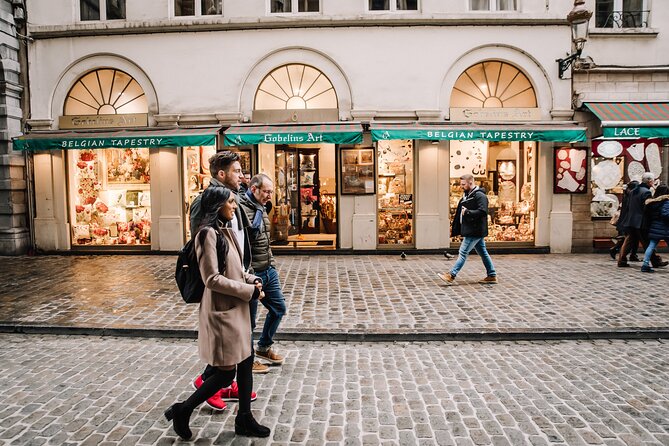
You start at Starbucks Grand Place 4 in central Brussels. It’s an easy landmark to find, and your day ends back there too, so you’re not left figuring out logistics after the tour.
From there, you’ll be met for a walking route. Pickup is offered from your selected hotel if it’s available; if not, you meet at a central option. You can also choose your preferred start time when booking, which helps if you’re juggling museum hours or dinner plans later.
One practical plus: before the tour, you fill out a questionnaire. That’s where your host learns whether you want more policy, more city texture, or more history, and they can shape the walking order to match.
First Stop: Brussels as a Daily Intersection of EU Power and Local Identity
The opening focus is the overlap—Brussels where European institutions exist next to local pride, neighborhoods, and daily routines. Your host frames what you’re about to see with clear explanations of the city’s “layer cake” of identity.
This is a smart way to start because it prevents the day from feeling like separate tourist stops. You’ll understand why one building matters, why a park choice fits the city’s rhythm, and why certain neighborhoods tell a larger story than their street names suggest.
If you’re the type who likes context before photos, you’ll appreciate this structure.
Learning How the EU Parliament Works Without the Snore Factor
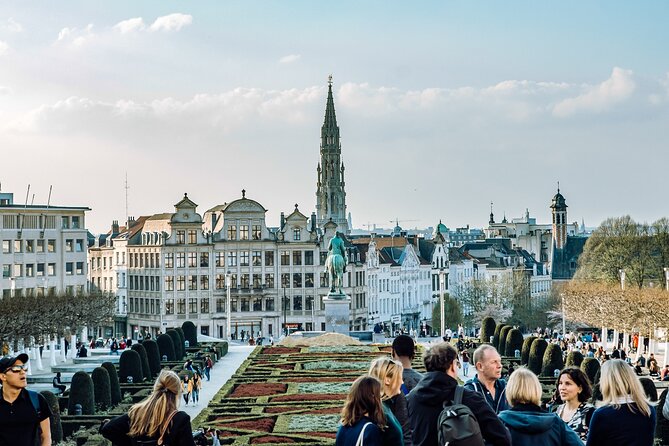
One stop centers on the heart of European politics: how the Parliament functions, who it represents, and why it matters to both EU governance and people living in Brussels.
This is where the tour earns its keep. Instead of reciting facts, the format gives you room to ask questions and follow the thread you care about most—how representation works, how decisions move, and what that means for daily life in a city hosting major institutions.
In particular, the guides have a reputation for making policy feel discussable rather than untouchable. If you end up with a host like Andrea, you’re likely to get answers that reach beyond the basics into how EU structures work, including issues connected to energy and international events.
Between Institutions: When a Park Becomes a Political Reset
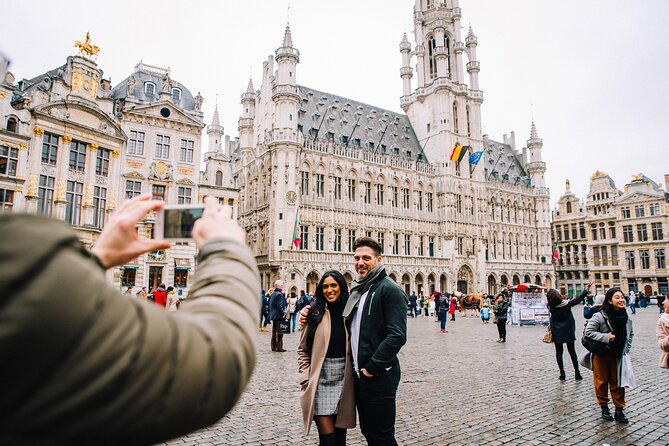
After the policy talk, you shift into calm. The tour includes a peaceful urban park tucked between EU buildings, a place where intensity gives way to greenery.
This kind of stop can be more than a break. It’s a reality check: politics is happening nearby, but the city’s mental soundtrack isn’t constant marching and speeches. Locals use these spaces like anyone else—slow down, sit, watch the day go by.
It also helps you understand Brussels’ physical design. You see how big institutions live side by side with everyday urban breathing spaces.
The only caution: if your idea of a tour is nonstop movement, plan for this to feel like a genuine pause. You’ll get more out of it if you let the quiet moments land.
You can also read our reviews of more private tours in Brussels


A 19th-Century Park That Links National Pride to European Unity
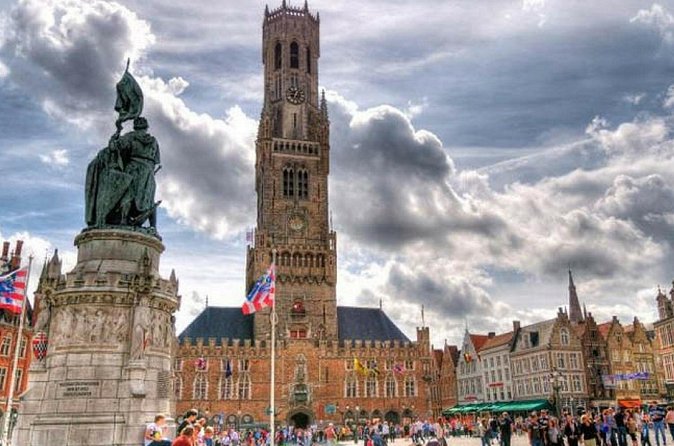
Next comes a larger, more formal 19th-century park experience—think majestic arches and carefully kept gardens—where your host connects the past to the present idea of European integration.
This stop matters because it changes how you interpret the EU later. Instead of treating “European unity” as a modern buzzword, you’ll see how the idea has been visually and politically reinforced through place-making and national symbolism.
It’s a useful reminder that the EU doesn’t appear from nowhere. It grows from older visions of cooperation and from the way societies express identity in stone, layout, and public spaces.
Matongé: Congolese Culture, Colonial Legacy, and Everyday Brussels Energy
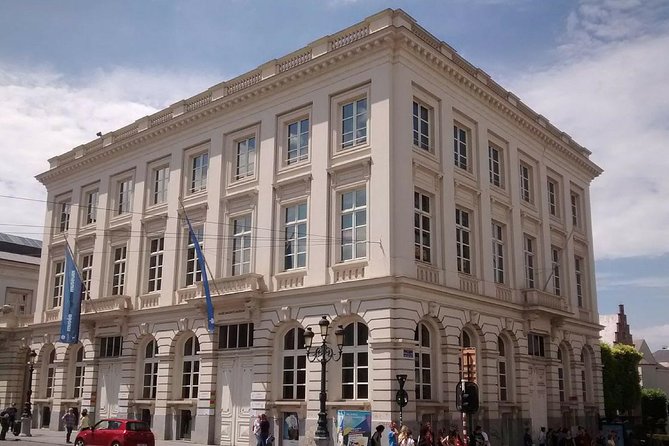
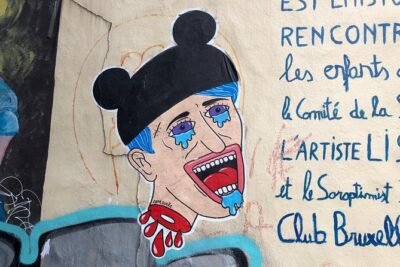
One of the most memorable stops is in Matongé, a lively Congolese neighborhood with color, energy, murals, and local shops and cafés. Your host explains how Matongé reflects both the colonial legacy and the multicultural life of modern Brussels.
This is the part of the tour that often feels the most human. It’s not an abstract lesson; it’s visible in street life. You’ll get a guided orientation to what you’re looking at—where to notice art and symbolism, how community shows up in commerce, and why this neighborhood is central to Brussels’ modern identity.
If you’re curious about Belgium’s bigger story but want it tied to real neighborhoods rather than lecture halls, this stop delivers.
Atomium and Mini-Europe: European Progress Made Physical
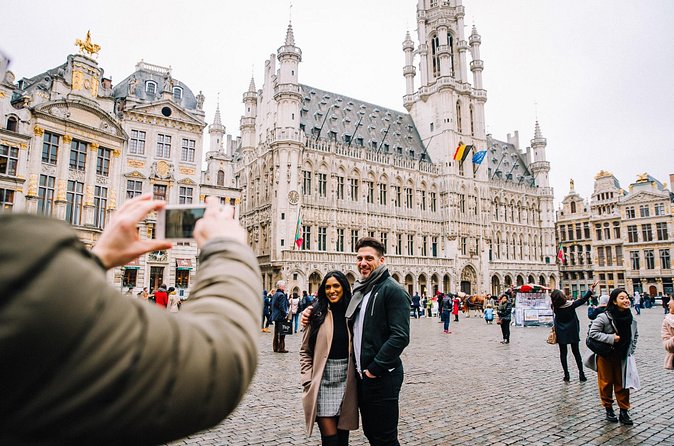
The grand finale is the Atomium, plus a visit to Mini-Europe nearby. Your host connects these attractions to the broader themes of Europe’s past, its unity, and a continuing vision of progress.
The Atomium is big enough to feel like a political statement even when you’re just looking at it from the outside. Mini-Europe adds scale and speed: it’s a way to compress the continent’s idea into a walkable format, which fits the tour’s larger message about how Europe is always present in Brussels.
This ending works well because you’ve spent hours understanding institutions and local context. Then you get the fun, visual payoff that makes the whole day click.
Price and Value: What $137.24 Buys (and What It Doesn’t)
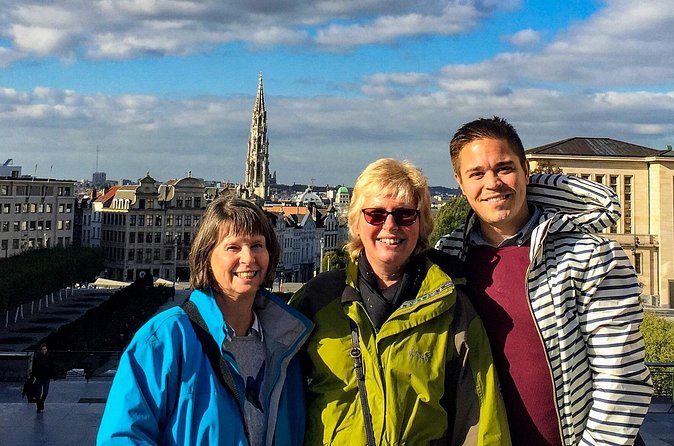
At about $137.24 per person for an approximately 3-hour private walking experience, you’re paying for three things: a local host, flexible pacing, and a tour that isn’t limited to standard sightseeing.
It’s not the cheapest option if you’re comparing against group bus tours. But you’re not just buying entry points—you’re buying guided interpretation and room for questions. The tour also includes a pre-tour questionnaire and direct communication with your host, which is often where the biggest value shows up.
What’s not included matters too:
- Food and drinks
- Tickets to attractions
- Transportation costs
That means you’ll want a plan for lunch or snacks if you’re hungry. You might also want to budget separately if any stop requires ticketed admission.
Overall, the value is strongest if you want the EU explained in plain language and you care about how politics shows up in real neighborhoods.
Walking Logistics: Comfortable Shoes, Possible Transit, and No Private Vehicle
This is primarily a walking tour, with no private vehicle included. That’s great for seeing street-level life, but it changes how you should prepare.
You’ll want comfortable shoes and a realistic expectation of some time on foot. For longer distances or gaps between sites, your host may suggest using public transport, and any transport costs can be discussed and settled on the day.
The good news: you’ll be near public transportation throughout, so it’s not like you’re stuck with only one option. Service animals are allowed, and the experience states that most travelers can participate.
What the Guides Bring: Laurence, Andrea, and Michael’s Different Strengths
The quality of a politics tour depends heavily on the person running it, and this one has a strong track record across multiple guides.
- Laurence is noted for covering history, politics, and culture while still finding time for a casual Belgian coffee or hot chocolate break. If you want lively storytelling with flexibility, Laurence seems like a standout.
- Andrea is praised for an impressive breadth of EU policy knowledge and for enabling in-depth questions, including complex topics like administrative structures and energy issues tied to the Russia-Ukraine context.
- Michael is described as flexible and thoughtful, with engaging perspective across a wide range of topics—especially if you prefer real discussion over a scripted guidebook tone.
If you’re the type who learns best by asking why and how, this format is built for you.
Who This Tour Suits Best (and Who Might Skip It)
This tour fits well if you:
- Want EU politics explained without turning the day into a seminar
- Like connecting institutions to neighborhoods and culture
- Prefer private pacing and direct Q&A
- Want fewer “look, photo, next” moments and more understanding
You might skip it if you:
- Want a tour that’s mostly outdoor sights with minimal talking
- Are expecting all attractions and meals to be included
- Don’t do well with walking-based days
It’s a good fit for couples, solo travelers who want a conversation, and anyone with a clear curiosity about Europe’s political role in Brussels.
Should You Book This Brussels Politics Tour?
Book it if you want Brussels politics to make sense in your head and on your feet. The strongest reason is the combination of institutional explanations and neighborhood context, plus the private, question-friendly format.
I’d especially recommend it if you’re staying for only a short time and you want a tour that gives you a framework for everything you’ll see after. Walk out of it understanding why the EU feels like part of the city, not just a visitor attraction.
If you’re more interested in pure architecture sightseeing with no interest in policy, you might find the tone more serious than you planned. But for most travelers who are curious about how Europe works, this is a practical, high-value way to learn.
FAQ
How long is the Brussels Politics Tour?
It lasts about 3 hours.
Is this a private tour?
Yes. It’s private for your group only.
Is the tour in English?
The experience is offered in English.
Where do we meet and where does the tour end?
You meet at Starbucks Grand Place 4, 1000 Bruxelles, Belgium. The tour ends back at the meeting point.
Do you offer hotel pickup?
Pickup is offered from your selected hotel for the walking tour. If your hotel isn’t an option, you can choose the central landmark meeting point instead.
Is transportation included?
No. It’s primarily a walking experience, and public transport may be used for longer transfers at an additional cost settled on the day.
Are food or drinks included?
No, food and drinks are not included.
Are attraction tickets included?
No. Tickets to any attractions are not included.
What if I have questions during the tour?
The tour is designed to allow plenty of time to ask questions, and you can communicate with your host for itinerary planning and recommendations.
Is it easy to participate if I’m traveling with mobility considerations or a service animal?
Service animals are allowed, and it states that most travelers can participate. It’s near public transportation, but it is still primarily a walking tour.
Is there free cancellation?
Yes. You can cancel up to 24 hours in advance for a full refund.