REVIEW · BRUSSELS
Brussels: Private Historical Highlights Walking Tour
Book on GetYourGuide →Operated by Legends Experiences · Bookable on GetYourGuide
Brussels surprises you at every corner, especially on foot. This private historical highlights walk strings together the city’s most photogenic sites with the stories that make them click. I especially love how the route starts at Grand Place and then moves into the smaller, more surprising details like Manneken Pis, with clear guide explanations; the tour also squeezes in major architectural stops without dragging. One thing to keep in mind: it’s rain or shine, so comfy shoes matter more than usual.
I like that this is private and customizable, so your guide can slow down for questions and interest. You also get a real sense of Brussels as a working city, not just a postcard: you’ll pass lively streets like Anspach boulevard and take in places such as Galeries Royales Saint-Hubert and the cathedral area. The only possible drawback is that food and drinks aren’t included, so you’ll want a plan for when hunger hits.
If you like history with a light touch, crisp orientation, and walking that stays manageable at about 150 minutes, this is a strong way to learn Brussels fast.
In This Review
- Key highlights worth clocking
- Getting oriented fast: what makes this walk so useful
- Meet at Grand Place 8: the easiest way to start strong
- Grand Place: the buildings you’ll want to remember later
- Manneken Pis: beyond the quick photo
- Saint Nicholas Church: where the architecture gets more human
- La Monnaie De Munt: art and the city’s public face
- Saint-Hubert Royal Galleries: a quick indoor break that feels like a time capsule
- Saint-Géry Island: small streets, bigger context
- Cathedral of St. Michael and St. Gudula: the big moment for the skyline
- Brussels Park and Royal Square: moving from landmark to viewpoint
- Finish at Mont des Arts: your payoff at the end
- Price and value: what $206 per group up to 2 gets you
- Guide-led storytelling: why the tour feels coherent
- Practical tips so the walk feels easy, not annoying
- Who this private Brussels highlights tour suits best
- Should you book this Brussels private tour?
- FAQ
- FAQ
- Where does the tour start?
- How long is the Brussels walking tour?
- Is this a private tour or a group tour?
- What languages are offered?
- Is food or drinks included?
- Does the tour run in bad weather?
- What should I bring?
- Is the tour wheelchair accessible?
- Is there a cancellation option?
- How much does it cost?
Key highlights worth clocking
- Grand Place starting point at the city hall, with an easy meet-up in front of the main square
- Manneken Pis storytelling that explains why the tiny statue matters so much
- Royal and church stops that show how Brussels mixes religion, power, and everyday life
- Saint-Hubert Royal Galleries and the indoor-feeling pause in a walking itinerary
- Cathedral views and finishing at Mont des Arts for a strong end to your route
- Guides named Dan/Daniel and Sebastien noted for making the buildings and details make sense
Getting oriented fast: what makes this walk so useful
Brussels can feel a little spread out if you only rely on buses and maps. This private walk solves that problem by chaining together landmark clusters you can actually cover on foot—then pairing them with stories that give you a framework you’ll remember later.
You’ll spend about 150 minutes moving through the core historic center, with guided stops timed to keep momentum. That structure is ideal if you want meaningful sightseeing without turning your day into a long, heavy slog.
The private setup is also a practical plus. Your guide can answer the questions you actually ask—why a building looks the way it does, how a street connects to the next place, and what to notice as you look around.
You can also read our reviews of more walking tours in Brussels

Meet at Grand Place 8: the easiest way to start strong
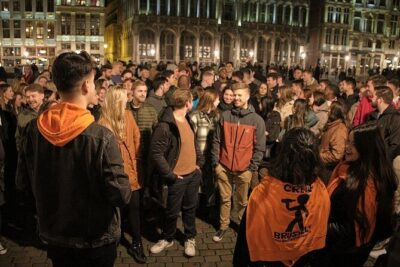
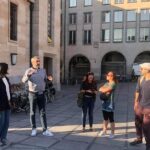
Your tour begins at Grand Place 8, in front of the city hall on the main square. Look for the red umbrella—it’s a simple way to identify your guide quickly, even if you arrive a few minutes early and don’t yet know the group.
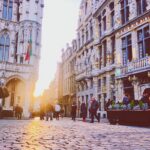
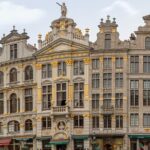
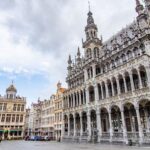
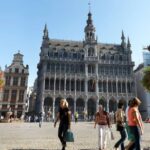
Grand Place works as a first stop because it sets the tone for the whole city. You’re looking at ornate façades and a tight concentration of architectural styles, which makes the rest of the walk feel like a logical continuation rather than random wandering.
If you’re the kind of traveler who likes to understand what you’re seeing before you drift into side streets, this start is a smart move. It gives you a big reference point before the tour gets more specific.
Grand Place: the buildings you’ll want to remember later
During your time here, you’ll get guided context for what you’re seeing in the square itself. The key value is not just photos—it’s learning how to read the façades so the details stop looking like decoration and start looking like history and civic identity.
A good guide explanation at this moment helps you connect later stops, because Brussels’ landmarks speak to each other. When you understand why the square matters, you’ll notice more meaning in the streets that radiate out from it.
The stop is short—about 15 minutes—but that’s enough to get your bearings. Then the tour shifts into story mode.
Manneken Pis: beyond the quick photo
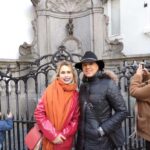
No Brussels walk is complete without Manneken Pis, and the guide time you get here is just long enough to make it more than a checkbox. You’ll get the iconic tale and learn how this famous little statue fits into Brussels’ identity.
This is one of the stops where a skilled guide can really change your experience. If you only read captions, the legend can feel like trivia. With a good narration, it becomes a window into humor, tradition, and local culture.
You’ll spend about 10 minutes at Manneken Pis. Plan to look up from the statue too—small details in the surrounding area and the way people move through the spot tell you how the city uses its landmarks.
Saint Nicholas Church: where the architecture gets more human
Next up is Saint Nicholas Church, Brussels, with about 10 minutes of guided time. Churches in big city centers often feel distant, like you’re only passing by them. This stop helps you slow down and notice shapes, materials, and the vibe that comes from being in an active historic place.
Even if you’re not a deep architecture person, this kind of stop is useful because it broadens the tour beyond civic squares and famous street corners. It adds a different layer of Brussels life.
Give yourself time to look at the church façade and the approach around it. In a short visit, your guide’s pointing out a few key elements is what makes the stop stick.
You can also read our reviews of more private tours in Brussels


La Monnaie De Munt: art and the city’s public face
From the church, you move to La Monnaie De Munt, with about 15 minutes guided. The name alone hints at the mix of culture and public significance that Brussels is known for.
This is a “pause and notice” stop. The value isn’t just the building in front of you—it’s what the guide helps you understand about why such places sit where they do and how they contribute to the city’s identity.
If you’ve got a soft spot for theater, opera, or the idea of culture shaping a city, this segment is a nice match. You’ll leave with a better sense of Brussels as a place that performs, not just a place that poses.
Saint-Hubert Royal Galleries: a quick indoor break that feels like a time capsule
Then comes Saint-Hubert Royal Galleries (the guide calls it Saint-Hubert Royal Galleries), with about 10 minutes. For many people, this is the moment that feels like a miniature world inside the city—covered, elegant, and great for catching your breath.
This stop also helps you understand how the city’s shopping and social life developed around beautiful architecture. It’s the kind of place where you notice details in the ceiling and the storefront rhythm faster because you’re sheltered from street chaos.
If it’s raining, the galleries become even more practical. You still get the “walk tour” experience, but with a natural break from the weather.
Saint-Géry Island: small streets, bigger context
The route continues to Saint-Géry Island for about 10 minutes. This is one of those stops that adds variety: less about the single famous monument, more about the feeling of the area and the way streets and landmarks connect.
On foot, these in-between areas matter. They help you understand how the city flows between major points—so you can later navigate on your own with confidence.
In a short time, the guide’s role is to give you the map in your head: what you should remember, what to notice, and how the vibe changes as you cross into the next district.
Cathedral of St. Michael and St. Gudula: the big moment for the skyline
One of the tour’s anchor stops is the Cathedral of St. Michael and St. Gudula, with about 15 minutes guided. This is where you’ll likely feel the scale of Brussels more clearly than in the squares.
A cathedral stop gives you a different type of historical context: how power, belief, and community are expressed in architecture over time. Even if you only spend a short time inside or around the structure (depending on timing and access), your guide can help you focus on what matters most visually.
Look for the visual cues the guide highlights—angles, façade structure, and the way the cathedral frames the surrounding streets. This is a stop that rewards paying attention.
Brussels Park and Royal Square: moving from landmark to viewpoint
After the cathedral, you’ll get Brussels Park for about 15 minutes. Parks can feel like filler on some tours, but here they act as a reset. You’re shifting from heavy architecture to an open-air space where your eyes can rest—then you’re ready for the next major landmark.
Then comes Royal Square with about 15 minutes guided. Royal Square is important because it links the city’s civic style to its grander spaces, giving you that “Brussels is composed” feeling—order, planning, and visual drama.
This part of the walk is also where the tour becomes more scenic, especially if the sky clears. Even on a gray day, the open areas help you absorb the city’s layout.
Finish at Mont des Arts: your payoff at the end
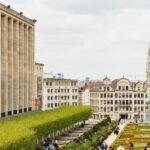
The tour finishes at Mont des Arts. This ending choice makes sense: it gives you a final elevated perspective and a sense of closure. You end with a location that naturally encourages looking around, taking pictures, and mentally placing what you learned during the walk.
Think of Mont des Arts as the visual bookmark of the tour. You’ve moved through squares, a famous statue, churches, galleries, and the cathedral area—then you close at a place that helps you see how it all relates.
If you’ve been taking photos, this is also where you’ll likely take a second look and realize your pictures make more sense now because you know the story behind what you saw.
Price and value: what $206 per group up to 2 gets you
At $206 per group up to 2 for about 150 minutes, you’re paying for private attention and an efficient route design. In real terms, you’re buying time with a local guide who can tailor your pace and explain what you’re looking at, instead of relying on apps and random reading.
For two people, the price often works out well if you’re visiting for a short stay or you like structure. The value is highest when you ask questions—because the guide can respond on the spot, not after the fact.
The only clear “cost” on the experience is that food and drinks aren’t included. That doesn’t make the tour bad value, but it does mean you should plan a nearby snack or meal after you finish at Mont des Arts.
Guide-led storytelling: why the tour feels coherent
A standout element is how the route feels connected rather than like a list of stops. That comes down to narration—especially in places like Manneken Pis and Grand Place, where the guide’s job is to turn visuals into meaning.
This tour is run by Legends Experiences with a local private guide. In previous groups, guides including Dan/Daniel and Sebastien have been highlighted for making the buildings and stories add up, even when the weather is miserable.
You’ll notice the difference when you’re standing in front of a façade and suddenly know what to look for. That’s the kind of payoff you feel right away, and it’s the thing most people remember after a walking tour.
Practical tips so the walk feels easy, not annoying
This is a walking tour, so your comfort affects everything. Here are the only practical things you should plan for:
- Bring comfortable shoes. Cobblestones and city sidewalks add up over 150 minutes.
- Expect rain or shine. If it’s wet, dress for it and plan to enjoy covered stops like the Royal Galleries.
- Be ready to walk between landmark clusters without bus rides. That’s part of the efficiency.
If you’re traveling with kids, the “private” format can help you pace. If you’re an older traveler or someone who prefers slower movement, the guide can likely adjust the tempo since it’s private. Just keep in mind the core structure is still a walking route.
Who this private Brussels highlights tour suits best
This tour is a good fit if you want:
- A high-impact orientation to central Brussels in a short window
- A guide-led way to understand landmarks plus their stories
- A manageable itinerary that doesn’t require complicated planning
It’s especially suitable for first-time visitors, couples, and anyone who likes architecture, legends, and the “why” behind what’s famous.
If you already know Brussels well and you’re hunting for very offbeat neighborhoods far from the center, this may feel focused on the classics. But if you want the classics explained well, it’s hard to beat.
Should you book this Brussels private tour?
Book it if you want a coherent, story-driven overview of Brussels in about 2.5 hours, with private guide attention and a route that takes you from Grand Place to Mont des Arts without wasted time.
Skip it only if you’re hoping for a long food-and-drink experience or a very slow, unstructured day. This is built for history highlights, guided explanations, and walking that stays efficient.
FAQ
FAQ
Where does the tour start?
The tour starts in front of the city hall on Grand Place (Grand Place 8). Look out for the red umbrella.
How long is the Brussels walking tour?
It lasts 150 minutes.
Is this a private tour or a group tour?
It’s a private group and is described as private and customizable.
What languages are offered?
The live guide is available in English, French, and Dutch.
Is food or drinks included?
No. Food and drinks are not included.
Does the tour run in bad weather?
Yes. The tour takes place rain or shine.
What should I bring?
Bring comfortable shoes, since it’s a walking tour.
Is the tour wheelchair accessible?
Yes, it is listed as wheelchair accessible.
Is there a cancellation option?
Yes. It offers free cancellation up to 24 hours in advance for a full refund.
How much does it cost?
The price is $206 per group up to 2.