REVIEW · BRUSSELS
Private World War I Battlefield Tour from Brussels to Flanders
Book on Viator →Operated by Tour Up in Europe · Bookable on Viator
WWI hits different when you walk the ground. This private Brussels-to-Flanders tour strings together the biggest World War I sites with real time for questions, walking, and quiet moments. I like that you get major memorial stops plus museum context in one day, so it does not feel like you are just collecting locations.
I also like the practical flow: hotel pick-up in Brussels, private vehicle with WiFi and bottled water, then a sequence of cemeteries and battlefield museums that build meaning as the day goes on. One thing to keep in mind is that lunch is not included, and the schedule is tight enough that you’ll want to plan how you’ll handle food and breaks.
In This Review
- Key highlights worth knowing
- Why this Brussels to Flanders route feels so focused
- Hotel pick-up and the pace of the day
- Brussels to Flanders: how your guide sets the tone
- Vladslo German War Cemetery and Käthe Kollwitz
- Diksmuide and the Brooding Soldier (Canada’s footprint)
- Flanders Fields Museum: turning sites into meaning
- Passchendaele Museum and the battlefield itself
- Tyne Cot Cemetery: the scale that hits
- Essex Farm Cemetery and the In Flanders Fields connection
- Ypres (Ieper) in the evening and the Menin Gate Last Post option
- Price and what you’re really paying for
- Who this private WWI day suits best
- Should you book this tour?
- FAQ
- How long is the private World War I battlefield tour?
- What time does the pick-up start in Brussels?
- Is this tour private for my group only?
- What sites and memorials are included?
- Are admission tickets included?
- Is lunch included?
- Is the tour language English?
- What amenities are provided on the trip?
- Can I cancel for a full refund?
Key highlights worth knowing
- Two day plans: standard return around 6 PM, or a later option to catch the Menin Gate Last Post in Ypres
- Vladslo German War Cemetery: time at the Grieving Parents sculpture by Käthe Kollwitz
- Diksmuide stop: the Brooding Soldier monument tied to Canadian soldiers
- Museums included: Flanders Fields Museum and the Passchendaele Museum with site entry
- Tyne Cot and Essex Farm: Commonwealth cemetery scale plus the Essex Farm link to In Flanders Fields
- Private transport, mobile tickets: you don’t have to coordinate trains or tickets across sites
Why this Brussels to Flanders route feels so focused
A World War I day in Belgium can turn into a blur fast. This tour is built like a guided storyline: you start with the major remembrance places, then you add museum context, and you end in Ypres with the Menin Gate ceremony option. That pacing matters. You leave not only knowing where events happened, but understanding how Belgium and the Commonwealth remember them today.
You’re also getting it as a private experience, so you’re not squeezed into a bus full of strangers trying to hear over traffic noise. The route is long, but your guide can help you manage the day with clear timing and smooth transitions between locations.
You can also read our reviews of more private tours in Brussels

Hotel pick-up and the pace of the day
The tour begins with hotel pick-up in Brussels. That alone saves you from planning public transport, finding lockers, and figuring out who’s in your group. The day runs about 13 hours, with either an early return around 6 PM or a later return around 9 PM depending on whether you choose the Last Post plan.
The key practical point: you will be walking and standing for memorial time plus museum time. The schedule is packed enough that you’ll feel it in your legs, especially if you’re sensitive to long days. Comfortable shoes are not optional here.
On board, you get WiFi and bottled water. It sounds basic, but it helps on a long route—so you can quickly check directions, confirm your mobile ticket, and keep energy up between stops.
Brussels to Flanders: how your guide sets the tone
Before you even reach the battlefields, you’ll likely get an orientation that frames what you’re about to see. I like this kind of start because cemeteries and museums can feel overwhelming if you arrive cold. When someone explains what you’re looking for, you notice details you’d otherwise miss—names, layout, symbols, and the way different nations remember.
Also, this route gives you time for both reflection and factual learning. That balance is the heart of a good WWI experience, because the sites are emotional but they are also specific and structured.
Vladslo German War Cemetery and Käthe Kollwitz
Vladslo is one of those places that leaves a quiet mark. You’ll spend about 1 hour 30 minutes here, including time to reflect at the Grieving Parents sculpture by Käthe Kollwitz. It’s not just art sitting in a cemetery. It’s grief turned into form, and it makes the scale of loss feel personal.
You’ll also see the German war cemetery setting, which adds an important perspective for a Commonwealth-focused itinerary. A lot of WWI tours focus only on one side. This stop reminds you that the cost of war was not one-sided, even when the story you hear later is different.
The main practical tip: go slow at Vladslo. If you rush, you miss what makes it powerful. Take a moment at the sculpture, then walk the grounds at your own pace.
Diksmuide and the Brooding Soldier (Canada’s footprint)
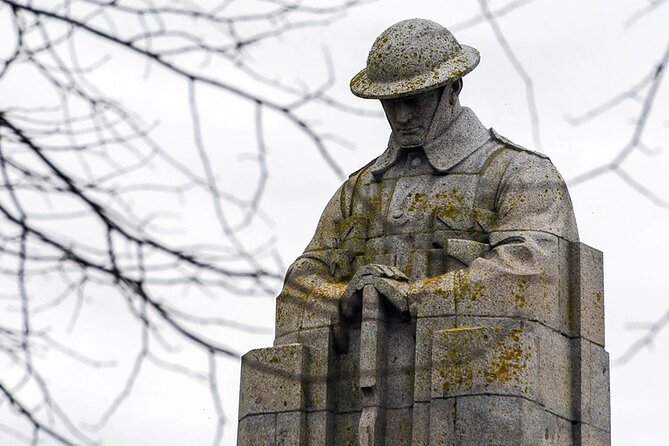
In Diksmuide, you’ll visit the Brooding Soldier monument and then get free time. The monument specifically honors Canadian soldiers, which helps connect the larger battlefield story to the people from the other side of the Atlantic.
This is a smart placement in the itinerary. By the time you reach Diksmuide, you’ve already been through a major cemetery, so the monument lands differently. It’s not just names on stone now—it’s a figure meant to represent lingering aftermath.
You’ll have about 2 hours total for this area, including roughly 12:30 PM free time. That’s your window for lunch planning and personal exploration. Since lunch is not included, I’d treat this time as your main meal moment.


Flanders Fields Museum: turning sites into meaning
After Diksmuide, you’ll head to the Flanders Field Museum for about 1 hour 30 minutes. The museum focuses on World War I’s impact, and that word impact matters. You’re not only learning what happened; you’re learning what it did to Belgium and to the people who lived through the war years.
This is the kind of stop that can help you make sense of everything you’ve seen up to that point. Cemeteries show loss; museums explain why the loss mattered and how the region remembers it. If you take one museum stop seriously, make it this one.
Practical note: museums can be crowded at peak hours, so having a guided plan for timing helps. You’ll be there long enough to read key displays without feeling trapped.
Passchendaele Museum and the battlefield itself
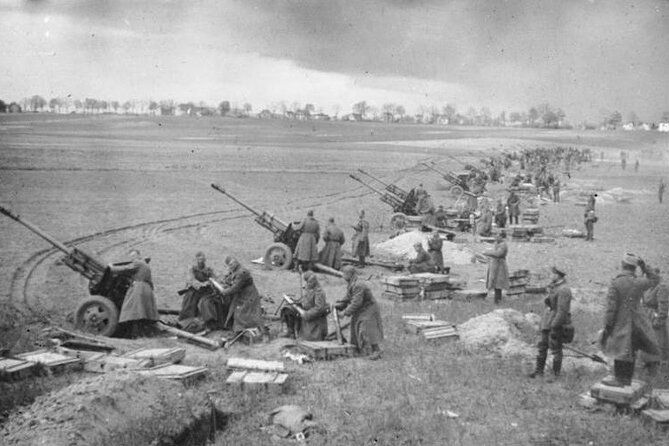
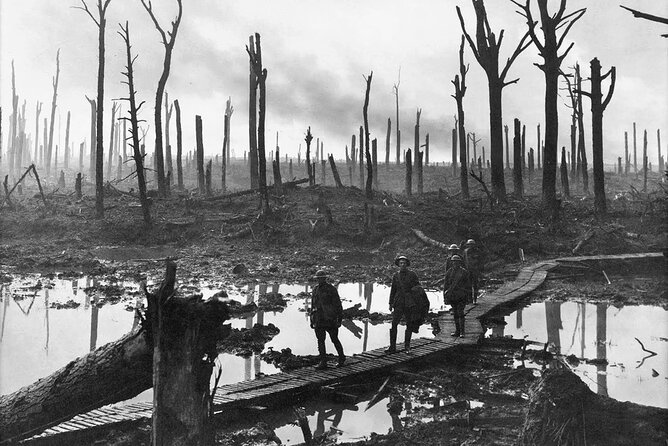
Passchendaele is where the WWI story turns from memorial into battlefield reality. You’ll spend about 3:00 PM at the Passchendaele Battlefield and visit the Passchendaele Museum for about 1 hour 30 minutes. This pairing works because you get both the physical ground and the explanation that connects the ground to the fighting.
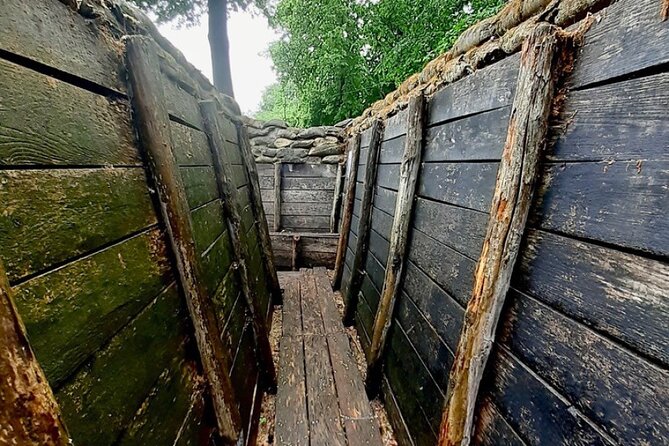
This area is also a good moment to remember that WWI was not only about heroic charges. It was about mud, endurance, supply lines, and staying power—things that are hard to guess until you see the site and the displays.
If you’re the type who wants context before you take photos, this is where you’ll be glad you’re going. If you’re tired, slow down. A battlefield visit is not a sprint, even when the schedule is.
Tyne Cot Cemetery: the scale that hits
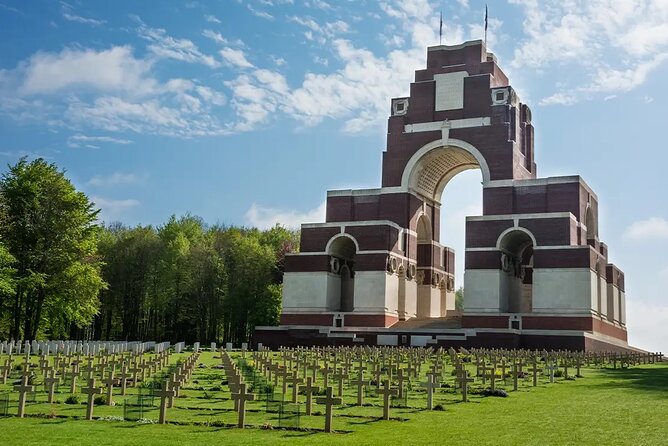
Tyne Cot Cemetery is next, around 4:30 PM, and it’s often the cemetery people remember most. You’ll have about 50 minutes here, and it’s described as the largest Commonwealth cemetery. That phrase is not just trivia. The scale of a place like this changes how you read it. You stop looking for a single grave and start understanding it as a system of remembrance.
You’ll want to give yourself a little space to walk slowly, find a vantage point, and then look back through the grounds. Even without getting emotional, the geometry and repetition do something to your brain. It makes the losses feel bigger than any one headstone.
Bring your best attention for this stop. It’s shorter than some others, but it’s built as a key moment.
Essex Farm Cemetery and the In Flanders Fields connection
At about 5:30 PM, you’ll visit Essex Farm Cemetery for about 50 minutes. This stop is tied to the inspiration for In Flanders Fields, which gives you a literary anchor while you stand among the graves. That matters because the poem is one of the reasons many people feel an immediate emotional pull toward WWI sites.
Essex Farm is often less about total scale and more about a specific connection. That makes it a good partner to Tyne Cot: one shows how remembrance can be immense; the other connects remembrance to a particular expression of grief.
If you like poetry or want to understand cultural memory, you’ll likely appreciate this stop. Even if you’ve read the poem before, it hits differently when you’re standing where the inspiration is linked.
Ypres (Ieper) in the evening and the Menin Gate Last Post option
The next leg is into Ypres (Ieper) around 6:30 PM for about 1 hour. The time in town is useful because it helps you breathe between memorial sites. You can get your bearings, step away from the cemetery rhythm, and absorb what a living town looks like after years of remembrance.
Then comes the centerpiece for the later option: the Menin Gate Memorial Last Post ceremony. You’ll arrive for about 30 minutes centered on the tribute, returning to Brussels around 9:00 PM on this plan. This is the kind of experience that feels both solemn and grounding because it’s a scheduled act of remembrance tied to names and loss.
Timing is important here. The ceremony is not something you can treat like an optional photo stop. If you choose the Last Post plan, build your energy for it earlier in the day so you’re not rushing at the end.
Price and what you’re really paying for
The price is $590.02 per person. That sounds steep until you look at what you’re actually getting. You’re paying for private transportation from Brussels, admissions and tickets across multiple sites, plus board basics like WiFi and bottled water. You’re also paying for guide time and for someone to handle the day’s movement between places that are not convenient to string together on your own.
The value gets clearer when you compare it to piecing everything together: transit time, ticket purchases, and the mental load of managing multiple stops. Here, the structure is done for you. The day runs long, but you’re not stuck doing logistics while you’re trying to absorb serious sites.
What is not included is lunch. That’s the main add-on risk. The itinerary gives you free time in Diksmuide for personal breaks, so plan to buy or bring food there. Budget a meal you actually want, not something you grab out of frustration.
Also, keep an eye on schedule reliability. In at least one prior experience shared in feedback, there were concerns about late arrival and the difference between expected guide/driver presence versus what happened on the day. I can’t promise it will never happen, but I do think it’s worth doing one simple thing: confirm your pick-up time the day before and be ready for a strict start. This tour depends on timing, especially if you’re doing the Last Post option.
Who this private WWI day suits best
This is a strong fit if you want a high-effort day without having to manage details yourself. I’d especially recommend it for people who care about memorial culture and museum context, not just photos.
You’ll also like it if you want balance across perspectives. The inclusion of both Commonwealth-linked sites and the German war cemetery gives you a fuller sense of how WWI memorials work in Belgium today.
If you dislike long days with lots of walking, consider whether you can handle a 13-hour itinerary. The tour is designed for a full route, not a leisurely pace with frequent stops for rest.
Should you book this tour?
I’d book this if you want a private, structured World War I day that gives you both major sites and interpretive context. The combination of Vladslo’s Kollwitz sculpture, the Flanders Fields Museum, and the optional Menin Gate Last Post is a powerful trio, and the included admissions make the day feel efficient.
I’d think twice if you know you’re highly sensitive to punctuality or you need long breaks and meals that are fully handled for you. Lunch is on you, and the schedule is serious. If you choose the Last Post plan, be ready to treat it as the anchor of the day.
If your goal is a meaningful WWI route from Brussels to Flanders with minimal hassle, this private format is a solid way to do it.
FAQ
How long is the private World War I battlefield tour?
It runs about 13 hours, with timing based on which plan you choose.
What time does the pick-up start in Brussels?
There are two options: a standard pick-up at 8:00 AM, or a later pick-up at 11:00 AM if you want the Last Post Ceremony plan.
Is this tour private for my group only?
Yes. It’s a private tour/activity, and only your group participates.
What sites and memorials are included?
You’ll visit places including Vladslo German War Cemetery, Diksmuide, Flanders Fields Museum, Passchendaele Battlefield and Museum, Tyne Cot Cemetery, Essex Farm Cemetery, and Ypres (Ieper), with the Menin Gate memorial Last Post option depending on the plan.
Are admission tickets included?
Yes. Tickets to all sites are included, and multiple stops list admission as included or ticket-free.
Is lunch included?
No. Lunch is not included, and you’ll have free time in Diksmuide for your own break.
Is the tour language English?
Yes, it’s offered in English.
What amenities are provided on the trip?
You’ll have WiFi on board and bottled water included.
Can I cancel for a full refund?
Yes. Free cancellation is available up to 24 hours in advance of the experience start time.