Pedal through Brussels in 3.5 hours. I love that this small-group ride hits classic places and off-center neighborhoods fast, and I also like that bike rental and a helmet are included so there are no surprise extras. The pacing works well if you want an efficient first look without feeling rushed.
One thing to consider: this is not a sit-back-and-cruise tour. Expect hills and cobblestones, and you’ll want to feel steady on a bike in city streets for the full stretch.
In This Review
- Key highlights worth your attention
- Why This Brussels Bike Tour Feels Like a Real First Day
- Start at Grand Hospice: Your Neoclassical Meeting Point
- Stop 1: La Bourse de Bruxelles and Place de la Bourse
- Stop 2: Place Sainte-Catherine and Church Sainte-Catherine
- Stop 3: La Fonderie Bruxelles, Industrial Heritage You’ll Remember
- Stop 4: Palace of Justice Views from Place Poelaert
- Stop 5: Quartier Marolles and the Flea Market Area
- Stop 6: Gare Maritime and Tour&Taxis Logistics History
- Stop 7: Palais Royal de Bruxelles and the Royal Park
- Stop 8: Grand Hospice Again, and Where You Go Next
- Riding Conditions: Hills, Cobblestones, and Staying in the Group
- Price and Value: What You Pay for (and What You Avoid Paying For)
- Who This Tour Suits Best
- A Note on Guides and the Human Touch
- Should You Book This Brussels Highlights Bike Tour?
- FAQ
- How long is the Brussels Highlights & Hidden Gems Bike Tour?
- What’s the price per person?
- Is this tour offered in English?
- How many people are in a group?
- Where does the tour start?
- Is the bike rental included?
- Is a helmet included?
- Do you need tickets or admission fees for the stops?
- Is coffee or tea included?
- What happens if the weather is bad?
Key highlights worth your attention
- Small group size (max 14): easier conversation and staying together on a busy city route
- Included bike + fietshelm: you arrive ready, not hunting gear
- Stops you’d miss on foot: industrial heritage like La Fonderie and the Gare Maritime area
- Major views with minimal fuss: Place Poelaert and the Palace of Justice area for big panorama energy
- Mix of central and local Brussels: from La Bourse to the Marolles flea-market zone
- Guides include volunteers: people like Andrea, Jessica, Vito, Mauro, Philippe, and Renaat are mentioned in reviews for a friendly, human feel
Why This Brussels Bike Tour Feels Like a Real First Day
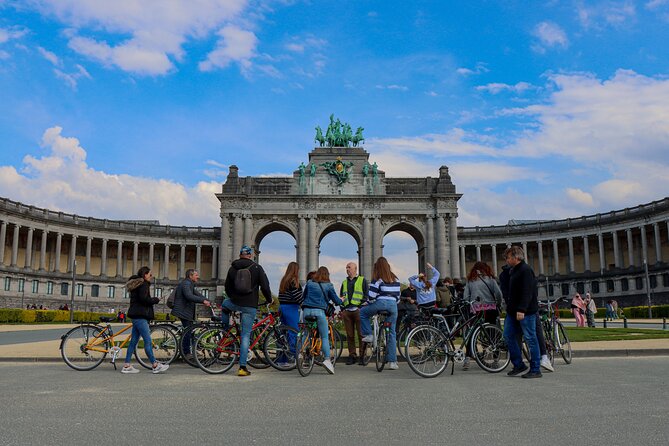
Brussels can be a lot on day one. The city has grand squares, surprise architecture, and neighborhoods that change character every few blocks. This Brussels highlights and hidden corners bike tour is built for that reality: in about 3 hours 30 minutes, you get a guided overview without spending the entire day in long lines or bouncing between far-apart addresses.
The best part is the mix. You roll through well-known center-city points like La Bourse, then you leave the typical postcard trail and land in places that explain how Brussels works as a lived-in city. The industrial and logistics history segments add texture too, especially around La Fonderie Bruxelles and the Gare Maritime/Tour and Taxis area.
I also like the value math. The price is low for a guided, timed route, and bike rental plus a helmet are part of the deal. That matters because bike tours can quietly turn pricey once you add gear, and here you don’t have to.
You can also read our reviews of more cycling tours in Brussels
Start at Grand Hospice: Your Neoclassical Meeting Point
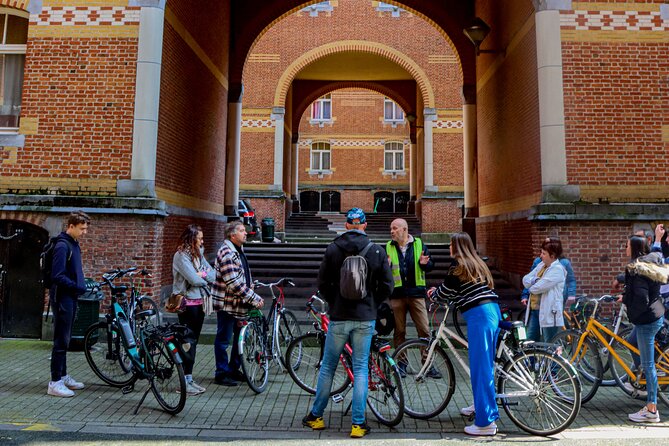
Your tour begins and ends back at the meeting point: Rue du Grand Hospice 7, 1000 Bruxelles. The building is a former hospice with neoclassical character, now used as a temporary occupation space and a cultural venue.
That starting point is practical for two reasons. First, it sets the tone: you’re not starting in a random parking lot. Second, it puts you close to the city-center rhythm, so it’s easy to connect the tour to the rest of your day.
When you arrive, expect basic setup and safety instructions. Since helmets are included, you can focus on learning where to position yourself in the group rather than managing gear.
Stop 1: La Bourse de Bruxelles and Place de la Bourse
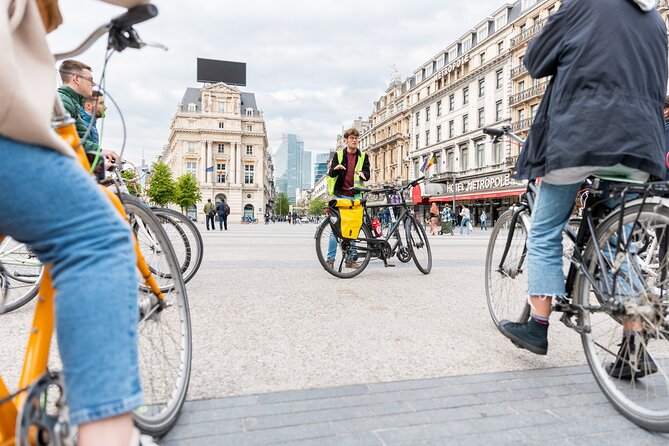
Your first stop is La Bourse de Bruxelles at Place de la Bourse. This is one of those central squares where the city feels like it’s always doing something: people passing through, street life moving, and the architecture giving the street a sense of occasion.
This start is smart because it gets you oriented early. After a short ride, you’re in the heart of the city, and your guide can frame what you’ll see next. There’s no admission fee here, so this is more about context and atmosphere than ticket logistics.
Practical note: since this is a busy area, it helps to listen for the guide’s instructions about where to ride and when to stop. You’ll likely be pausing for about 10 minutes.
Stop 2: Place Sainte-Catherine and Church Sainte-Catherine
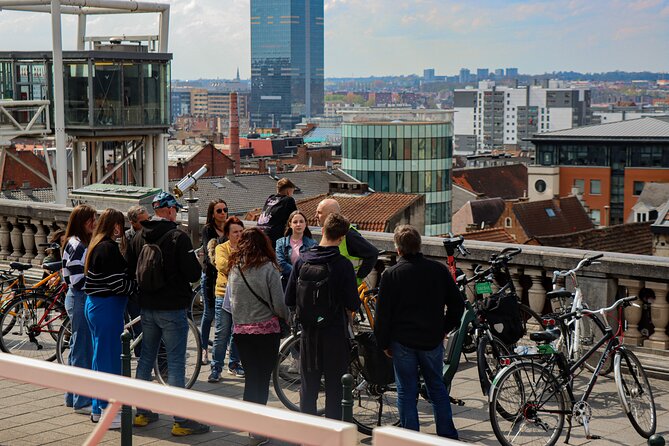
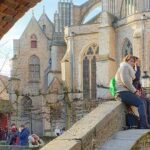
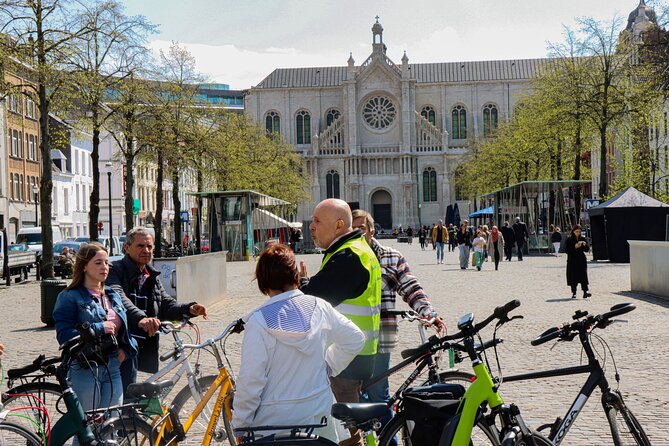
Next comes Place Sainte-Catherine, the old fishmarket area, plus Church Sainte-Catherine. Even if you’ve never studied Brussels before, this stop helps you understand how the city grew around food, markets, and community space.
This is also a good reminder that Brussels is not only big monuments. It’s church spires, old trade zones, and street corners where everyday life still matters. It’s free to visit (no admission ticket needed), which keeps the tour smooth.
This pause is short—about 10 minutes—so you’ll want to keep your eyes open for details you can’t easily spot while cycling past.
Stop 3: La Fonderie Bruxelles, Industrial Heritage You’ll Remember
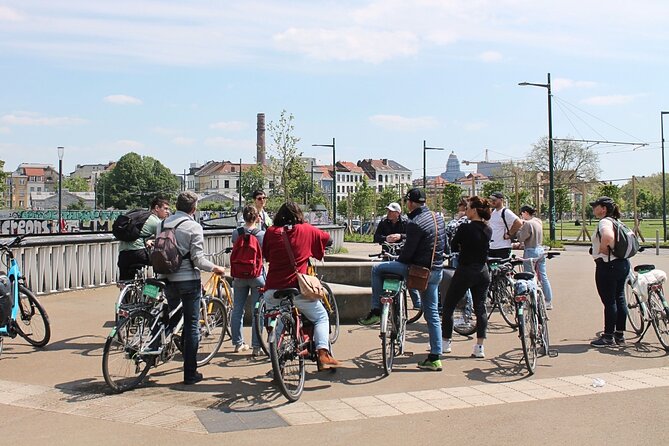
Then you hit a quieter, more surprising shift: La Fonderie Bruxelles (Musee bruxellois des industries et du travail). This is where the tour earns its reputation for steering you off the standard route.
Industrial Brussels can be easy to overlook from a distance. On a bike, you get closer and you notice how these buildings sit inside the urban fabric. The time here is brief—around 5 minutes—but that’s enough for a quick story and a clear visual impression.
If you like cities that explain their own past, this is the stop that will stick. And since admission is free, you aren’t making a big decision on the spot.

Stop 4: Palace of Justice Views from Place Poelaert
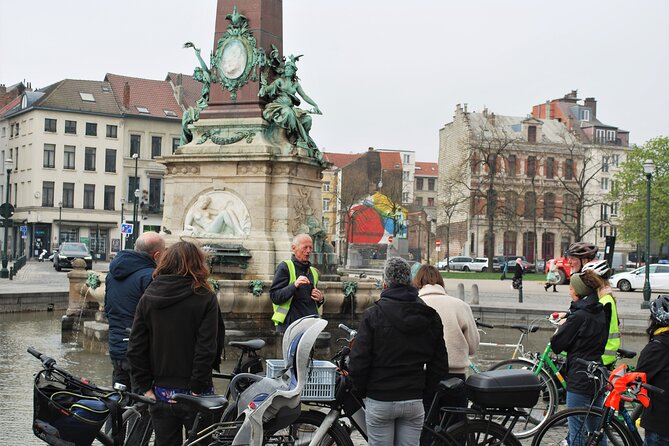
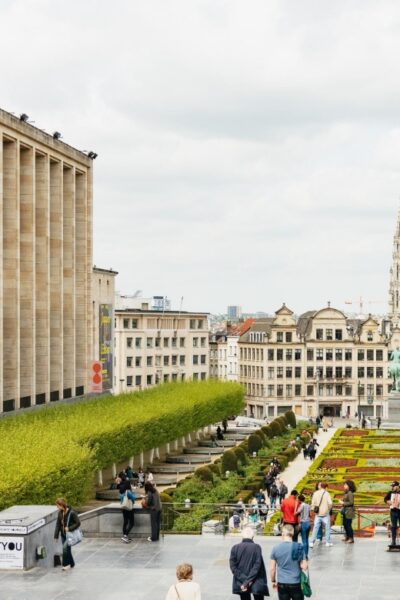
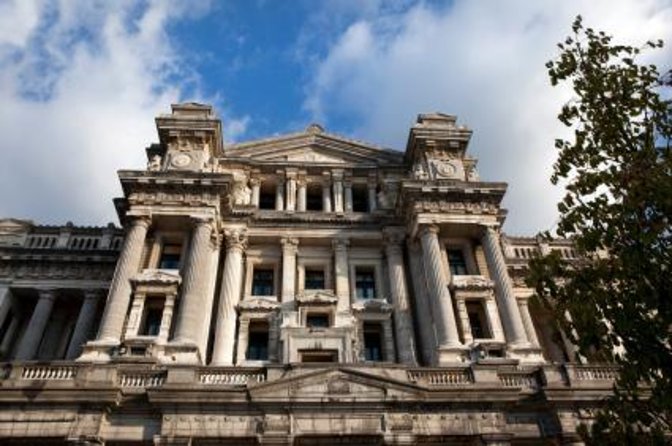
From there, you reach one of the tour’s main payoff moments: the Palace of Justice area, viewed from Place Poelaert. The viewpoint also gives you a sense of the broader layout—how Les Marolles and the city spread out from this height.
This isn’t just sightseeing. It’s an “urban geography” stop. You’re learning how neighborhoods relate to each other and why certain places became central. It’s free, and it’s timed well for a quick visual reset during the ride.
Expect about 10 minutes here. If your legs are starting to feel the hills, this is a good stop to catch your breath without losing momentum.
Stop 5: Quartier Marolles and the Flea Market Area
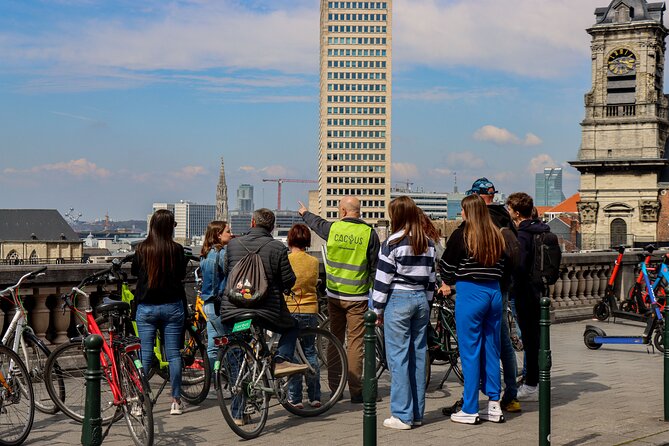
Next is Quartier Marolles, tied to the flea market energy and the surrounding historic streets near the Palace of Justice.
This is one of those areas where Brussels’ contrasts feel real. You see a different side of the city than the polished center. If you’ve only visited major landmarks, the Marolles zone is the part that makes the city feel lived-in.
This stop stays focused—about 10 minutes—with a practical goal: help you understand the neighborhood and what to explore later if you want to return.
Stop 6: Gare Maritime and Tour&Taxis Logistics History
Now for one of the most interesting “how the city became itself” moments: Gare Maritime and the history around Tour&Taxis. The tour explains how a historic logistics and industrial site transformed into a newer, multifunctional district.
This is exactly why bike tours can feel smarter than walking tours. On foot, you can see an old building but miss the big picture. By bike, you’re moving through the area in a way that helps the story click.
Again, admission isn’t required for the stop, and the time is about 10 minutes. If you like architecture and city planning, this is an easy area to remember later when you’re reading about Brussels or searching your next neighborhood to explore.
Stop 7: Palais Royal de Bruxelles and the Royal Park
You’ll then swing back toward the symbolic center with Palais Royal de Bruxelles and a pause by the Royal Park next to the Royal Palace. The guide explains why this place matters and what it represents.
This stop adds contrast after the industrial/logistics area. The change of scenery helps your brain file Brussels into categories: royal-center power, working-industrial production, and neighborhood culture.
Plan for around 10 minutes. It’s a calm breather, and it’s also useful for orientation if you’re planning which museums or streets to tackle later.
Stop 8: Grand Hospice Again, and Where You Go Next
The tour ends back at the meeting point: Rue du Grand Hospice 7. That structure makes the whole experience easy to wrap your head around. You can treat the tour as a loop that returns you to a central starting base.
It’s a good time to map out your next steps. If you now know where the Marolles vibe lives, where the legal-palace viewpoint sits, and how the industrial districts connect, you can choose the right neighborhoods for the rest of your trip.
Riding Conditions: Hills, Cobblestones, and Staying in the Group
Let’s talk about the part that can make or break your day: the bike ride itself.
From reviews, the route includes some bumpy stretches due to cobblestones. There are also slight long hills. One reviewer said the ride stayed manageable even for beginners, while another warned it wasn’t for nervous riders. Translation: you don’t need to be a cyclist racer, but you do need basic control and confidence.
Also note this: no matter how friendly the guide is, the success of the tour depends on the group staying together. Several comments highlight that the guide helps keep things organized, but the rider still needs to keep up and follow directions. If you take things slowly at the start, mention it early so the guide can pace you.
Good news: helmets are included (fietshelm). The tour is also designed as a city route with a small group size, which usually means less chaos than large-bike-bus tours.
If you’re unsure about hills, check whether e-bikes are available. One response in the feedback says e-bikes exist but are bookable directly through the company website, not automatically as part of standard booking.
Price and Value: What You Pay for (and What You Avoid Paying For)
At $39.92 per person, this is priced like an efficient “guided orientation” tour. For that, you get:
- A small-group ride for about 3 hours 30 minutes
- Bike rental included
- Fietshelm (helmet) included
- A structured route with multiple stops, all marked as free admission stops
The only extra mentioned is food/drink. A coffee or tea stop during a pause is optional and not included.
Here’s the real value angle: bike tours can become expensive when you need to rent a bike, buy a helmet, and then still pay for museum tickets. In this tour, the sightseeing stops are set up so you’re not hit with ticket prices for each location. You’re paying mostly for route planning and guiding, and that’s what you want on a limited trip.
Who This Tour Suits Best
This is a strong choice if you:
- Want to see a lot of Brussels in a short window
- Like walking-level culture explanations but prefer moving by bike
- Enjoy neighborhoods with real street life, not only museum rooms
- Want viewpoints and architectural context that helps you plan your next day
This may be less ideal if you:
- Are uncomfortable on cobblestones or uneven surfaces
- Don’t feel confident riding for roughly 3.5 hours
- Prefer a very relaxed pace where you never have to pedal
If you’re on the fence, think of it like this: you’re buying a plan for getting your bearings fast. If you want total ease, choose a walking tour. If you want momentum and coverage, this bike loop is the right tool.
A Note on Guides and the Human Touch
One reason people seem to love this tour is the guide energy. Names like Andrea, Jessica, Vito, Mauro, Philippe, and Renaat show up in reviews, and the pattern is consistent: people describe guides as friendly and organized, and they credit the guidance with making the city feel understandable, not just photographed.
Some feedback also points out that the information flow can vary by guide and moment—so if you love detailed commentary at every stop, you might prefer a tour with a longer “lecture rhythm.” Still, the overall route structure and stop list are built to keep the ride purposeful.
Should You Book This Brussels Highlights Bike Tour?
I’d book it if you want a first-day Brussels plan that mixes major sights with lesser-seen areas, and you appreciate value that includes the bike and helmet. It’s also a good match for travelers who like their city explanations tied to neighborhoods, not just monuments.
I’d hesitate if you’re a very cautious rider, dislike bumpy cobblestones, or want zero cycling effort. The tour does ask you to pedal and keep up, so your comfort with city biking matters more than anything on the page.
FAQ
How long is the Brussels Highlights & Hidden Gems Bike Tour?
It lasts about 3 hours 30 minutes.
What’s the price per person?
The price is $39.92 per person.
Is this tour offered in English?
Yes, it’s offered in English.
How many people are in a group?
The tour has a maximum of 14 travelers.
Where does the tour start?
It starts at Rue du Grand Hospice 7, 1000 Bruxelles, Belgium.
Is the bike rental included?
Yes. Bicycle rent is included.
Is a helmet included?
Yes, a fietshelm (helmet) is included.
Do you need tickets or admission fees for the stops?
The stops listed for the tour show free admission or no ticket requirements.
Is coffee or tea included?
No. Coffee/tea is optional and not included in the price.
What happens if the weather is bad?
The tour requires good weather. If it’s canceled due to poor weather, you’re offered a different date or a full refund.